
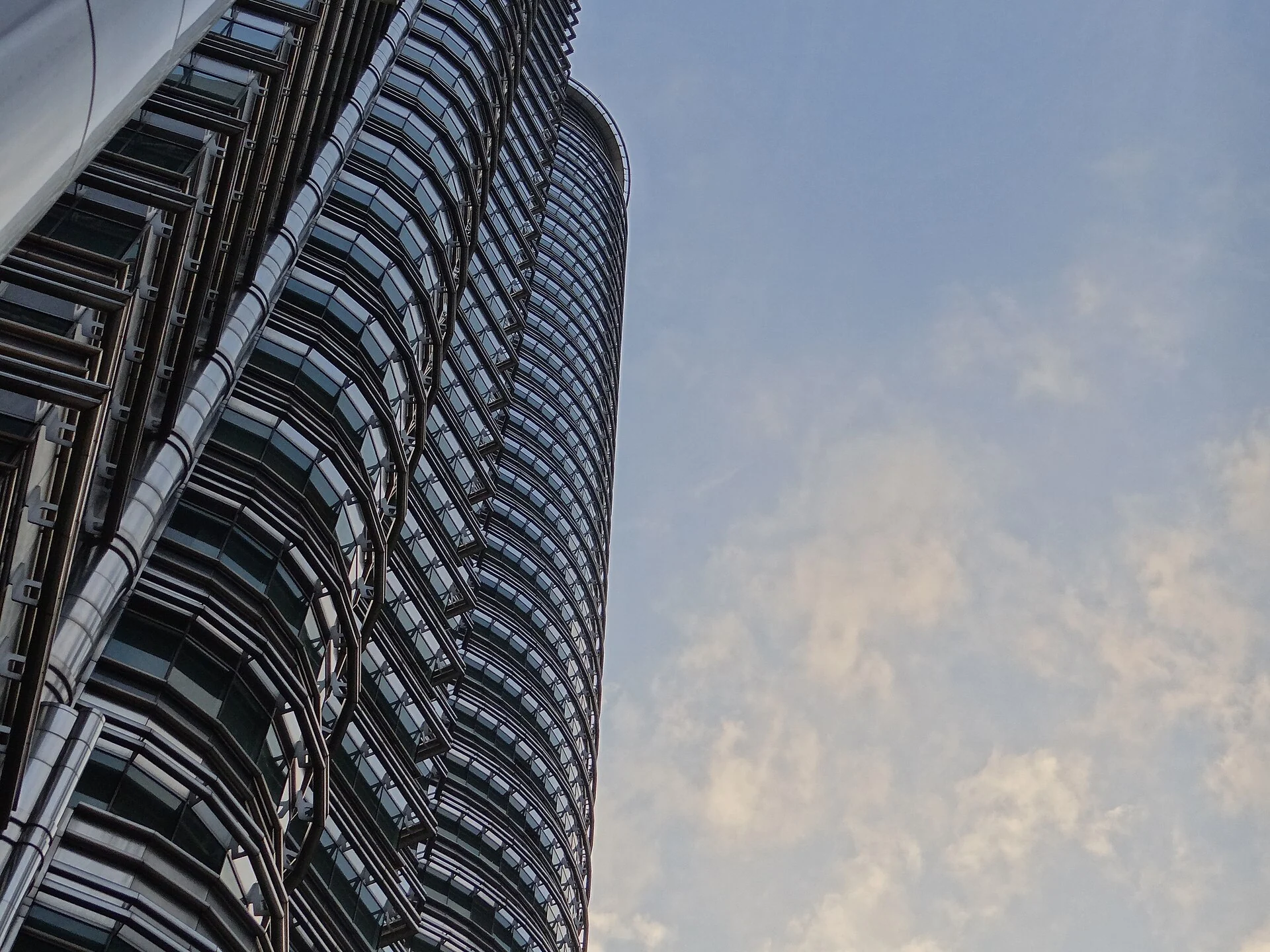
Kuala Lumpur is often represented by the Petronas Twin Towers, but its story is easier to read by moving from older streets to the contemporary skyline. Give yourself at least two days and group stops by area. The city’s heat, rain and road traffic reward flexible planning.
Begin in the historic core
Walk around Merdeka Square and nearby streets to notice how civic buildings and religious sites reflect different eras and communities. Enter places of worship only where visitors are welcome, follow clothing rules and avoid disrupting prayer. Continue to Central Market for crafts and small businesses. The official Tourism Malaysia guide gives background; compare goods thoughtfully and ask makers about their work rather than assuming everything is locally produced.
Plan food as a major part of the day. Malay, Chinese and Indian culinary traditions all shape the city, and neighborhood choice matters as much as the dish. A food court or hawker area makes it easier to sample several options. Check ingredients if dietary restrictions apply and bring a small amount of cash alongside accepted digital payment methods.
Then see the skyline
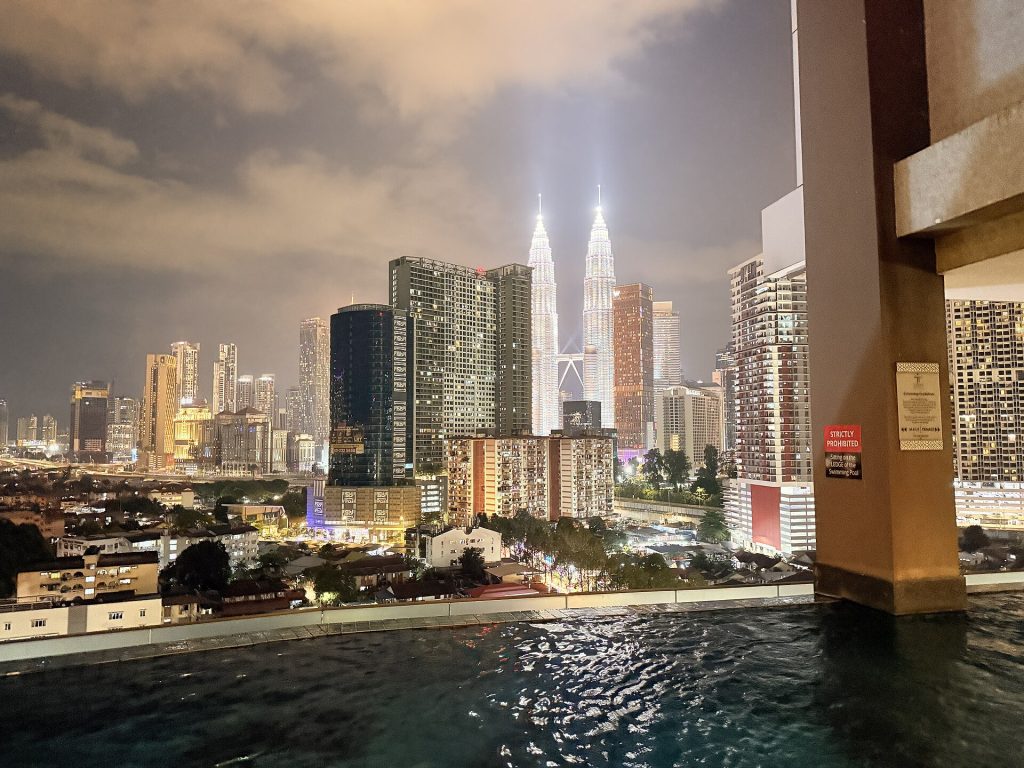
Set aside a separate late afternoon or evening for KLCC and its surrounding public spaces. If you want an observation-deck visit, confirm availability and booking through the operator before you go. A ground-level walk can be equally rewarding, especially when the towers are illuminated. The Tourism Malaysia city guide offers a starting list of other sites.
Batu Caves can be a worthwhile additional half-day, but treat it as a religious site, check current visitor guidance and consider the physical climb. Do not try to combine it with every downtown landmark. Kuala Lumpur’s appeal comes from the transitions between neighborhoods; leave enough time to notice those changes rather than photographing them from a passing car.
Move between districts thoughtfully
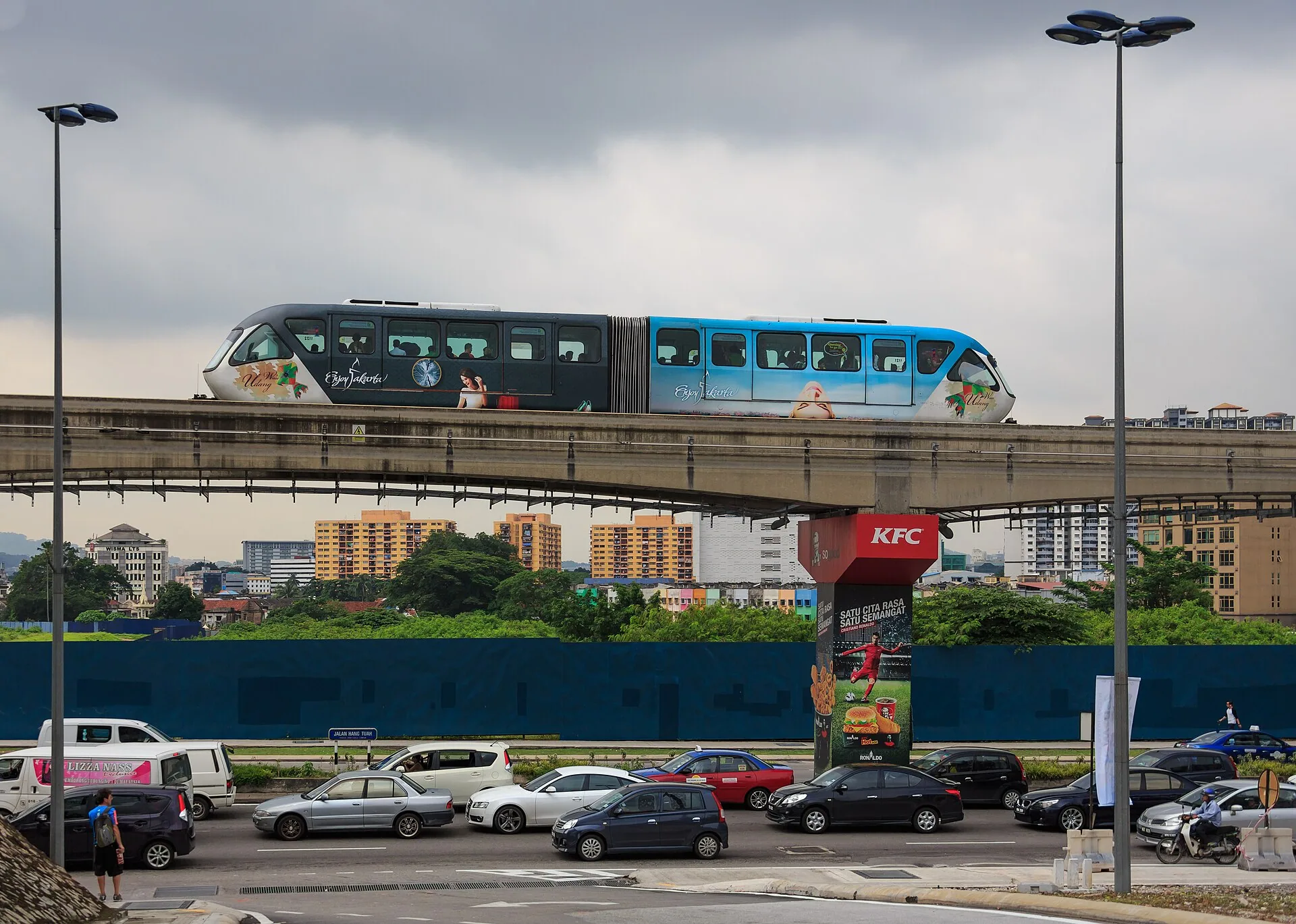
Rapid transit helps with several central routes, but some final stretches still require a walk in heat or rain. Check the station exit nearest your destination and carry a small umbrella. If using a car service, allow extra time at busy hours. Ask before photographing worshippers or market staff, and respect posted rules in historic buildings. A neighborhood-focused itinerary leaves more energy for the city’s varied food than a day spent in traffic.
Start with a walk that explains the city
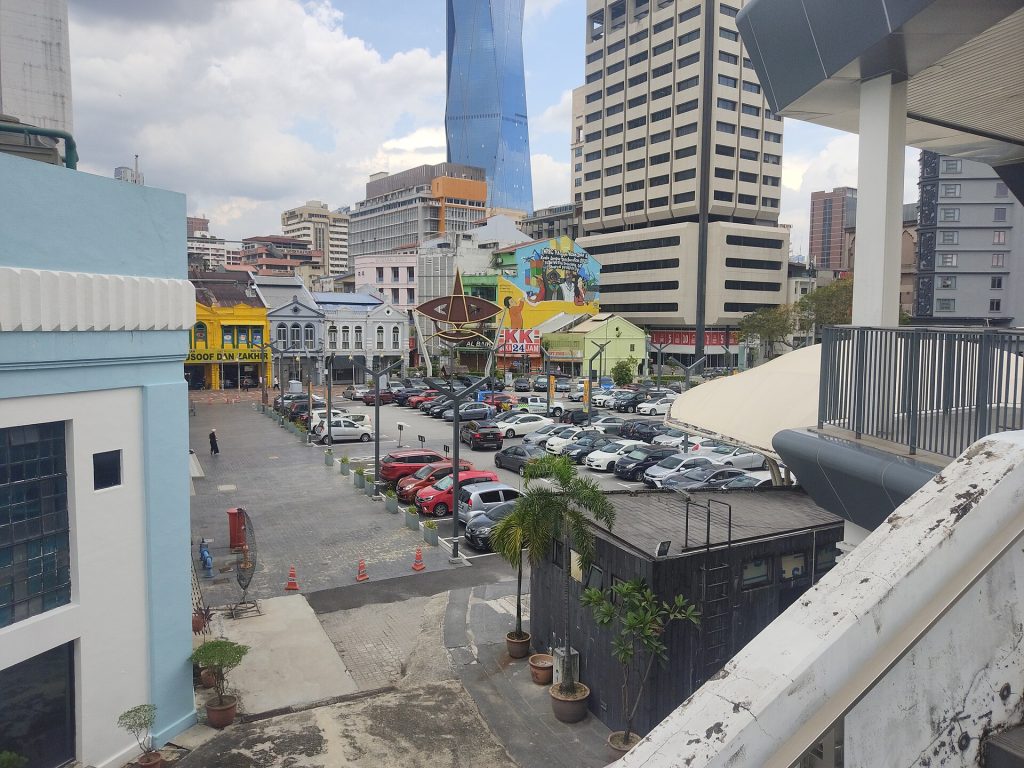
The Malaysian tourism guide identifies the city’s mix of civic heritage, markets and modern landmarks. Begin in a compact historic area, read the building information and continue to a market for lunch. This gives the skyline context rather than making it the whole story. Shade and indoor stops matter in humid weather.
Use Central Market as more than a shopping stop
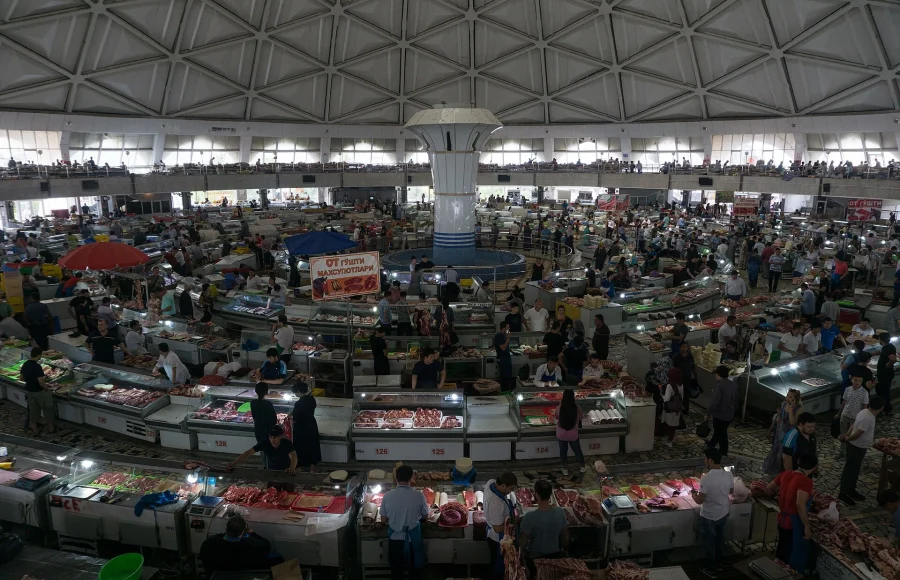
Tourism Malaysia’s Central Market page presents it as a cultural shopping destination. Take time to distinguish locally made work from generic souvenirs, and ask makers about materials and technique when possible. If buying food outside, choose a busy stall and check the price before ordering. A market visit works best when you engage with people rather than collect only photographs.
Book the viewpoint only if it fits
The KLCC official site is a starting point for current information around the towers. Check the specific observation attraction’s ticket, weather and access terms separately. A skyline view is optional: an evening walk at ground level may be more rewarding if queues or clouds limit the panorama. Use rail where convenient to avoid spending the day in traffic.
If a mosque or other place of worship lies on your walk, verify visitor access and dress rules independently. Public access may pause around prayers or events, and respectful observation from outside is still worthwhile.



The conversation
Join the discussion
Have a useful tip or a question about this journey? Share it with fellow readers. Please keep comments respectful and relevant.