
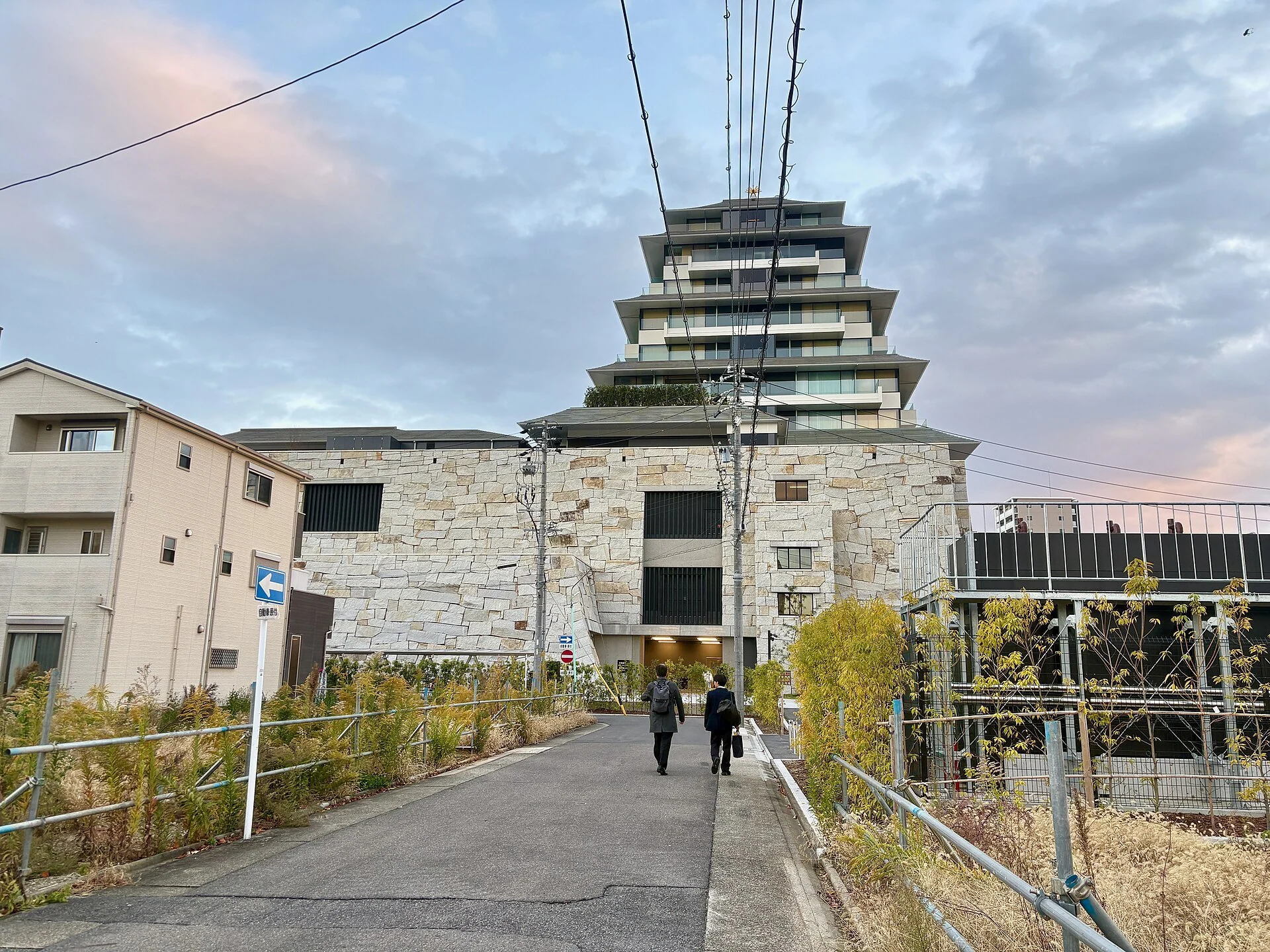
Nagoya is sometimes squeezed into a rail connection between Tokyo and Kyoto. Give it a night, and its castle district becomes a useful introduction to the city’s history and contemporary pace. The area is also associated with high-end stays such as Espacio Nagoya Castle, but the strongest itinerary begins with the public heritage sites rather than a hotel lobby.
Understand what you are seeing
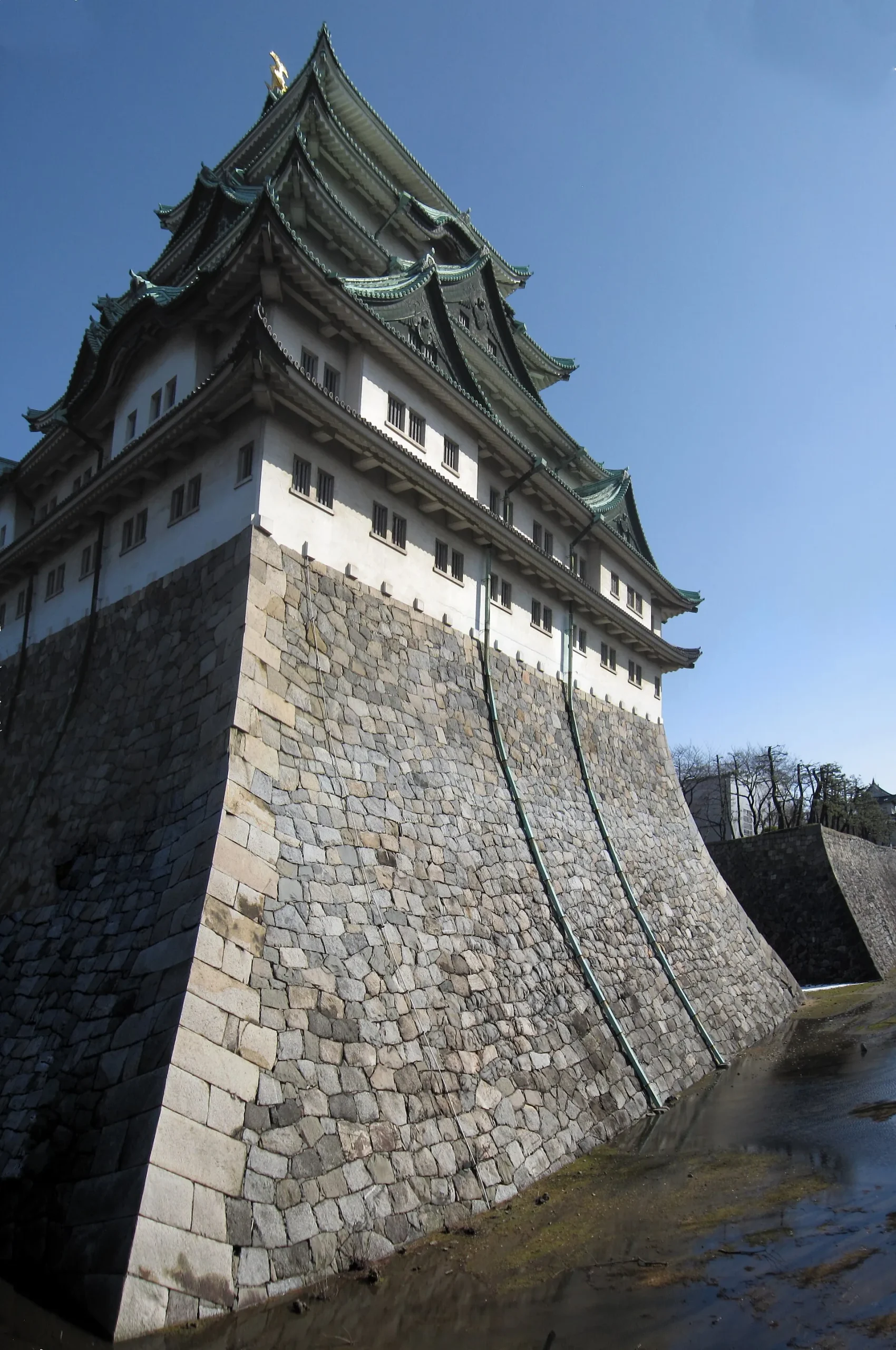
Nagoya Castle’s story includes wartime destruction and later reconstruction. Check the official castle website before visiting to learn which structures and exhibition spaces are currently accessible. Honmaru Palace is a central point of interest; allow time to look at its interiors and interpretive displays instead of taking only an exterior photograph. Accessibility, ticketing and entry arrangements can change, so confirm them close to your date.
Walk the surrounding grounds at a comfortable pace, then build the rest of the day around one museum or neighborhood rather than multiple cross-city stops. The Nagoya tourism office can help with current routes and event information. If you enjoy food, seek out local specialties at a restaurant with clear menus and opening hours; avoid a rigid dining schedule that leaves no time for the castle.
Where a hotel fits
If considering Espacio Nagoya Castle, use the property’s official site for room types, amenities and booking conditions. Compare its location and transport needs with other accommodation rather than assuming a luxury address is necessary for the itinerary. A stay near a convenient station may suit travelers arriving late or leaving early.
Nagoya works best as a deliberate pause. Arrive by train, devote one full day to the castle district and add a second stop only if it genuinely interests you. This approach makes the city more than a place passed at speed between better-known destinations.
Season and access
The grounds change character with the seasons, while the usefulness of an indoor visit depends on current exhibition access. Check official notices shortly before your date, especially if a particular building is the reason for the trip. If you have limited mobility, review the site’s accessibility information rather than assuming every historic area has the same route. A city transit pass may help with additional journeys, but compare its conditions with the trips you will actually make.
Understand the castle visit before booking a view
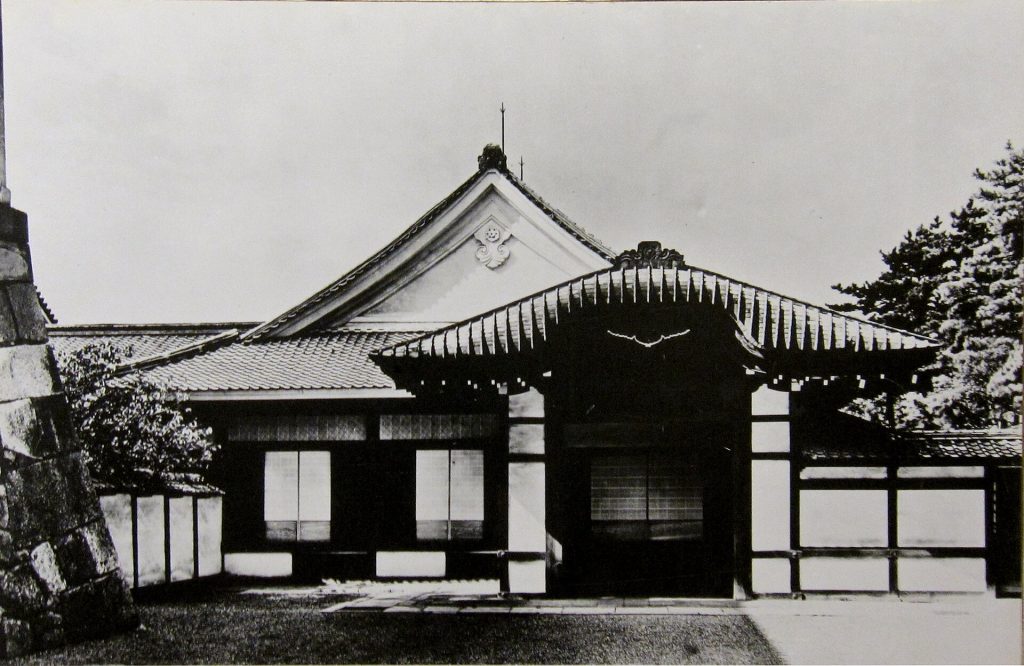
Nagoya Castle is an excellent focus for a heritage day, but the main keep is currently closed to visitors according to the castle’s official site. Plan around the grounds and Hommaru Palace instead. Check the current admission, hours and access page shortly before the trip: tickets and last-entry rules can change. This distinction matters if a dramatic view of the keep is what attracted you to the neighborhood; the exterior can still be seen while its interior is unavailable.
Decide whether to sleep beside the castle
Espacio Nagoya Castle identifies its address and describes access from Sengen-cho station and Nagoya Station. A castle-area hotel can be useful for a slower morning on the grounds, but it is not automatically the best base for repeated rail departures across the region. Compare the journey from your room to the castle, central dining areas and your departure station, including luggage. Ask for the specific room outlook if a castle view is central to the price you are paying.
Make the heritage day workable
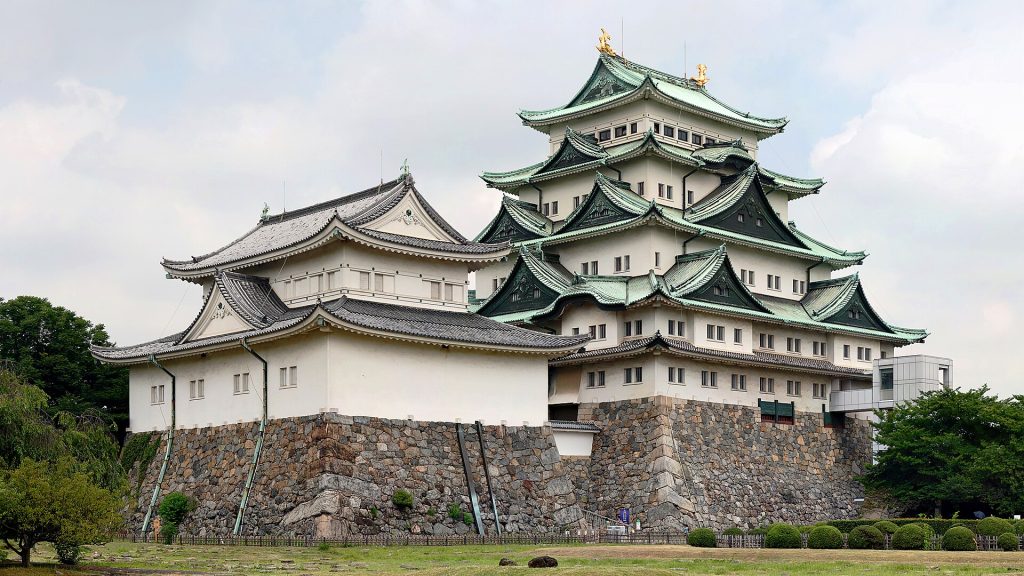
Reserve time for Hommaru Palace and check its visitor information for entry arrangements and accessibility. Leave a flexible afternoon for another museum or neighborhood walk rather than assuming every castle building is open. For travelers with limited mobility, confirm the route between the hotel, station and palace with the venue directly.



The conversation
Join the discussion
Have a useful tip or a question about this journey? Share it with fellow readers. Please keep comments respectful and relevant.