
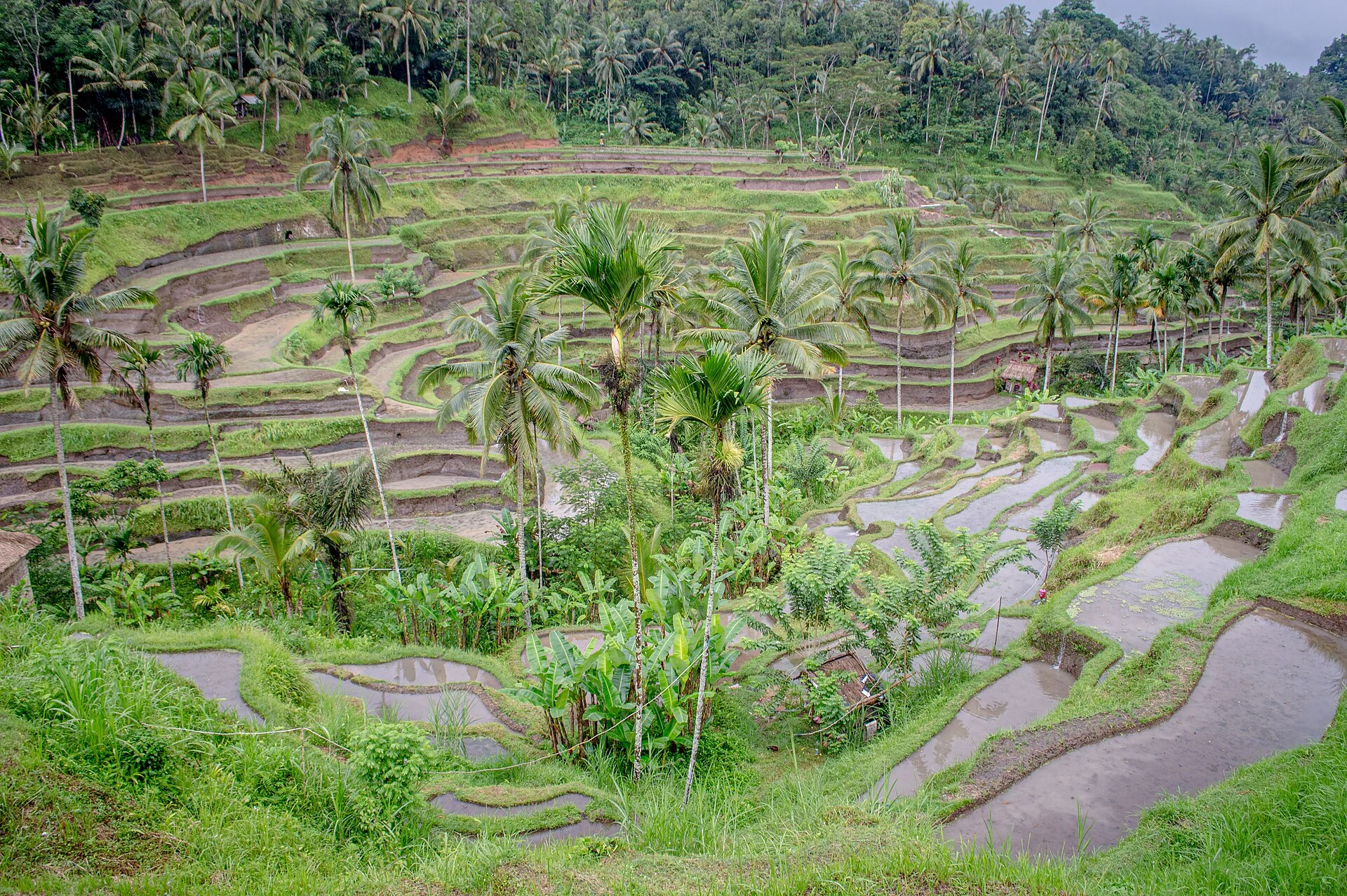
Bali’s beaches are only one part of the island. Villages, temple ceremonies, rice landscapes and mountain roads give a more complete picture, but they also require a more careful way of traveling. A rewarding first visit usually works better with two bases than with a different hotel every night.
Choose regions for different reasons
Spend one part of the trip near the coast if swimming, sunsets or watersports are priorities. Use another base around Ubud or the central highlands for galleries, walks and cultural sites. Distances can look short but traffic is often slow. Group nearby stops and leave space for weather delays. For a longer stay, the north or east can add another landscape, provided the journey itself has enough time.
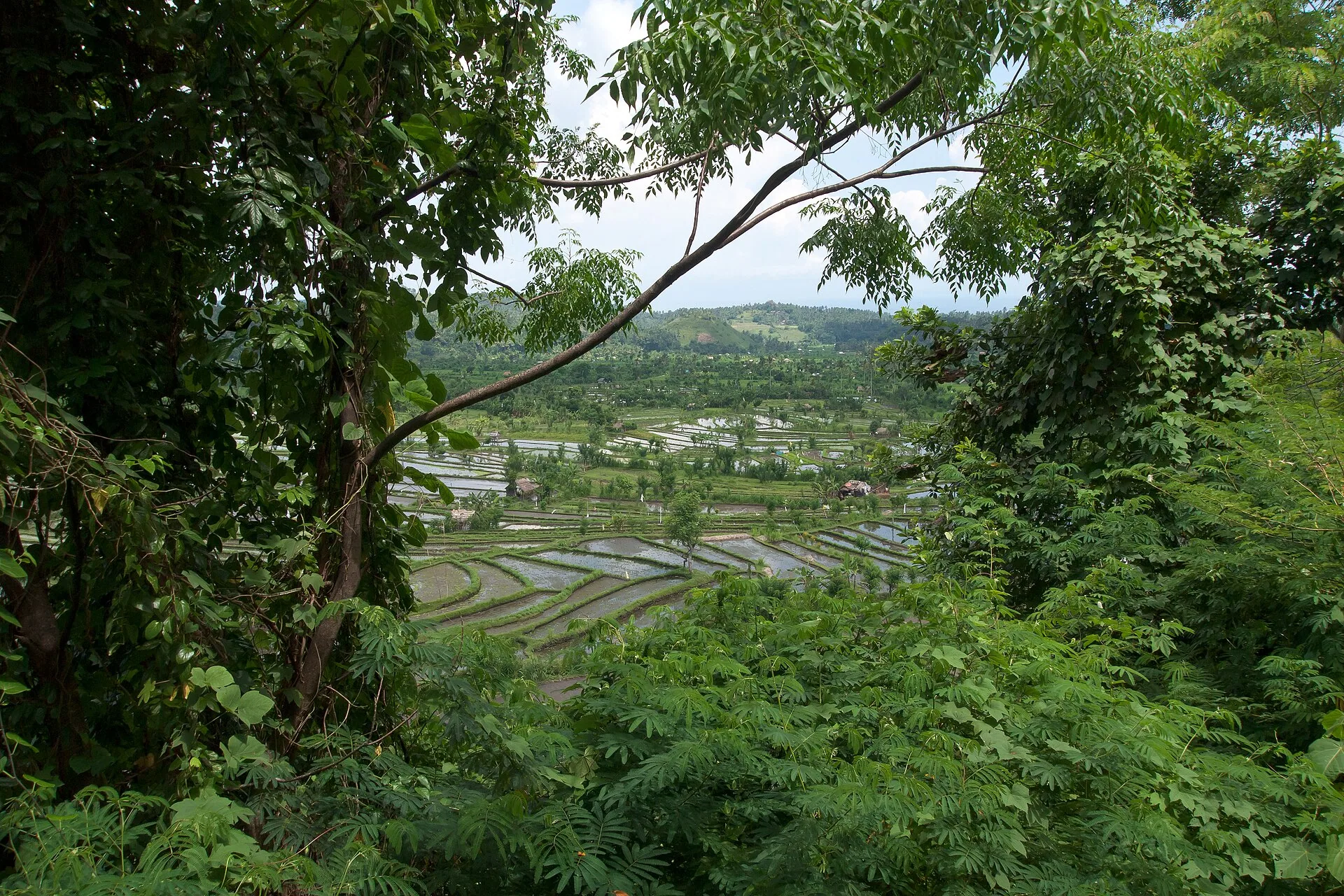
The island’s UNESCO-listed cultural landscape explains the relationship between rice cultivation, water temples and the subak irrigation system. Visiting a rice terrace becomes more meaningful when you understand it as working agricultural land. Stay on marked paths, do not enter fields without permission and avoid blocking farmers’ access for photographs.
Temples are active places
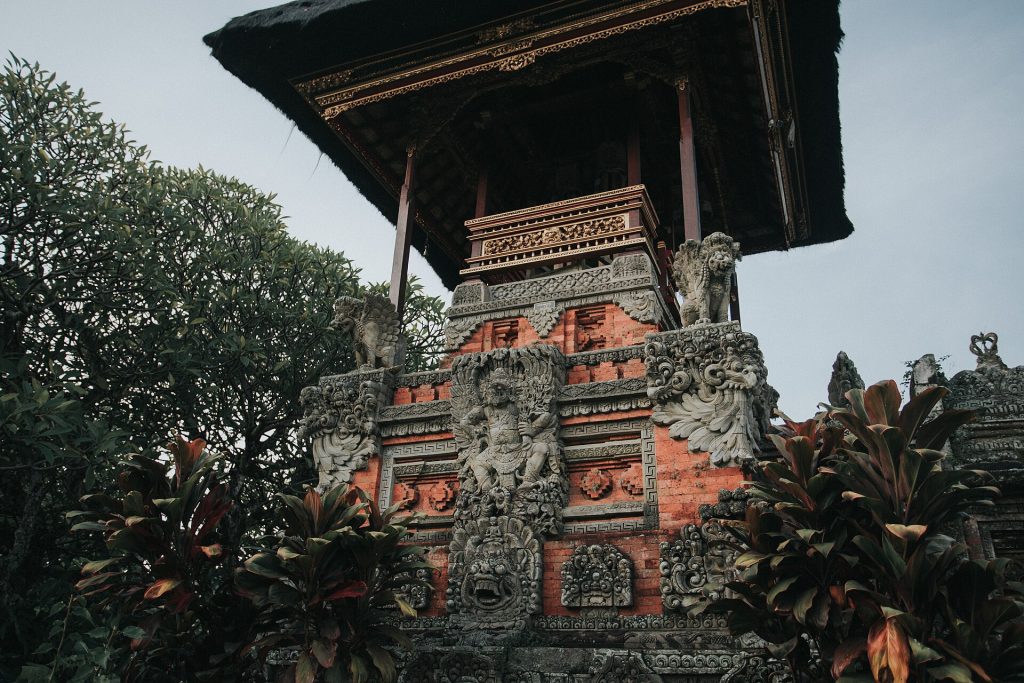
Check local requirements before entering a temple, including clothing, ceremonies and areas closed to visitors. A sarong or sash may be required; follow staff directions rather than relying on a generic social-media guide. Photograph worshippers only with permission and never step into a ceremony for a better angle.
Use the official Indonesia tourism portal as a starting point, then confirm site-specific hours and rules locally. Choose licensed operators for activities, carry refillable water where safe and dispose of waste responsibly. Bali becomes more interesting when your itinerary leaves time for a neighborhood meal, a conversation with a local guide and a return to a place you enjoyed, rather than chasing every famous viewpoint in one exhausting loop.
Make transport part of the plan
Arrange longer transfers in daylight when possible, especially on unfamiliar mountain roads. Choose a driver or operator with clear terms, and agree on stops before departure. For short journeys, walking may be pleasant in some villages but unsafe on roads without pavements. Check local advice instead of assuming a map’s shortest route is pedestrian-friendly. If the weather disrupts an outdoor day, galleries, cooking classes or a long meal can offer a more comfortable alternative.

Build a route around place, not a social-media image
Bali’s UNESCO-listed cultural landscape connects water temples, rice terraces and the subak irrigation system. That context changes a terrace visit: it is part of working agriculture and community practice, not a set built for photography. Choose one area to explore with a local guide and ask which paths are open to visitors. Keep off planted fields and pay any locally posted access fee.
Prepare for temple etiquette
Use the official Indonesia tourism portal for regional orientation, then check the individual temple’s current rules for clothing, ceremonies and photography. A temple may restrict entry during worship or for specific visitors. Ask before photographing people and never step over an offering. If a ceremony is underway, observing quietly from a permitted area is better than interrupting it for a closer image.
Check the visitor levy and travel time
The Bali government’s Love Bali FAQ explains its foreign-visitor levy and official payment process. Confirm the current rule and exemptions before arrival; do not rely on an old price in a blog. Road travel can be slow, so split nights by region if your interests are far apart rather than promising several distant sites in one day.
For a rice-landscape visit, ask whether your guide or entrance fee benefits the people maintaining the fields and paths. That question makes the cultural landscape more concrete than a promise of an empty viewpoint.


The conversation
Join the discussion
Have a useful tip or a question about this journey? Share it with fellow readers. Please keep comments respectful and relevant.