
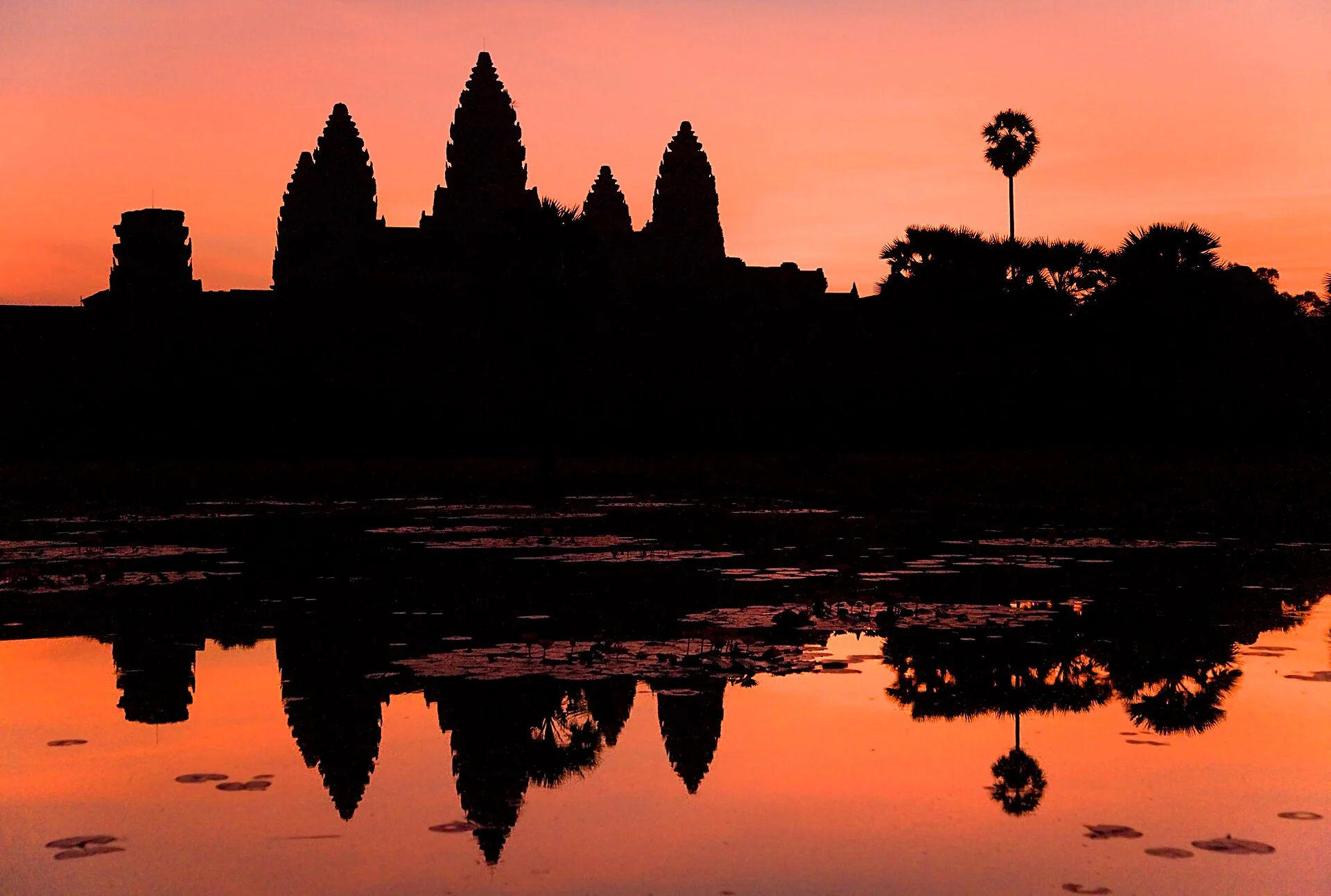
Siem Reap is the gateway to Angkor, but the archaeological park deserves more than a rushed sunrise. Its monuments span a large landscape and represent different periods, purposes and forms of Khmer art. Three measured days allow you to see the landmarks while still paying attention to the details and to the people who care for them.
Build a realistic route
Use the first day for Angkor Wat and a small number of nearby sites. On the second, consider Bayon and the wider Angkor Thom area, then continue only if energy and weather permit. Reserve a third day for temples farther apart or for returning to a place you want to understand better. The official Angkor Enterprise site explains pass options and circuits; check it directly before purchasing because procedures may change.
A licensed guide can turn carvings, water systems and successive building phases into a coherent story. If traveling independently, read reliable background before arrival and allow time for interpretation signs. The UNESCO World Heritage listing provides a concise historical frame.
Respect a sacred and fragile place
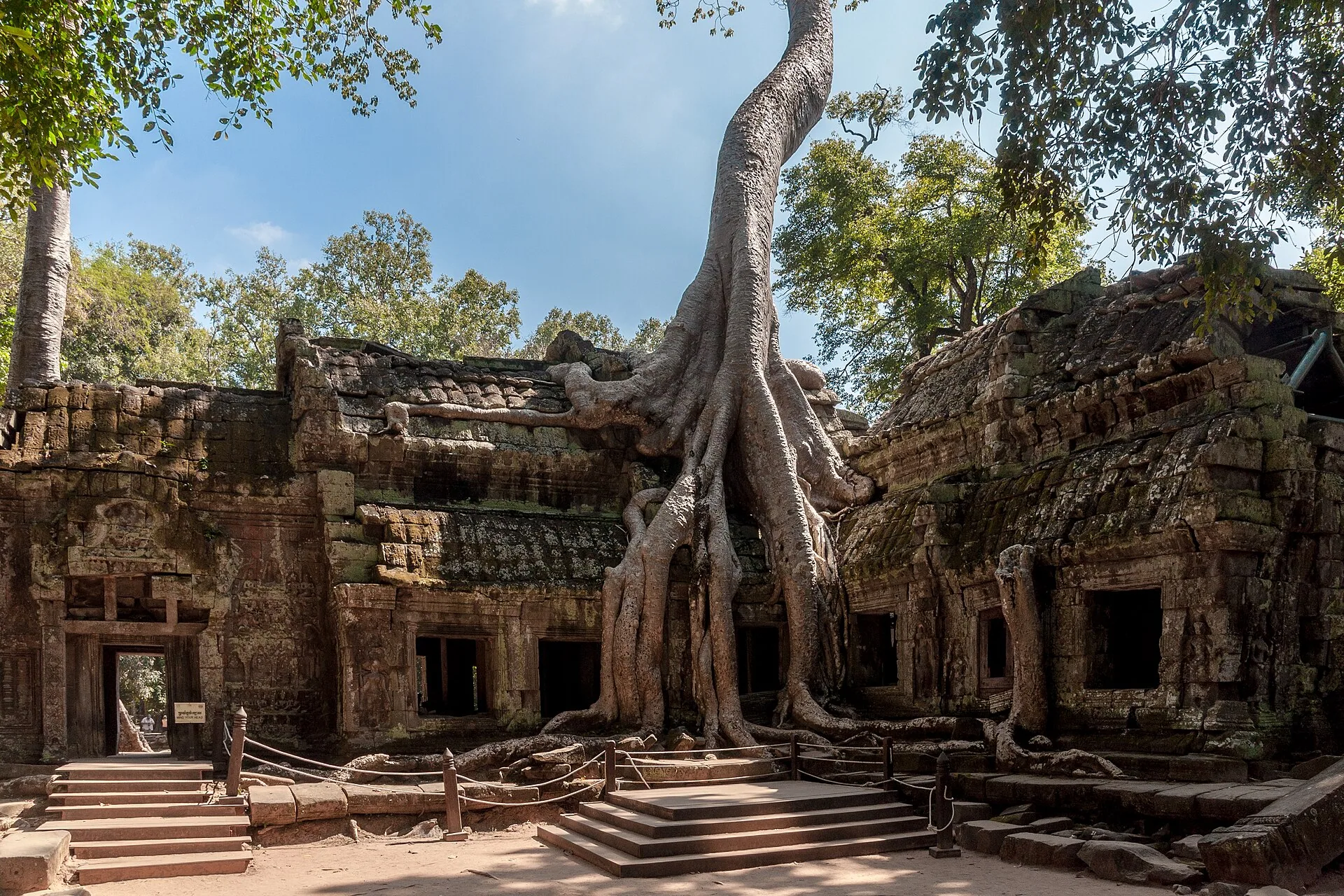
Angkor remains spiritually significant. The official visitor code requires suitable clothing at sacred places, prohibits touching carvings and asks visitors to avoid restricted areas. Do not climb unstable stone or stage photographs that interfere with worship. Ask permission before photographing monks or residents, and never give money or sweets to children at the site.
Heat and walking distances can be demanding. Bring water, take shaded breaks and avoid packing every hour with a monument. In the evenings, explore Siem Reap’s food and craft scene with the same care: choose businesses that credit local makers and make room for a quieter meal away from the busiest streets. The result is a visit with more context and less fatigue.
Practical pacing
Distances between temples are substantial. Decide on transport before the first morning and agree on a route and price with your driver where applicable. A sunrise visit is optional; it can be beautiful, but it also means an early start and busy viewpoints. Midmorning and late afternoon light can be rewarding too. Keep one flexible block in the itinerary for rain, fatigue or a museum visit, and check conservation notices before entering less-visited structures.
Give each Angkor day a purpose
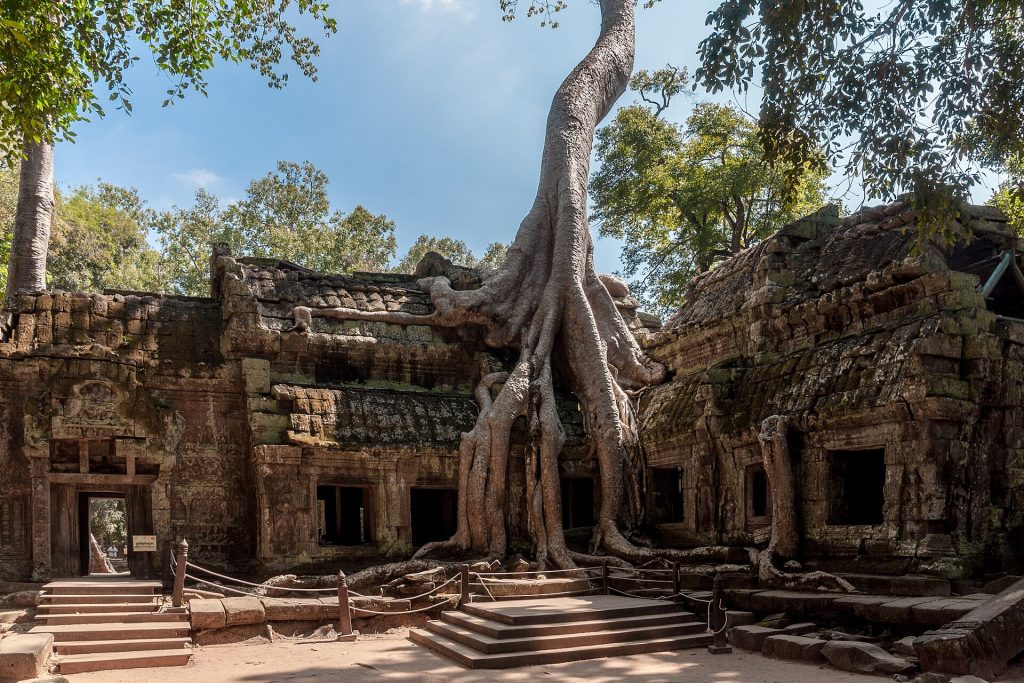
The official Angkor Enterprise ticket site describes one-, three- and seven-day passes and explains which circuits can fit a longer visit. For three days, devote one day to major temples, one to a different circuit and one to revisiting a site at a slower pace or exploring Siem Reap beyond the park. Verify pass validity and current entry arrangements before buying; a longer pass is useful only if you will actually spend those days inside the site.
Prepare for heat and sacred spaces
Angkor’s visitor code prohibits touching carvings, climbing fragile stone and entering restricted areas. It requires respectful dress at sacred sites and asks visitors to request permission before photographing monks. Build water and shade breaks into the day. A guide who explains Khmer history and living religious use can make fewer stops more valuable than another rushed circuit.
Buy from the authorized channel
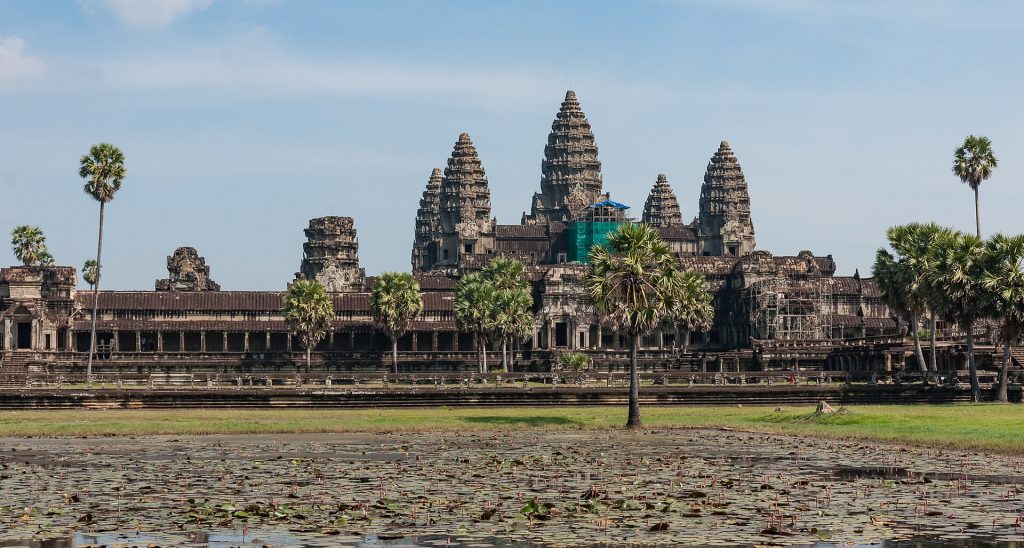
The official ticket platform lists its purchase options; check the current method and keep your pass available at checkpoints. The UNESCO World Heritage description places the monuments in a wider historic landscape. Read that context before arrival so the itinerary is about more than sunrise photographs. Avoid giving money or sweets to children at temple approaches, as the visitor code specifically discourages it.



The conversation
Join the discussion
Have a useful tip or a question about this journey? Share it with fellow readers. Please keep comments respectful and relevant.