
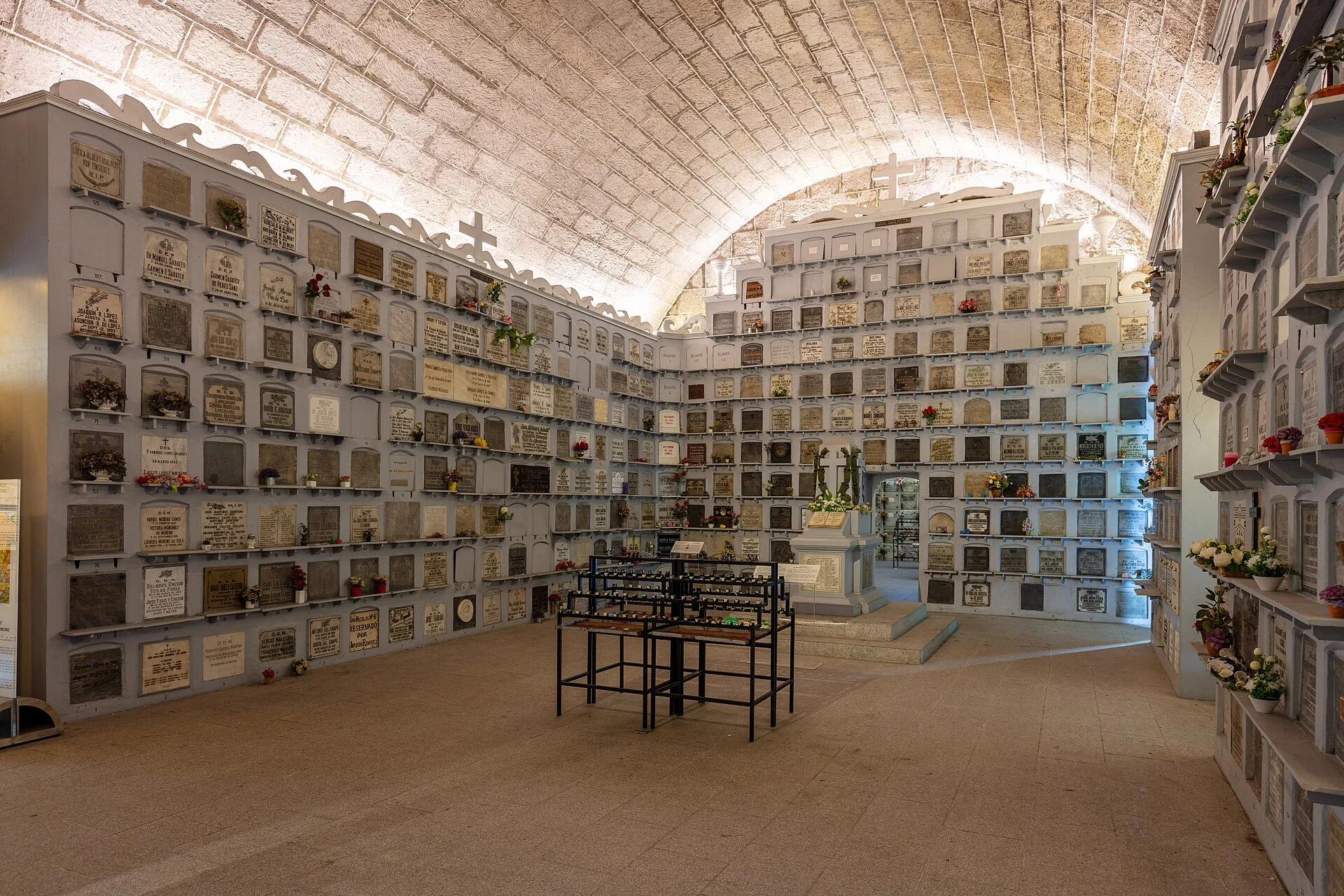
Manila is often described only through its traffic, yet a well-planned day can reveal an absorbing mix of colonial streets, national collections and contemporary city life. The key is to keep the route compact. Begin in Intramuros, pause indoors during the hottest hours and resist the temptation to cross the metropolis repeatedly.
Start inside the walls
Intramuros is a historic district with churches, plazas, fortifications and institutions still in use. Walk its public streets with attention to both the architecture and the everyday activity around it. A guide can help explain Spanish colonial history and its difficult legacies, but self-guided visitors can also use the Intramuros Administration’s website to plan a route. Check its current hours page for individual sites; opening arrangements differ.
Wear comfortable shoes and bring water, a hat and a light layer for indoor spaces. Ask before photographing residents, students or worshippers. Churches are active religious buildings, so enter quietly and respect areas reserved for prayer.
Add one museum, not five
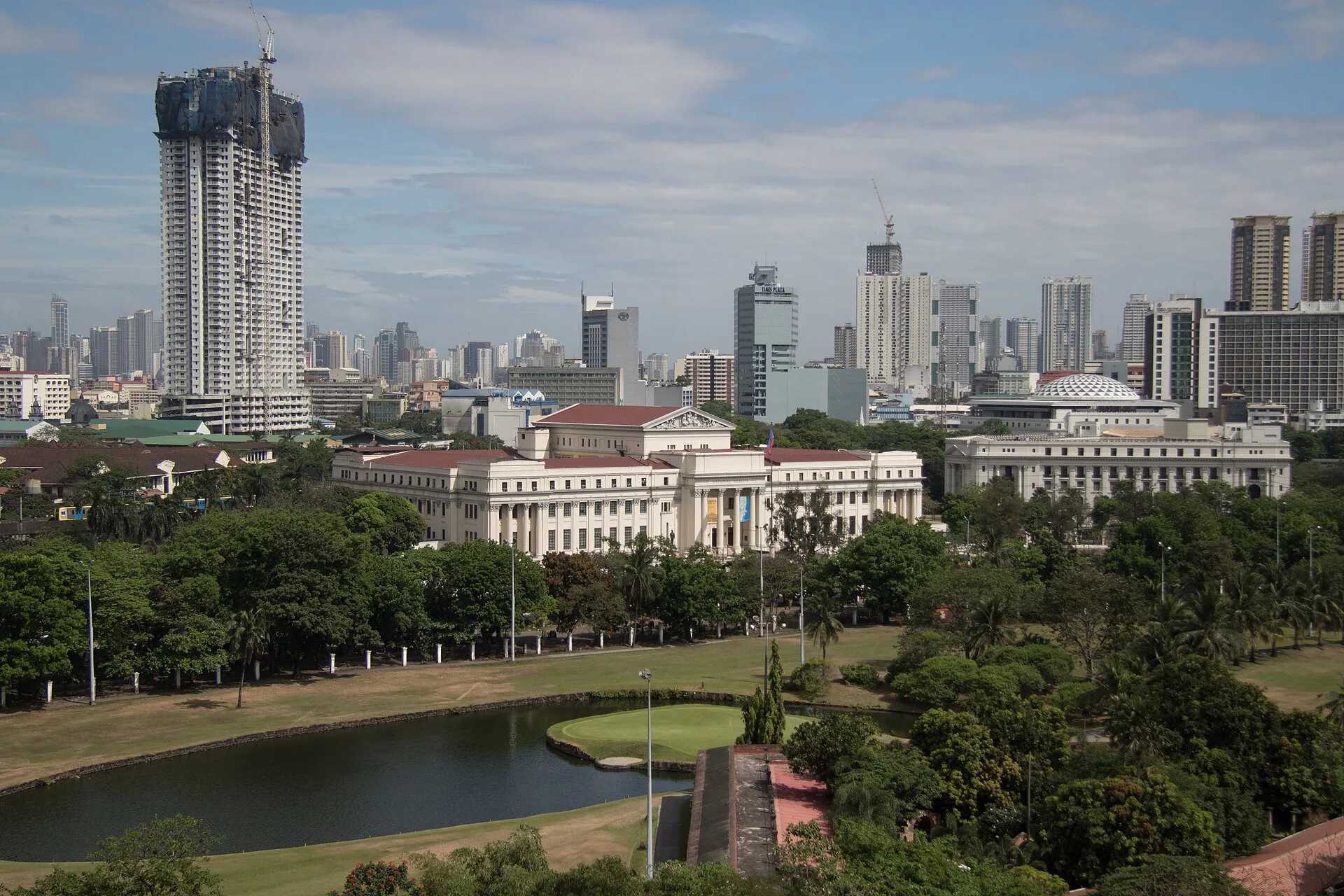
After lunch, choose a branch of the National Museum of the Philippines that matches your interests. Its collections offer a broader account of the country than a single neighborhood can provide. Verify current exhibition and entry information before setting out. If you have another day, explore a different district with a specific focus on food, contemporary art or architecture rather than adding a distant stop to the same afternoon.
Build generous time around every transfer. Use reputable transport options and consult local guidance for current routes. Manila is best approached as a living capital, not simply a gateway to the islands: a compact, curious itinerary makes its complexity visible without turning the day into a race across the map.
Allow the city to set the pace
Rain and traffic can reshape a Manila day quickly. Keep a museum as an indoor option, and check whether a holiday or religious event changes access to the sites you hope to see. If your onward flight or ferry leaves the same day, avoid scheduling a major sight immediately beforehand. The city has enough depth to justify a separate visit, so there is little value in turning its historic core into a hurried airport transfer.
Read Intramuros as a lived historical district
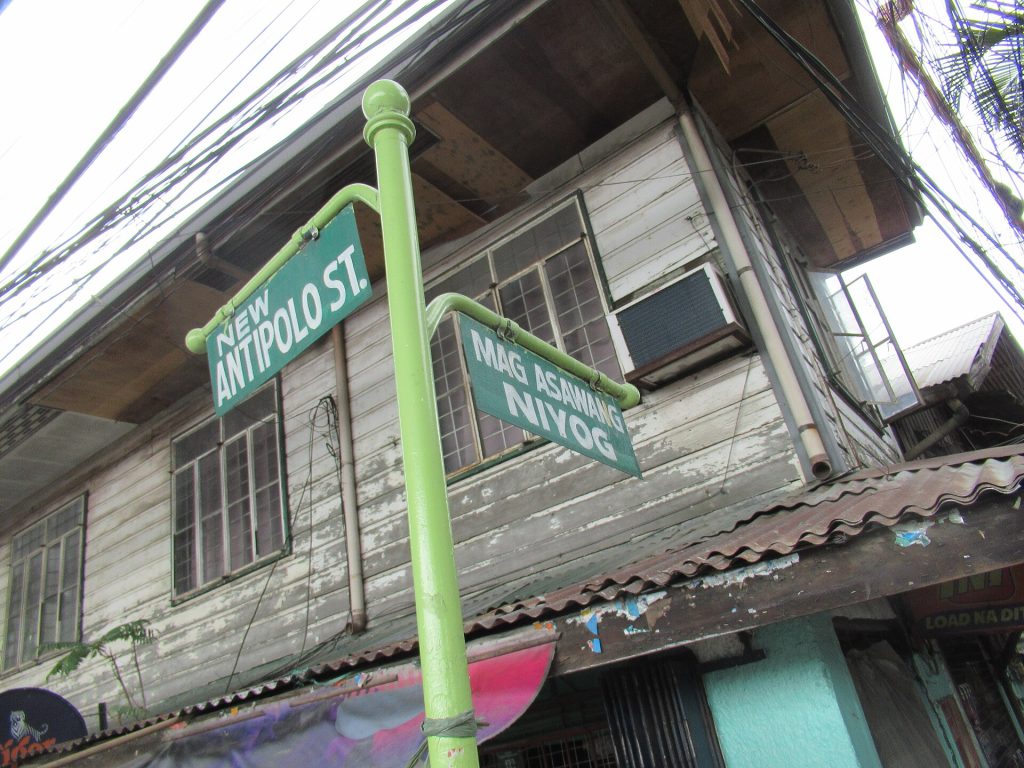
The Intramuros Administration provides the official starting point for the walled district. Rather than moving straight from one photo stop to another, choose a fortification, a church or museum, and a stretch of street to understand how the colonial city was built and later changed. Historical interpretation should include Filipino lives and the destruction and rebuilding associated with World War II, not just architectural style.
Check sites separately
Use the administration’s current hours page before choosing an early or late route. A district can be open while a museum, fort or church has its own schedule or event. The National Museum offers a complementary perspective on art, archaeology and history; give it a separate block of time instead of squeezing it into a hot midday dash.
Make the walk comfortable
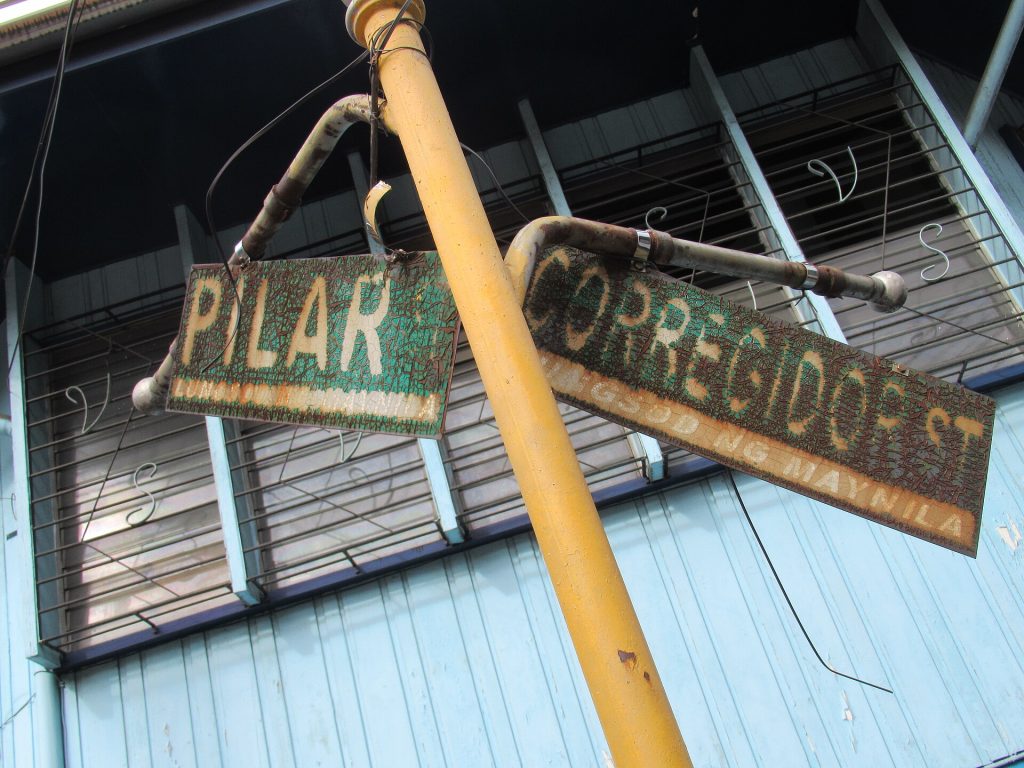
Manila heat and sudden rain can make a short map route tiring. Carry water, plan indoor breaks and cross busy roads at designated points. Use a legitimate transport option for the move between Intramuros and another district, and confirm venue access if mobility is limited. A compact, well-explained walk will teach more than a long list of gates.
If you hire a guide, ask how the walk addresses Filipino perspectives and the wartime history of the district. A route that connects buildings to people is more informative than one that lists colonial dates alone.



The conversation
Join the discussion
Have a useful tip or a question about this journey? Share it with fellow readers. Please keep comments respectful and relevant.