
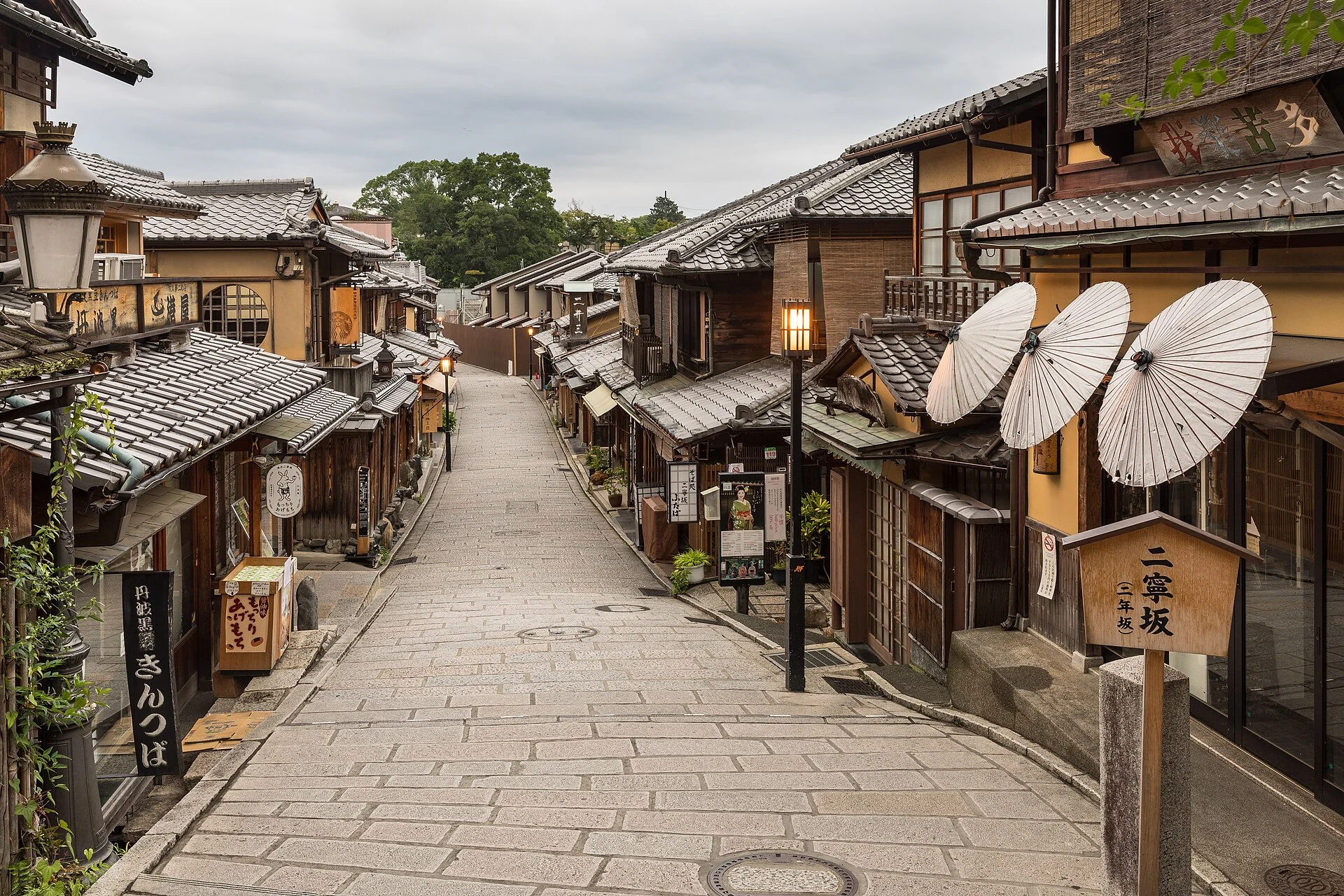
Kyoto rewards travelers who slow down. A dense list of famous temples can leave you seeing gates and queues without understanding the neighborhoods between them. Plan one part of the city at a time, then use the streets, shops and public spaces to connect its celebrated sites.
East Kyoto on foot
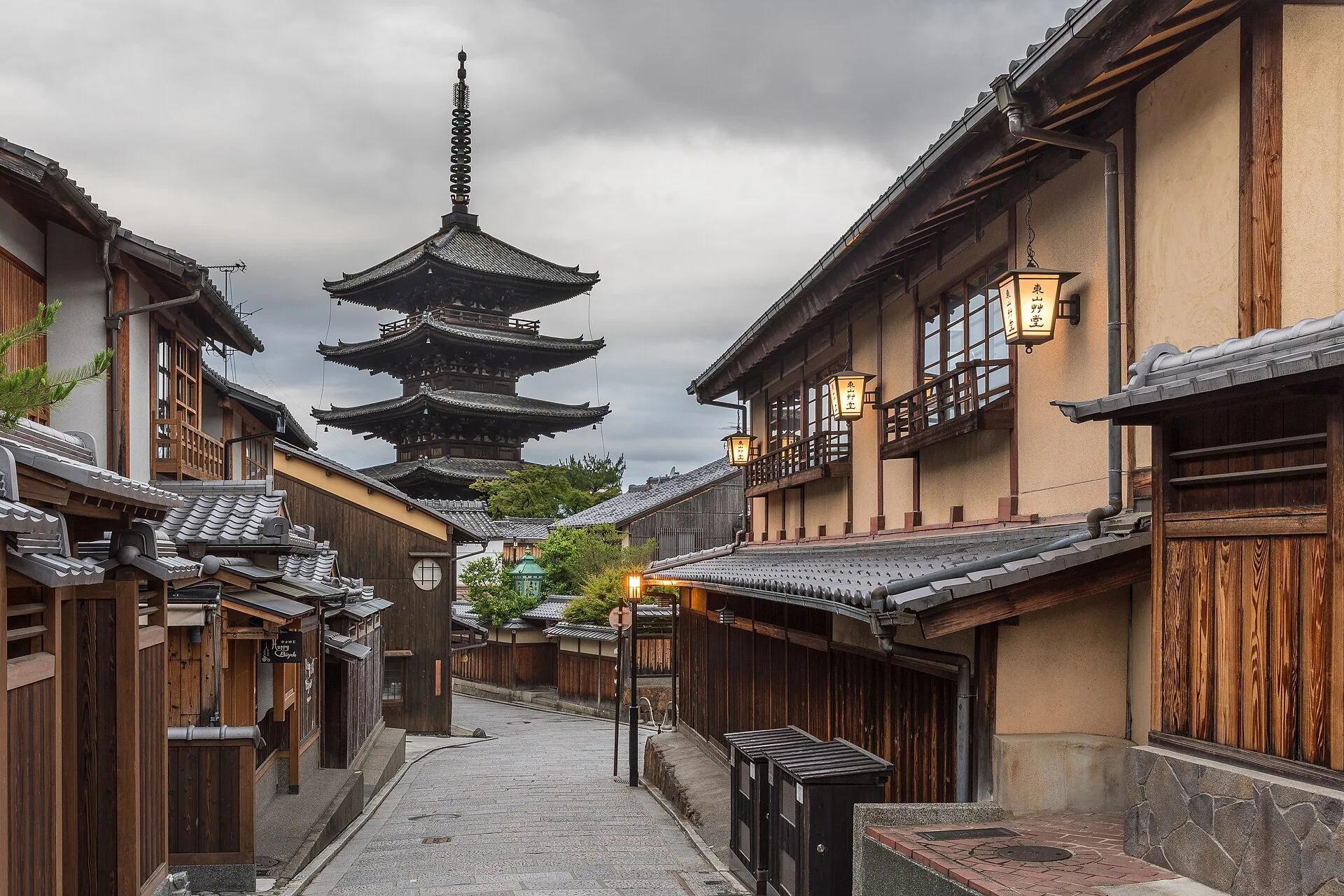
Set aside a morning for Higashiyama. Its lanes, temple approaches and traditional buildings are most satisfying when you walk at a considerate pace. Choose one or two sites whose history interests you, then allow time to look beyond the main entrances. Many streets are residential or support working businesses. Keep to public routes, do not block doorways for photographs and respect signs around private property.
A midday pause in a neighborhood café or small restaurant is useful, particularly in warm weather. Check whether a venue accepts reservations or cash, and avoid assuming every historic building is open to visitors. Kyoto’s heritage is a living city, not an outdoor museum.
Arashiyama with more space
On a second day, travel to Saga and Arashiyama. The bamboo grove and Togetsu-kyo Bridge attract the largest crowds, but the wider area offers quieter walking routes. The Kyoto City tourism guide specifically points visitors toward Okusaga beyond the headline viewpoints. Choose a route that matches your mobility and the weather, and leave enough daylight for the return journey.
Public transport is usually a better choice than moving between distant districts by car. Follow local rules on eating while walking, waste disposal and photographing people. Seasonal foliage and blossom periods can bring heavy demand, so book accommodation early while keeping daily plans flexible. The most memorable Kyoto itinerary is often modest: a carefully chosen temple, a long neighborhood walk and time to notice how the city functions today.
When the lanes are busy
If a path is crowded, continue walking and return later instead of stopping in a narrow passage for the same photograph as everyone else. Avoid geotagging secluded residential alleys as if they were attractions. Kyoto’s official visitor information offers seasonal notices and guidance on considerate behavior. Read it before each day, especially during festivals or peak foliage periods, when access rules and crowd management may be different from an ordinary week.
Choose one area for each half-day
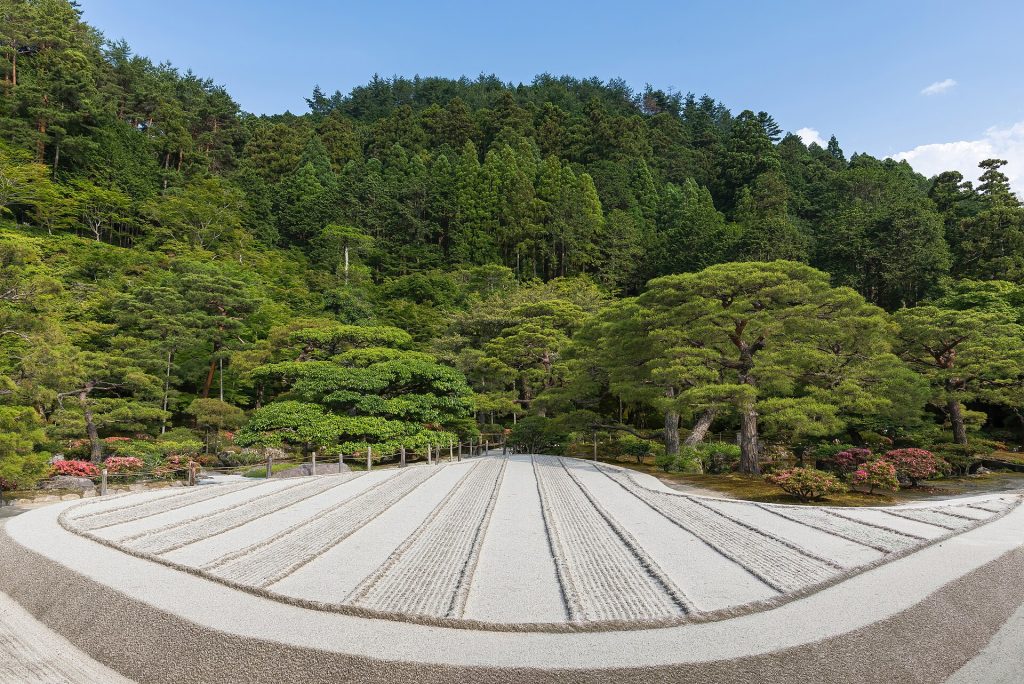
Kyoto rewards short, connected walks more than a race between monuments. The city’s Saga–Arashiyama guide shows how a single district can combine landscape, streets and cultural stops. Choose one area in the morning and a second only if travel between them is simple. Reserve the quietest hour for the place you care about most, and leave time to enter a local business rather than treating every street as a backdrop.
Follow the city’s current etiquette
Kyoto’s 2026 visitor guidance asks people not to follow or photograph geiko and maiko without permission, enter private property or obstruct streets. It also notes photo restrictions in some places. A signed lane is more authoritative than a popular map pin. This matters most in residential Gion, where people live and work alongside the tourist route.
Use crowd information before departing
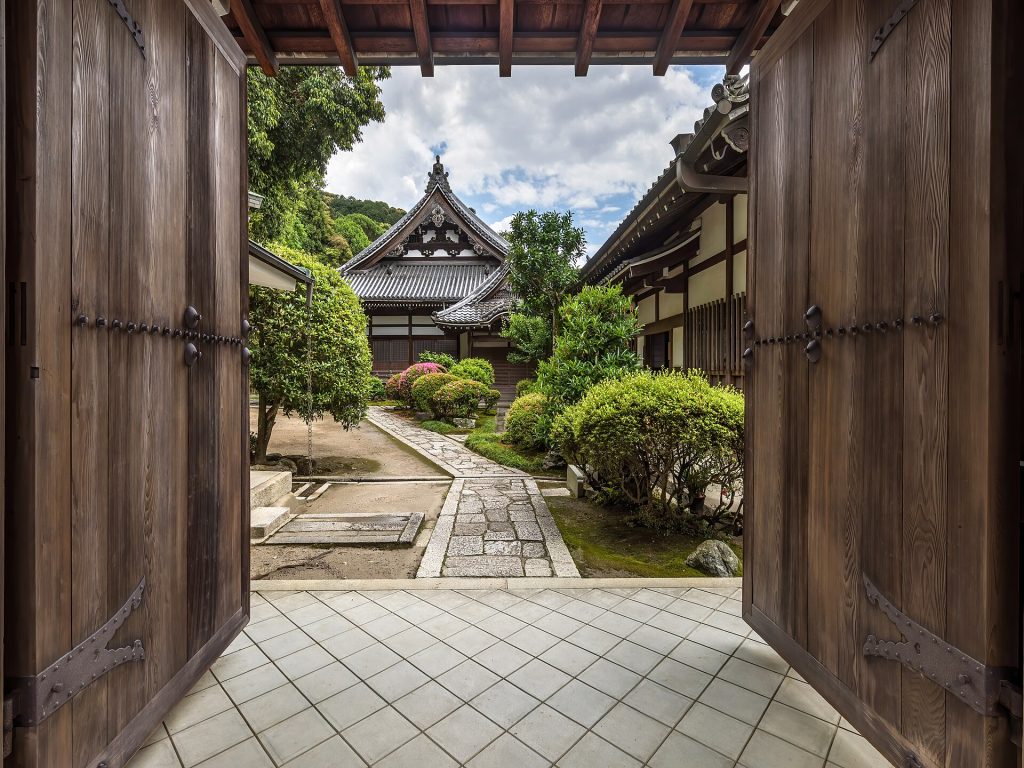
The official congestion forecast can help decide when to visit busy areas or choose a quieter alternative. Check temple opening hours individually; they are not synchronized. A nearby rail or subway station can often be a calmer approach than joining a crowded bus for the entire journey.
A neighborhood plan also gives you a fallback when a famous site is overwhelmed: spend the time at a local museum, garden or small shop with posted visitor access, then return later if conditions improve.


The conversation
Join the discussion
Have a useful tip or a question about this journey? Share it with fellow readers. Please keep comments respectful and relevant.