
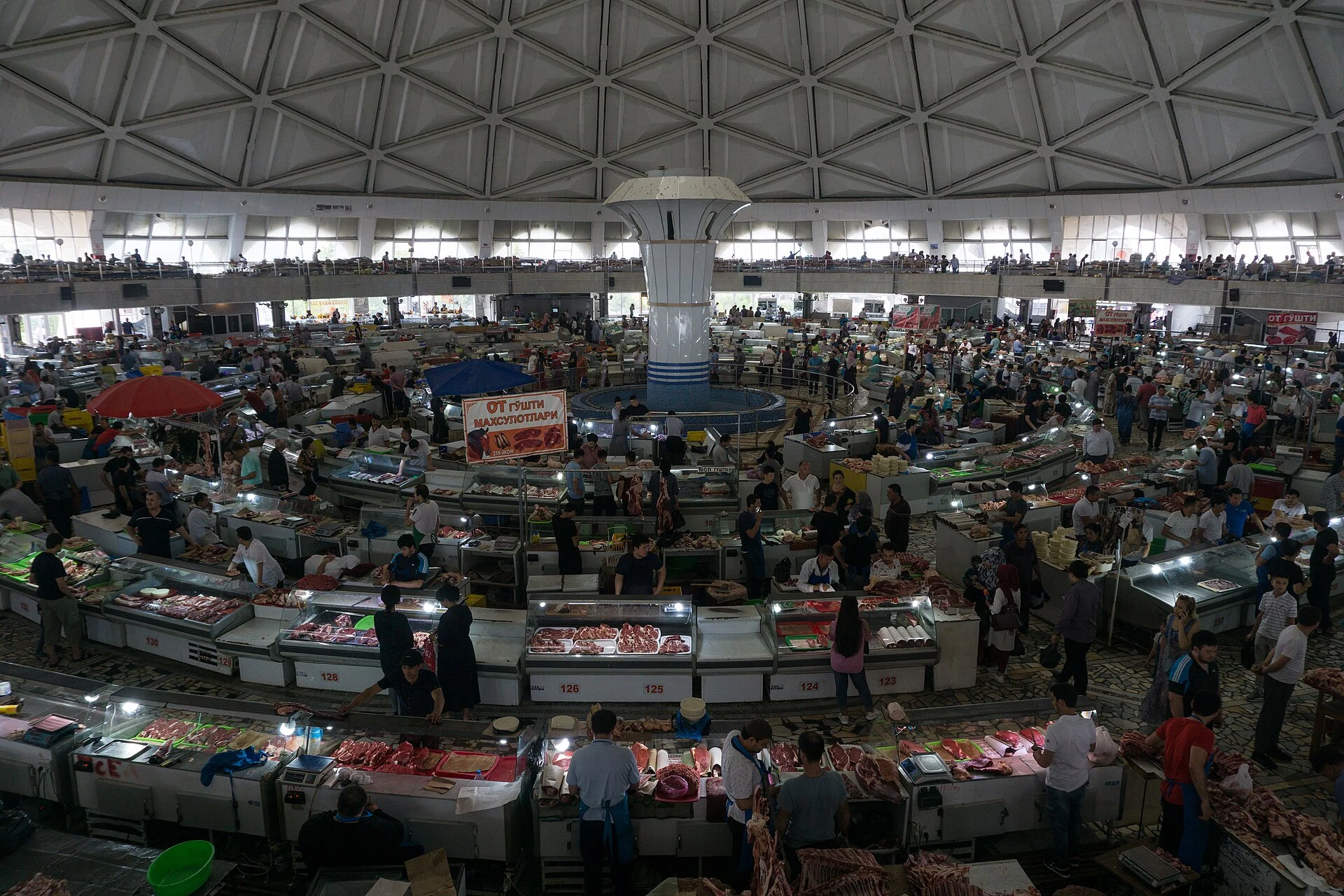
Tashkent is often treated as a connection on the way to Samarkand, yet Uzbekistan’s capital is worth at least two unhurried days. Broad avenues, metro stations, neighborhood food stalls and older religious sites reveal different chapters of the city. The best approach is to choose a few compact areas each day and leave room for everyday encounters.
Day one: old Tashkent and Chorsu
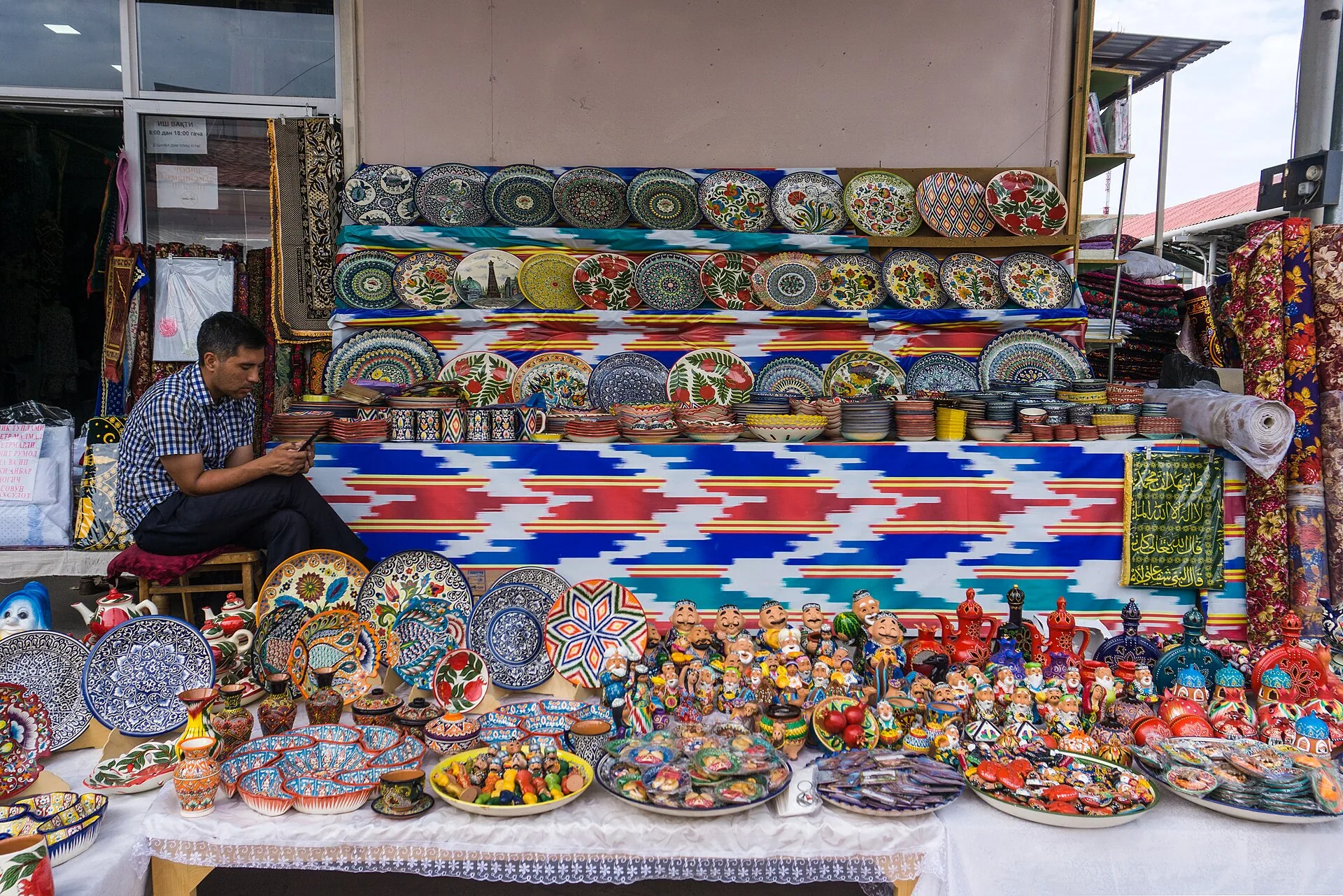
Start near Chorsu Bazaar, where produce, bread and household goods make the city feel lived in rather than staged for visitors. Observe before photographing vendors and ask permission for portraits. Nearby, explore the older streets and the Khast Imam area with appropriate dress and quiet conduct at active religious sites. The architecture is a reason to visit, but so is the chance to understand that these places continue to serve local communities.
Try Uzbek dishes at a well-frequented café rather than choosing a restaurant solely by its English menu. Plov is the familiar introduction; samsa and fresh bread make easy additions. Food availability changes throughout the day, so eat when a place is busy and accept that the most popular dishes may sell out.
Day two: the city below ground
Use the metro for a practical cross-city journey and pause to notice the design of its stations. It is public transport first, so stand clear of doors and follow current photography rules. Surface between stops for parks, museums or a café rather than racing through every station. This makes the trip a city experience, not a checklist of platforms.
Spring and autumn often suit long walks, but weather varies and summer heat can be strong. Carry drinking water and plan indoor breaks. Verify entry rules, train schedules and museum hours close to travel. The official Uzbekistan tourism guide to Tashkent is a useful starting point. Give the capital breathing room before boarding the intercity train: the extra day makes Uzbekistan’s celebrated historic cities richer by providing a contemporary frame.
Making the connections work
Use a central base for the first visit so that the market, museums and metro can be reached without long transfers. If you plan to continue to Samarkand or Bukhara, check train tickets through official rail channels and allow a generous margin between checkout and departure. Currency and payment acceptance differ between small stalls and larger venues; keep an appropriate local payment option. A few basic Uzbek greetings can make everyday exchanges easier.
Choose a two-day shape that leaves room for transit
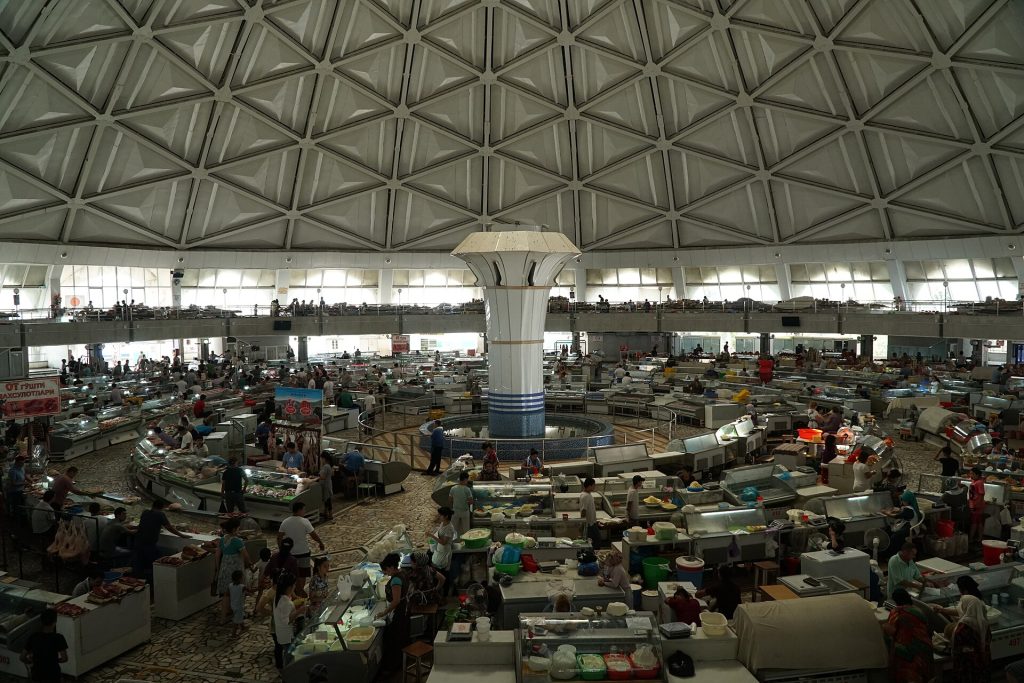
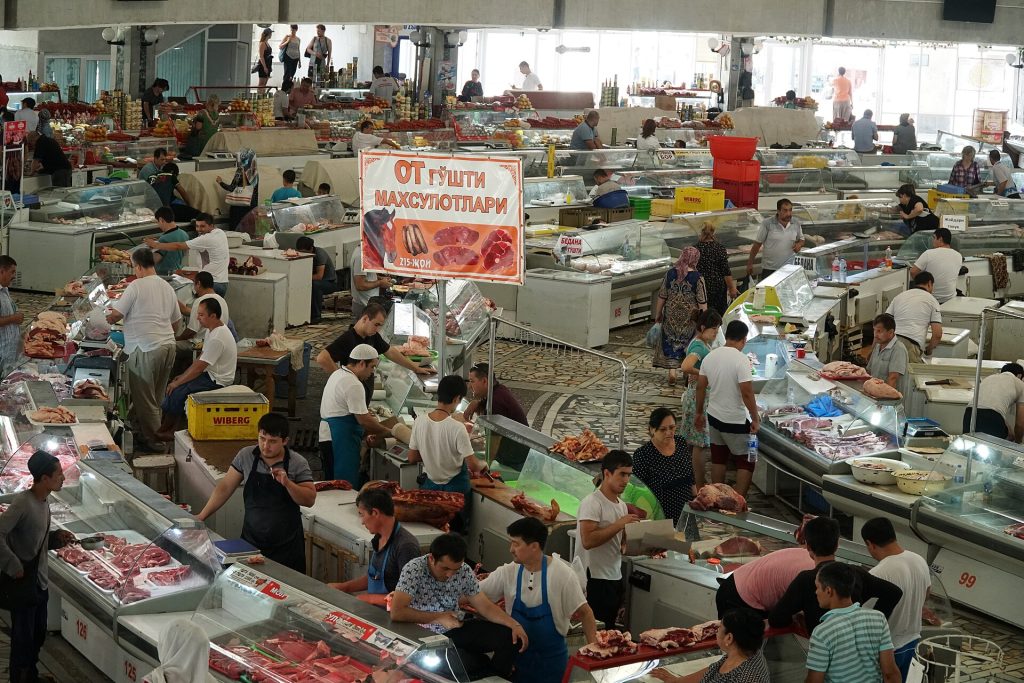
Uzbekistan’s tourism portal presents Tashkent as a city of markets, older religious areas and modern public spaces. Put Chorsu and the Khast Imam area on one day and use the second for the metro and a museum. This avoids crossing the city repeatedly. At Chorsu, it is better to buy a snack, watch trade respectfully and ask before taking portraits than to treat vendors as a display.
Use the metro as transport first
The decorated stations are part of the attraction, but a metro trip still belongs to its commuters. Plan actual journeys between chosen neighborhoods; do not stop in doorways for photographs. Check local signs for any station-specific photography restrictions and current operating hours. The tourism portal’s planning information is a starting point, while the station and operator should settle a same-day rule.
Protect the onward connection
If Tashkent is your first stop before Samarkand, leave a generous margin between checkout, traffic and your train. Purchase rail tickets through the current official channel and confirm the station named on the ticket. A two-day stay gives the capital its own place in the trip rather than reducing it to an airport transfer.
For the first evening, stay near the area where you will start the next morning. That reduces a cross-city transfer and gives more time for an unhurried breakfast before a museum or market visit.



The conversation
Join the discussion
Have a useful tip or a question about this journey? Share it with fellow readers. Please keep comments respectful and relevant.