
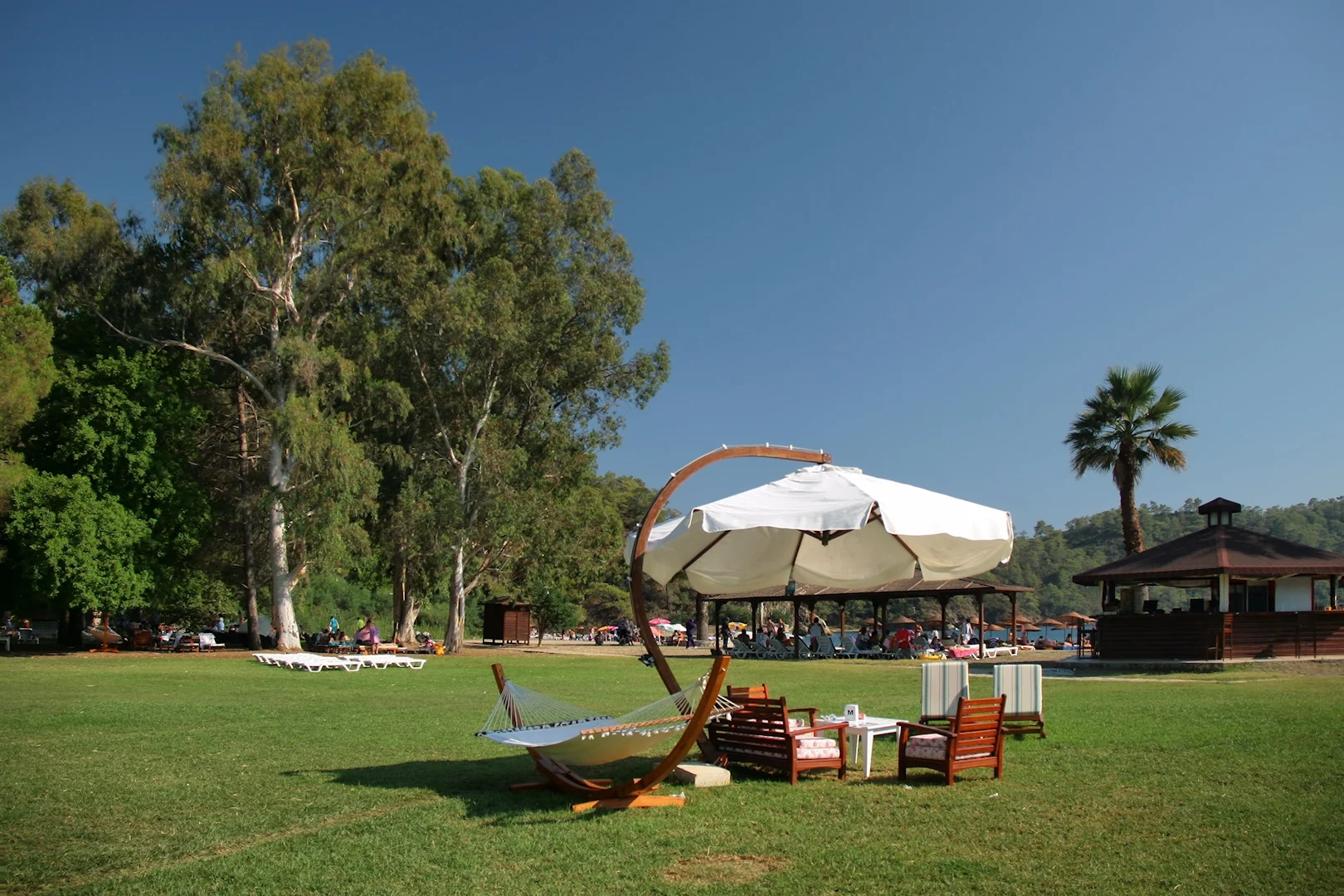
Between Fethiye and Göcek, Günlüklü Bay offers a different rhythm from the region’s larger resort beaches. The draw is the meeting of shaded woodland and clear coastal water: a place to spend hours rather than tick off a viewpoint. It works best as a gentle day trip, especially if your wider itinerary already includes boat journeys or the busier beaches around Ölüdeniz.
Plan a day around the landscape
Arrive with time to walk through the trees before settling by the water. The area is associated with sweetgum woodland, so the shade and the approach are part of the visit. Bring water, sun protection and footwear that can handle natural paths and a beach surface. Conditions and access arrangements can change by season; confirm the current entrance rules locally rather than relying on an old blog’s opening times or fees.
A short swim, a picnic and a slow afternoon make more sense here than an ambitious activity list. If you want to explore farther, combine the bay with a separate stop in Göcek or Fethiye, leaving enough time for the return journey. Avoid scheduling several distant coves in a single day: the coast looks compact on a map, but road travel and summer traffic can consume the time you meant to spend outside.
Travel with a lighter footprint
Stay on established paths, keep all litter with you until you find a proper bin and avoid damaging roots or collecting plants. Use reef-conscious habits when swimming: do not feed wildlife, and keep distance from any sensitive shoreline habitat. A reusable bottle and a small bag for waste are more useful than elaborate beach gear.
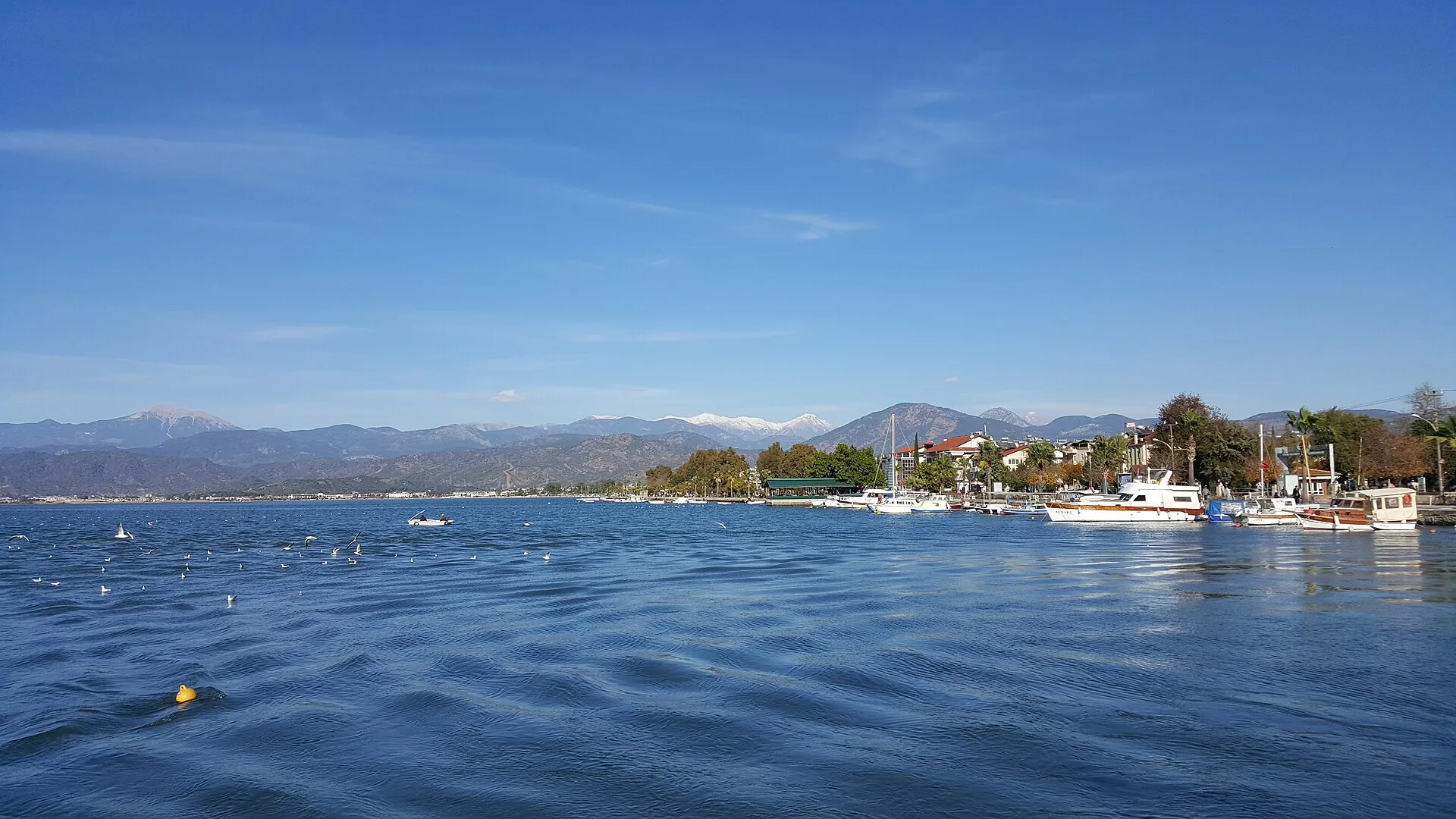
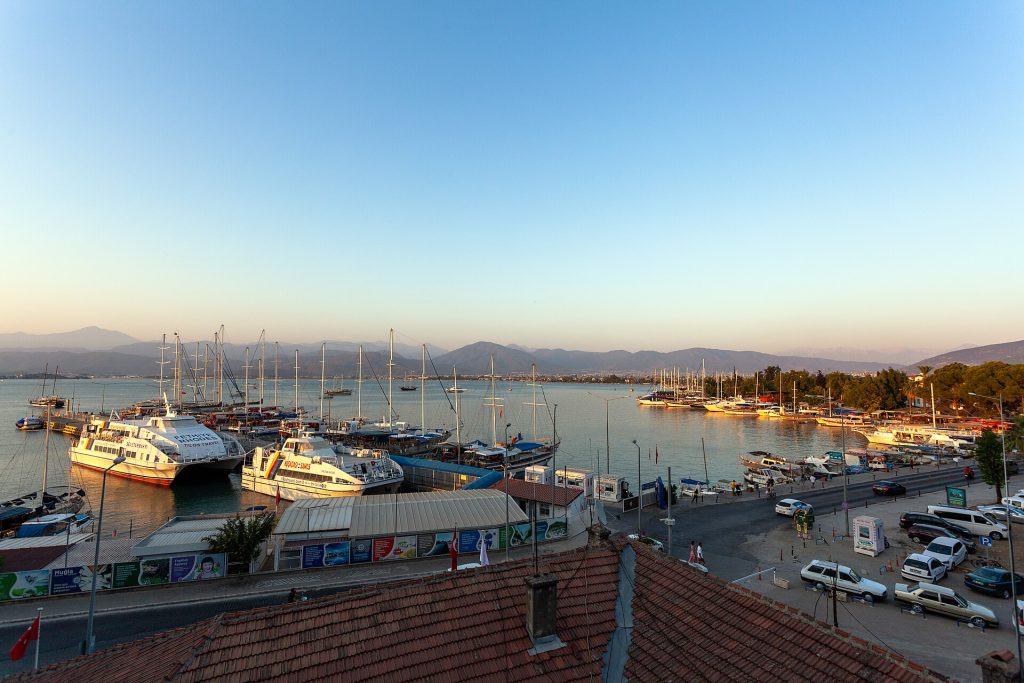
For a fuller Fethiye stay, reserve another day for the old town, local markets or a licensed boat excursion. Günlüklü Bay is most rewarding when treated as a quiet landscape in its own right. Check GoTürkiye’s Fethiye guide for regional orientation and verify transport and site access just before departure.
Before you set out
Check the weather and sea conditions on the morning of your visit. A calm, sunny forecast does not guarantee safe swimming everywhere, especially after wind or rain. If driving, confirm the exact access road and parking arrangements with a current local source; do not assume a beach name on a map identifies the public entrance. Travelers without a car should confirm the return trip before leaving Fethiye, as coastal transport can be limited outside peak periods.
Treat Günlüklü as a day out, not a hotel review
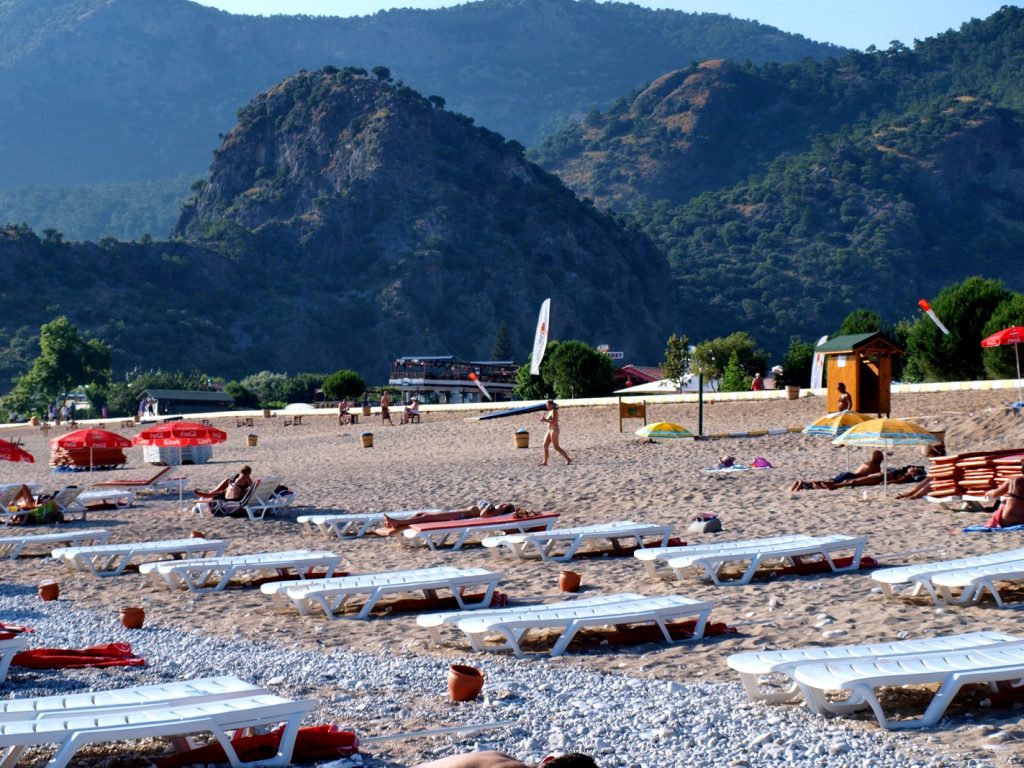
The defining feature here is the sweetgum landscape. Türkiye’s environment ministry identifies the Fethiye–Göcek protected area and its Liquidambar orientalis habitat, while a regional tourism guide names Günlüklü for its forest, beach and recreation setting. Neither source establishes a particular hotel at the bay. Choose accommodation according to the rest of your route: a Fethiye base can suit a broader town-and-coast itinerary; a Göcek base may fit a trip oriented around its marina and nearby coves. Check the actual drive and parking plan for your dates.
Build a low-pressure coastal visit
Set aside time to walk through the trees and enjoy the shore rather than making the bay a quick photo stop. Bring water, sun protection and shoes suitable for paths and beach surfaces. Facilities, charges and access rules can change, so verify them locally before departure. The official Fethiye destination portal is useful for placing the stop among other regional options, though it does not replace current on-site information.
Keep the habitat intact
Stay on established paths, take litter away, avoid damaging roots or collecting plant material, and obey any posted restrictions. A protected landscape is best described through its ecology and visitor responsibilities rather than an unverified promise of a secluded beach. If a lodging recommendation is added later, it should be based on a named, checked property with clear transport details.





The conversation
Join the discussion
Have a useful tip or a question about this journey? Share it with fellow readers. Please keep comments respectful and relevant.