
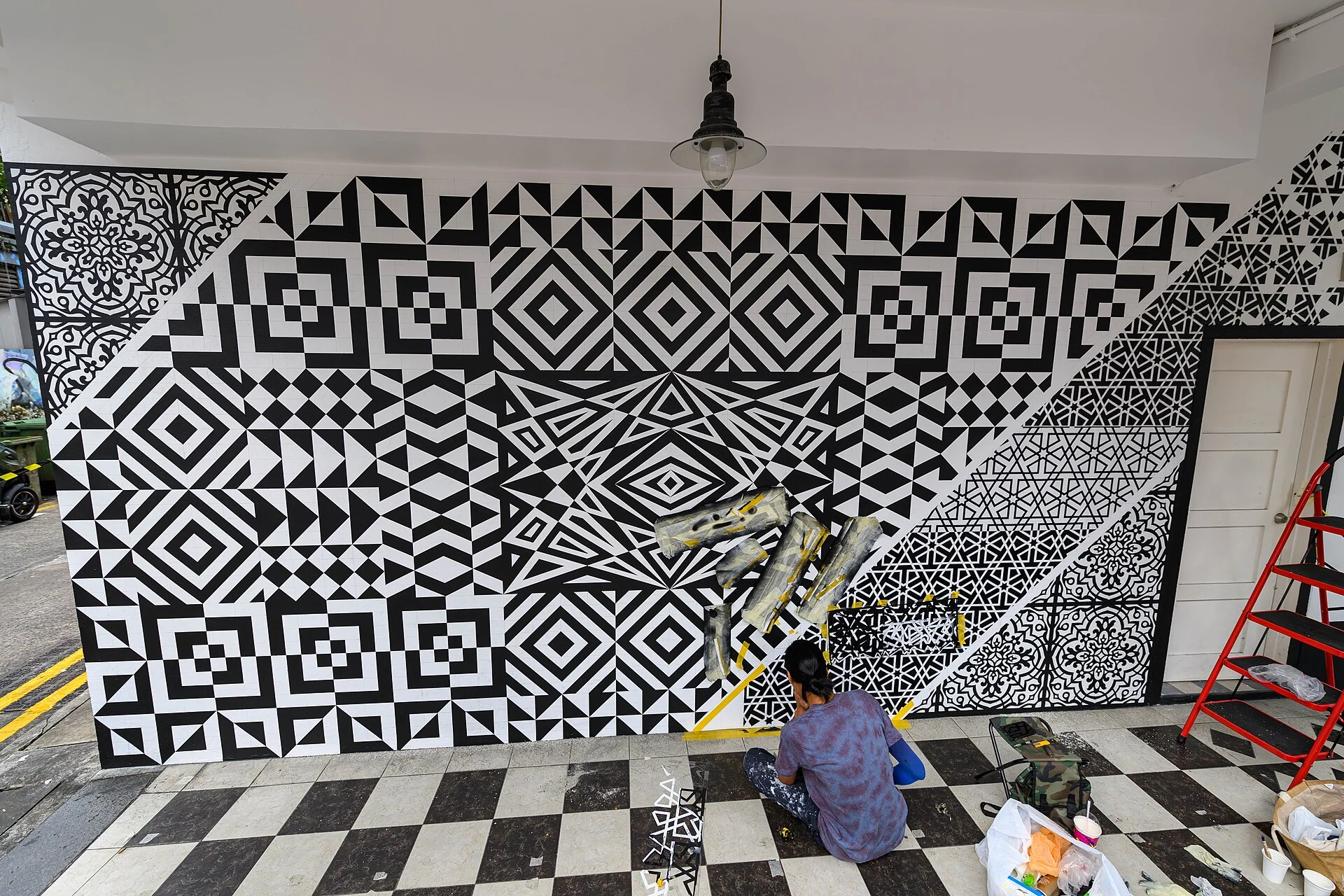
Singapore’s skyline is striking, but the city becomes more interesting at street level. Plan around neighborhoods instead of treating every landmark as a separate transfer. Its public transport makes this practical, and food stops can become part of the route rather than an afterthought.
Day one: historic streets and hawker food
Choose one or two neighboring districts, such as Chinatown and Kampong Gelam, and walk between specific cultural sites, independent shops and public spaces. Each district has active places of worship and residents going about daily life. Follow dress and photography rules, keep entrances clear and avoid reducing a complex community to colorful walls. Eat at a hawker centre, return trays where required and observe local etiquette.
Day two: green Singapore
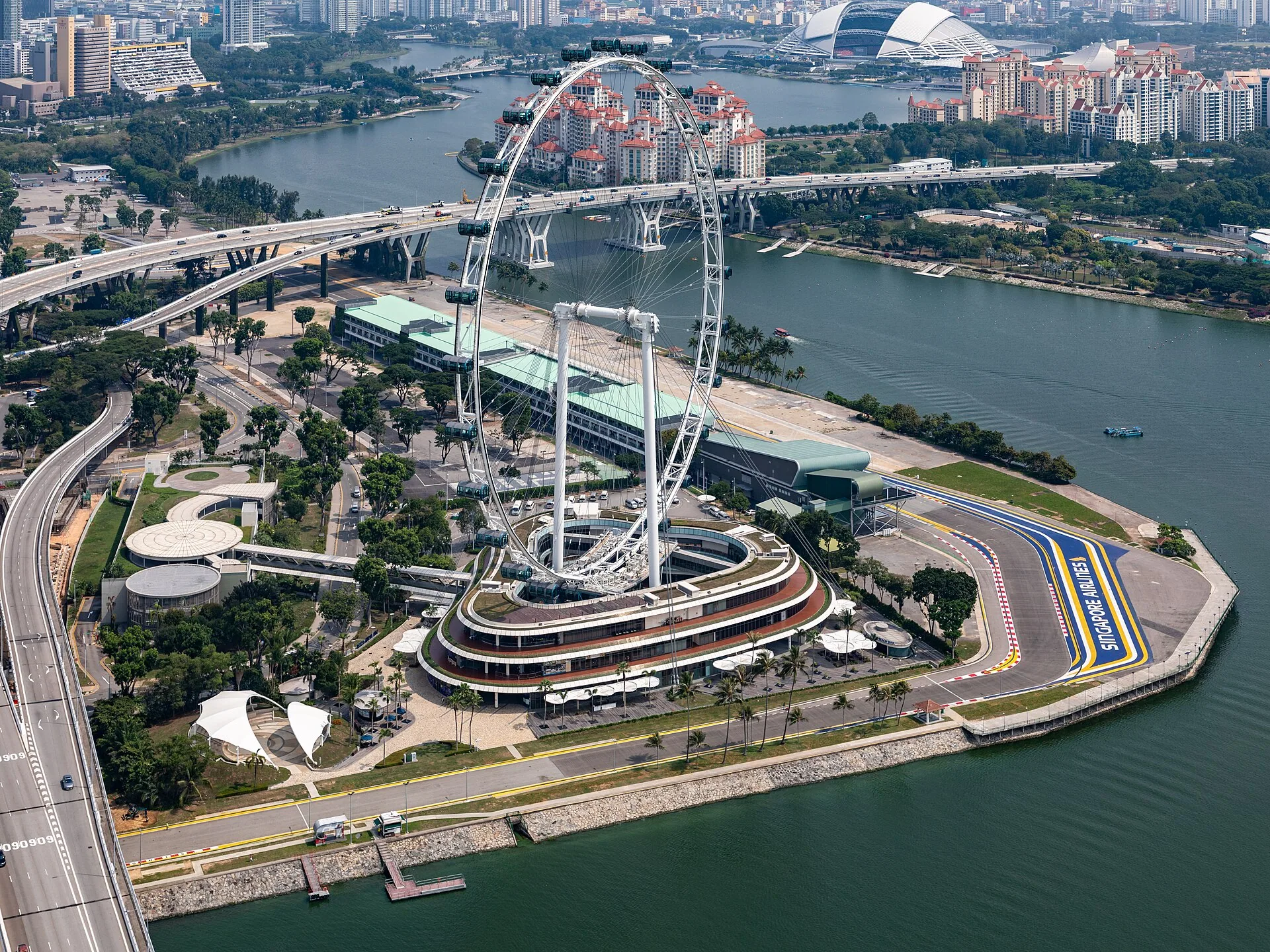
Use the National Parks Board information to select a garden or walking route suited to the weather and your mobility. Shade, rain and humidity affect how far you can comfortably go. In the evening, the Bay area shows another side of the city. Consult the official Gardens by the Bay site for current displays, accessibility and ticketing rather than copying an old schedule.
Day three: follow an interest
Spend the final day with a focused theme: contemporary art, Peranakan heritage, architecture or a neighborhood food walk. The Singapore Tourism Board’s visitor site can help identify current options. Reservations may be useful for popular museums and restaurants, but leave some space for spontaneous discoveries.
Tap-in transport, walking and occasional taxis usually cover most needs. Carry water, plan indoor breaks and check rain forecasts. Singapore is highly organized, yet a rigid minute-by-minute plan misses its best quality: the way different communities, landscapes and everyday rituals coexist within a relatively small island.
Give the route breathing room
Some museums, gardens and performance spaces need timed entry; check that before building a day around them. Singapore’s tropical rain can be sudden, so carry a compact umbrella and keep an indoor alternative nearby. Public drinking water and rest areas vary by location. Follow site rules in nature reserves, especially around wildlife, and avoid feeding animals. These small choices make the itinerary more comfortable and protect the places you came to see.
Let each day have a different street-level focus
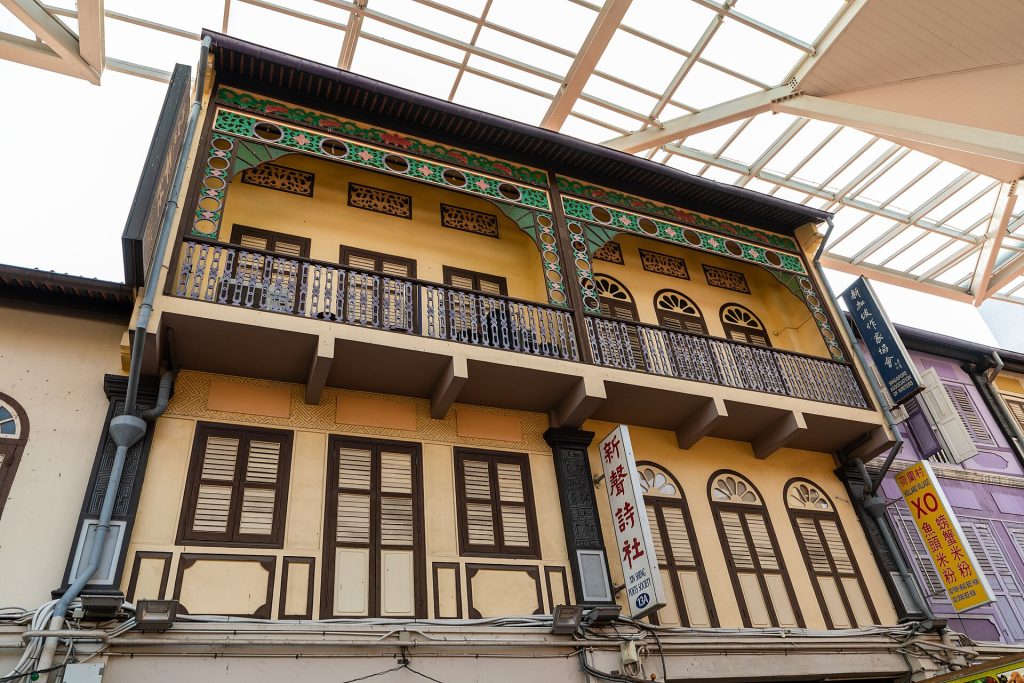
The Singapore Tourism Board introduces Chinatown, Little India and Kampong Gelam as distinct places to explore. Give each area enough time for a market, cultural site and meal instead of running between all three for photographs. These are working neighborhoods, so observe worship-site rules and ask before making portraits. A museum visit can deepen the stories behind the architecture.
Choose green time that matches the weather
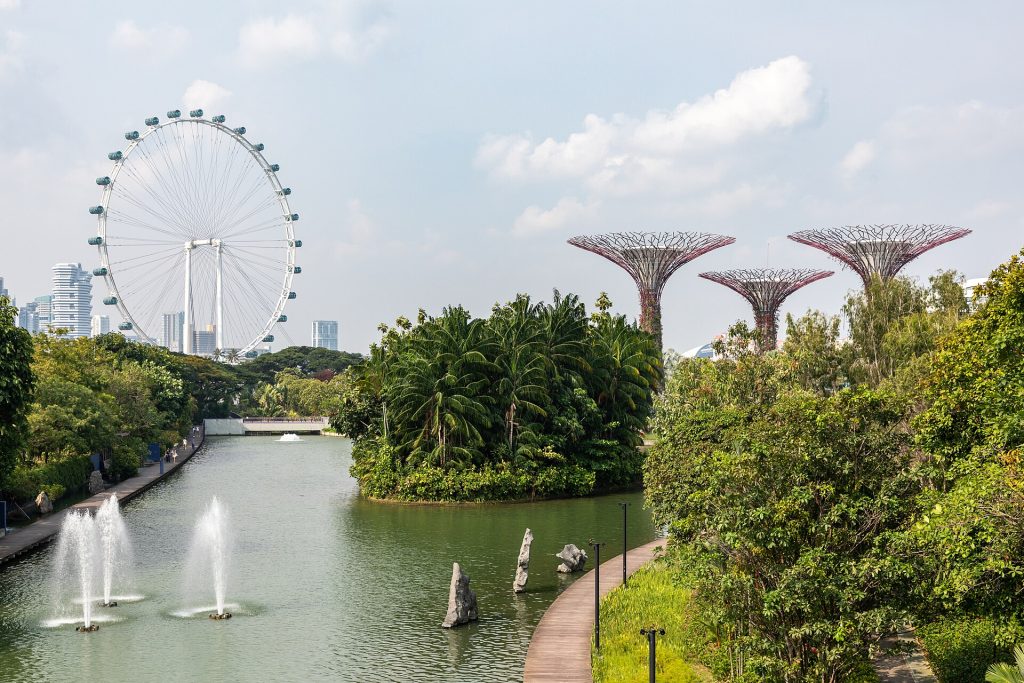
The National Parks Board publishes park and trail information. Select a green space that fits your route, check for closures and start early if heat is a concern. Gardens by the Bay has its own official attraction pages for ticketed areas and operating hours. Keep the paid conservatories and free outdoor areas distinct when budgeting.
Use public transport, but leave breathing room
The MRT makes cross-city moves possible, yet too many stops can flatten three days into a checklist. Group visits geographically and keep a rain option nearby. Check current entry charges and opening times at each venue, especially around public holidays. A good route should make it easy to return to a neighborhood for dinner rather than forcing a full-city circuit.
For a hawker meal, return your tray where required, give other diners room and check whether a stall accepts the payment method you have. These small habits make the food stop easier for everyone.



The conversation
Join the discussion
Have a useful tip or a question about this journey? Share it with fellow readers. Please keep comments respectful and relevant.