
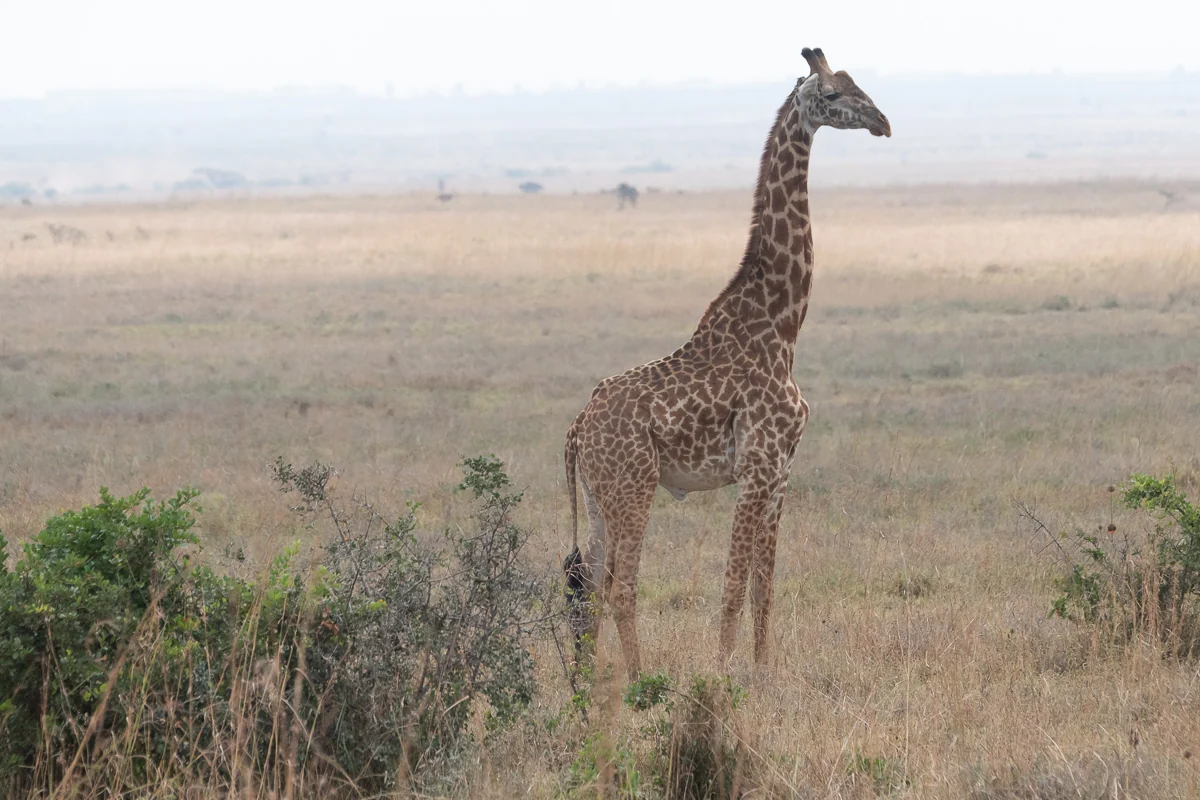
See the city and the park as connected
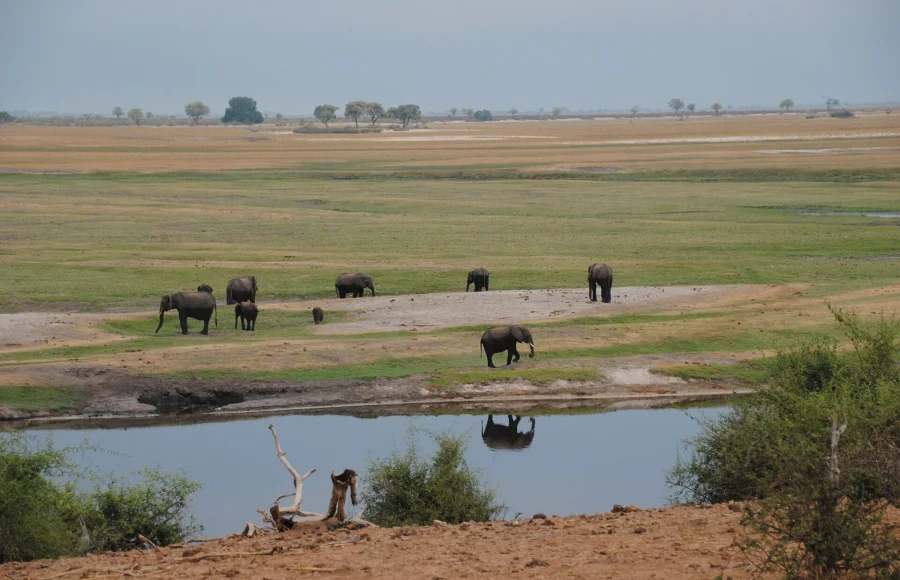
Nairobi National Park lies close to Kenya’s capital, with wildlife habitat framed at times by the skyline. Kenya Wildlife Service describes grassland and riverine areas that support mammals and many birds. This unusual proximity makes a short safari possible, but it should not turn the rest of Nairobi into a waiting room for an onward flight. Give the city a separate morning for a museum, market or food-focused walk with a reputable local guide.
The park is a living protected area, not a zoo. Wildlife sightings vary, and a careful drive can be satisfying even without a headline predator. Ask a guide to explain habitat and conservation pressures rather than only identify species.
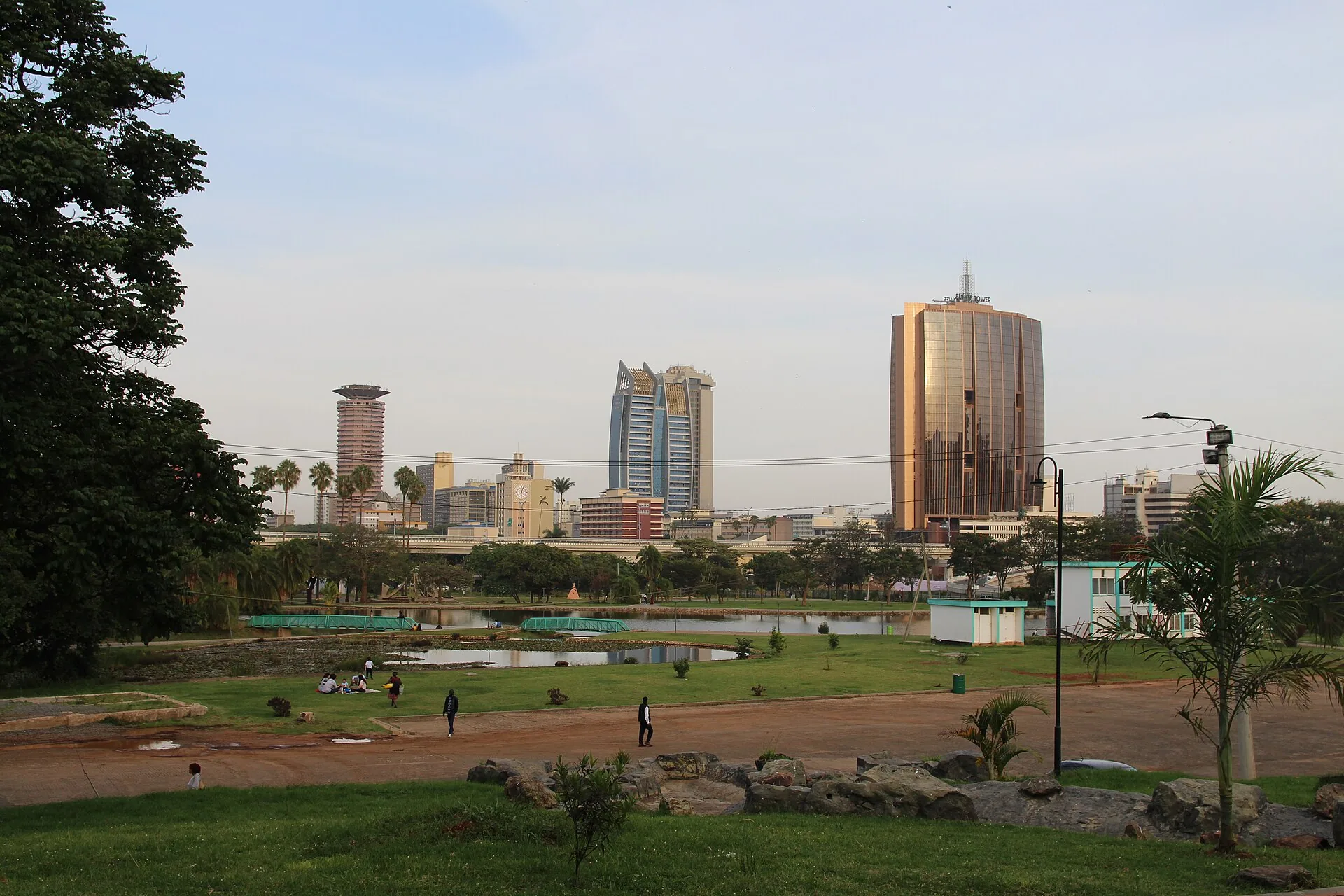
Make the park visit responsible
Kenya Wildlife Service sets clear rules: stay on established roads, remain in the vehicle except at designated areas, do not feed animals and keep a respectful distance. Its site also notes that single-use plastic is prohibited in national parks. Bring refillable water, binoculars and sun protection. Confirm the current entry process, hours and vehicle arrangements before leaving your hotel.
A morning drive may fit the day well, but do not schedule it so tightly that traffic or gate procedures threaten an airport connection. Choose a licensed operator or research self-drive rules carefully.
Give Nairobi its own story
A city stop can introduce Kenyan art, cuisine and contemporary life that a game drive cannot. Plan one neighbourhood or institution in depth rather than moving rapidly across town. Ask before photographing people, and use current local advice for transport. If your trip continues to other parks, this city-plus-park pairing supplies a valuable introduction: Nairobi shows how urban growth and conservation coexist in close, sometimes difficult proximity.
Where you eat and who guides you can influence how much of a visit supports Nairobi residents. Seek a locally run business with clear pricing and a genuine interest in the subject, whether art, architecture or food. The city deserves the same care in planning as the park. Leave room for traffic, which can affect even apparently short journeys across the capital.

Book the park as a real outing
Its proximity to Nairobi can make the national park sound like a quick detour, but entry, vehicle arrangements and a patient drive still need time. Check Kenya Wildlife Service for the latest park guidance and ask an operator which gate, vehicle and fees the quote covers. A very early start may suit wildlife observation; if that is impractical, do not expect a shorter midday visit to produce the same conditions. Sightings are not guaranteed. Invite your guide to explain grassland and riverine habitat rather than asking only where the big cats are.
Give Nairobi a separate chapter
After a park drive, plan a city activity that has its own purpose: a museum, contemporary art space, market or food-focused walk. Check opening hours and transport before committing to a tightly packed afternoon. Nairobi is a large working city, so traffic can be a more important schedule constraint than the distance on a map. Choose a reputable guide for a neighbourhood visit and respect photography preferences in markets and public places. This makes the article’s city-and-park idea a genuine two-part itinerary rather than a safari stop with an afterthought.

Ask the questions that affect comfort
Before paying, confirm pickup location, vehicle sharing, toilet stops, water, park entry process and cancellation terms. Families should ask about age suitability and the time children may need to stay seated; travellers with accessibility needs should discuss vehicle boarding and the facilities at planned stops. Bring binoculars and a layer for a cool morning. Keep all food secured in the vehicle and follow the guide’s instructions around wildlife. A responsible drive lets the skyline and protected landscape tell their story without treating animals as props for close-up photographs.



The conversation
Join the discussion
Have a useful tip or a question about this journey? Share it with fellow readers. Please keep comments respectful and relevant.