
The park is bigger than any one moment
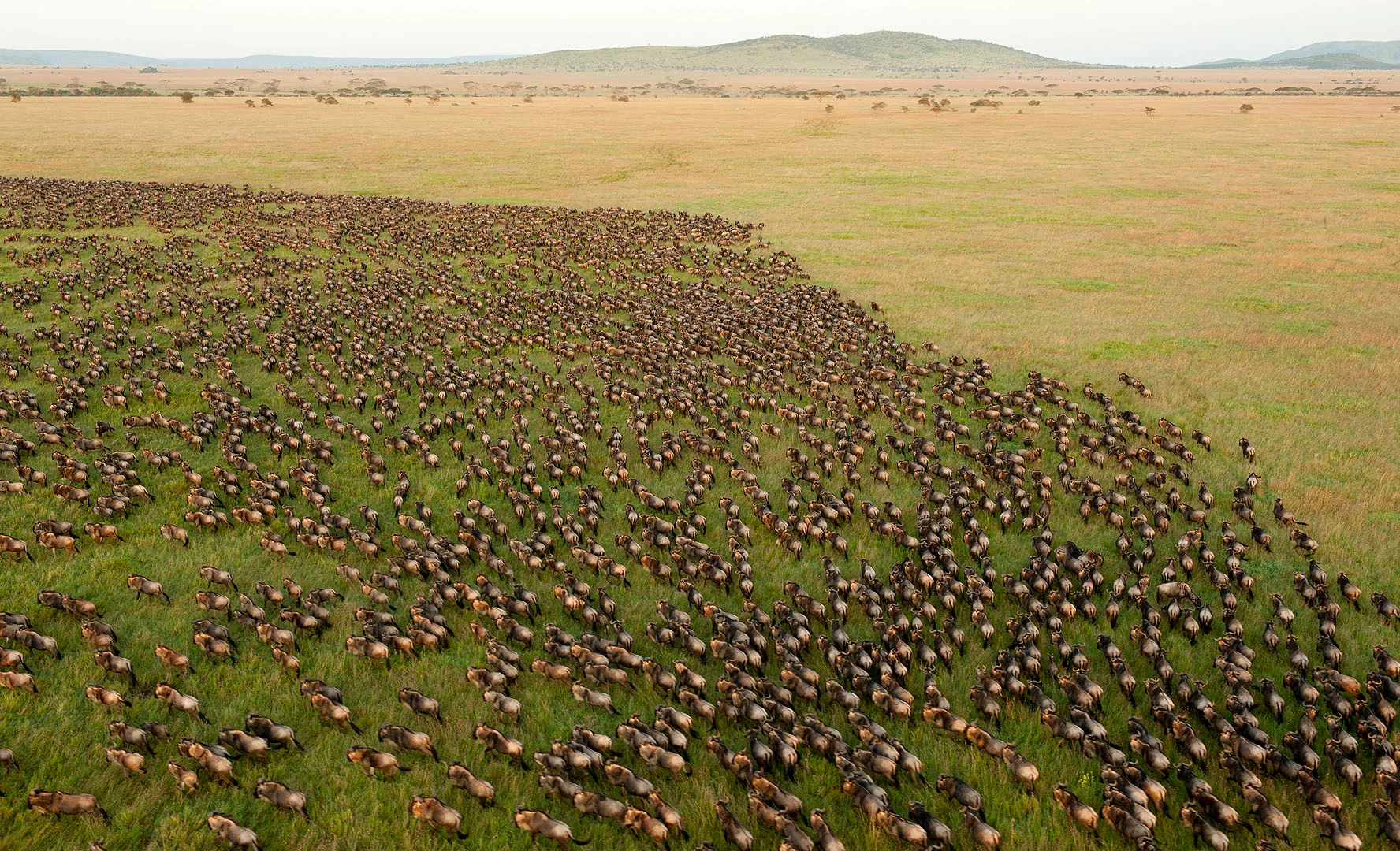
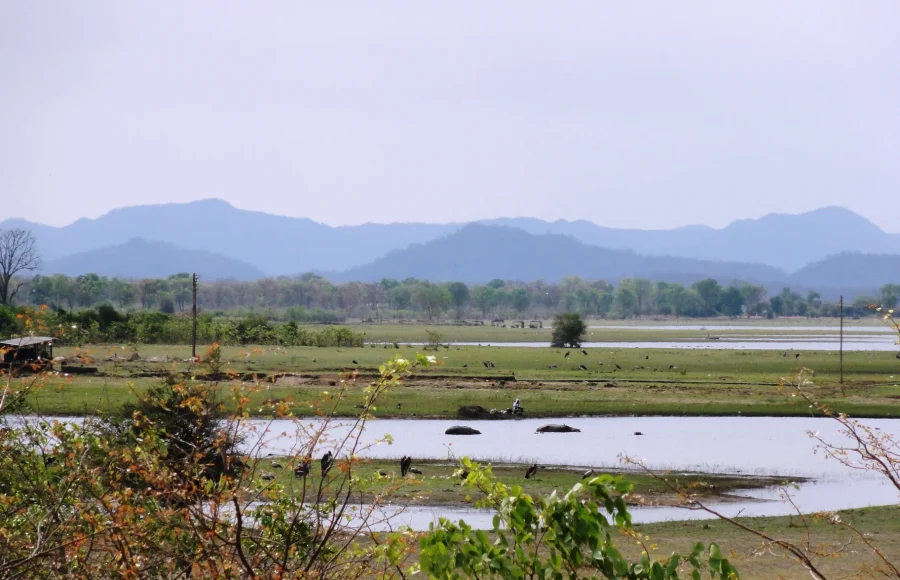
The Serengeti is a vast protected savannah and a UNESCO World Heritage Site, recognised in part for its large-scale movement of wildebeest, zebra and other herbivores. The migration is a continuing cycle shaped by rain and pasture; it does not happen on a fixed appointment for visitors. Rather than booking around a single promised river crossing, choose a region and season with informed advice and enough days to observe the broader ecosystem.
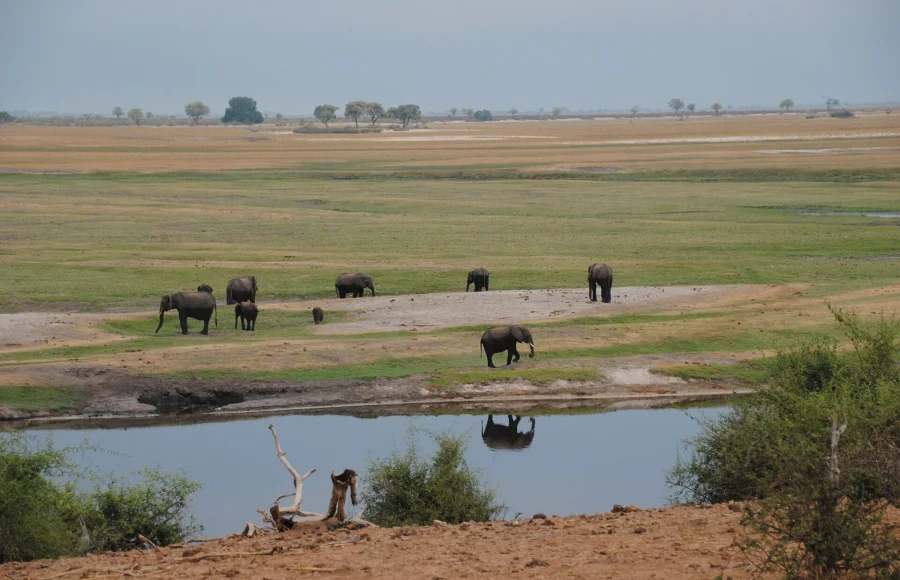
Predators, grazing animals, birds and changing grassland make worthwhile viewing even when the migration is elsewhere. A guide who explains relationships among habitat, weather and animal behaviour adds more value than a route that simply chases a reported crowd of vehicles.
Ask better questions before booking
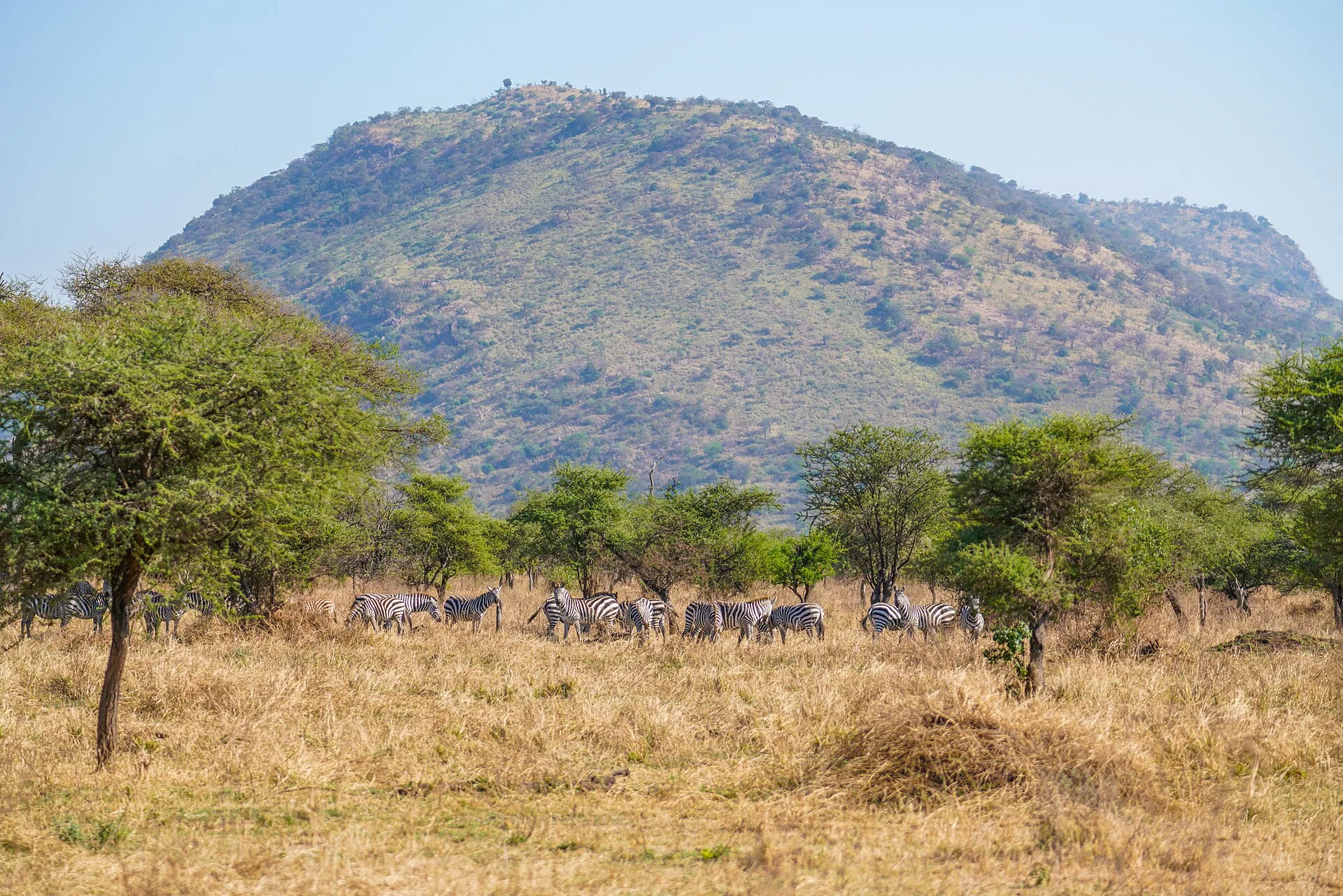
Find out which part of the ecosystem your accommodation is in, how long transfers take and whether game drives are private or shared. A lower-cost itinerary may spend more time in transit than in the field. Compare the conservation fees and inclusions in writing, because these can change. If a package promises a specific sighting, ask what the operator does when wildlife moves elsewhere.
Respect park rules: remain on authorised routes, do not feed animals and avoid pressuring a driver to approach too closely. Binoculars often make a distant natural interaction more satisfying than an intrusive vehicle manoeuvre.
Leave space for observation
Several nights in one area can be more rewarding than changing camps every day. Early and late drives offer different light and activity, while an unhurried pause lets you notice smaller species. Pack for sun, dust and cooler starts, and keep a flexible attitude toward weather. UNESCO also identifies tourism pressure as a management concern, so selecting operators with careful field practices matters. A Serengeti trip becomes more meaningful when its success is measured by understanding a living landscape, not by collecting a checklist of animals.
Discuss vehicle etiquette with your guide at the beginning. Quiet voices, limited movement and patience around animals can improve the experience for everyone. If several vehicles gather, consider leaving for a less crowded area; excellent safari time is not measured only in close photographs.
Plan for an ecosystem rather than a crossing
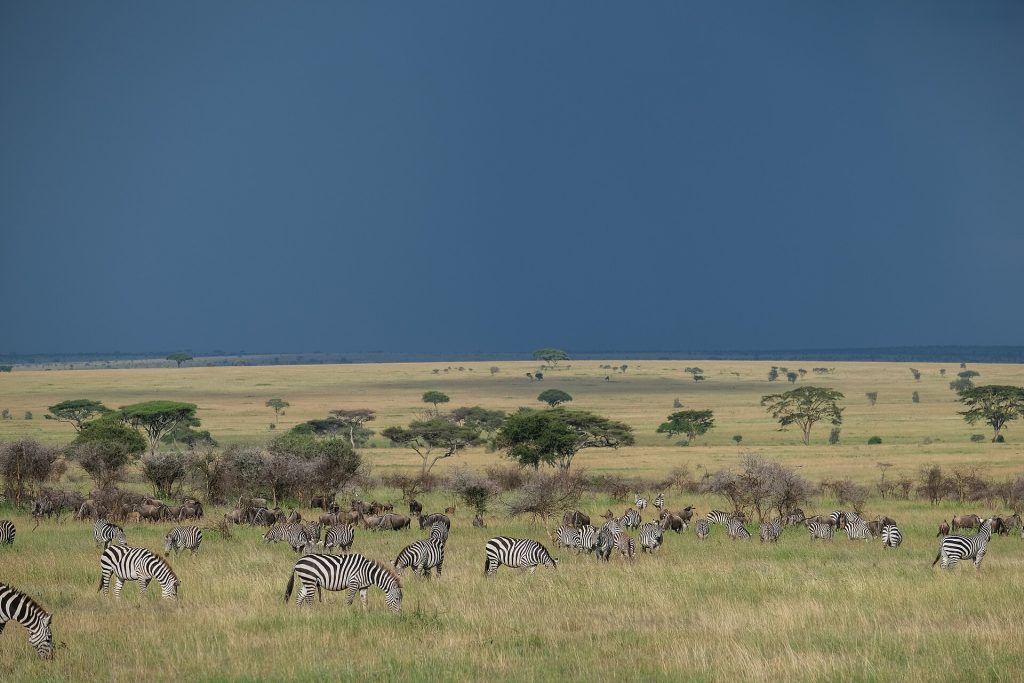
The UNESCO World Heritage description identifies the movement of large herbivore herds and predators as a defining feature of the Serengeti. That description does not provide an appointment for a river crossing. Rain and grazing conditions affect movement, so a map of last year’s migration is a planning clue, not a guarantee. Ask a prospective operator which region your camp serves, how much of each day is spent driving to viewing areas, and what the plan is when herds are elsewhere.
Make the quote comparable
Two safari prices may include different park fees, transfers, vehicle sharing, meals and guiding time. Request an itemised itinerary with nights by area, transfer modes and vehicle capacity. A cheaper camp far from the intended drive area can mean long transits and less time observing. If travelling with children or someone who needs breaks, discuss drive length and facilities before paying a deposit. A well-paced stay with several drives offers chances to understand animal behaviour even without a headline event.
Choose conduct that protects the visit
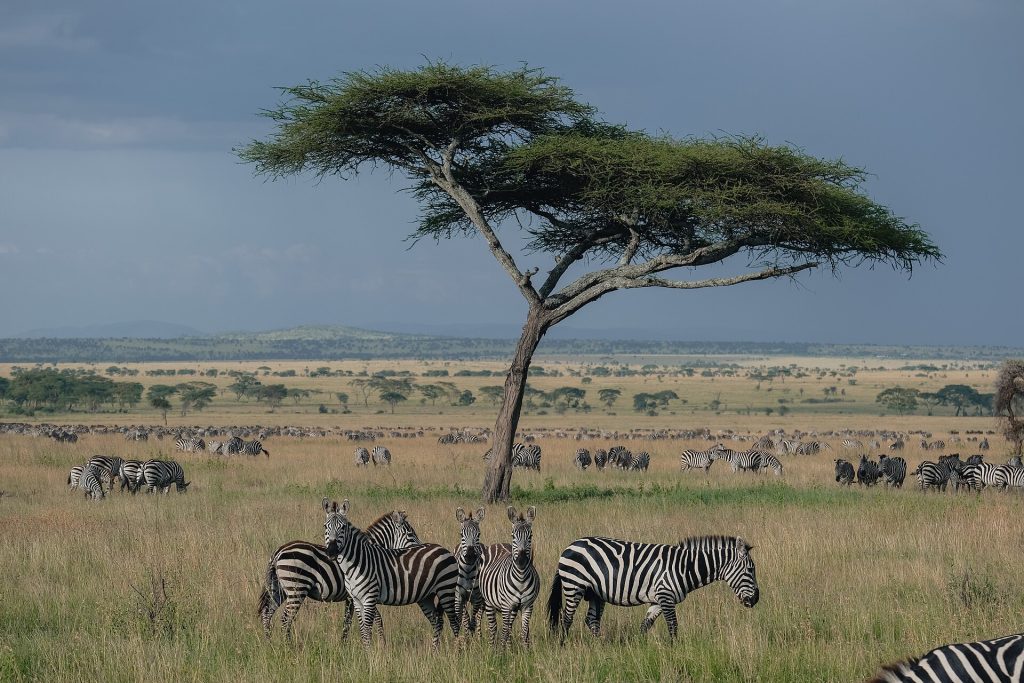
Stay inside vehicles unless a guide identifies an authorised place to leave them, and never ask a driver to crowd an animal or block its route. A scene with fewer vehicles and more time can be more memorable than chasing a radio report. Bring binoculars; they help with birds and distant interactions that a phone camera misses. Treat any operator’s promise of a particular animal at a particular place with caution. The park remains worthwhile for its savannah, changing light and ecological relationships beyond the migration.



The conversation
Join the discussion
Have a useful tip or a question about this journey? Share it with fellow readers. Please keep comments respectful and relevant.