
Why this park feels different
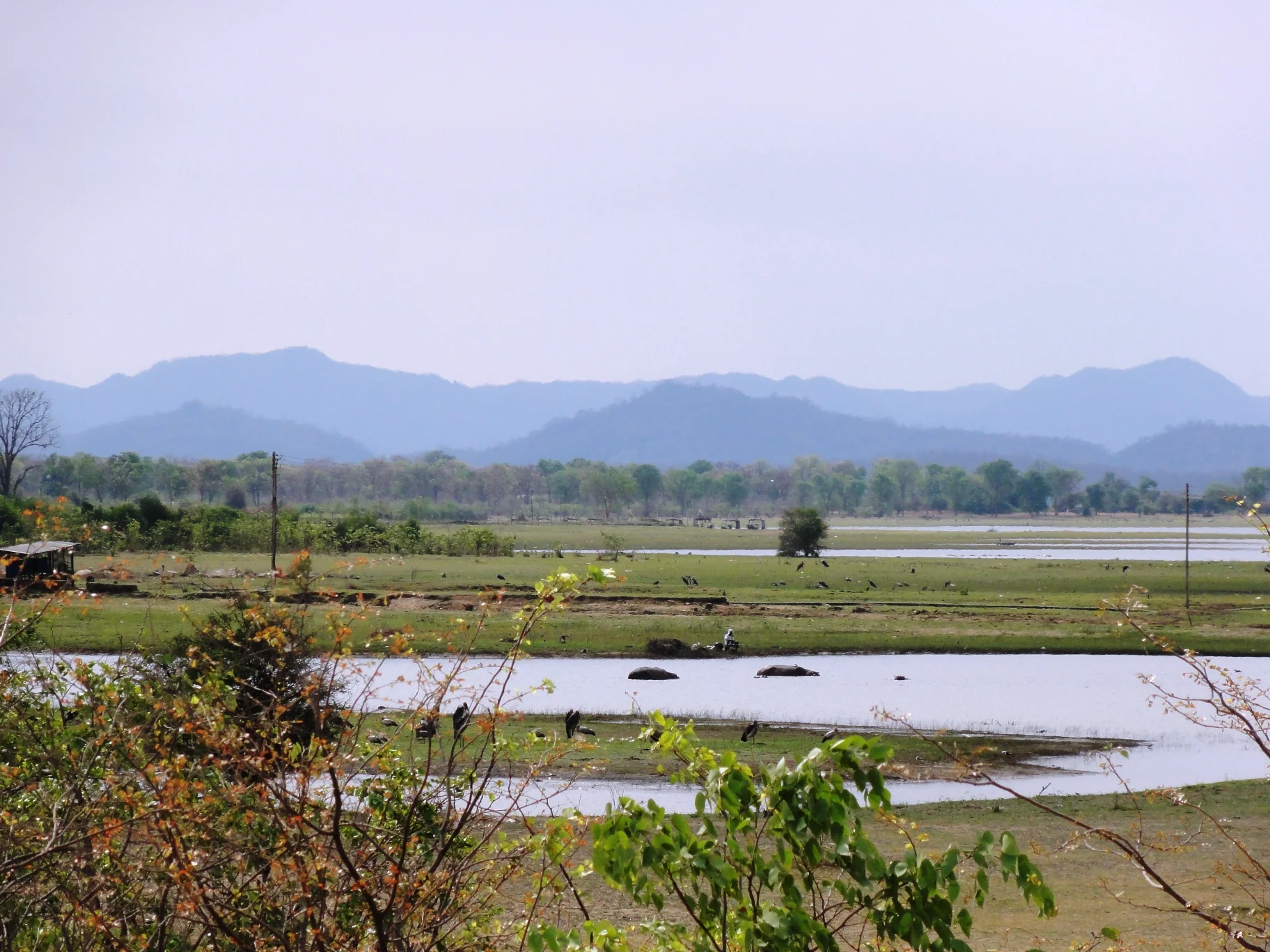
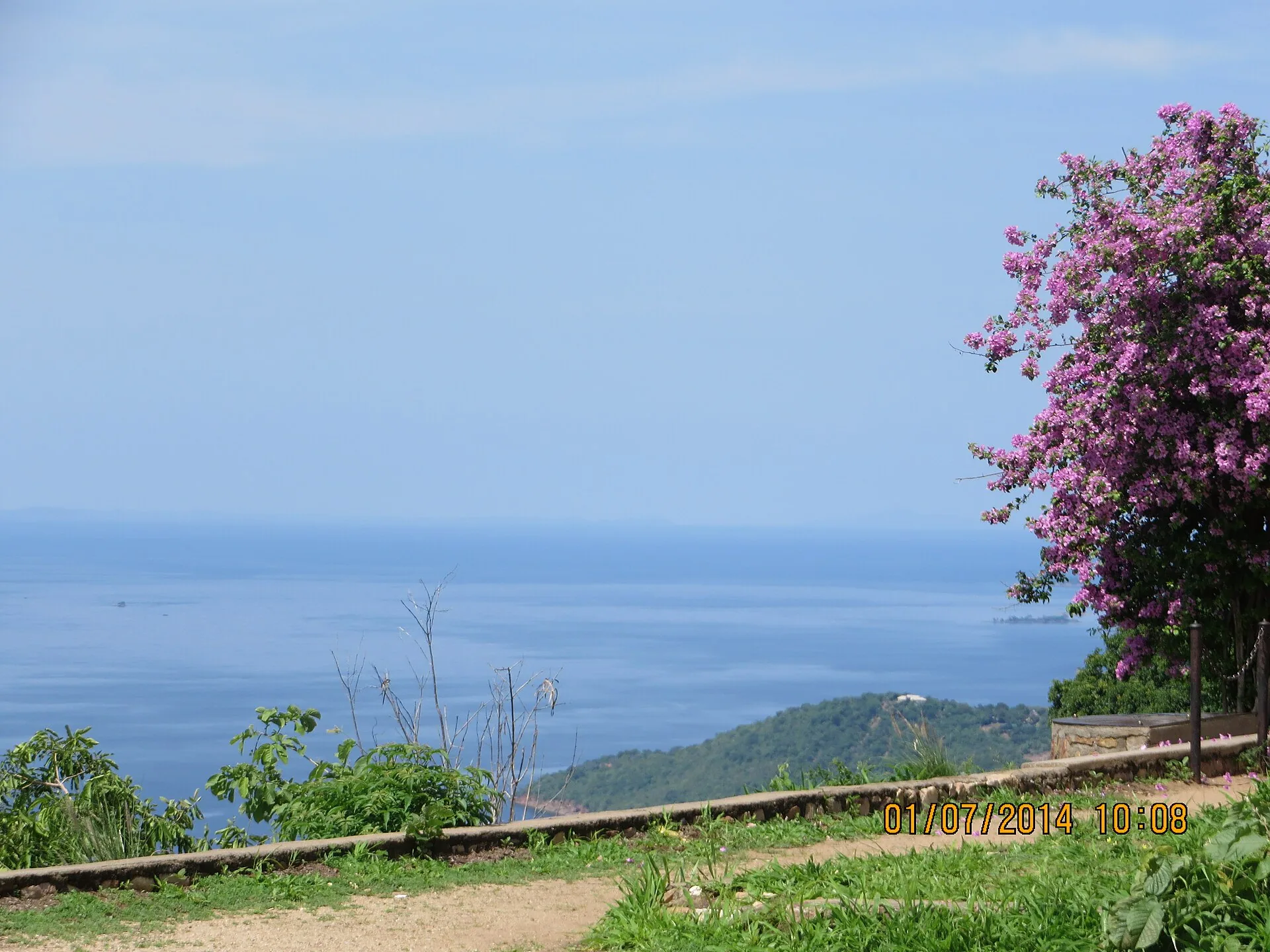
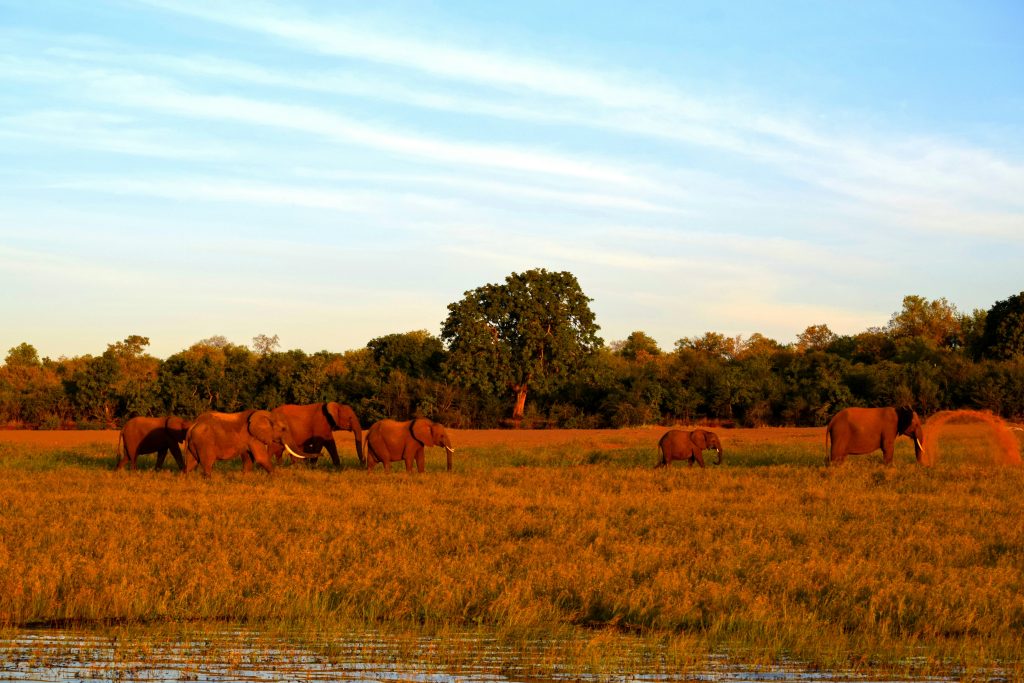
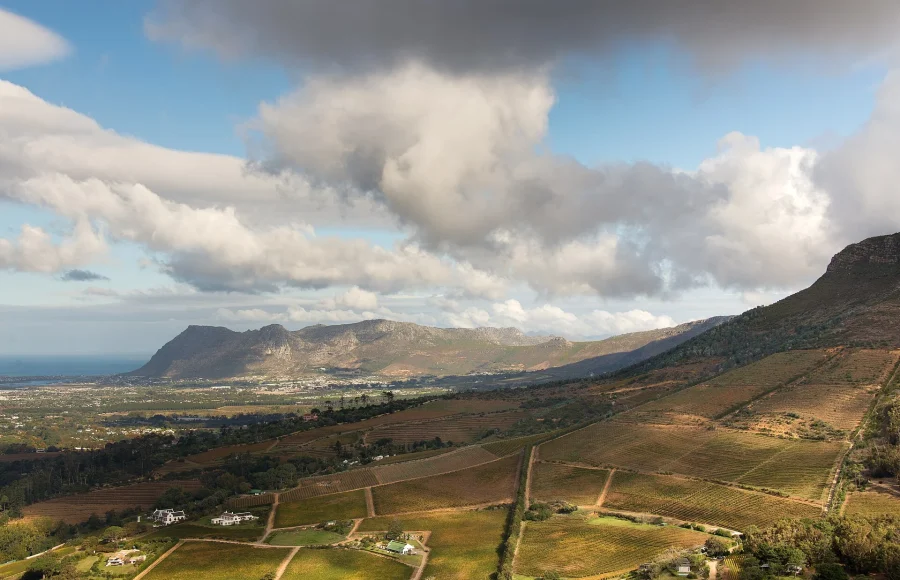
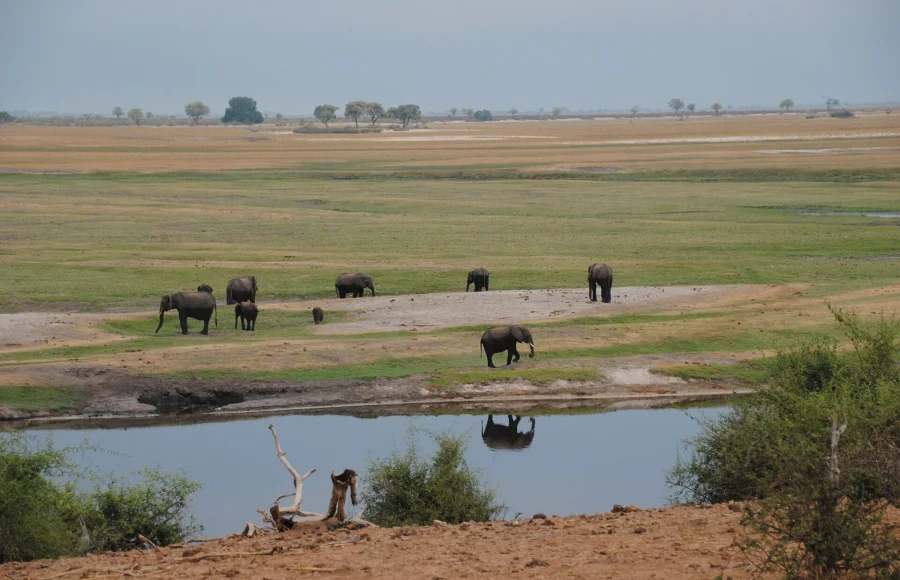
Matusadona sits on Lake Kariba’s southern shore, with wooded hills, grassland and rivers meeting the water. Zimbabwe’s parks authority describes a remote landscape where elephants, buffalo, lions and a wide range of birds may be seen. Wildlife sightings are never guaranteed, and the park is more rewarding when treated as a complete ecosystem rather than a search for a single animal. Its position on the lake also changes the perspective: boat-based observation and land-based drives reveal different habitats.
The park is co-managed by Zimbabwe Parks and Wildlife Management Authority and African Parks. Their guidance makes clear that remoteness is part of the experience and a serious planning factor. Access can be by road, boat or private air transfer; none should be assumed to work without advance arrangements.
Organise the visit before arrival
Choose accommodation or a campsite first, then confirm the exact route, park entry procedure, vehicle suitability and fuel needs. African Parks advises a four-wheel-drive vehicle for variable roads and carrying ample supplies because facilities are limited. A guide can add context to the landscape and help manage safe wildlife viewing, especially for a first visit. If arriving by boat, confirm the landing location and how you will move once ashore.
Park rules are specific: remain on approved tracks, do not leave a vehicle except at designated places, and do not walk without an authorised official. Do not feed or approach wildlife. These are practical safeguards for visitors as well as protection for animals.
Build in time for uncertainty
Reserve more than one day, because weather, roads and wildlife movement will shape what is possible. Binoculars are useful for birds and distant animals, while sun protection and water matter on both land and lake. Ask your operator about current health advice and emergency communication before traveling. A carefully planned Matusadona trip offers an unusual meeting of reservoir and wilderness, but its value depends on giving the park and its rules proper respect.
For photography, a longer lens allows distance from animals and avoids turning a sighting into a close approach. Ask guides how they handle shared sightings and whether boat routes keep clear of nesting or resting areas.
Choose the access route before choosing dates
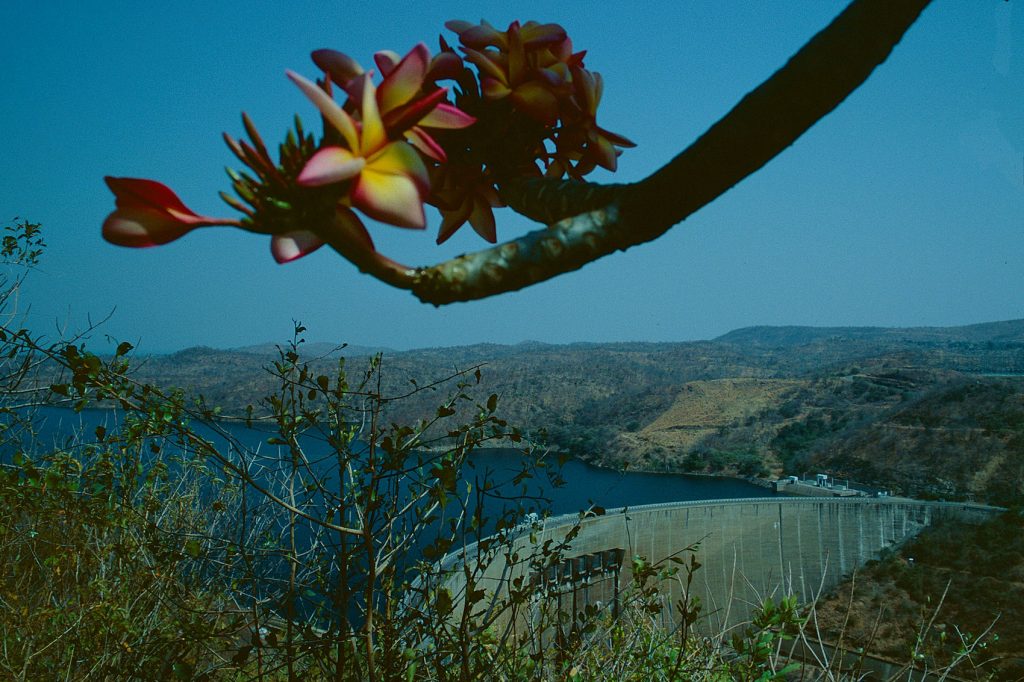
Matusadona is a remote park on Lake Kariba, so a booking is incomplete until you have a confirmed way in and out. Ask the lodge or operator whether your arrival is by road, boat or air, where the handover occurs, and who is responsible if weather or a transfer changes. A self-drive visitor should ask the park authority about the current road condition, four-wheel-drive requirement, fuel, recovery options and entry procedure. African Parks’ visitor brochure is a useful starting point, but confirm operational details directly before travel. Allow a buffer night before an onward flight rather than treating a remote transfer as a precise connection.
Match activities to the lake and the woodland
A boat outing and a game drive serve different interests. The water can be particularly rewarding for birds and for seeing how animals use the shore; a vehicle reaches woodland and inland tracks. Ask whether either activity is included in the quoted rate, how long it lasts, how many guests share it and which safety rules apply. If your main interest is photography, describe the lens and subject to the operator so they can recommend a suitable seat or outing. Wildlife may be distant, and neither a species nor a close encounter can be promised.
Prepare for a low-service setting
Before departure, record the camp’s emergency contact and clarify mobile coverage, drinking water, medical arrangements and the nearest practical evacuation route. Carry needed medication and a power source for essential devices. Ask guides how they maintain distance from wildlife on land and water. The park’s remoteness can be a strength for a patient visitor, but it makes a casual last-minute itinerary a poor fit. Zimbabwe Parks should be checked for current park guidance.


The conversation
Join the discussion
Have a useful tip or a question about this journey? Share it with fellow readers. Please keep comments respectful and relevant.