
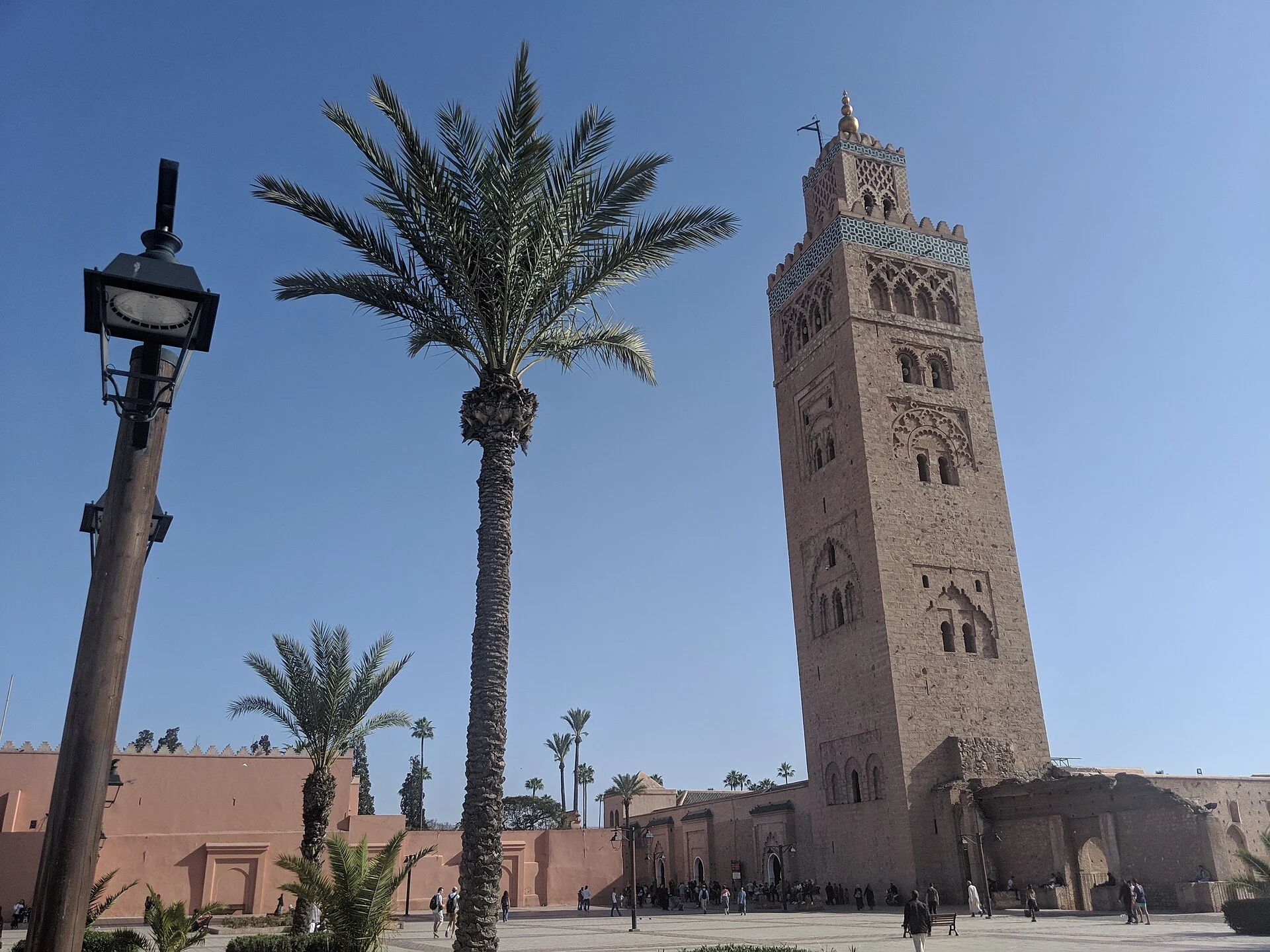
Read the Medina in smaller sections
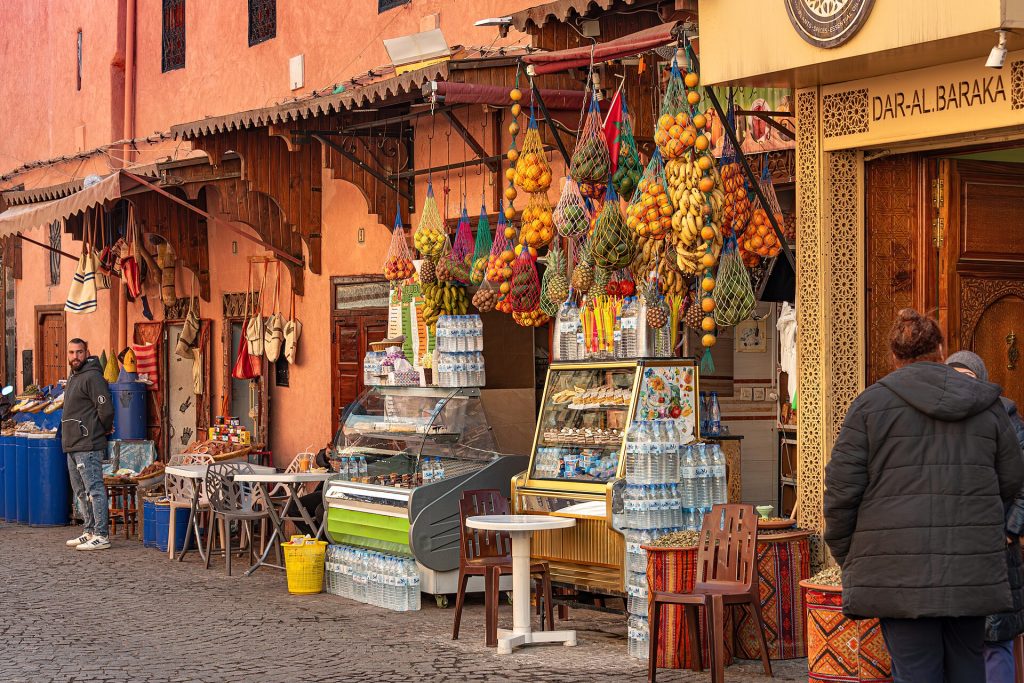
Marrakech’s walled Medina is a UNESCO-listed historic district, with lanes that lead among homes, shops, museums and public squares. Morocco’s national tourism office highlights Jemaa el-Fna and the souks, but the area rewards a quieter approach. Choose one district or craft focus for a morning instead of trying to master every alley. A licensed local guide can connect architecture and trades with history, particularly on a first visit.
The souks are working commercial spaces. Ask before photographing craftspeople and allow time to understand materials and methods. Bargaining may be part of a sale, but it should remain respectful. Buying fewer, well-made objects directly from makers can be more satisfying than rushing through a long list of stalls.
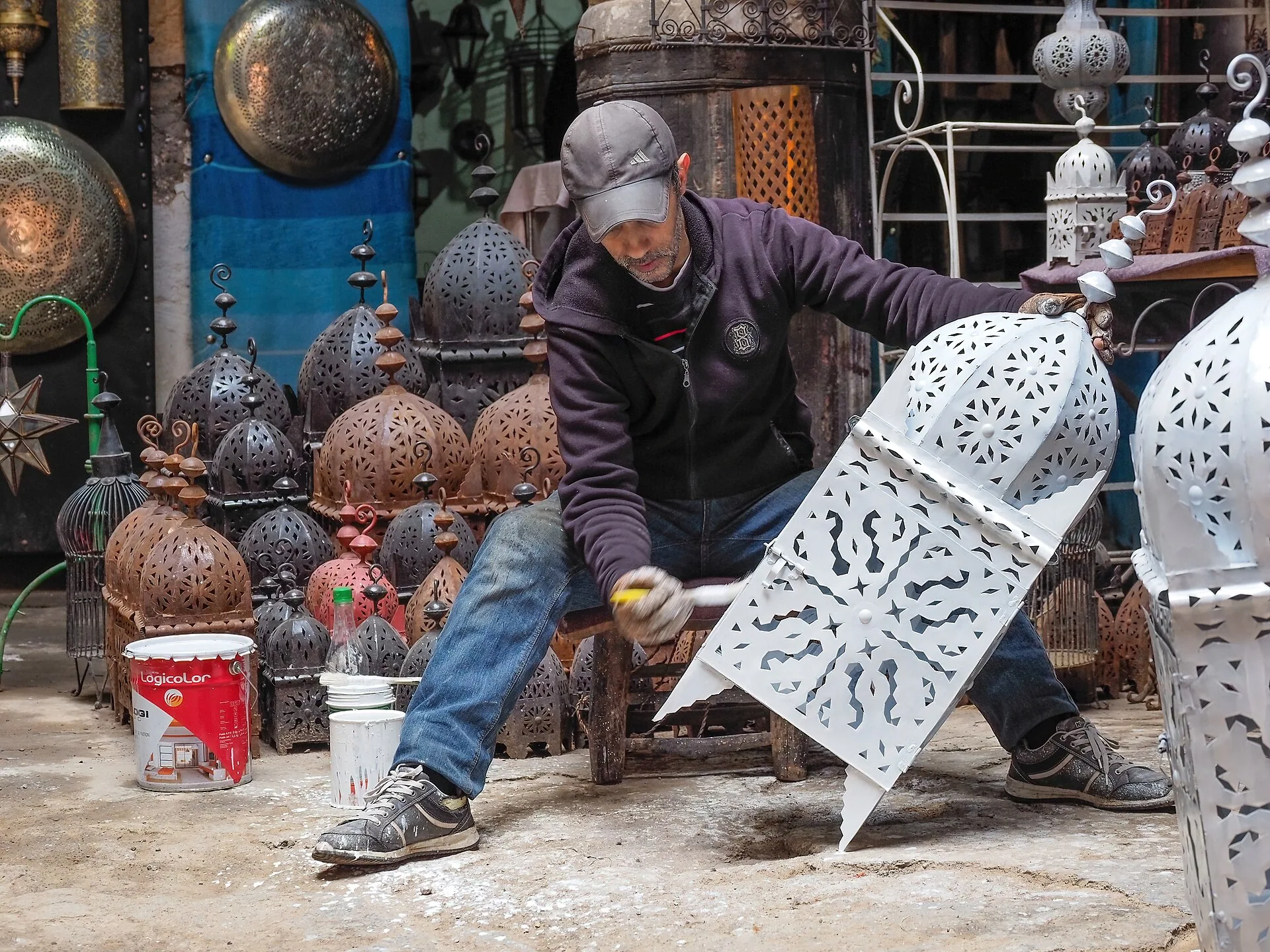
Give the city a second rhythm
After the density of the Medina, a garden or the wider streets of Gueliz offer a different pace. The tourism office describes the contrast between traditional market lanes and newer shopping areas. Use that contrast to see Marrakech as a contemporary city, not a historic set frozen for visitors. A midday rest can also make evening exploration more comfortable in warm weather.
Jemaa el-Fna changes through the day. Visit with awareness that performances and photographs may involve payment; establish terms before participating. Keep valuables discreet and know a simple route back to your accommodation.
Make logistics support curiosity
Stay where the atmosphere and access suit you, whether in a riad inside the Medina or a hotel outside it. Confirm how luggage will reach the door if vehicles cannot enter the final streets. Reserve major sites directly, verify current hours and leave space for a long meal. Marrakech is most rewarding when you take time to notice the skills, daily routines and varied neighbourhoods behind its famous colours.
If you get lost in the Medina, pause in a public place and use a reliable map or your accommodation’s directions. Rushing can make the maze feel stressful; moving slowly makes it easier to notice doors, workshops and neighbourhood routines without intruding on private spaces.
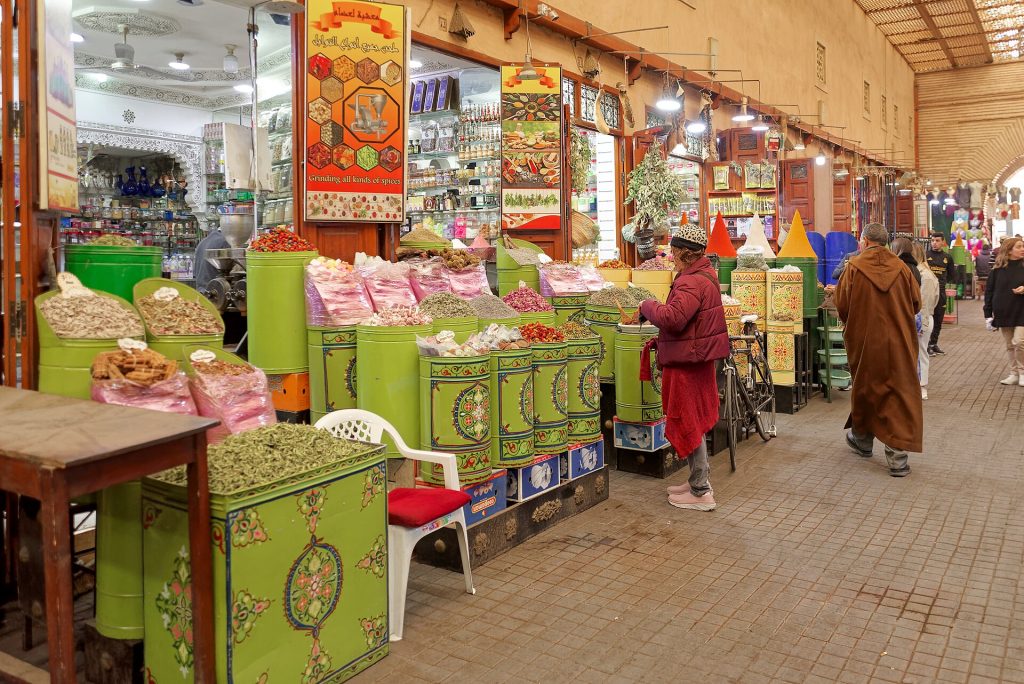
Let craft lead your walk
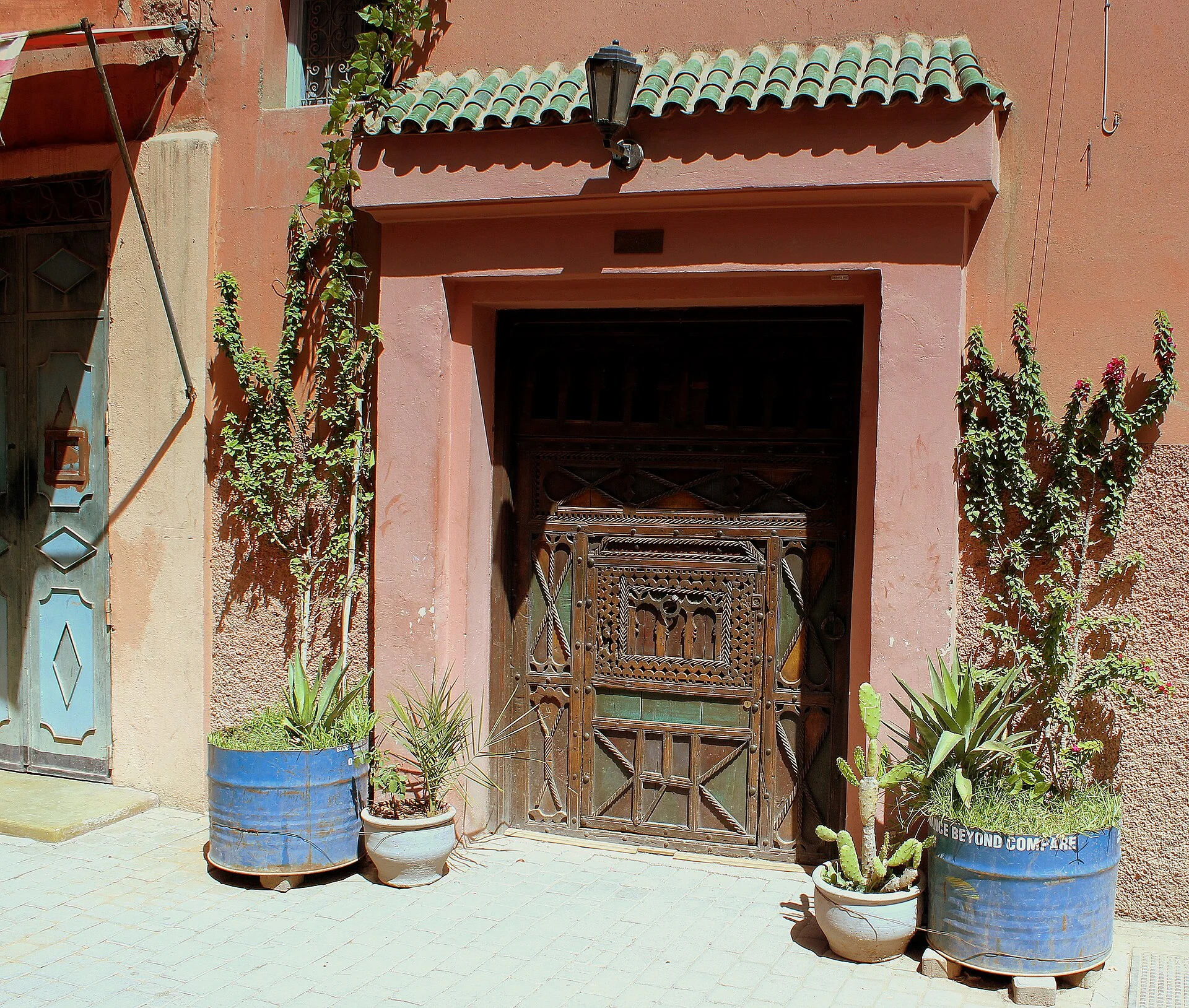
The medina is easier to understand when you follow a craft or material rather than trying to conquer its lanes. Choose one area, notice how workshops cluster, and give makers space to work. Ask before photographing people or interiors. If you want to buy something, ask about materials and techniques and compare several pieces before deciding. The conversation can be part of the encounter, but a purchase is never owed.
A guide can help explain the history of a quarter and reduce the pressure of navigating alone. Agree on the route, duration and price before setting out, and say clearly whether shopping stops interest you. You can also walk independently in a small loop, noting a gate, square or landmark for the return.
Read a palace through its details
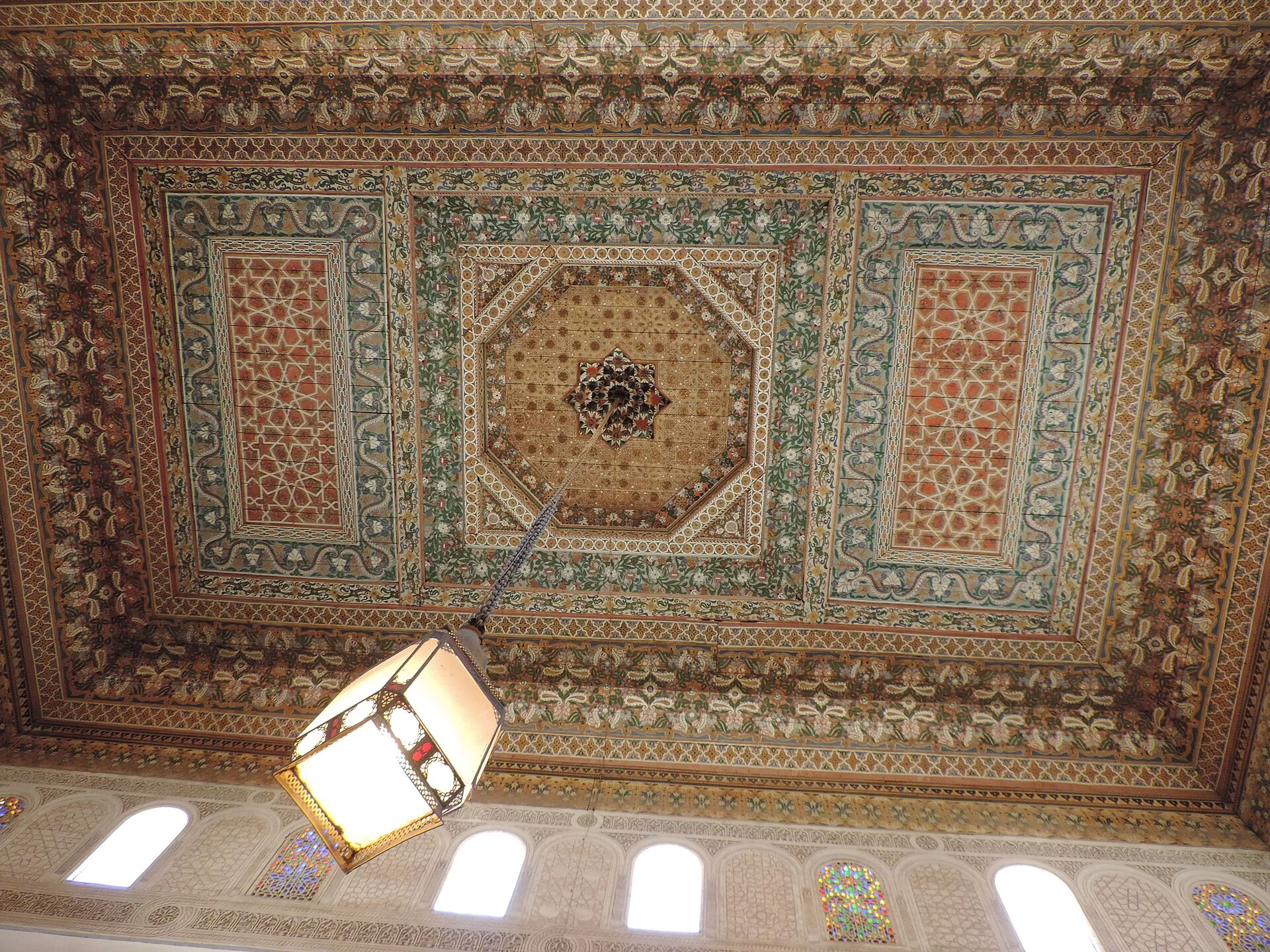
The Bahia Palace rewards a slower visit. Its interest is not one grand exterior but a sequence of courtyards, carved surfaces and changing light. Look up at the ceilings, then at how rooms open onto quieter spaces. The building offers a different rhythm from the souks, and pairing the two on the same day helps show how varied the old city can be.
Check current opening details before you go and avoid planning the palace as a quick stop between distant appointments. A photograph may capture a pattern, but time in a courtyard gives you the scale and relationship between spaces. If crowds gather around one room, continue and return later where possible.
Make room for a garden
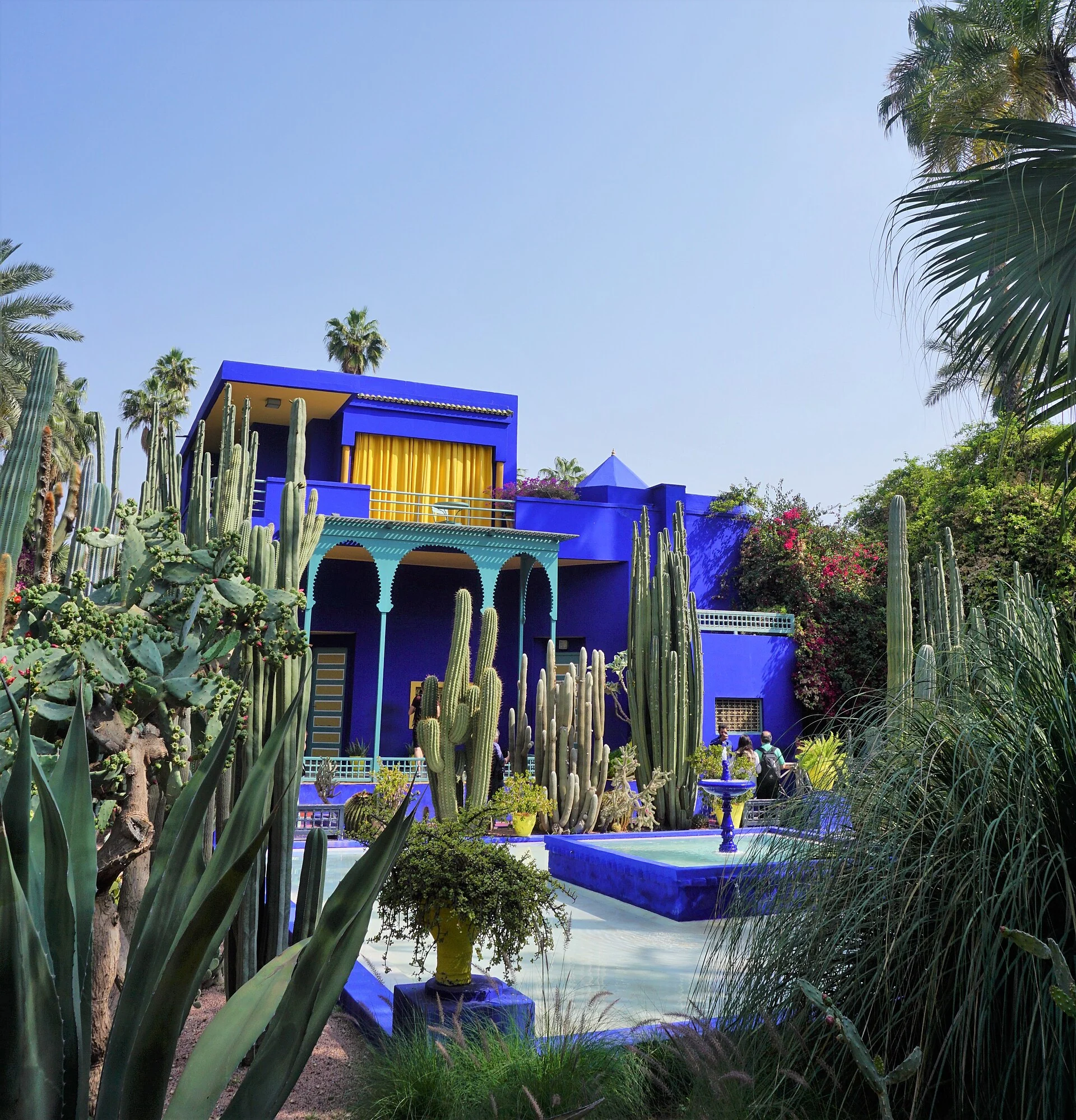
Marrakech is intense in a way that can be exhilarating and tiring at once. A garden visit creates a useful pause. Jardin Majorelle is famous for colour and planting; its popularity also means that entry arrangements should be checked in advance. Another small green space or shaded courtyard can serve the same purpose if tickets or timing do not suit your day.
Treat this pause as part of the itinerary rather than an escape from it. Sitting down, drinking water and reviewing the next route often makes the second half of the day better. In warmer periods, move outdoor walks to cooler hours and keep a flexible indoor option.
A two-day Marrakech route without a race
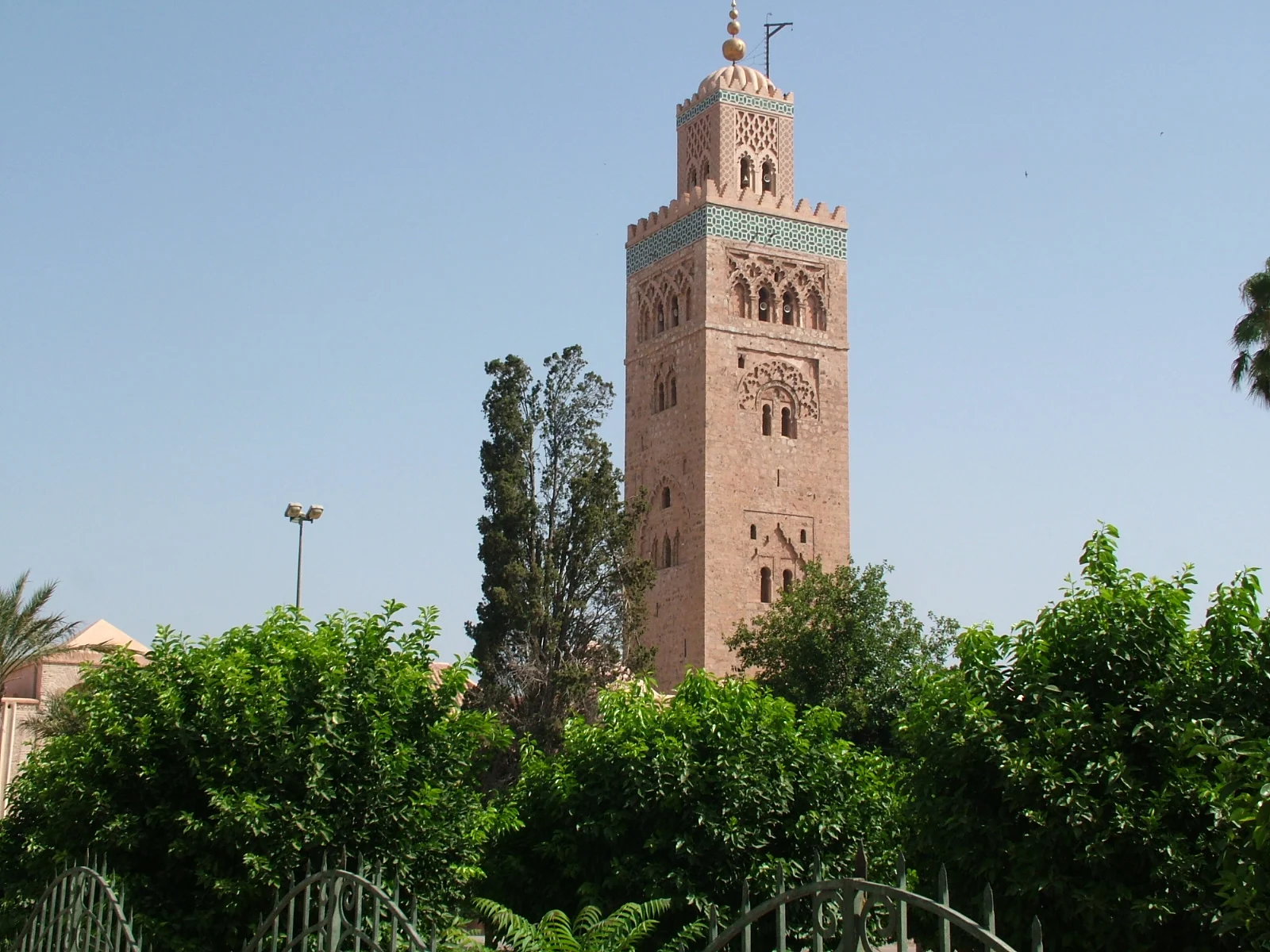
Day one can belong to the medina: a morning walk focused on one craft area, a long lunch, then a palace or museum. Return to a familiar square or gate before evening so the day ends with your bearings intact. On day two, put a garden or contemporary neighbourhood first and leave the afternoon open for a second medina walk if you want one.
The point is to see the city at more than one speed. A short visit cannot cover every monument, shop and restaurant. It can reveal how the old city changes between a working morning and an evening of social life. The Moroccan National Tourist Office describes the medina as Marrakech’s historic heart; let that context guide curiosity without turning residents’ everyday streets into a backdrop.
Practical choices that protect the day
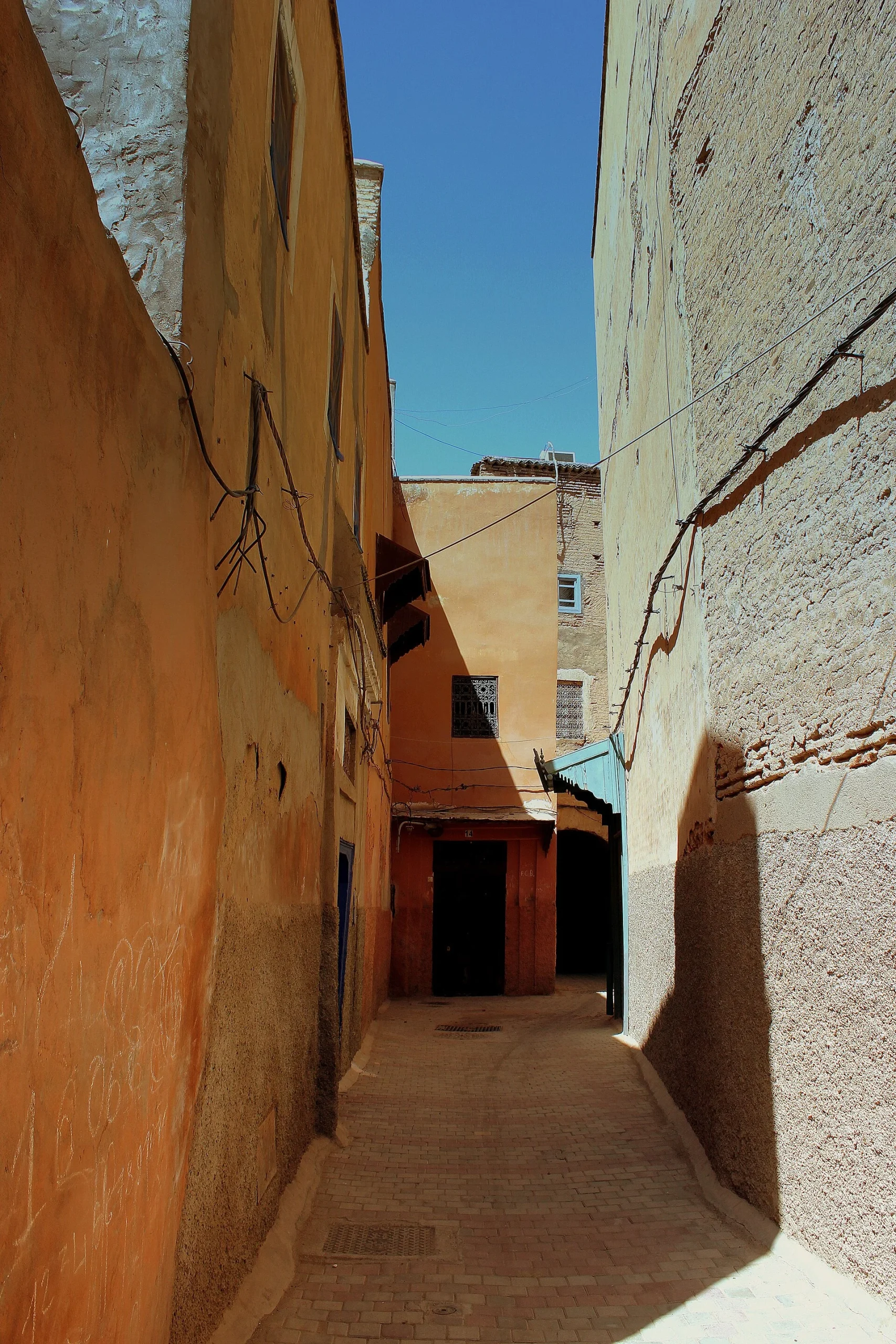
Choose accommodation by the kind of arrival you want. A riad inside the medina can put you near historic streets but may require a walk with luggage from a drop-off point. A base outside the old walls may make vehicles easier but changes the daily journey. Ask your host for a precise arrival meeting point and a landmark you can recognise after dark.
Carry water, keep smaller cash for ordinary purchases and dress with respect for the places you enter. For taxis or guides, agree on the arrangement before setting off. These are small decisions, but they give more room for attention once you are inside the city.
The question to ask at every stop
Ask what the place is used for now as well as what it once represented. In the medina, a workshop is a workplace; in a palace, a restored room reflects choices about preservation; in a garden, the visitor route changes how the space is experienced. That question turns a series of photographs into a more respectful encounter with Marrakech.
Use official visitor information for opening hours, closures and tickets, then leave the rest of the day open enough to respond to what you actually find. A city with this much texture rewards attention more than speed.
Official planning source: Moroccan National Tourist Office — Medina in Marrakech.


The conversation
Join the discussion
Have a useful tip or a question about this journey? Share it with fellow readers. Please keep comments respectful and relevant.