
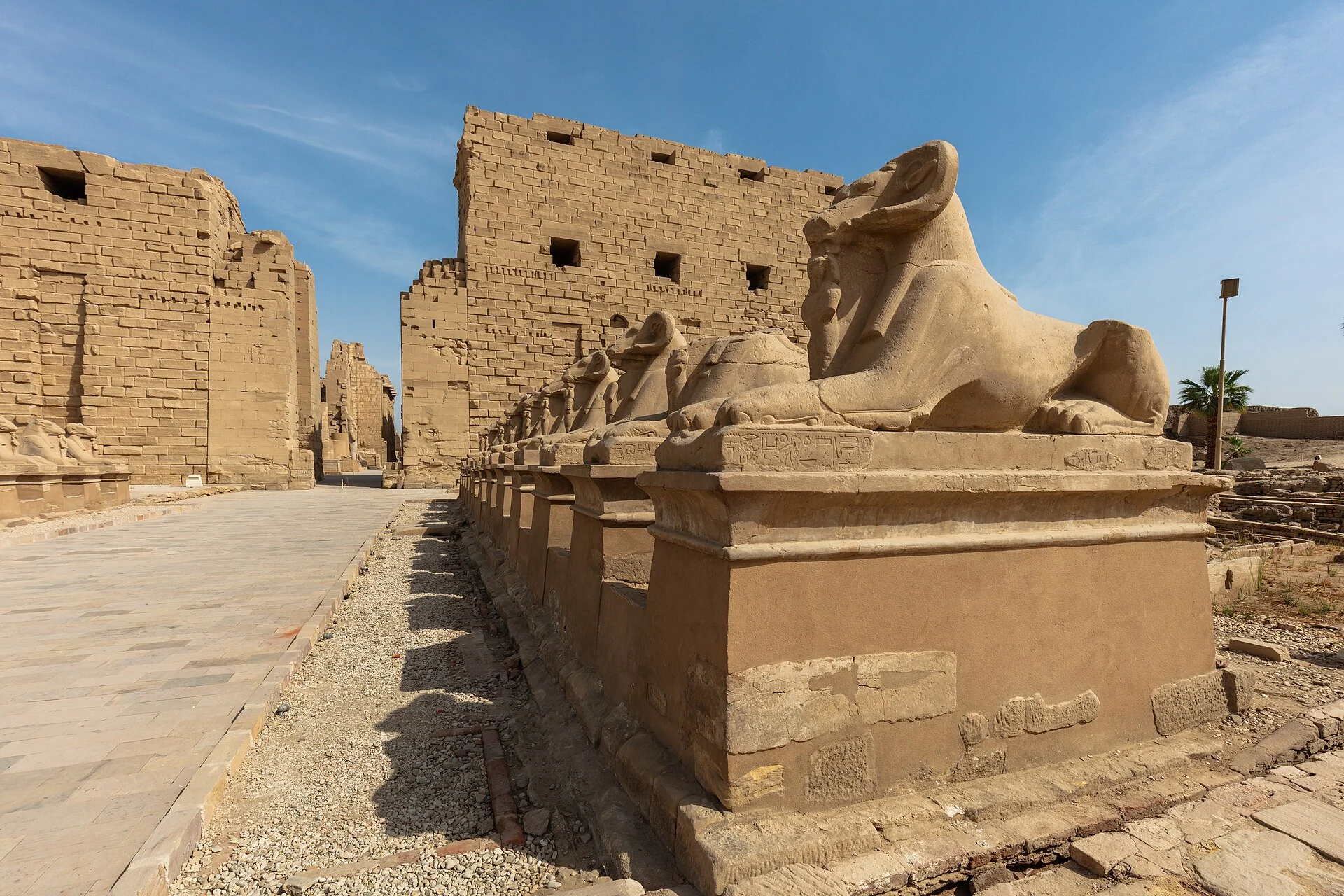
Let geography organise the history
Luxor’s monumental landscape is easier to understand as two connected halves of ancient Thebes. On the east bank, large temple complexes speak to public religion and royal power; on the west bank, burial landscapes include the Valley of the Kings. The Egyptian Ministry of Tourism and Antiquities explains that the valley’s western position carried funerary meaning in ancient belief. Moving between the banks is therefore more than a transport detail: it helps explain the sites’ original relationships.
A first morning can focus on the east bank, leaving time to read labels, notice changes in scale and pause in the shade. Devote a separate morning to the west bank. Trying to combine every tomb, temple and museum in one day usually means seeing little carefully.
Choose tombs, do not just count them
The Valley of the Kings contains many tombs, but the ones open to visitors and ticket requirements can change. Decide what interests you: painted chambers, burial practices, royal history or site conservation. Check the official monuments pages for current ticket inclusions and restrictions; some tombs require separate admission. An accredited Egyptologist can make inscriptions and chronology more understandable, especially when several sites are being visited in sequence.
Protect the monuments by following photography rules, remaining on marked routes and never touching decorated surfaces. The desert heat can build quickly; carry water and wear sun protection, while keeping a small bag that is easy to manage at entrances.
Make time for the modern city
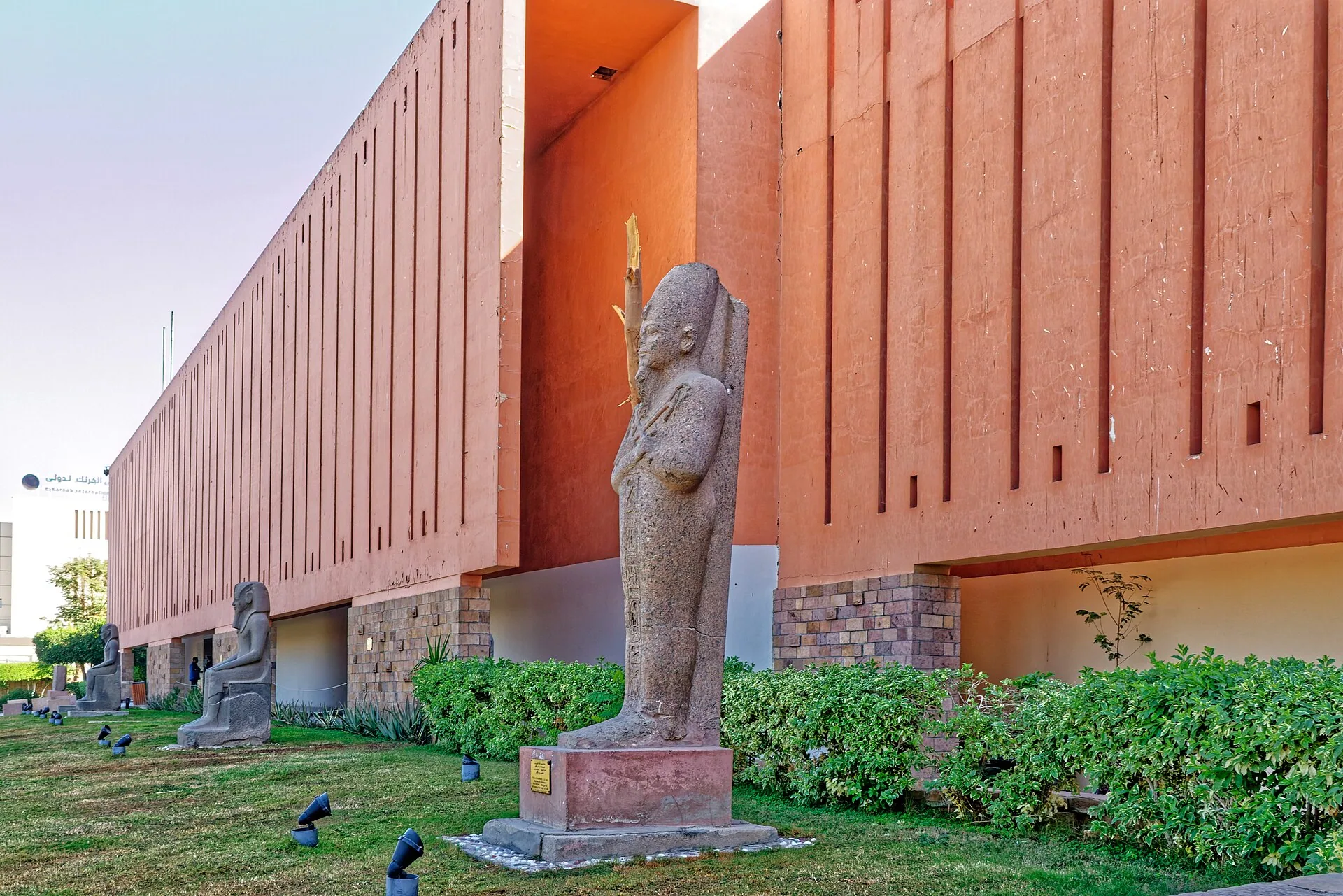
Luxor is not only an archaeological park. Allow an evening walk, a local meal and some time beside the Nile. Arrange transport clearly for west-bank visits and confirm where a driver will meet you between sites. Use official pages before travel because opening arrangements, ticketing and conservation closures are changeable. Two days with a small number of well-chosen stops will leave a stronger understanding than a long list of monuments with no context.
A good site day should also include breaks. Sitting in shade with a map between monuments helps restore attention, while a clear meeting time prevents the pressure to keep moving. Ask your guide to explain how modern conservation affects which tombs visitors can see.
Use two mornings for two different purposes
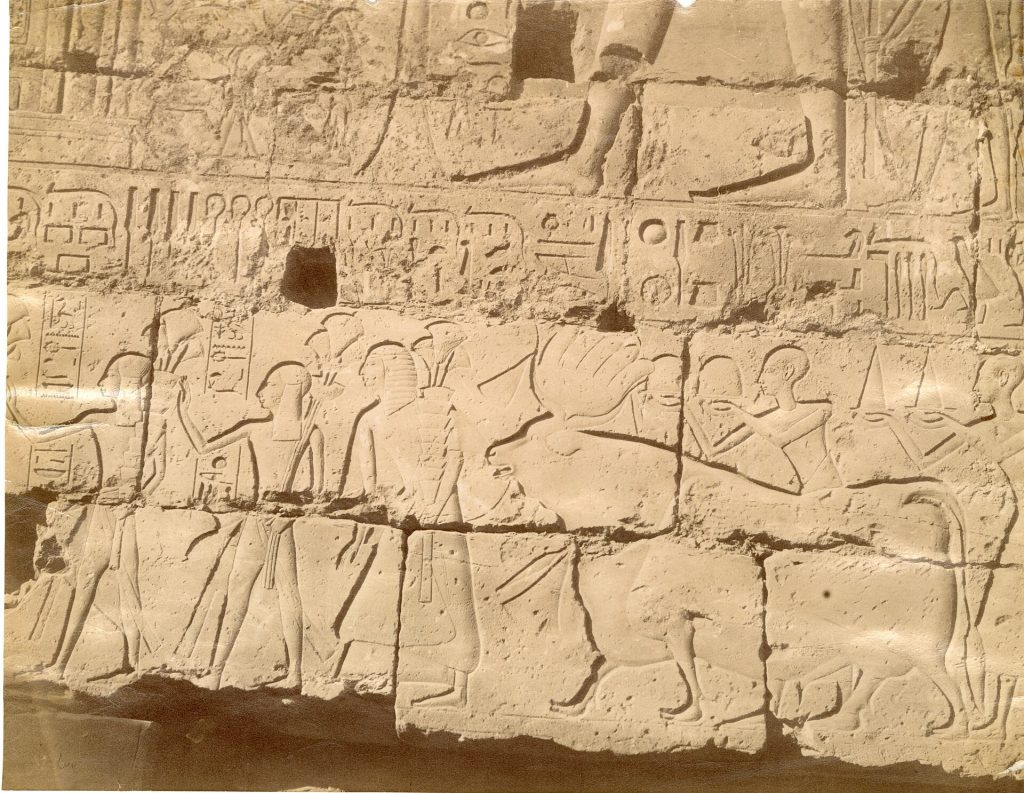
Start on the east bank with Karnak, which the Egyptian Ministry of Tourism and Antiquities describes as a complex of temples and chapels rather than one building. Move slowly enough to notice how successive rulers changed the site. Save the west bank for another morning. At the Valley of the Kings, choose a small number of open tombs to understand rather than trying to collect every ticketed chamber. Tomb access and separate-ticket rules can change; check the ministry’s current ticket information before setting off.
Make the Nile crossing part of the plan
The banks are geographically close but a visit still requires a realistic transfer plan. Decide whether a licensed guide and vehicle, taxi or ferry best suits your pace, and ask about the exact drop-off and return point. A west-bank route can involve substantial exposed walking between sites. Carry water, sun protection and small notes or a card accepted for legitimate purchases; do not rely on finding shade everywhere. Families or visitors with limited mobility should ask about distances and access at individual monuments rather than assuming one general accessibility answer covers the whole valley.
Read the landscape, not just the decoration
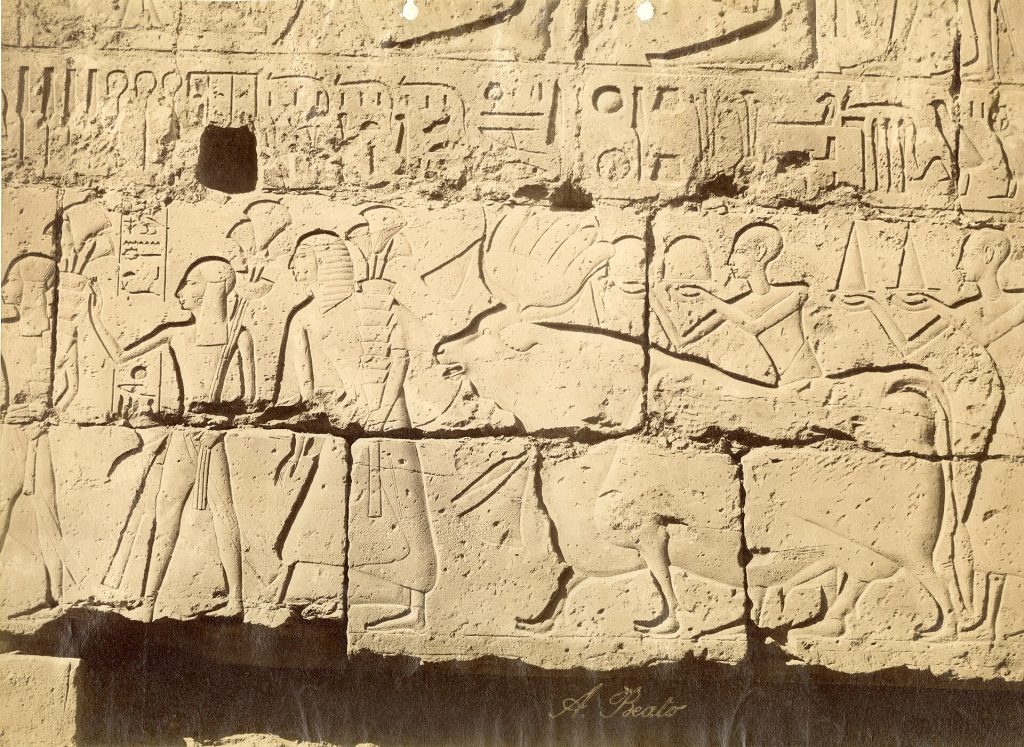
The ministry explains that the west side of the Nile had funerary meaning in ancient Egyptian belief. This helps connect royal tombs to the city and its temples across the river. In the valley, paintings and texts belong to specific tombs and periods; a little advance reading helps distinguish them. Follow each chamber’s photography rules and never touch decorated surfaces. If time is limited, one east-bank complex and a considered west-bank visit will teach more than a rushed sequence of distant stops.




The conversation
Join the discussion
Have a useful tip or a question about this journey? Share it with fellow readers. Please keep comments respectful and relevant.