
Understand the landscape first
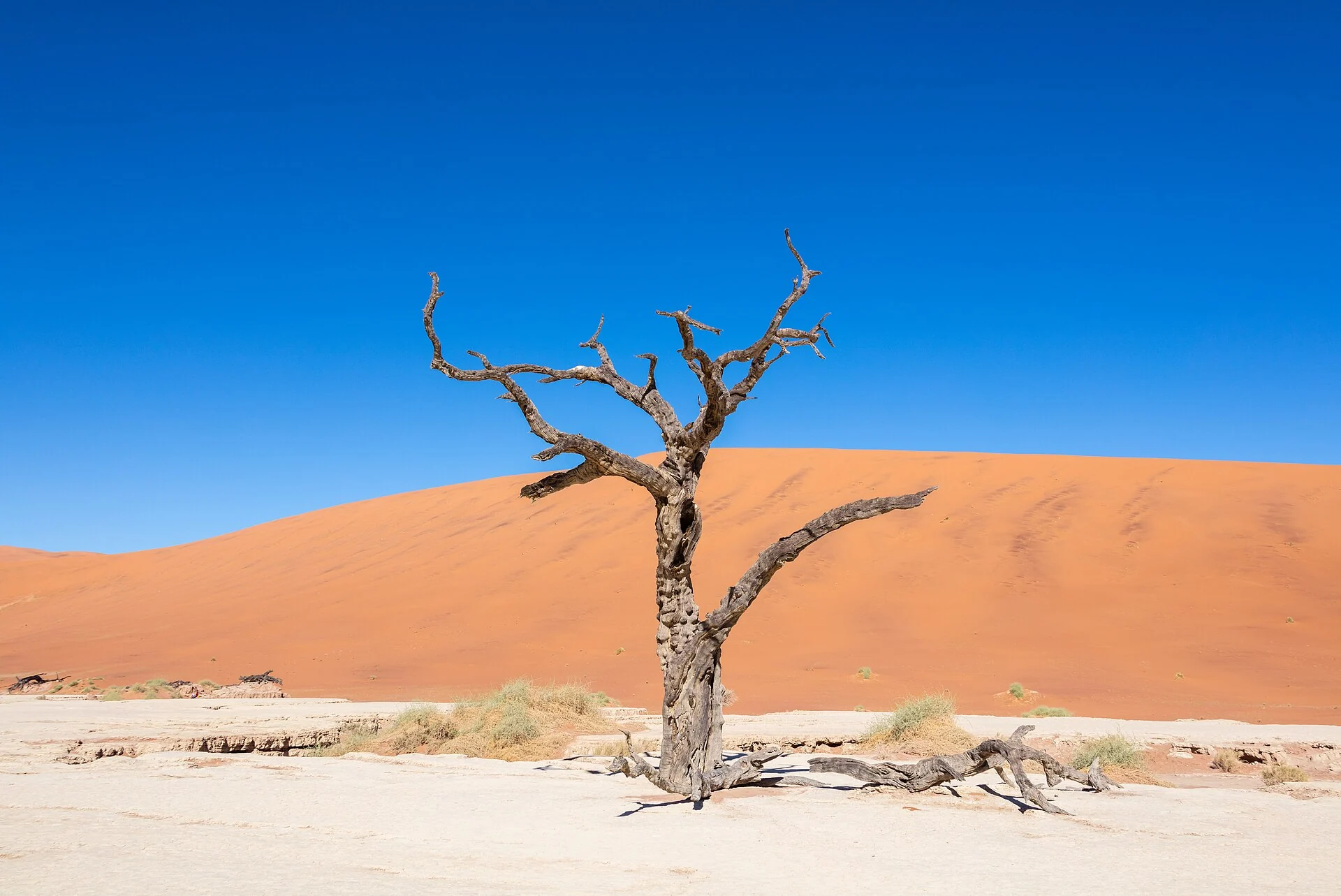
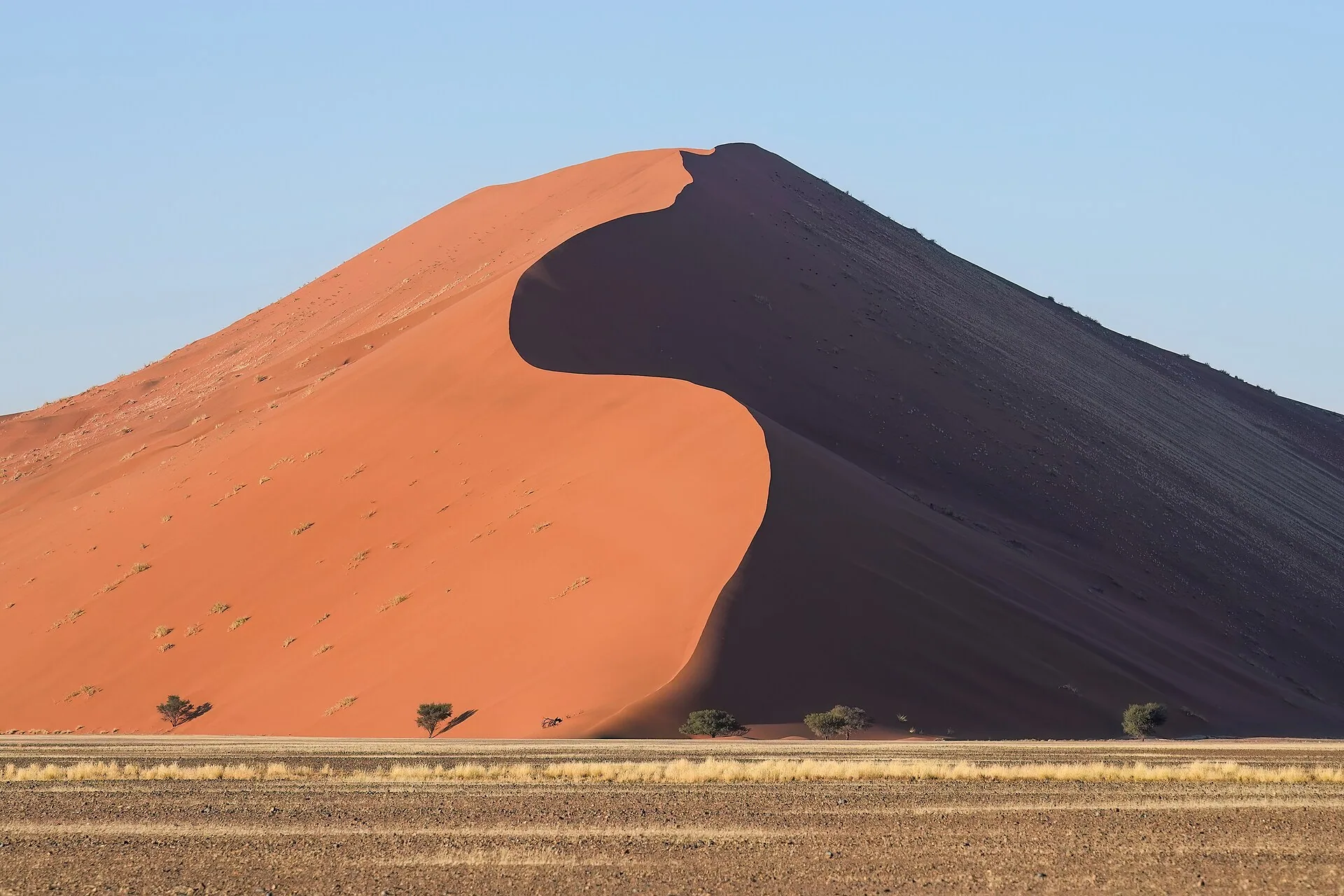
Sossusvlei is a clay pan where the Tsauchab River’s course ends among Namib dunes. The name is often used for the broader area, including Deadvlei and famous dune viewpoints. Namibia’s tourism board notes how early light shapes the dunes and how rarely the pan holds water. Seeing the actual landforms helps avoid treating the desert as a series of interchangeable orange backdrops.
A visit normally begins from the Sesriem area, with a drive into the park and further movement toward the pans. Access rules for the final sandy section have changed or been debated recently, so confirm current requirements with the park operator before leaving. Do not assume an old blog’s self-drive advice still applies.
Make heat and distance central to the plan
Start early if park rules allow and carry substantial drinking water. A short walk on soft sand can take longer than the same distance on a street. Wear sun protection, closed shoes and clothing suited to heat and wind. If you climb a dune, choose a permitted route and give yourself time to descend safely. Deadvlei’s stark trees and pale floor invite photography, but fragile desert surfaces should not be marked or disturbed.
Fuel, tyres and communications deserve the same attention as camera gear. Check your vehicle and return route, and use authorised shuttle or guide services when required. Desert conditions can change quickly; turn back if heat or fatigue becomes a problem.
Stay for more than one image
One night nearby reduces the temptation to make a long, exhausting round trip. Leave time to watch shadows shift across the dunes and to notice the different textures of pan, rock and sand. Confirm gate times, permits and transport arrangements from current official sources. The best Sossusvlei visit is not a race to a sunrise photograph; it is a carefully paced encounter with a powerful and unforgiving landscape.
Photographs can create unrealistic expectations of empty dunes. Popular viewpoints draw other visitors, and wind changes tracks quickly. Give people space, avoid walking across delicate surfaces solely to erase footprints, and accept that shared access is part of visiting a protected area.
Separate the names before planning the drive
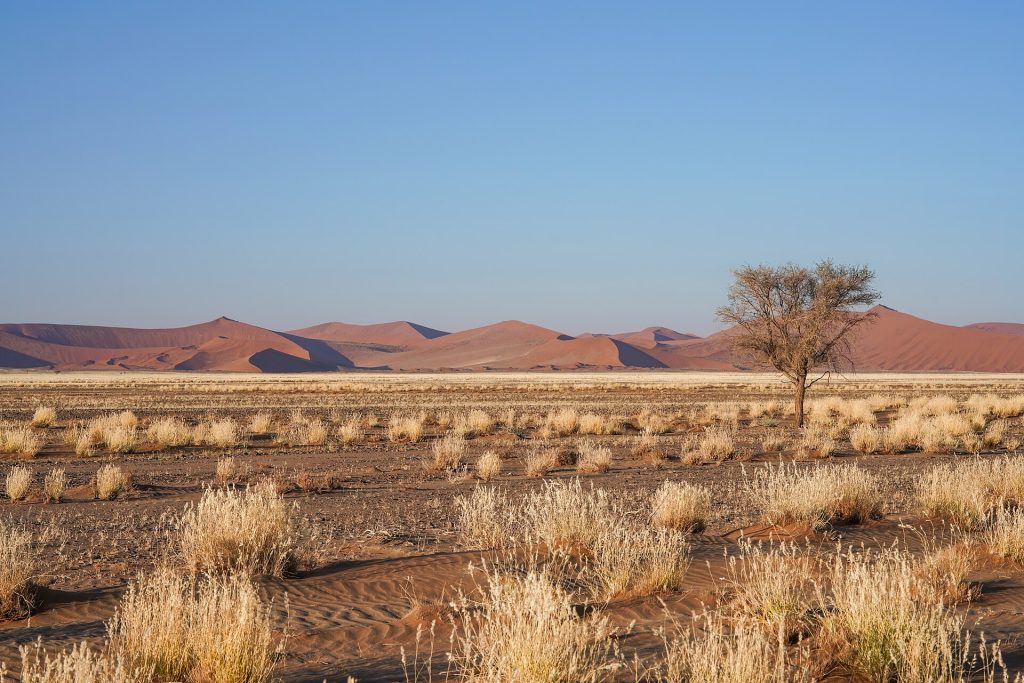
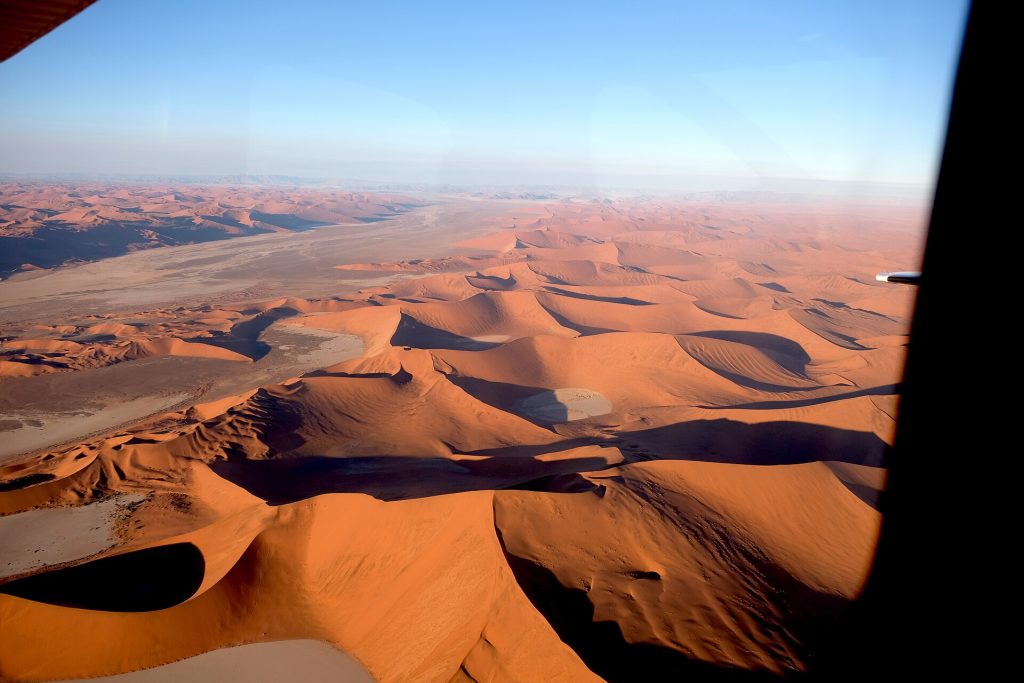
Sossusvlei is a pan, while Deadvlei is a distinct clay pan with dark, long-dead trees. Dune viewpoints and Sesriem Canyon add more possibilities to the wider trip. Namibia’s tourism information places these attractions in a much larger southern desert region, so distances matter. Choose one or two focal points for a morning rather than assuming every named stop is a short walk from the same car park. Confirm current park gate times, permit rules and the final sandy access section with the responsible operator before departure.
Prepare for exposure, not just photography
Sand and heat make a short mapped distance more demanding than it looks. Carry water, sun protection and closed footwear suited to hot sand. Start with an honest assessment of walking ability; climbing a dune is optional, and the view from below can be rewarding. A photographer should protect equipment from blowing sand and avoid trampling fragile surfaces or vegetation for a cleaner composition. If you are self-driving, ask where a standard vehicle must stop and whether a shuttle is operating rather than following an outdated online route.
Leave a margin around the desert day
Choose accommodation with the next morning’s access in mind, then check fuel and the condition of the onward road before leaving a service point. A delayed sunrise outing can affect a long drive later that day. Deadvlei’s stark trees are part of a sensitive landscape: stay on permitted routes, take all litter away and do not touch or climb the trees. The attraction is the contrast among dune, pan and light; slowing down often reveals more than adding one extra stop to an already hot itinerary.


The conversation
Join the discussion
Have a useful tip or a question about this journey? Share it with fellow readers. Please keep comments respectful and relevant.