
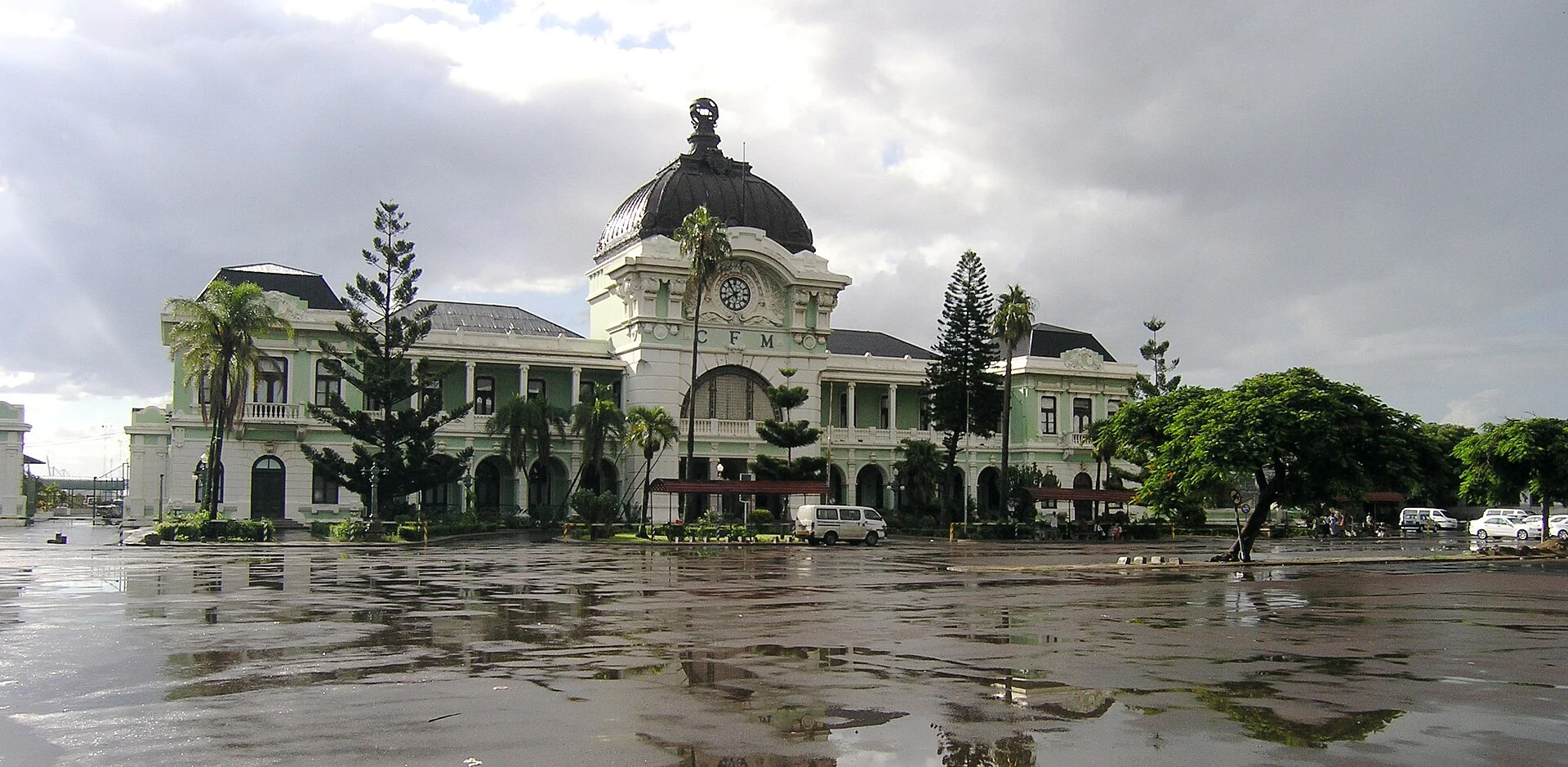
Use a walk to read the capital
Maputo’s broad avenues, waterfront and mixed architectural styles invite a city walk, but the details make it meaningful. Mozambique’s official tourism site suggests the central railway station, Praça da Independência, Casa de Ferro, Tunduru Garden and the fortress as useful landmarks. Rather than attempting a rapid circuit, choose a route that leaves space for a market stop and a meal. The city is an active capital, not merely a transfer point for beaches elsewhere.
Several central buildings reveal colonial history, independence and later urban life in one small area. A local guide can help connect these layers and introduce places that are easy to miss. Ask about the guide’s route and fee before starting, and be sensitive when photographing people or working markets.
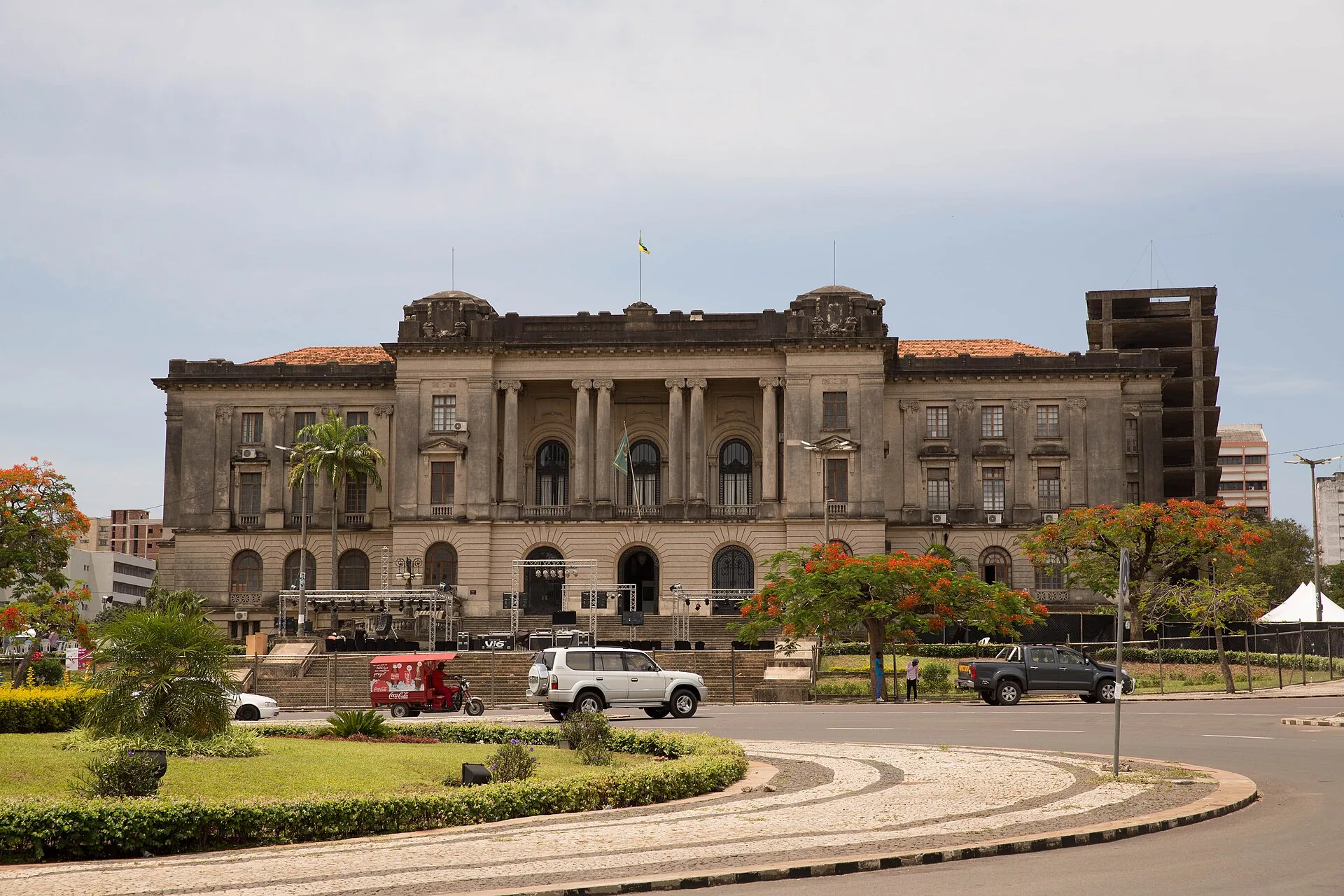
Let food and culture set the pace
Maputo’s food reflects Mozambique’s coastal position and diverse influences. Seek an established local restaurant or market stall and ask about regional dishes rather than relying on a generic “African cuisine” label. Mozambique Tourism also highlights cultural events and festivals; check a current calendar if music or performance matters to you. A morning walk and a long lunch often produce a better day than a string of brief stops.
Heat and traffic are practical considerations. Carry water, keep valuables discreet and use a trusted transport option for longer gaps between neighbourhoods. Confirm museum access and opening hours directly, because listings may become stale.
Consider a second day
If time permits, use another day for a museum, coastline or a guided trip with clear transport arrangements. Do not confuse the city of Maputo with the surrounding province: trips to islands or reserves can require separate logistics. The useful question is what you want to understand, not how many pins you can fit on a map. Treat Maputo as a cultural destination in its own right and it will offer far more than an overnight stop.
Consider grouping landmarks geographically so a walk remains comfortable. A museum visit can supply a pause from midday heat; a guided food stop can add context to ingredients and daily eating. Let your route follow the city rather than the other way around.
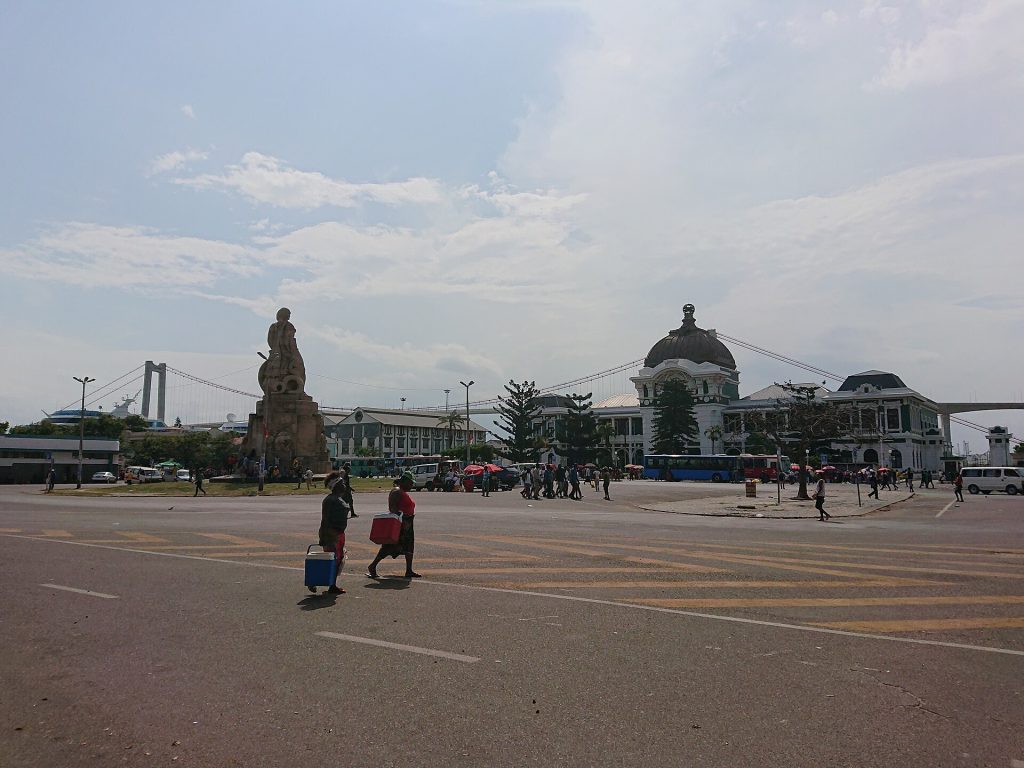
Turn the central landmarks into a coherent walk
Start near Praça da Independência and trace a route toward the railway station, Tunduru Garden and the waterfront, adjusting the order to your accommodation and the day’s heat. These are among the landmarks identified by Mozambique’s tourism office. Check opening access for individual buildings; an exterior view does not imply that an interior is open to visitors. A local guide can connect architectural styles to independence, trade and present-day city life. Agree on the guide’s fee and route before setting off.
Give markets their own time
A market is a workplace, so avoid treating vendors as an attraction. Ask before photographing a person or stall, and buy something when you genuinely want it rather than offering payment for an intrusive portrait. Keep valuables discreet and use a bag that leaves your hands free. A short, respectful conversation about food or craft can be more informative than racing through several markets. If a specific market is the main reason for your walk, check its current operating hours locally on the day.
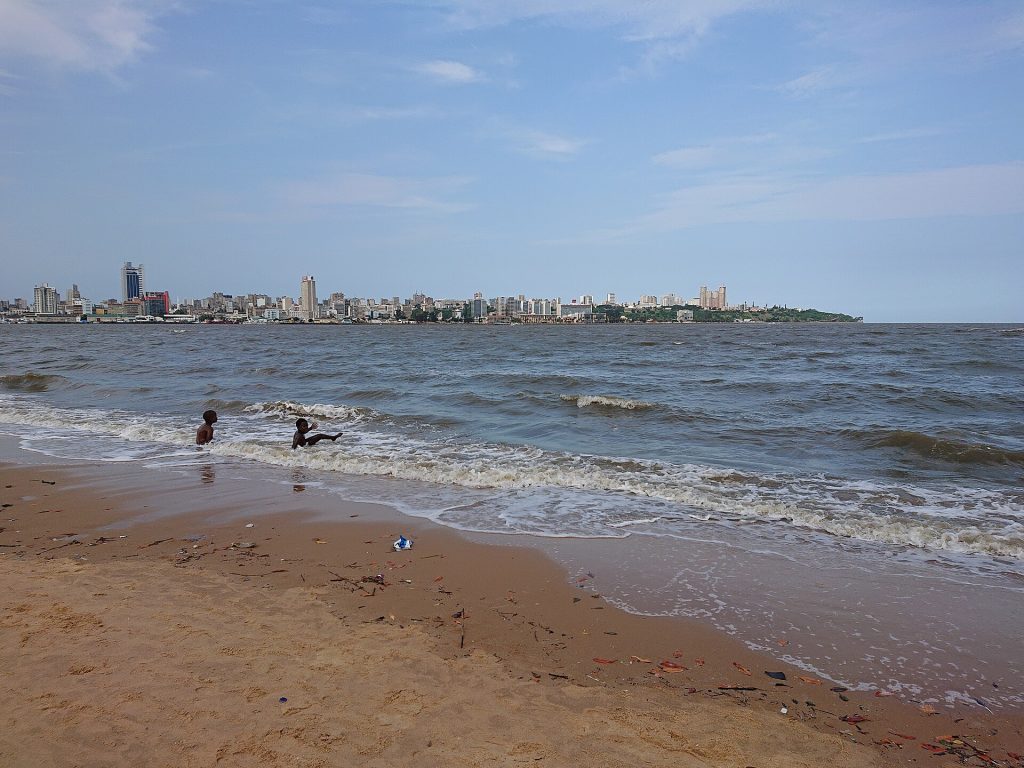
Plan the practical return
Maputo’s wide streets do not remove the need for sensible urban planning. Identify a clear end point and a known transport option before leaving, especially if dinner or a cultural event will finish after dark. Carry drinking water and allow time for traffic when connecting to a bus or flight. For visitors with limited mobility, ask a guide about pavement conditions and crossing distances rather than judging a route from a map alone. A focused central walk leaves room for the city’s contemporary culture, food and waterfront instead of turning Maputo into a list of colonial-era buildings.



The conversation
Join the discussion
Have a useful tip or a question about this journey? Share it with fellow readers. Please keep comments respectful and relevant.