
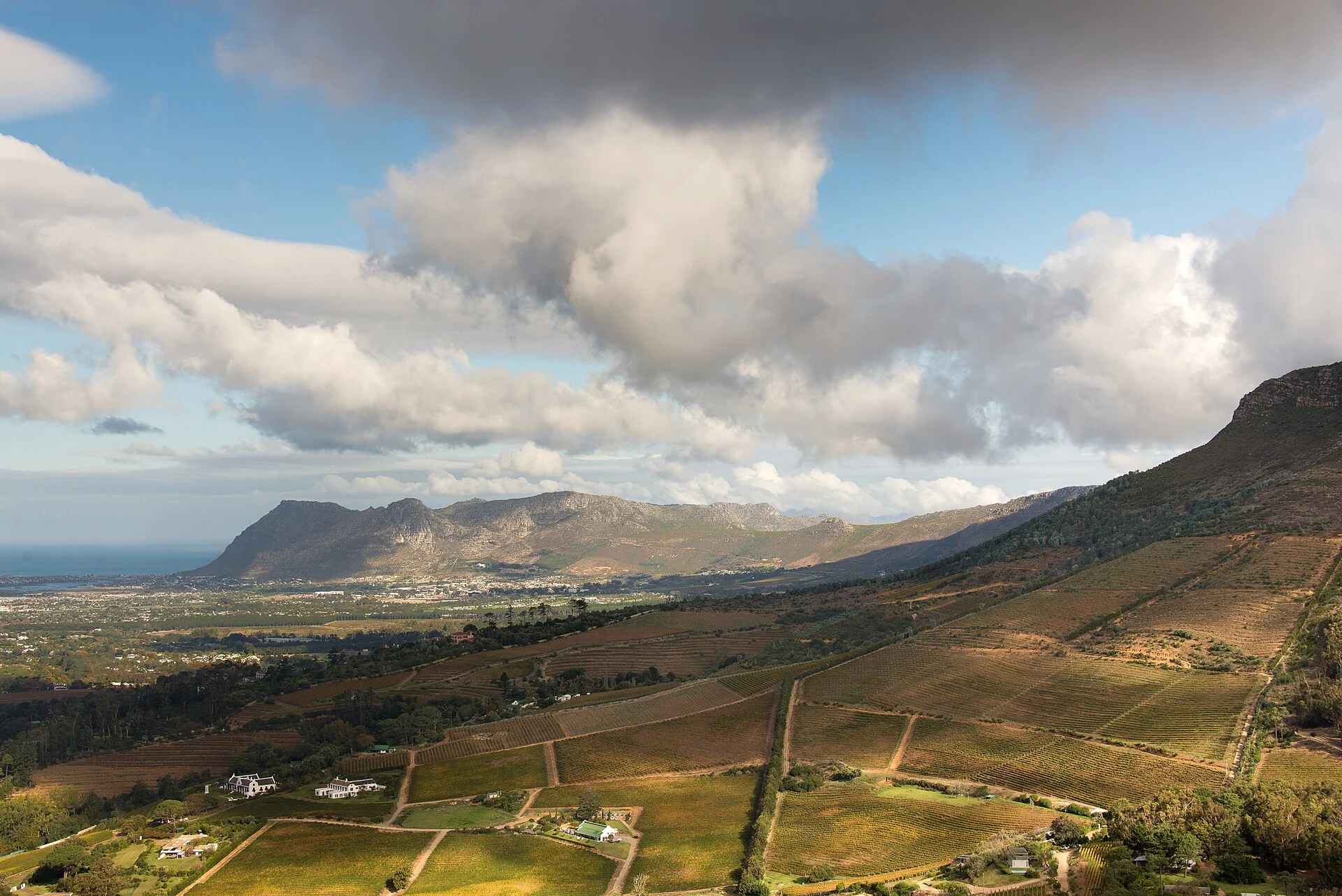
Close to Cape Town, different in pace
Constantia sits within Cape Town’s leafy southern suburbs and is known for its wine estates and restaurants. Cape Town Tourism identifies it as a wine route, with historic farms close enough that visitors can choose a small number rather than spend a day on long transfers. The valley’s appeal is that a tasting can be paired with architecture, gardens or a meal. It is better as a slow day than a competition to collect labels.
Groot Constantia’s visitor route combines a manor house museum, cellar and wine experience. It offers one way to place wine in historical context, including the farm’s place in the Cape’s colonial economy. Ask questions about labour and land as well as varieties and vintages; the setting is beautiful but its history is complex.
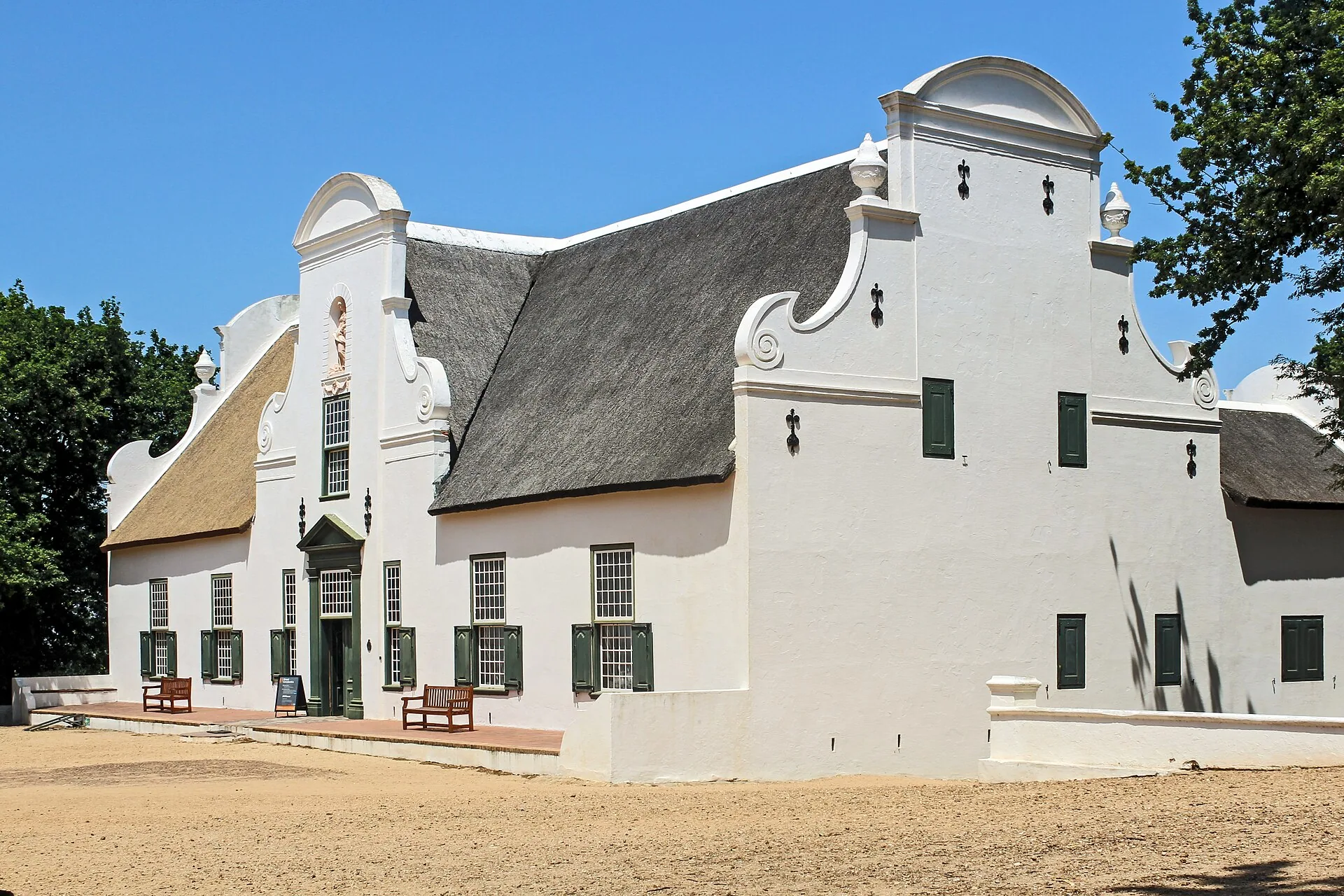
Plan transport around tastings
Arrange a driver, recognised tour or other safe return transport before the first tasting. If you drive, make a designated driver part of the plan. Book any special cellar tour or meal ahead and confirm the current hours directly with the estate. A good sequence is one historical stop, a relaxed lunch and one additional estate chosen for its landscape or style. Leave time to walk where permitted rather than moving directly from car to tasting counter.
Wine is not required to enjoy Constantia. Some estates offer grounds, food or heritage interpretation; confirm non-drinking options and accessibility before visiting. The day can work for mixed-interest groups when everyone has a reason to be there.
Keep the wider city in frame
Constantia is one chapter of Cape Town, not a substitute for the city’s other neighbourhoods and landscapes. It pairs well with a broader stay that includes museums, mountain walks and local food. Check current travel advice, estate policies and reservations before setting out. A well-paced day respects both the valley’s pleasures and the people and history behind them.
Ask how each estate describes its agricultural practices and who leads the tasting. The most useful conversations can be about climate, soil and the people doing vineyard and cellar work, not solely about awards or price. This gives a beautiful valley a fuller story.
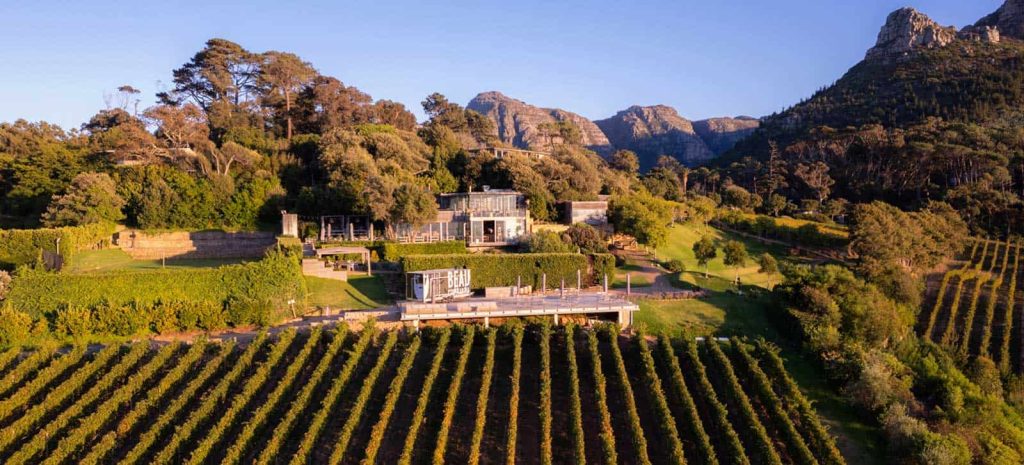
Choose an estate for history as well as tasting
Groot Constantia is useful as a first stop because its visitor route connects a manor house, cellar and wine experience. Cape Town Tourism describes the choices, including a self-guided or guided cellar visit. Check the estate’s current ticket and booking details before going; a tasting alone and a fuller visitor route may be sold differently. The farm’s setting also invites questions about the people whose labour sustained the Cape wine economy. A guide or museum visit can provide more context than a glass poured without a story.
Make a safe, unrushed tasting day
Two estates with a meal between them are usually a more comfortable plan than a series of quick stops. Decide how you will return to Cape Town before the first tasting: use a designated driver, booked car or organised tour. Confirm pickup times because estates and restaurants do not necessarily share an entrance. Non-drinkers should ask about gardens, heritage rooms or dining options; the valley is still worthwhile without wine. If you want to buy bottles, check transport and baggage rules before building a shopping plan.
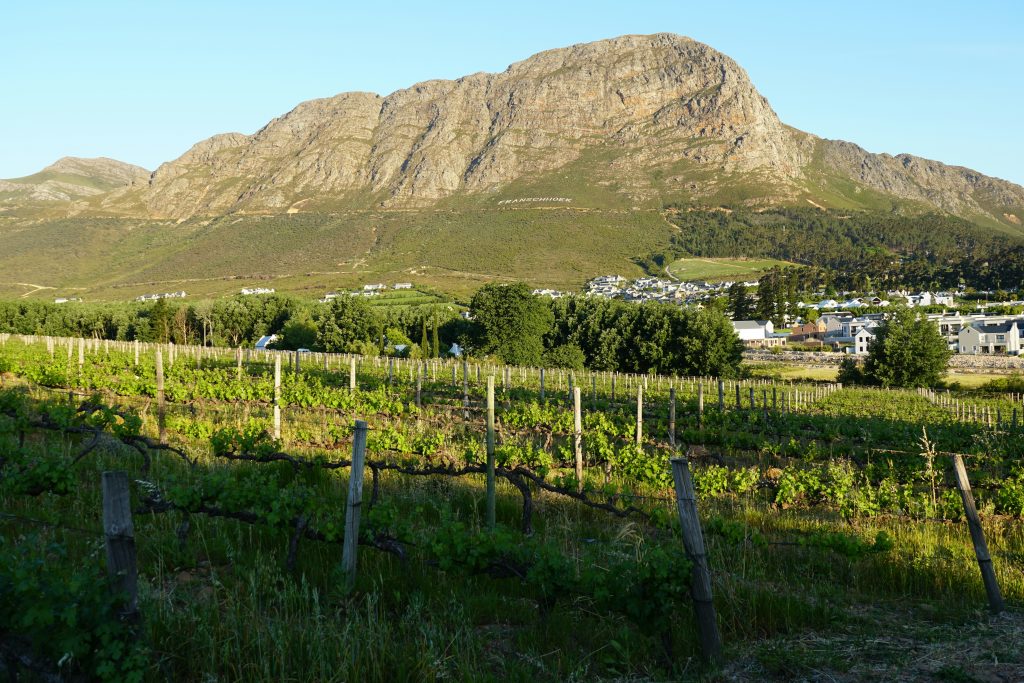
Fit Constantia into a wider Cape Town visit
Constantia’s green landscape can feel far from the city, but it is one part of Cape Town rather than a substitute for it. Pair the day with separate time for neighbourhood history, a museum and the coast. Weather can affect garden walks and outdoor dining, so keep an indoor option in mind. For mobility needs, ask each venue about steps, slopes and accessible tasting areas in advance. The best choice of estate depends on whether you value architecture, a long lunch or an explanation of the region’s complicated past.


The conversation
Join the discussion
Have a useful tip or a question about this journey? Share it with fellow readers. Please keep comments respectful and relevant.