
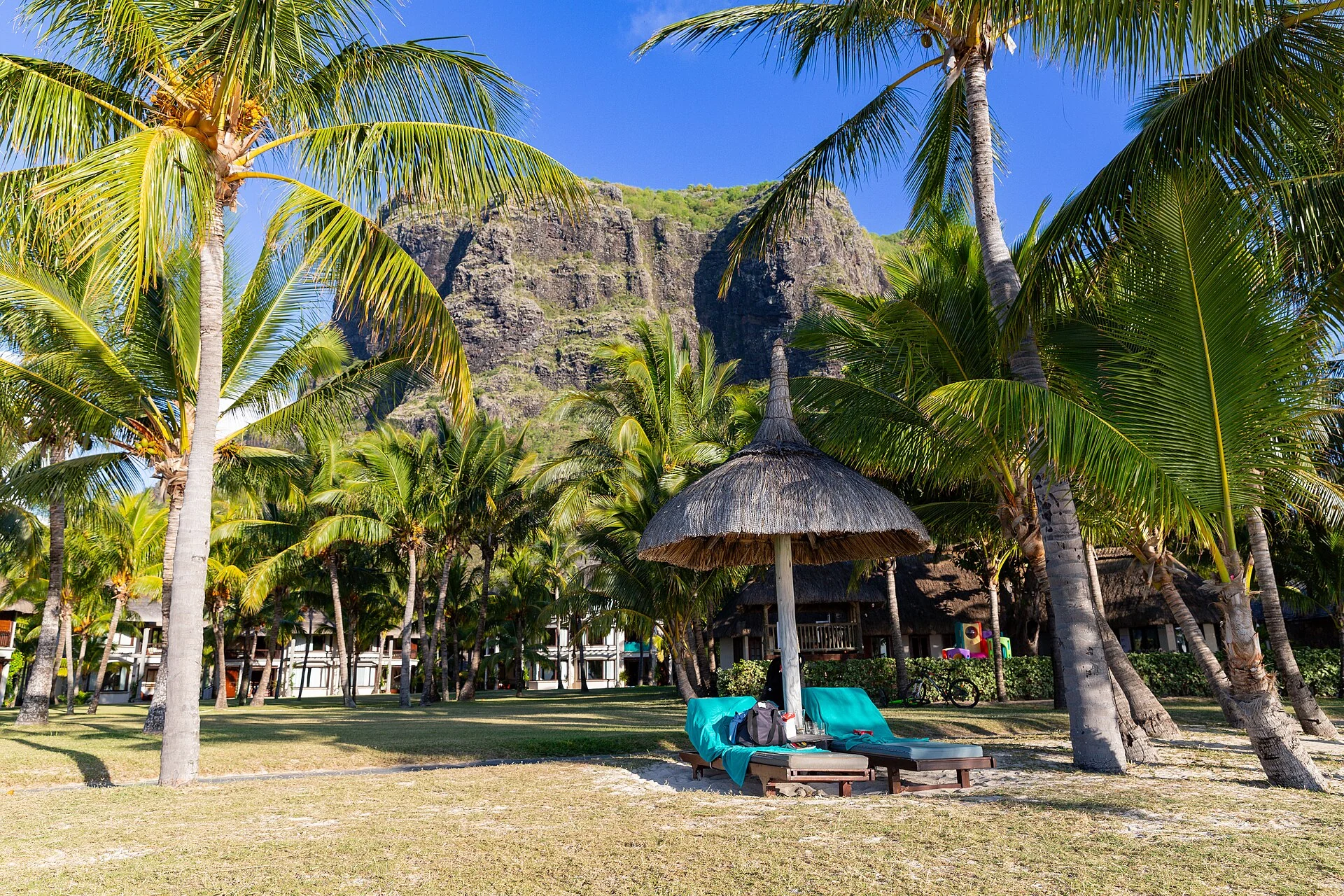
Begin with meaning, not only scenery
Mauritius is often introduced through beaches and lagoons, but Le Morne Cultural Landscape asks for a different kind of attention. UNESCO records the mountain’s role as a refuge for people escaping enslavement in the eighteenth and early nineteenth centuries. It remains a symbol of resistance and freedom. A visit should respect that memory rather than reduce the mountain to a dramatic photo backdrop.
If you plan to hike, check the current authorised route, weather and guide requirements with local managers. The landscape is steep and culturally significant. A coastal view or interpreted visit may be more suitable than a summit attempt for some travelers.
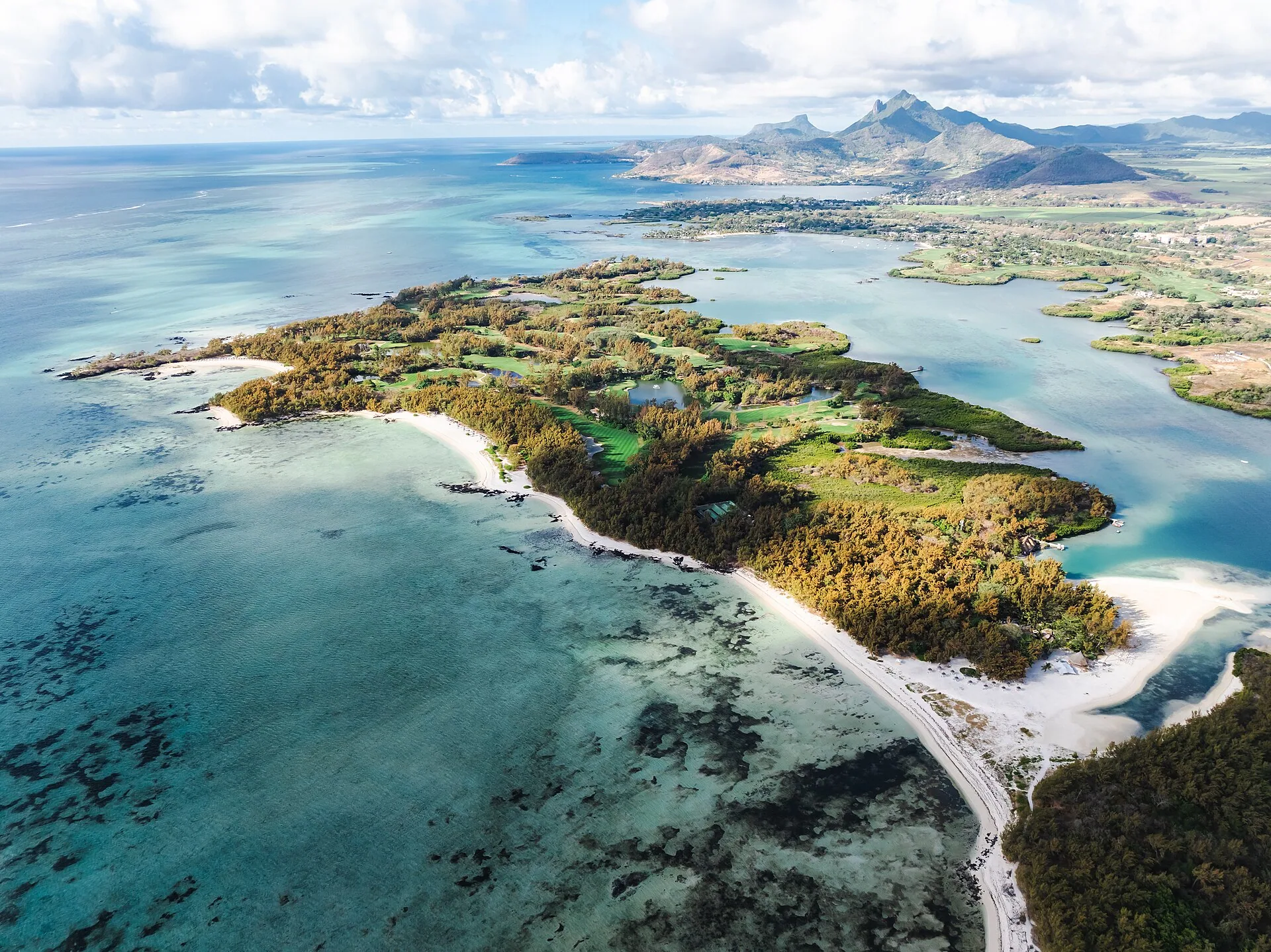
Make an inland day
Set aside time for the island beyond a resort beach. Forest, small towns, food markets and viewpoints can give the trip more texture. Choose a manageable route and a local guide if you want help connecting ecology and history. Mauritius is culturally diverse; a meal or market visit is an opportunity to learn about local traditions without treating them as a generic island performance.
Do not plan an inland circuit by straight-line distance alone. Roads and weather affect timing, and a crowded day can leave little time to understand a place. Keep one main destination and a few small stops.
Use the beach as a complement
Lagoon time still matters. Ask about safe swimming and marine rules where you stay, and avoid standing on coral or taking shells from protected areas. A balanced itinerary might give one day to Le Morne and its interpretation, one to inland exploration and another to an unhurried coast. Check current access and transport before departure. The island’s strongest story is the relationship among natural beauty, difficult history and the people who live there today.
Le Morne’s heritage should be explained by informed local voices. Ask for interpretation that covers the history of enslavement and resistance accurately and with care. The mountain’s symbolic significance continues beyond the tourist trail, and listening is as important as looking. Support guides who work respectfully with local heritage groups.

Let Le Morne’s history lead the day
UNESCO describes Le Morne as a refuge for people who escaped enslavement and as a landscape tied to oral traditions of resistance. Begin with that history, whether through interpretation, a local guide or careful reading, before choosing a viewpoint or walk. Avoid language that turns the place into an empty adventure setting. Ask a guide how the visit addresses the memory of the maroons and whether a chosen trail is appropriate for your ability and the day’s conditions.
Decide whether to hike
The mountain is steep and exposed, so a summit is not a requirement for a meaningful visit. Confirm current authorised paths, access and guide rules with local managers rather than following an old online track. Carry water, sun protection and suitable footwear if walking. If the weather or mobility makes the climb unsuitable, choose an interpreted lower-level visit and take time to see the landscape from a respectful distance. A photograph does not justify leaving a permitted route.
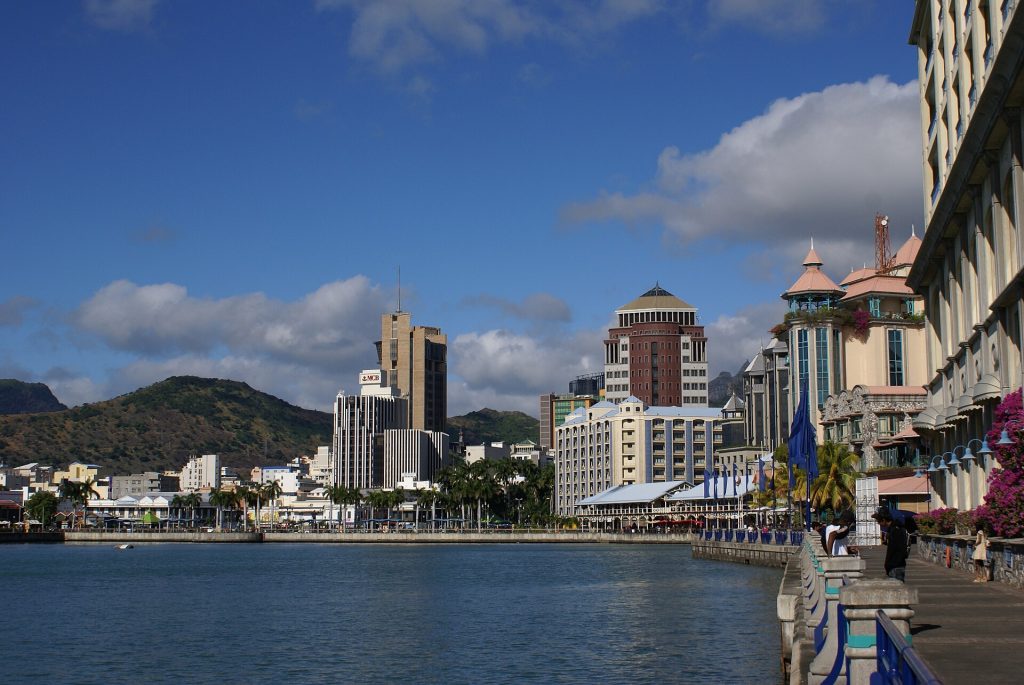
Add an inland chapter
After the southwest coast, dedicate a separate day to Mauritius’s green interior, a market town or a cultural site rather than merely repeating beach time. Check travel time across the island and opening hours before joining several distant stops. For a locally guided visit, ask who leads it and how the community benefits. This combination lets the coast, the memory of Le Morne and contemporary Mauritian life share the itinerary. It gives the trip more depth without making the heritage landscape carry every expectation of a resort holiday.


The conversation
Join the discussion
Have a useful tip or a question about this journey? Share it with fellow readers. Please keep comments respectful and relevant.