
Let the mountain set a flexible day
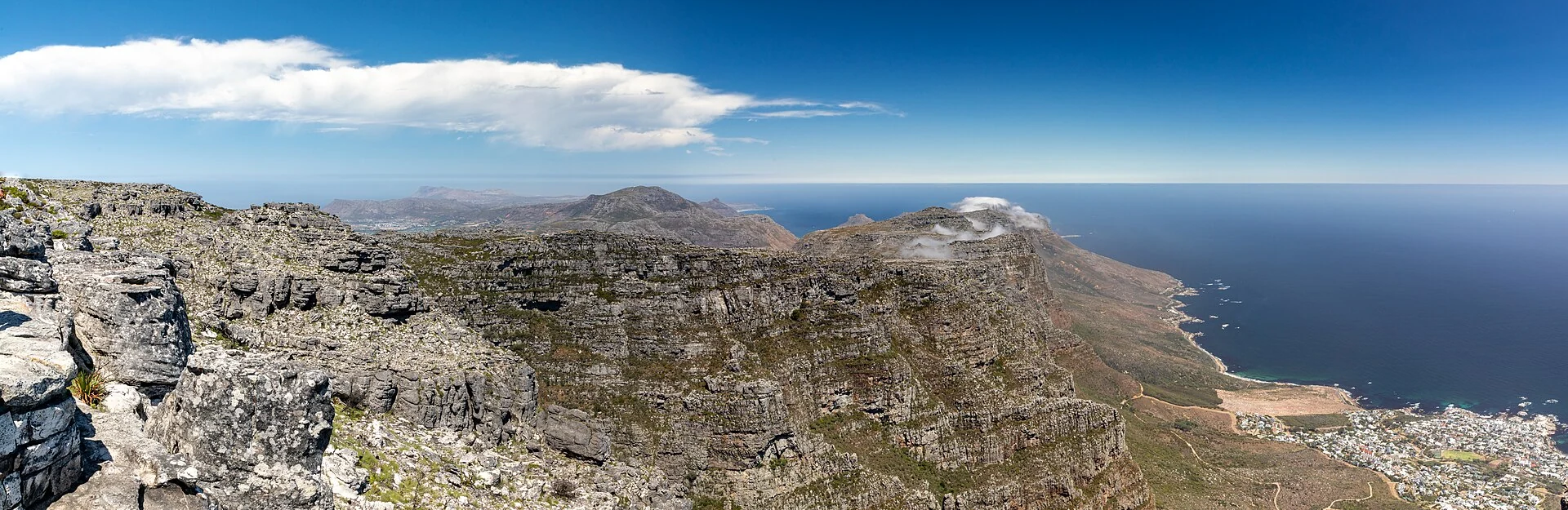
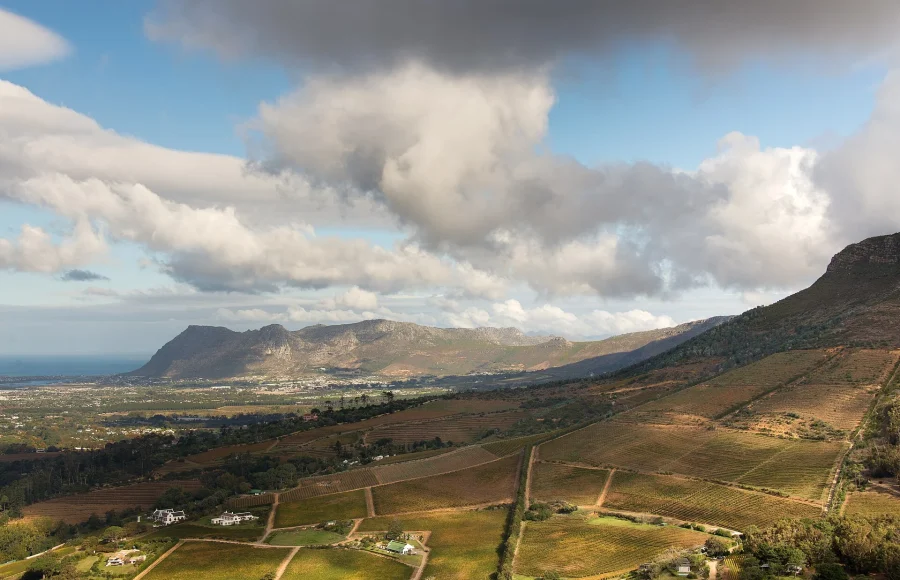
Table Mountain is Cape Town’s visual anchor, but clouds and wind can change access. Cape Town Tourism recommends researching hiking routes carefully and recognising that many are steep. Keep the mountain day flexible rather than pinning it to a single morning. If using the cableway, verify current operations before departure. If hiking, choose a route that matches ability, go with others and carry water and warm layers.
From the summit or slopes, the city’s geography becomes clearer: built neighbourhoods, coastline and mountain are closely intertwined. That view is an introduction, not the whole story. Set aside another day for a museum, locally guided neighbourhood walk or food experience that adds human context.
Give the peninsula its own time
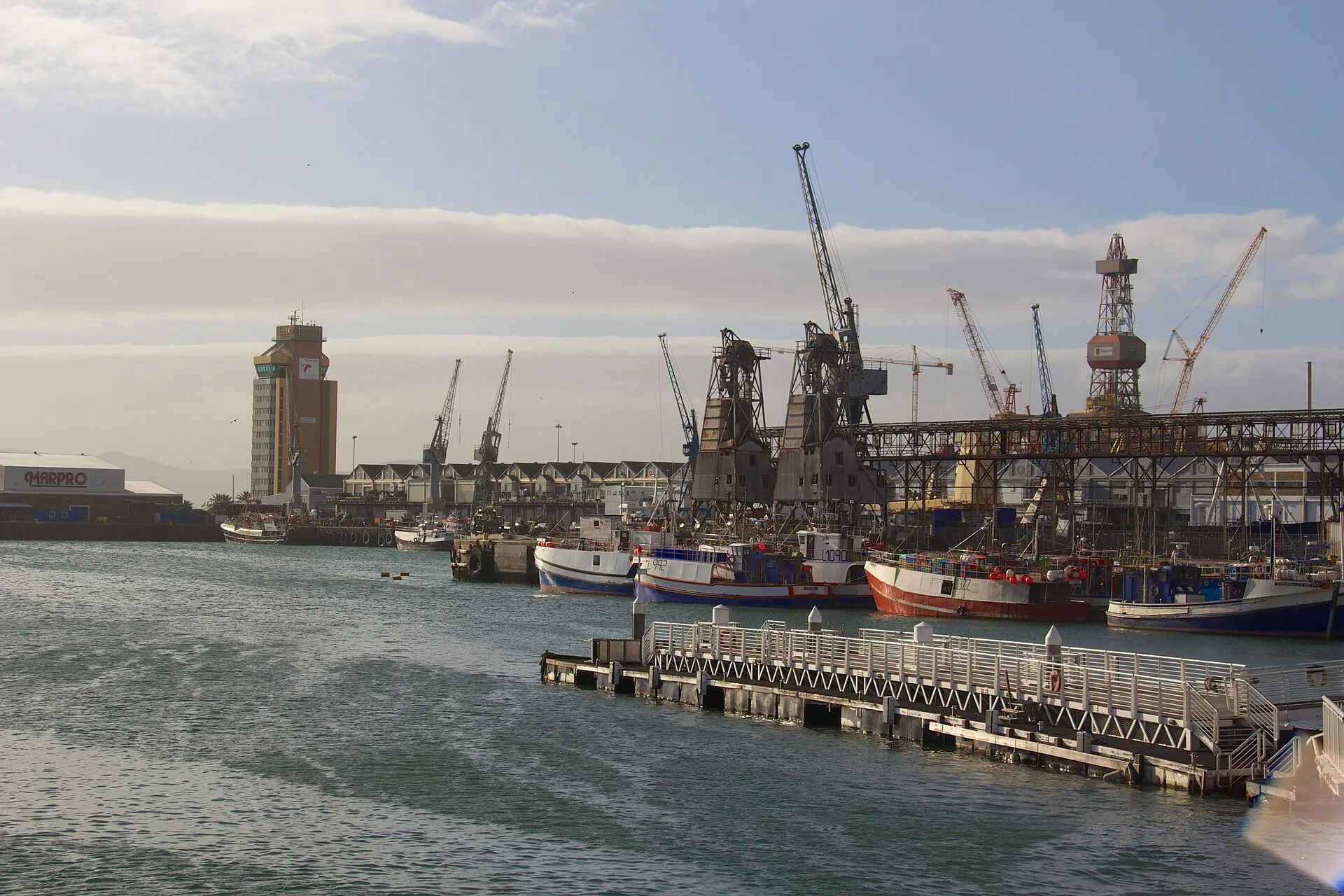
Cape Point lies within a managed section of Table Mountain National Park. A drive there can take much of a day when combined with coastal stops, so avoid adding it to an already full city schedule. Check official park conditions, weather and return time. Stay on designated paths and treat wildlife as wild even when it appears accustomed to visitors.
A city day, a mountain day and a peninsula day make a sensible outline. The order should respond to forecast rather than a rigid itinerary. If the mountain is closed on your chosen day, swap in culture or coastal walking and try again later.
Travel thoughtfully across the city
Cape Town has many distinct communities and complicated histories. Choose local guides and institutions that explain them rather than framing the city only through scenery. Plan transport for evenings and longer distances, and confirm opening hours for attractions. A good first visit leaves room for a meal, conversation and a changed plan. Mountain and sea create the setting; people give the journey its depth.
When planning the peninsula, remember that an attractive coastal road is still a road with travel time and possible traffic. Build in one unplanned stop, then return before fatigue sets in. Check whether a viewpoint or beach lies within a managed park and follow its rules.
Keep the mountain day movable
Weather can close a cableway or make a walk unsafe, so treat Table Mountain as the flexible part of a three-day plan. Cape Town Tourism explains ways to reach the mountain and activities at the top. Check the cableway’s live status and forecast on the day, and choose a hike only if the route, conditions and your group are suitable. A summit visit is not the only way to understand the mountain: lower trails and city viewpoints can still place Cape Town’s neighbourhoods and coastline in view.
Use the second day for people and place
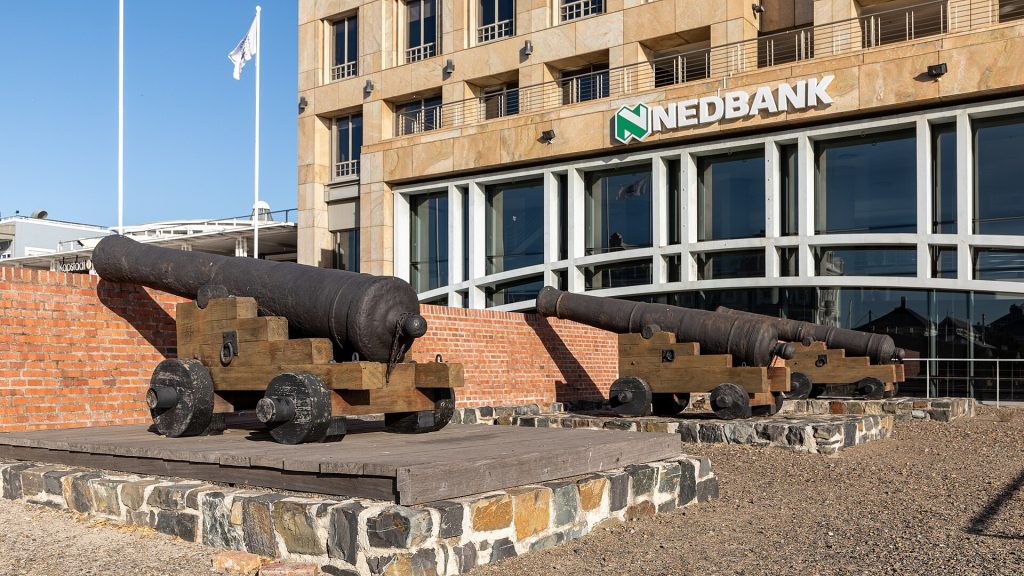
Choose a museum or a locally guided walk that explains Cape Town’s social history, then spend time in a neighbourhood where people live and work. This balances the panoramic introduction with the city’s human stories. Book any specialist guide through a credible local organisation, agree on meeting place and duration, and ask before photographing people. If rain changes the day, an indoor cultural stop can replace a long outdoor route without making the itinerary feel lost.
Give the peninsula its own travel time
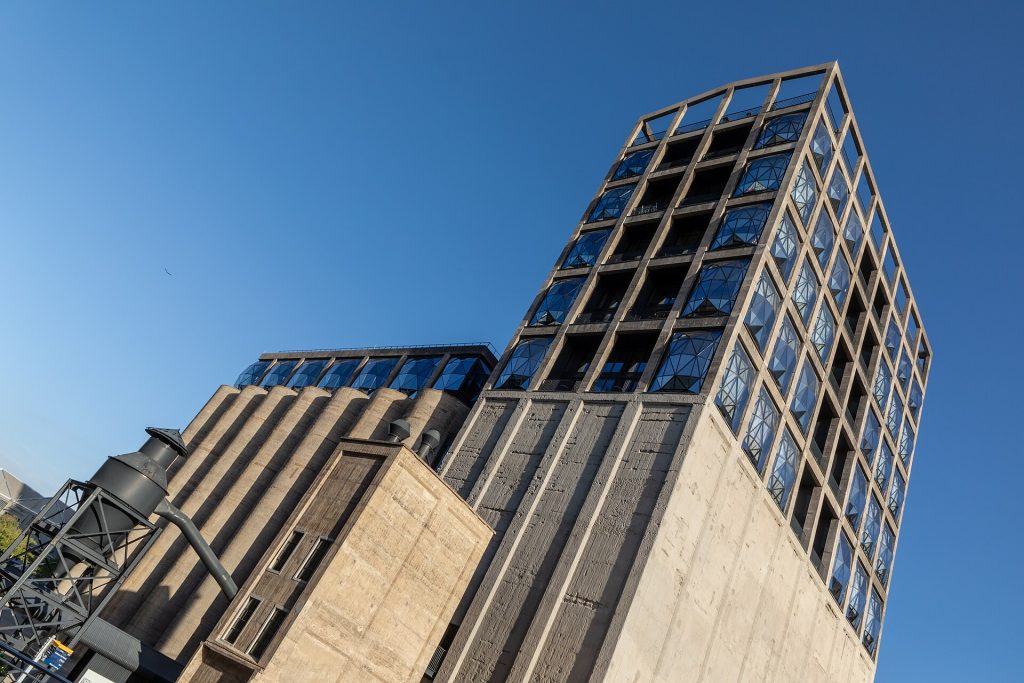
A Cape Point outing is a substantial day, with scenic stops and variable coastal weather. Cape Town Tourism’s peninsula guide is a starting point for selecting stops rather than an invitation to fit them all in. Confirm entry, transport and return timing; a self-drive traveller should avoid making the final leg an exhausted night drive. Keep a warmer layer even when the city is sunny. At beaches and viewpoints, follow local safety guidance and never assume a photogenic stretch of water is safe to swim.


The conversation
Join the discussion
Have a useful tip or a question about this journey? Share it with fellow readers. Please keep comments respectful and relevant.