
The plateau is an ancient system
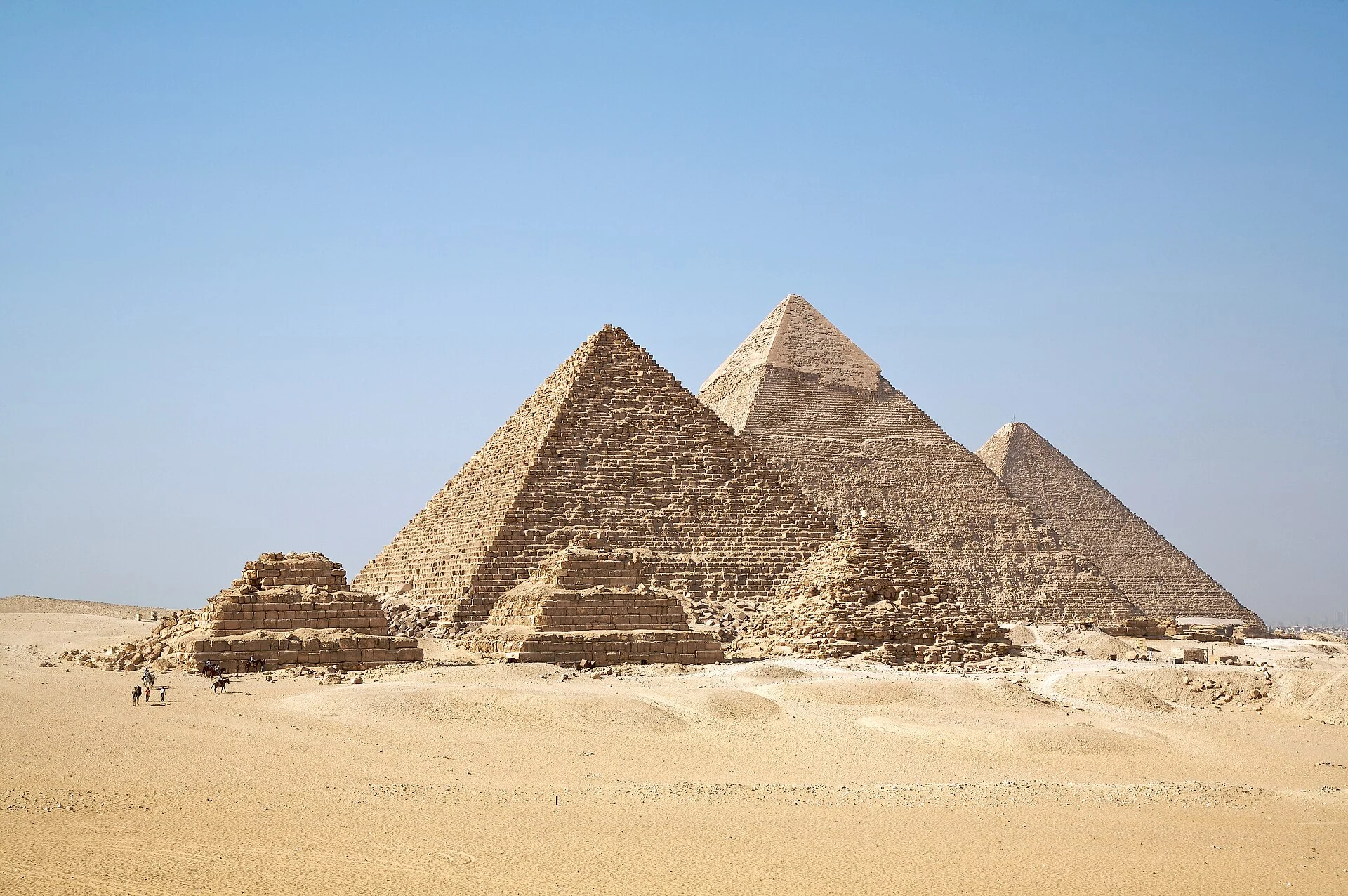
The pyramids of Khufu, Khafre and Menkaure dominate the Giza Plateau, but Egypt’s Ministry of Tourism and Antiquities explains that each royal pyramid belonged to a larger complex. Temples, causeways, subsidiary pyramids and cemeteries all formed part of the setting. Once you recognise those relationships, Giza becomes more than three isolated silhouettes and a Sphinx. A guide can help map the visible remains and explain what archaeologists know, and what remains uncertain.
The ministry’s page on the workers’ town also provides an important corrective to simplistic stories about construction. Archaeological remains reveal settlements, food supplies and burial grounds associated with the people who built the complexes. Include that human history in the visit rather than seeing the site only through kings.
Plan tickets and movement
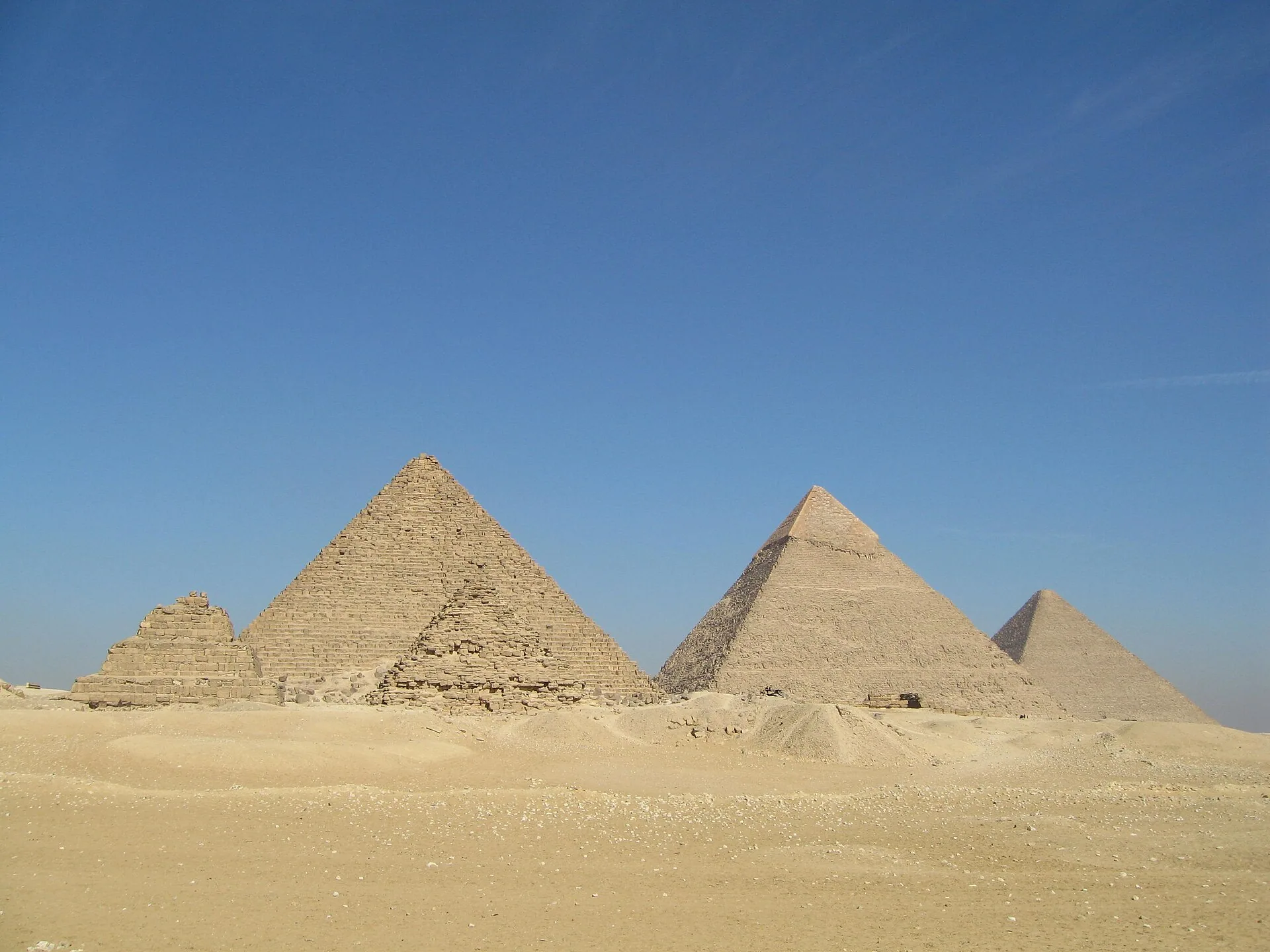
Check the official ticket page before arrival. General plateau admission may not include entry inside particular pyramids or selected tombs, and these options can change. Decide whether an interior visit matters to you: narrow, warm passages are not suitable for everyone and the exterior archaeology may be more rewarding for some. Arrange a meeting point with any guide or driver and allow more time than a quick photo stop.
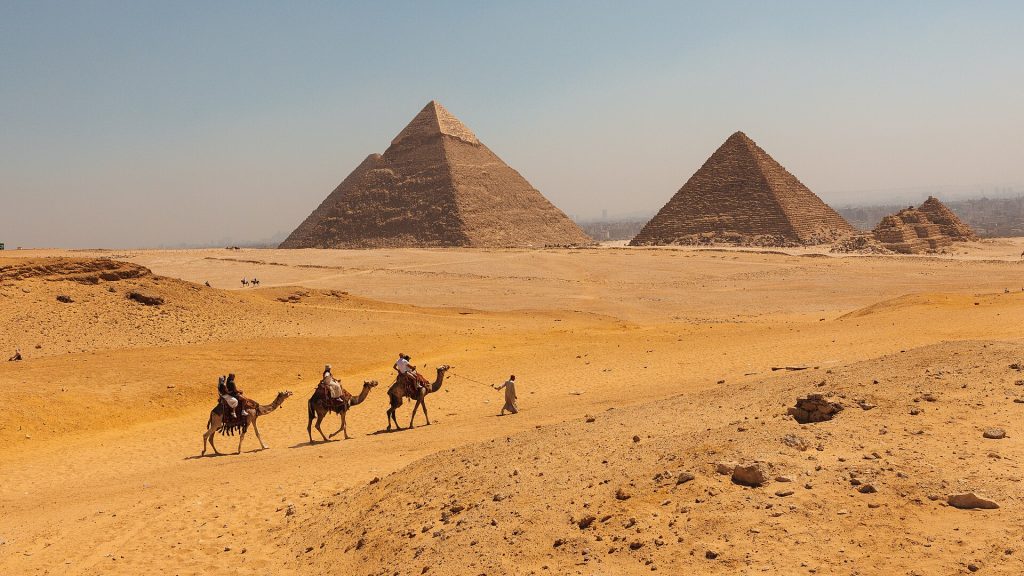
Carry water, sun protection and shoes suited to uneven ground. Follow marked routes and never climb monuments or touch decorated stone. For animal rides or informal services, establish terms clearly beforehand and consider the welfare of working animals.
Connect Giza to a wider stay
A half-day with interpretation can be more meaningful than rushing between viewpoints. Pair Giza with a separate museum or Cairo neighbourhood on another day, so each place receives attention. Check current opening hours, access rules and transport conditions through official channels. The plateau’s real scale, landscape and labour history are the reasons to visit; a single photograph cannot contain them.
Giza is exposed, so midday heat can make even a short walk uncomfortable. If you are traveling with children or someone who needs frequent rests, agree on a smaller route in advance. There is no requirement to see every structure to appreciate the whole plateau.
Read each pyramid as part of a complex
At Giza, look beyond the three large pyramids for the causeways, temples, smaller pyramids and cemeteries that explain how each royal complex worked. The Egyptian Ministry of Tourism and Antiquities sets out the relationships among Khufu, Khafre, Menkaure and the Great Sphinx. A guide who can point out what is visible on the ground may be more valuable than one who simply drives between photo stops. Ask what entrance, walking route and separately ticketed interiors your visit includes before agreeing to a tour.
Include the people behind the monuments
The ministry’s account of the workers’ town and cemetery describes settlement remains and an organised community associated with pyramid construction. That evidence makes the labour story more specific than a myth about anonymous workers. Read about the settlement before visiting, because not every archaeological area is necessarily open on the same ticket. A visit to an accessible museum or interpretation display can add context even if the settlement itself is not part of the route.
Plan for a large, exposed site
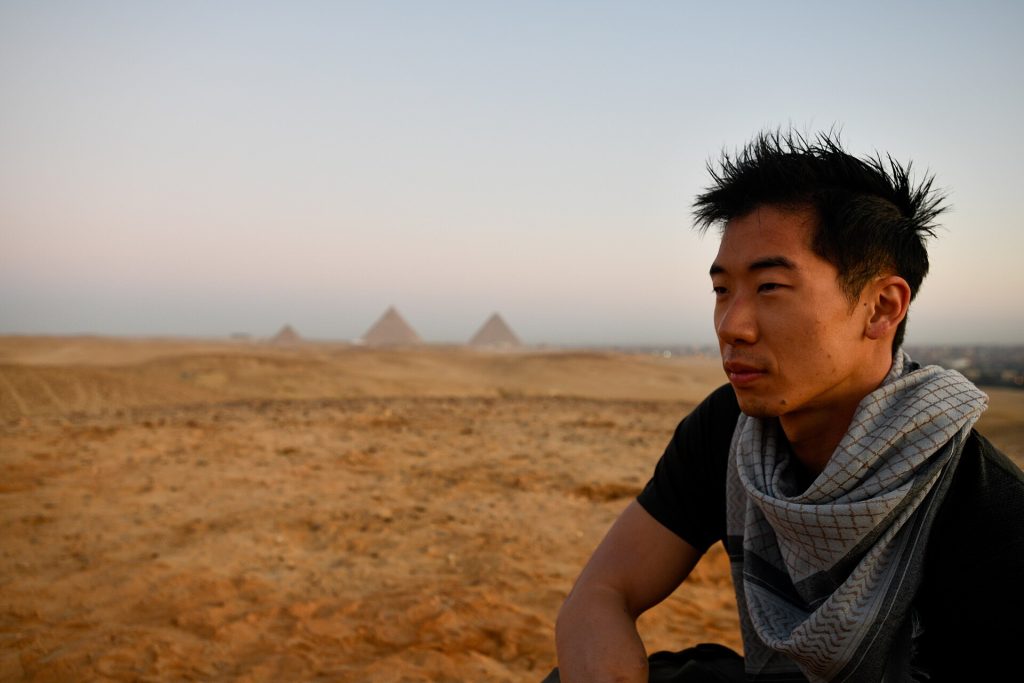
Giza involves distances and sun exposure that a single dramatic photograph hides. Start with water and a route that matches your walking ability, and check current opening times and ticket rules at the official source. A pyramid interior may involve confined passages and is not essential to understanding the plateau; decide based on comfort, access and cost. Follow marked paths, do not climb protected structures and refuse any pressure to treat an unsolicited service as included. A slower route that connects monuments and people yields a more complete view of ancient Giza.


The conversation
Join the discussion
Have a useful tip or a question about this journey? Share it with fellow readers. Please keep comments respectful and relevant.