
Guangzhou has been shaped by trade for centuries, and that history remains visible in its architecture, food and busy riverfront. A first visit works best when you connect older districts with one modern viewpoint rather than racing between shopping malls and landmarks.
Look for the layers
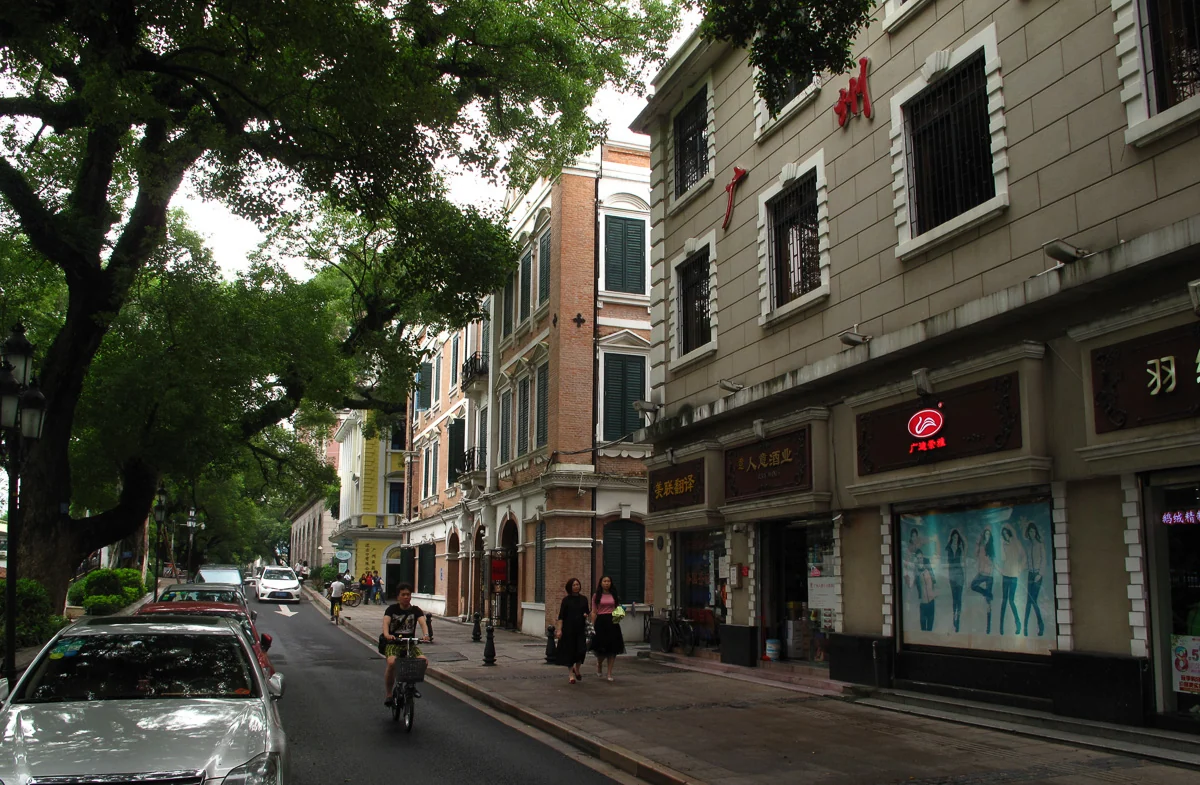
Begin with a walking route around historic streets and Shamian Island, where surviving buildings reflect a complicated period of foreign commercial presence. Read the interpretation critically: a handsome façade is only one part of the story. Keep to public areas, respect residents and check whether individual buildings are accessible before entering. Another useful stop is the Chen Clan Ancestral Hall, associated with Lingnan craftsmanship and decorative arts; verify current exhibitions and entry arrangements through local official channels.
Food is central to a Guangzhou visit. Dim sum is best approached as a meal to share, with time to compare dishes rather than a quick photo stop. Menus vary by restaurant, and dietary needs are easier to handle when written in Chinese as well as English. If you are unfamiliar with local specialties, ask staff for a modest selection and be willing to try something beyond the most photographed items.
End near the Pearl River
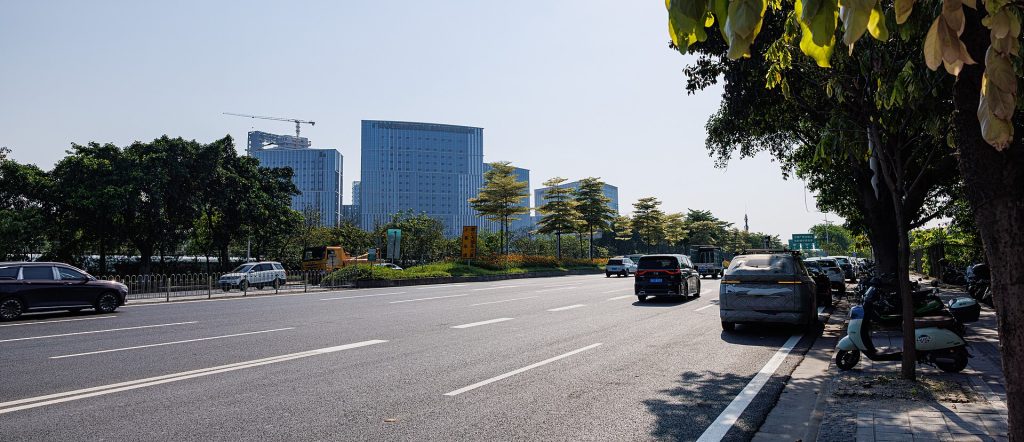
Leave the later part of the day for the riverfront. The view of contemporary towers provides a counterpoint to the older commercial streets. A public promenade can be enough; a cruise is optional and should be booked through a reputable operator after checking current details. The Guangzhou culture and tourism bureau offers official city context.
Check local transport, payment methods and museum hours before departure. Guangzhou is a large working city, so allow time for transfers and avoid treating its distinct districts as if they were one compact old town. The reward is a trip that connects historic exchange with a modern South China metropolis.
Language and practicalities
Save destination names and addresses in Chinese characters on your phone before leaving Wi-Fi. This helps with directions, taxis and restaurant conversations. Confirm which mobile services and payment methods will work for your trip, and keep a backup for transport. Museums may require advance reservations or identity documents; check their official pages rather than depending on a generic booking platform. A little preparation makes it easier to spend your time exploring instead of troubleshooting.
Trace the trade story across different eras
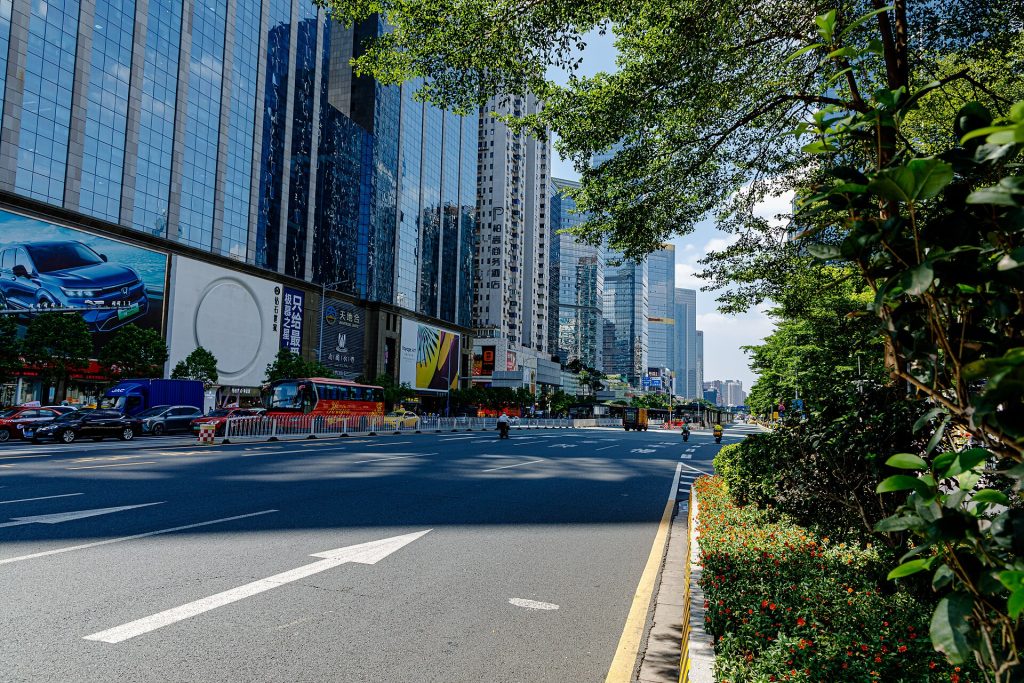
Guangzhou’s identity as a trading city is best explored through places rather than a list of dates. The municipal government portal and its visitor heritage material provide local starting points. Choose one historic commercial district, read plaques where available, then compare it with the modern riverfront. Treat any surviving facade as one layer of a city that has repeatedly changed, not as a complete picture of the past.
Use the river as orientation
A Pearl River walk helps locate bridges, older streets and newer towers without booking a cruise by default. If a boat trip is appealing, check the operator, boarding point and weather policy on the day. Distances along the water can look shorter than the pedestrian route; choose a section with convenient transit at both ends.
Let food be specific
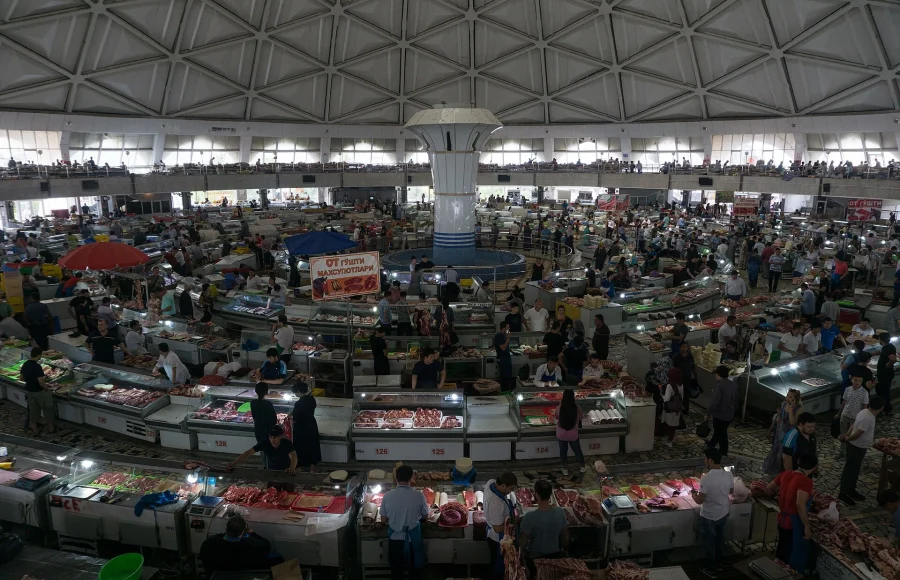
A market or local restaurant visit can explain the city’s everyday trading culture better than a generic claim about Cantonese cuisine. Seek a busy establishment, read posted prices and ask permission before photographing staff. Check opening hours and payment methods shortly before departure. The most useful itinerary may be a morning heritage walk, a long lunch and an evening river view.
A small notebook can help connect names, building uses and waterfront changes encountered on the walk. Verify any historical claim against a museum or municipal interpretation before repeating a guide’s anecdote as settled fact.





The conversation
Join the discussion
Have a useful tip or a question about this journey? Share it with fellow readers. Please keep comments respectful and relevant.