
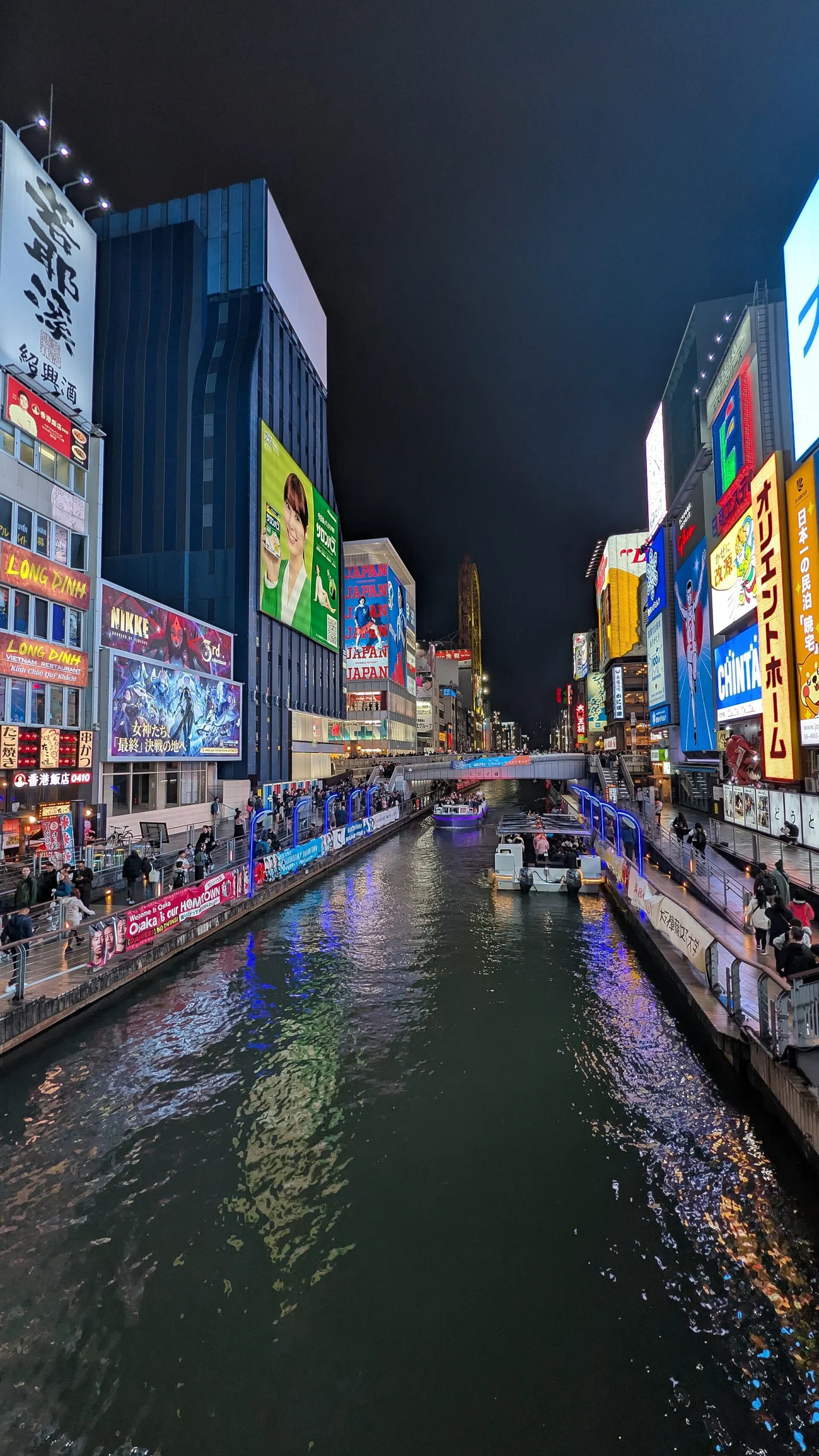
Osaka’s reputation for lively streets and satisfying food is deserved, but a visit benefits from some historical context. Set aside one part of the day for the castle district and another for food and neighborhood walking. This avoids spending the entire stay under the brightest signs.
Begin around the castle
Osaka Castle is a major landmark, yet its present form reflects a long history of rebuilding. Check the official castle information for exhibitions and access, then spend time in the surrounding park. Read displays that explain the political and military history rather than treating the tower only as a skyline backdrop. Weather and seasonal crowds can change the pace of the visit.
Eat beyond one street
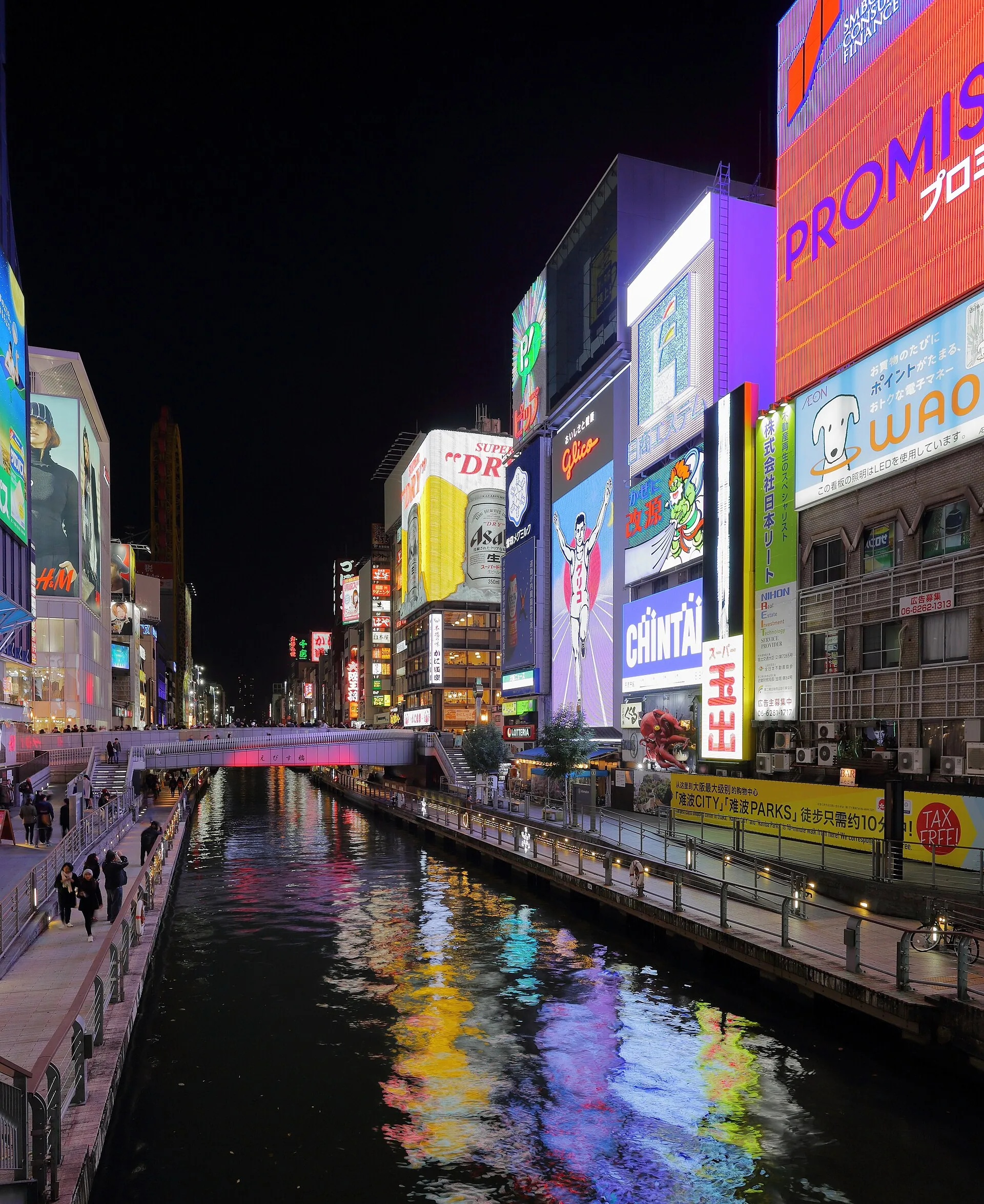
Dotonbori is a useful introduction to Osaka after dark. The official Osaka tourism guide describes the canal-side district and its entertainment history. Go for the atmosphere, then consider a quieter side street for a meal if queues are long. Takoyaki and okonomiyaki are familiar starting points; many restaurants also offer dishes that better suit different diets and budgets. Check ingredients if you have allergies.
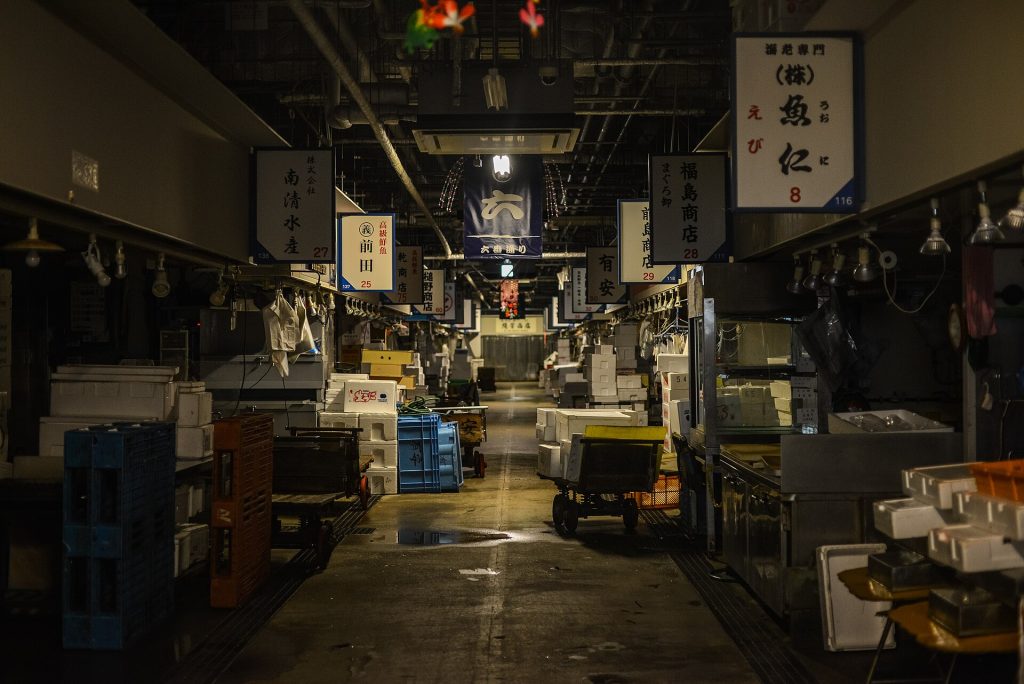
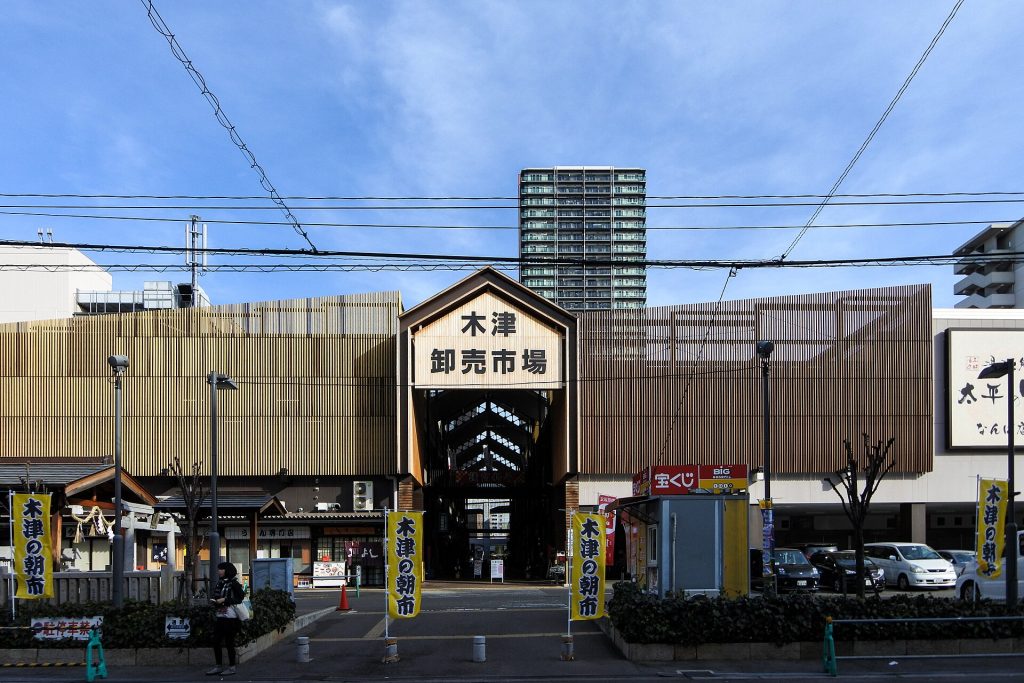
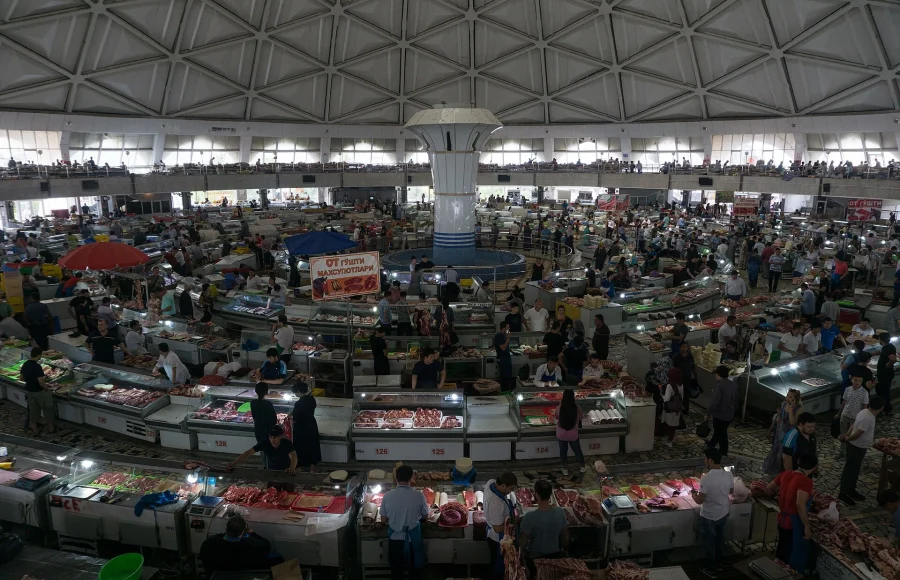
Markets are working spaces. Keep entrances clear, avoid handling produce without invitation and ask before photographing vendors. A neighborhood shopping arcade can be just as revealing as a landmark market, particularly when you have time to browse rather than rush through.
Make the city manageable
Osaka’s rail network is extensive, but station complexes can take time to navigate. Group nearby sights and leave a generous margin before reservations or trains. The city’s tourism site is a practical source for current events and visitor information. A strong Osaka day mixes one historical site, one long meal and an evening walk; the city’s energy has more character when there is room to notice it.
Travel beyond the center
If you have more than one day, consider a district outside the busiest canal area. A local café, small museum or shopping street can reveal a slower Osaka. Check transport and opening times before leaving, particularly on weekdays when some businesses close. If traveling onward to Kyoto or Nara, give Osaka its own evening instead of treating it solely as a bed between day trips. The city’s food culture makes most sense when there is time to linger.
Give the castle and its surroundings proper time
The Osaka Castle site should be checked for current museum access, tickets and any closure before a visit. Walk the grounds as well as the interior: the reconstructed tower, park and surrounding walls tell different parts of the story. A short historical introduction will make the place more meaningful than a rush to the observation level.
Read Dotonbori beyond the signs
Osaka’s tourism guide traces Dotonbori’s development as an entertainment district. Spend part of the evening on the riverwalk and smaller connecting streets, then choose food according to appetite and visible prices rather than a single viral queue. Individual restaurant hours vary, so do not anchor a whole day to an unverified opening time.
Keep one neighborhood unscripted
The wider city visitor guide can help you choose another district that suits your interests, whether markets, design or performance. Pair it with a nearby transit stop and leave space for a café or shop. Osaka is easiest to understand when its everyday neighborhoods sit beside its famous food corridor.
Food streets are most enjoyable when you order one item at a time and leave room for another stop. Carry any packaging to an appropriate bin, and ask before photographing cooks at work. A quieter side street can be as memorable as the brightest sign.


The conversation
Join the discussion
Have a useful tip or a question about this journey? Share it with fellow readers. Please keep comments respectful and relevant.