
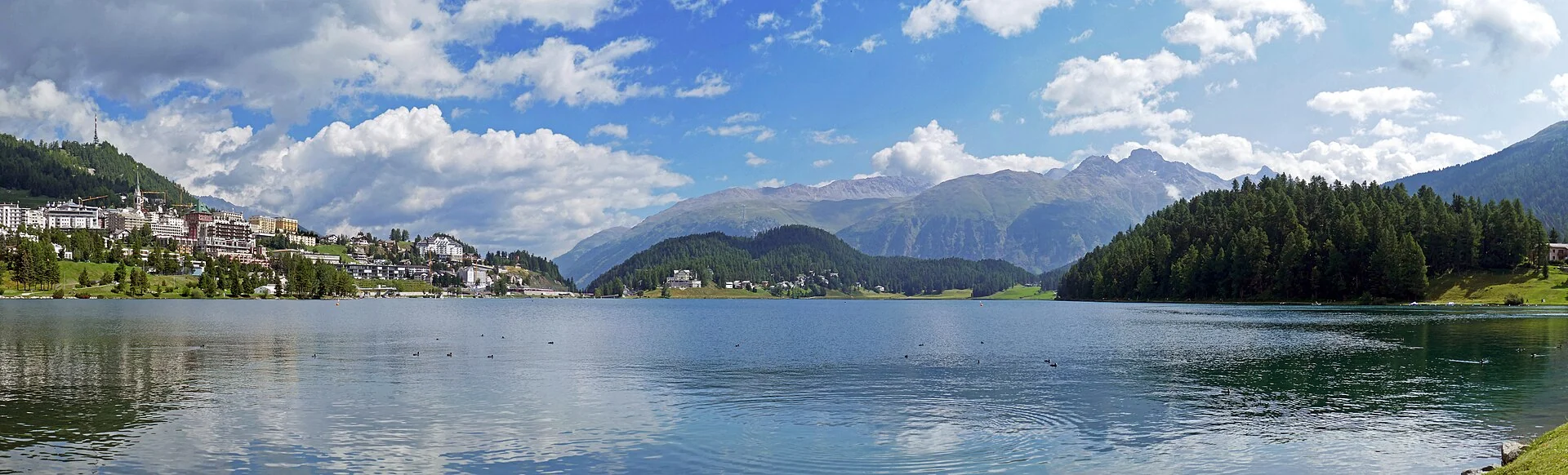
St. Moritz has an international winter-sports reputation, but the surrounding Upper Engadin deserves attention in every season. Alpine lakes, mountain paths, and changing light can fill a stay without a single ski run. The town works well as a base if you enjoy comfortable lodging and easy access to the wider valley, though the experience depends greatly on weather and the operating season of mountain transport.
Start with the landscape, not a shopping list
Walk near Lake St. Moritz to orient yourself, then choose a longer excursion according to your fitness and the conditions. The official St. Moritz tourism site describes an extensive hiking network, from gentle lakeside routes to mountain trails. A trail that looks short on a map may involve real elevation and exposure; check current route status, forecasts, and last transport connections before heading uphill. Pack layers even when the town feels warm, because conditions can shift at altitude.
Choose your season deliberately
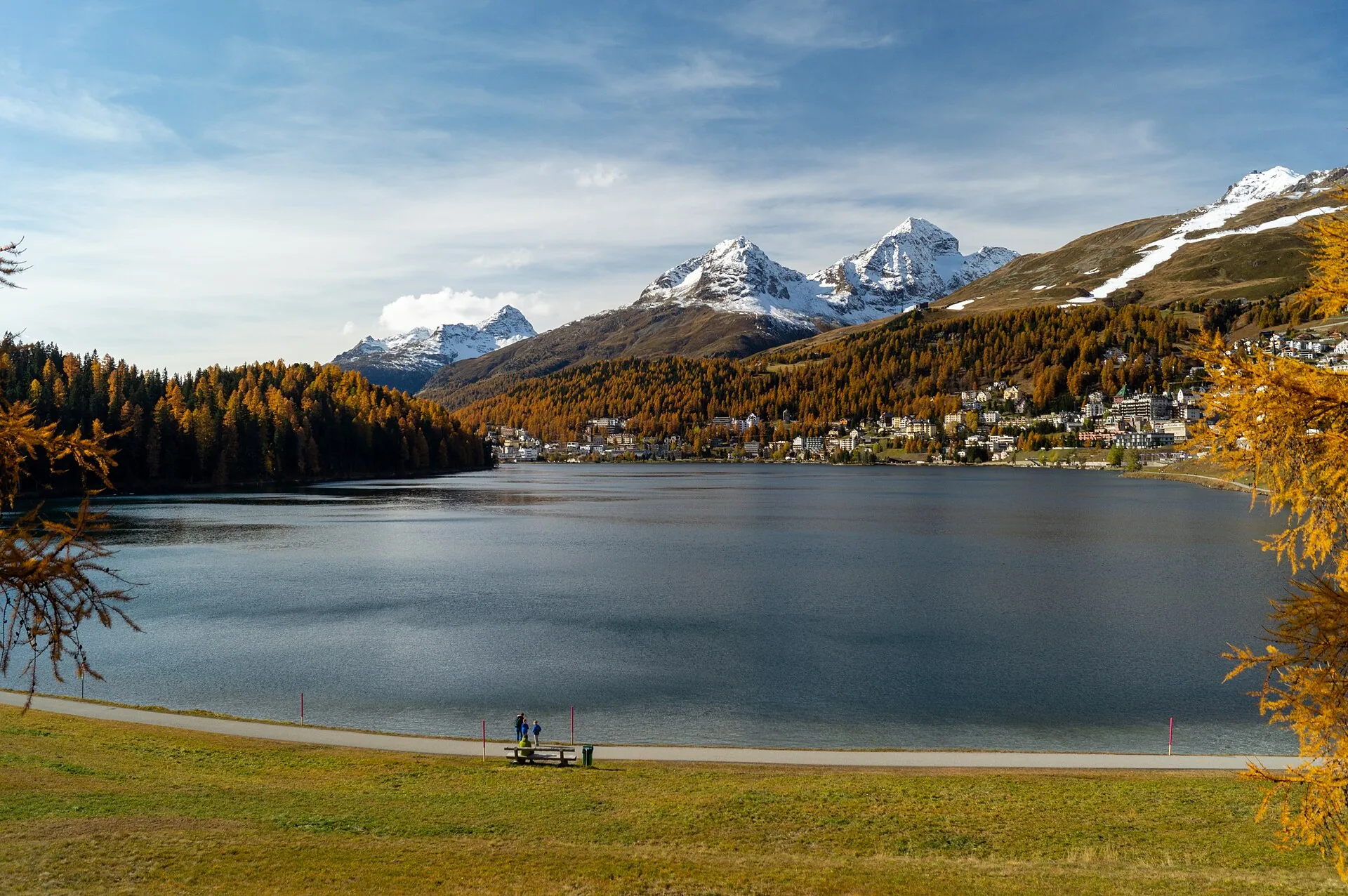
Winter suits travelers who want snow sports and a classic alpine atmosphere. Warmer months open a different rhythm of walking, cycling, and lakeside time. The shoulder seasons can be quieter, but some lifts, hotels, or restaurants may pause between operating periods. Confirm each activity rather than assuming a year-round timetable. If your main goal is hiking, choose dates based on open routes and realistic daylight, not simply the lowest room rate.
Explore the valley, not only the resort
A stay becomes more memorable when you see St. Moritz in relation to neighboring Engadin villages and the broader mountain setting. Use public transport where it fits your route, and allow a half day for an outing instead of racing through several viewpoints. On a poor-weather day, slow down with a museum, a long meal, or a short valley walk rather than forcing a high-altitude plan.
The official St. Moritz tourism site is the right place to verify seasonal activities and trail information. The strongest itinerary pairs one planned mountain experience with enough unscheduled time to respond to the weather.
For a gentle introduction, choose a lakeside path before committing to a high trail. That first walk helps you judge altitude, weather, and your own energy, all of which matter more than a route’s popularity online.

Make the weather decision early
Choose a mountain route only after checking the forecast and current lift or path information. St. Moritz tourism lists walks ranging from gentle lake routes to demanding high trails, so a low-altitude alternative can preserve the day when visibility or wind changes. Ask whether your chosen route has a reliable return connection, and note the last service before setting out. The official mountain-hiking guide helps match trails to your energy and season. A comfortable plan includes layers, water and the willingness to turn back; the view is not worth forcing unsafe conditions.
Compare valley and summit plans
A high mountain excursion and a lakeside day need different gear and levels of commitment. Decide which one is central to your trip, then keep the other as a weather alternative. In summer, take account of elevation even when the town is warm; in winter, check daylight and path conditions before a walk. A route advertised as easy may still include uneven ground and rapid weather changes.
Use a base that supports your pace
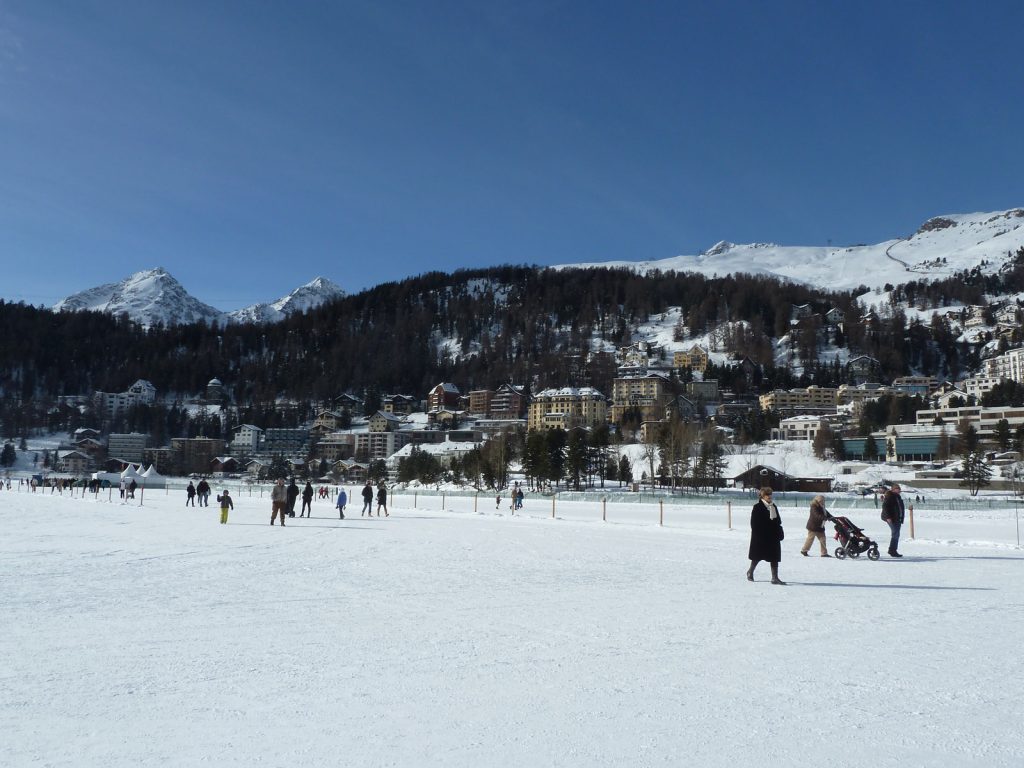
St. Moritz offers a convenient base, but neighboring Engadin villages may better suit travelers seeking quieter evenings or a different budget. Compare the transport connection to the activities you want, not just the room view. If you will rely on trains or buses, check the last return before booking an evening meal. Leave one day uncommitted so that a clear forecast can guide your most important mountain outing.





The conversation
Join the discussion
Have a useful tip or a question about this journey? Share it with fellow readers. Please keep comments respectful and relevant.