
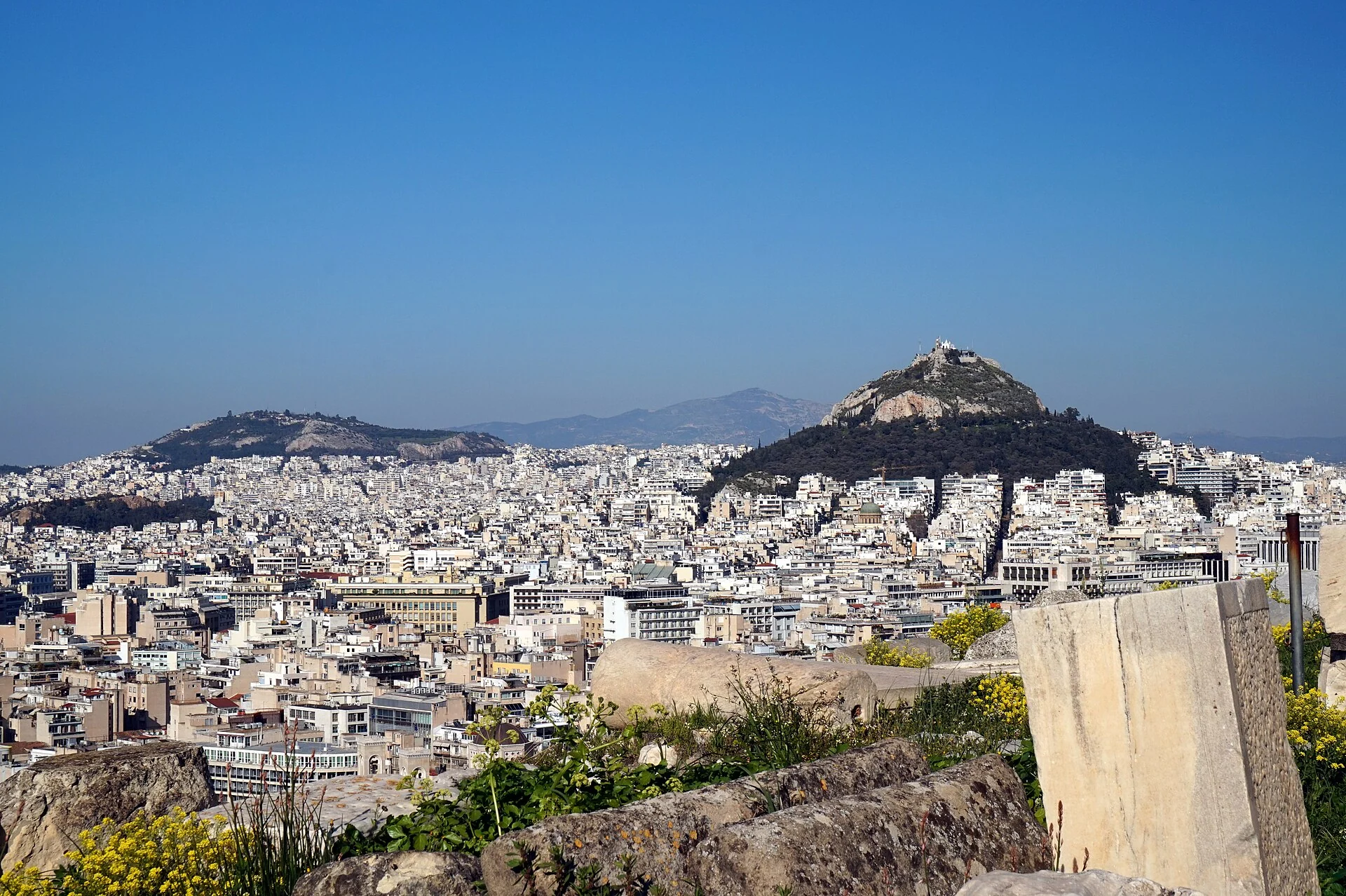
The Acropolis is central to an Athens visit, but the city is more than the monuments above it. Hills, markets, museums, and contemporary neighborhoods make the ancient sites feel part of a living capital. This Is Athens, the city’s official visitor guide, offers current planning information; use it to choose a few meaningful stops rather than turning the day into a race between ruins.
Give the ancient sites proper time
Visit the Acropolis with realistic expectations about slopes, exposed stone, and weather. Check official ticketing and access information before your trip, wear shoes with grip, and carry water and sun protection. The nearby museum can deepen the experience, but leave a break between the two if you prefer to absorb what you have seen. Walking around the archaeological zone also reveals how modern streets meet ancient remains.
Follow the city’s changing mood
Move from the busiest visitor lanes into a neighborhood chosen for its food, shops, or street life. A market visit or a simple lunch can offer context that a monument cannot. If you want a view, select a hill walk suited to your fitness and the day’s conditions. Athens’ terrain can make a short map distance surprisingly demanding; plan routes with elevation in mind, especially in summer.
Build a flexible two-day plan
Use one day for the Acropolis area and a second for museums, neighborhoods, and viewpoints. That division leaves space to adjust for heat or a site closure. Metro travel helps with longer distances, while walking is valuable for connecting nearby areas. If you are passing through on the way to an island, consider giving Athens an extra night rather than treating it only as an airport stop.
Consult This Is Athens for official visitor guidance and current cultural ideas. The city becomes more engaging when its ancient landmarks and present-day rhythms are allowed to share the same journey.
The city is a practical starting point for a broader Greece journey, but plan any island connection with breathing room. Weather, traffic, and ferry changes can affect transfers, and an extra Athens evening is rarely wasted.
Let the Agora explain daily life
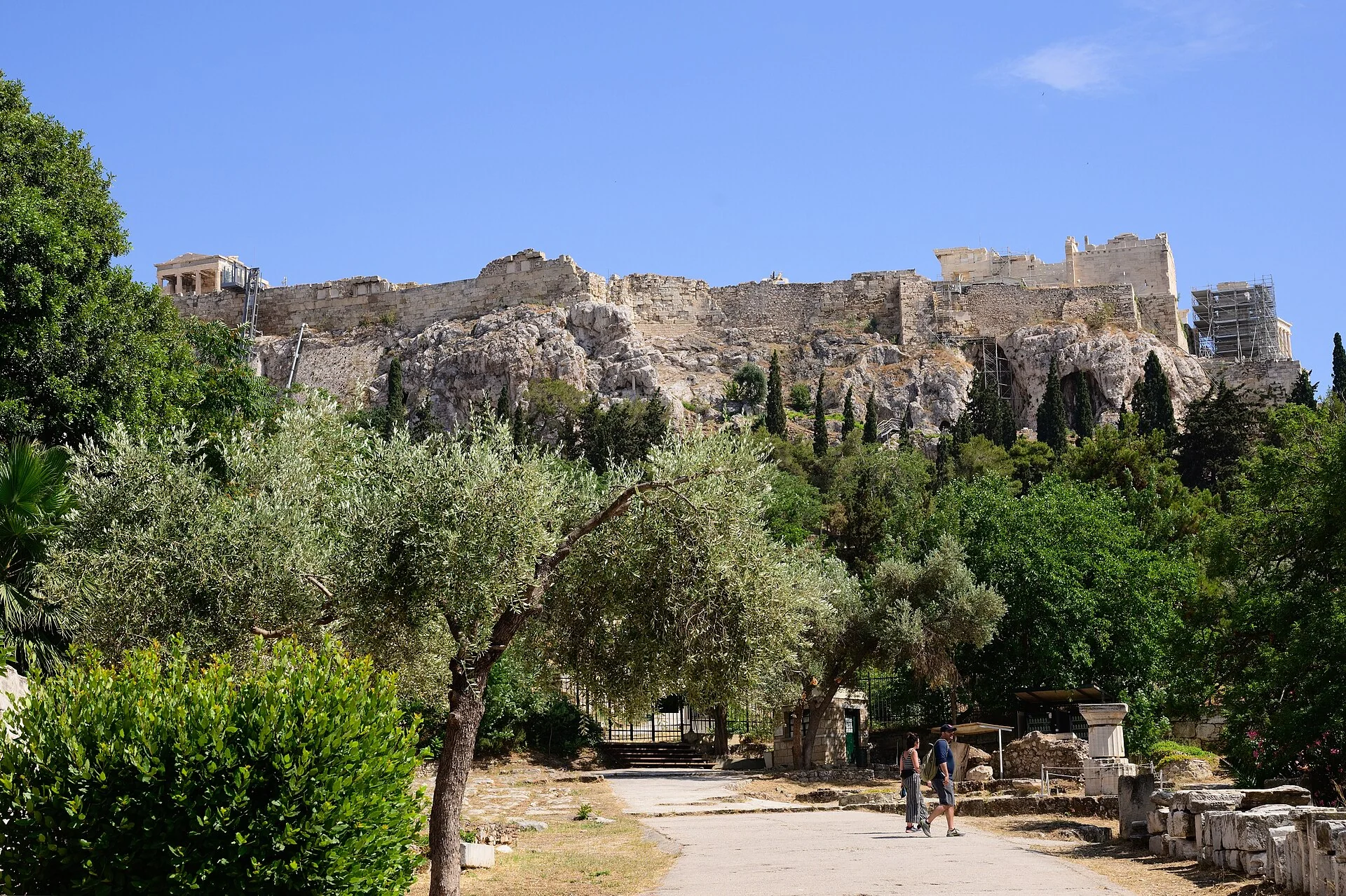
The Acropolis is the image that brings many visitors to Athens, but the Ancient Agora changes the story. This was a centre of civic life, trade and conversation. The Museum of the Ancient Agora, housed in the reconstructed Stoa of Attalos, displays finds that bring ordinary objects and public institutions into view. Pairing the two sites gives a fuller picture than a hilltop visit alone.
Leave room for the landscape around the ruins. From the paths you can see the Acropolis above and the modern city beyond. Read a few exhibits closely rather than moving quickly past every case. The official Athens guide notes that the museum’s collection includes coins, pottery and sculpture from the excavations.
Walk Plaka with a sense of scale
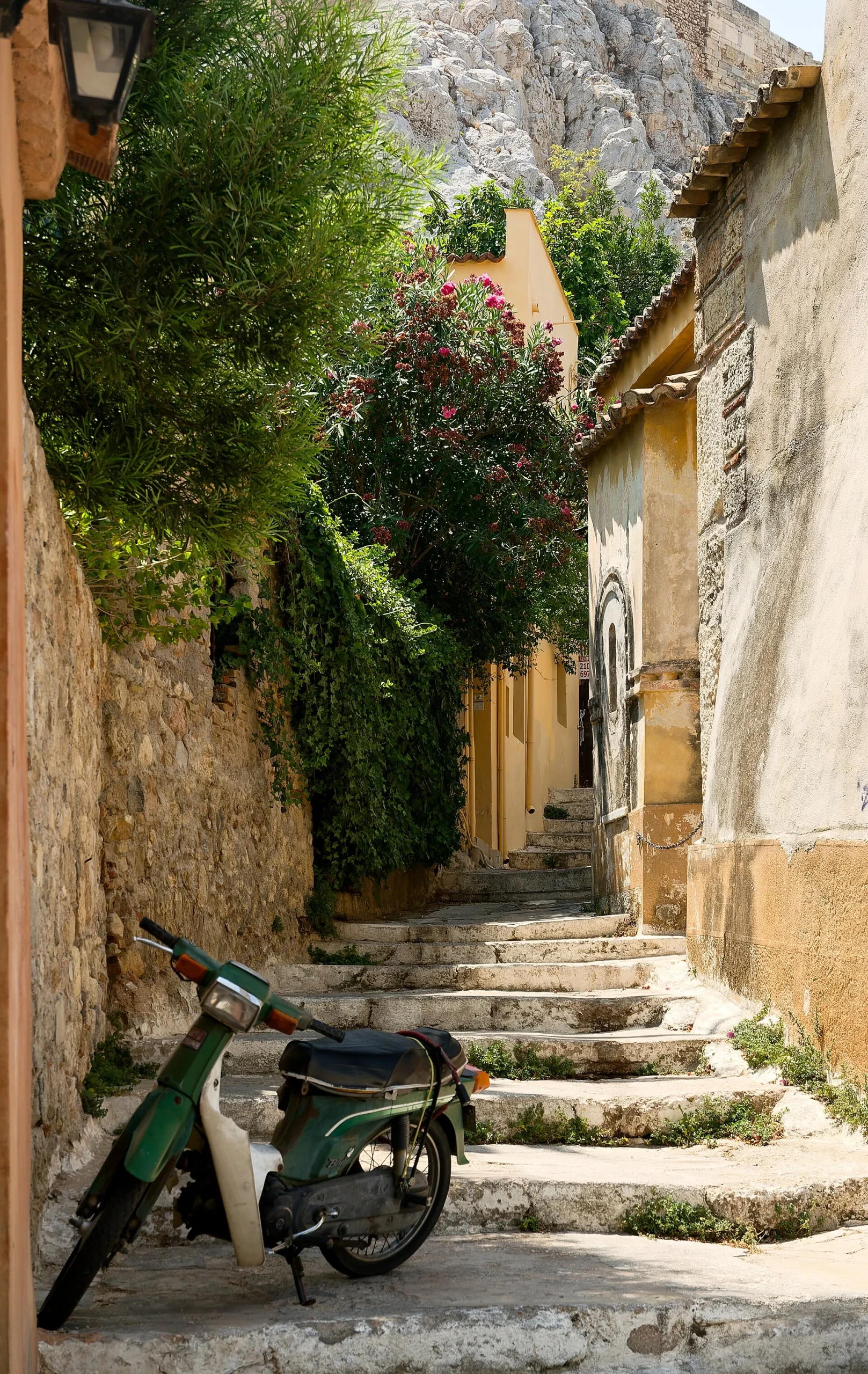
Plaka is close to the most visited ancient sites, so it is easy to treat it as a corridor between them. Slow down in its smaller lanes. The district holds neoclassical buildings, Byzantine churches, shops and cafés, with the Acropolis appearing between roofs. The official Athens guide recommends wandering rather than following a rigid trail.
Anafiotika, beneath the Acropolis, feels different again. Its small whitewashed houses have a specific history connected with workers from the island of Anafi. This is a lived-in neighbourhood. Keep voices low, respect homes and avoid blocking the narrow paths for photographs. A short, attentive walk is more appropriate than turning the area into a photoshoot.
Finish above the city
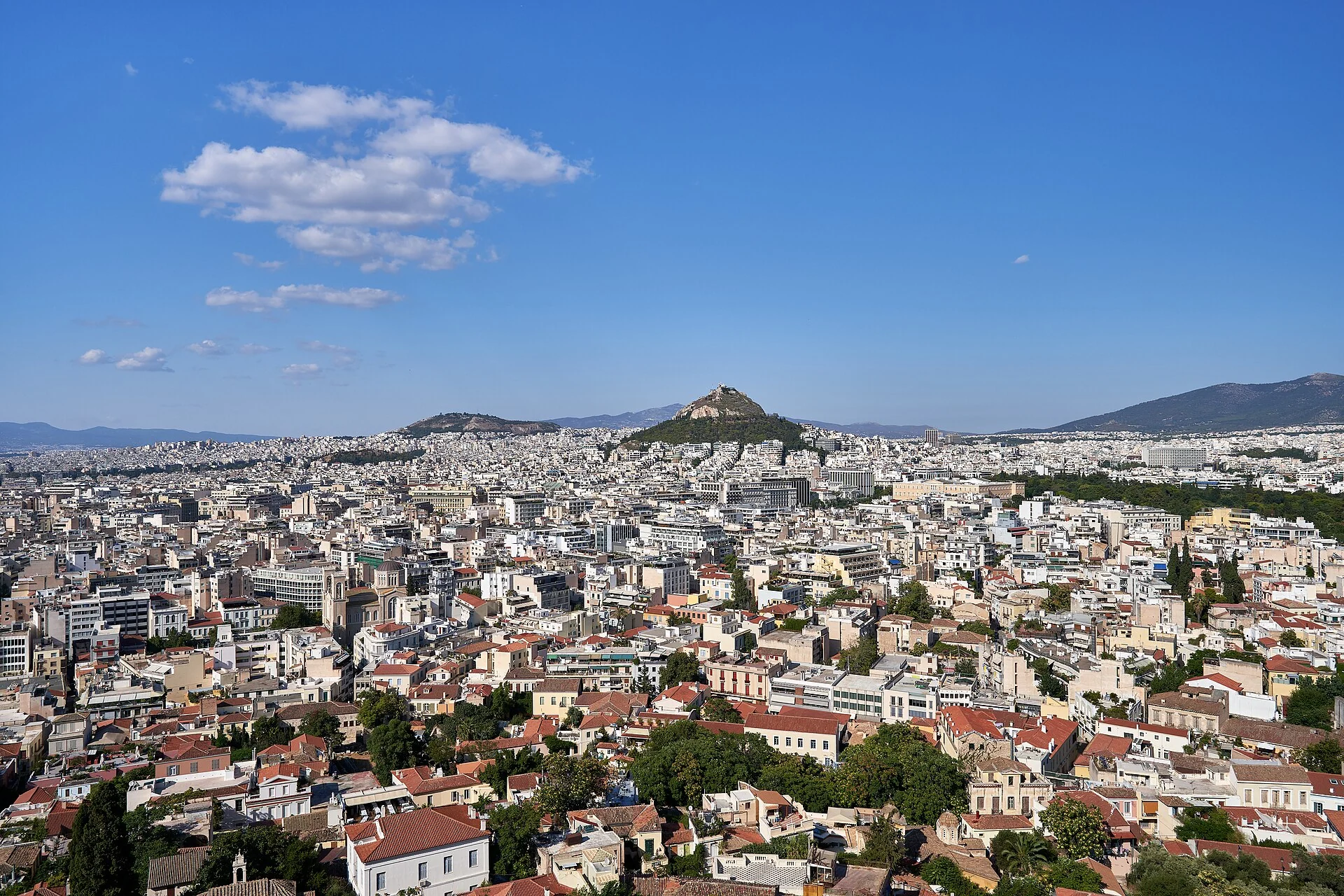
Lycabettus Hill offers a viewpoint over the urban basin. Reaching it takes more effort than looking up at it from a café, so decide how much energy remains after a day of walking. The official city guide describes both a cable car and a walking route. In hot weather, save an uphill walk for a cooler hour and carry water.
The summit can help make sense of the distances you covered: the Acropolis, central districts and the city’s spread toward the sea. Sunset is popular, but clear morning light can also reward a visit. The viewpoint is not a substitute for street level Athens; it is a way to connect the places you have already explored.
A two-day route that keeps its balance
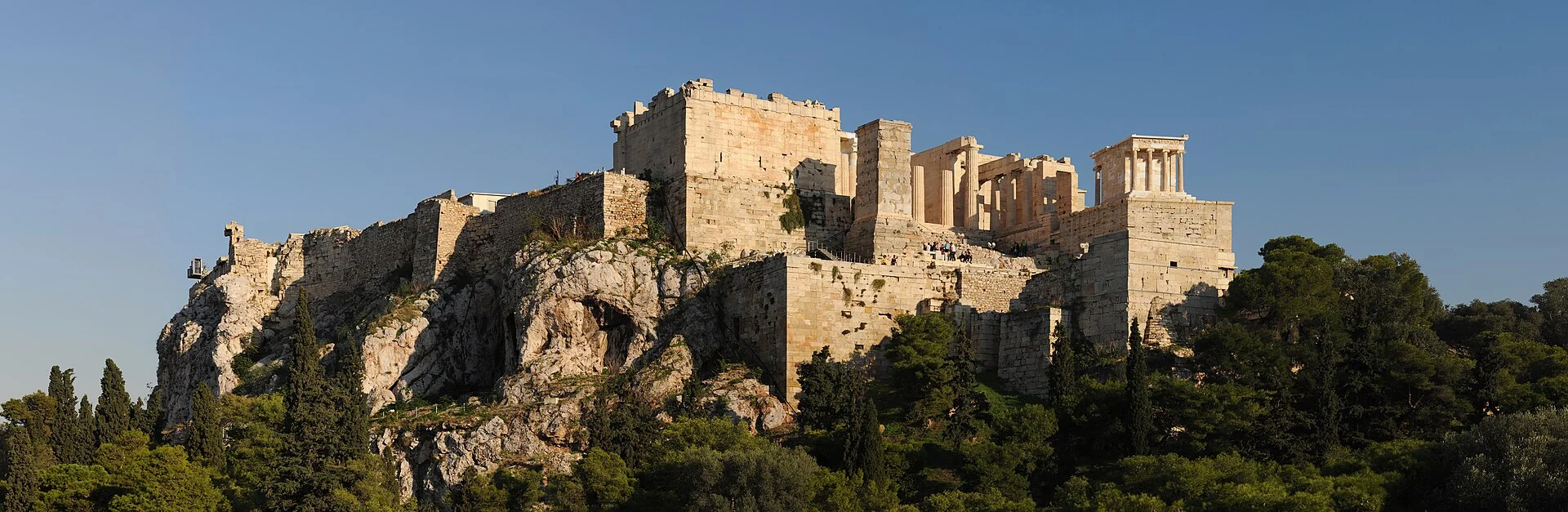
On the first morning, visit the Acropolis at a time suited to the season and your ticket, then spend the afternoon in the museum and nearby streets. The pedestrian Dionysiou Areopagitou promenade links several ancient monuments with modern neighbourhood life. On day two, choose the Ancient Agora and its museum, walk through Plaka, and finish at a viewpoint only if you still want another climb.
This route deliberately avoids pretending that one ticket or one day covers Athens. Opening hours, restoration work and admissions change, so use the sites’ official pages when booking. Leave a meal and an unplanned hour in each day. Athens is most interesting when ancient places and everyday streets are given equal attention.
Small decisions that make ancient sites easier
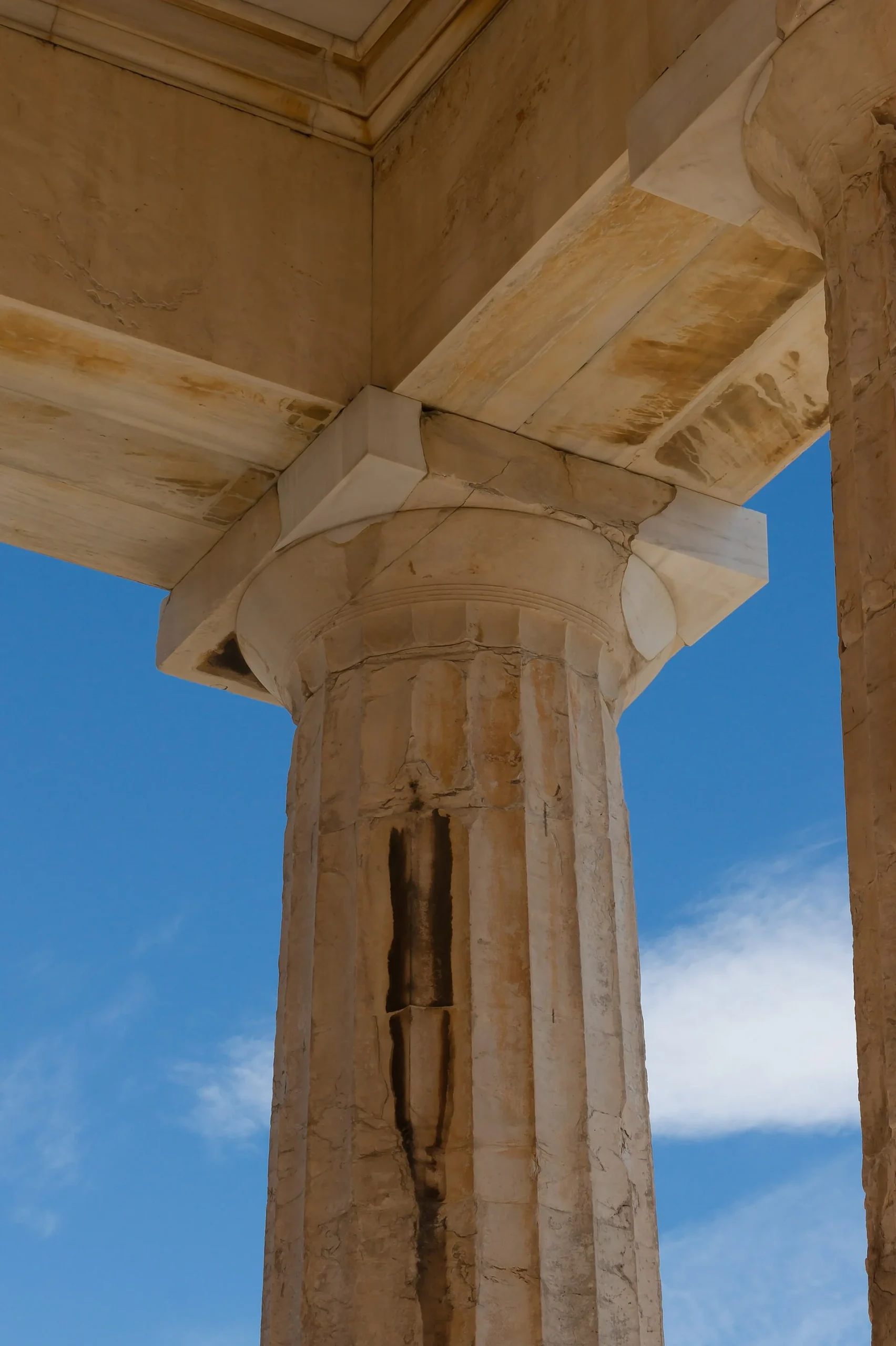
Stone paths can be uneven and exposed. Wear shoes with grip, carry water and plan the most demanding outdoor visit for a cooler part of the day. Check each site’s official access, ticket and restoration information shortly before travel. A map that looks compact can still translate into a long day on foot.
Choose a small number of sites and read them in relation to one another. The Agora answers different questions from the Acropolis; the museum adds objects and interpretation; a nearby street shows the city continuing around both. That sequence gives more context than rushing through a collection of famous names.
Leave an evening unassigned
After the monuments, allow an evening without a prescribed viewpoint or restaurant. Walk a familiar central route, notice how public spaces fill, and choose dinner by the pace you want rather than by an overlong list. If you have energy, return to the edge of a site in the changing light; if not, stay near your base.
Athens is a working city, not an open-air museum. The day becomes more memorable when it includes the contemporary city alongside antiquity, and when residents’ neighbourhoods are approached as lived places rather than scenes to collect.

The conversation
Join the discussion
Have a useful tip or a question about this journey? Share it with fellow readers. Please keep comments respectful and relevant.