
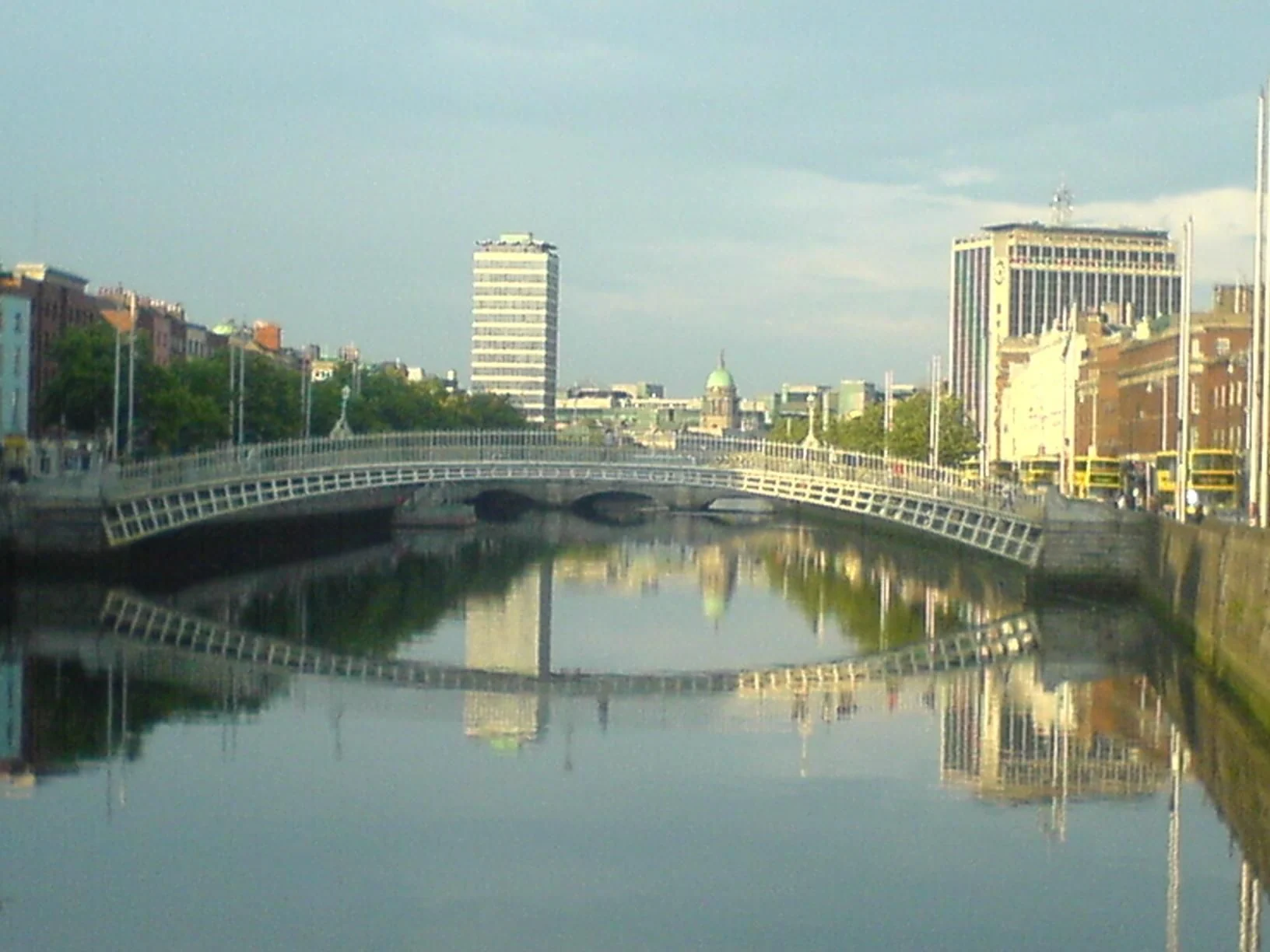
Dublin is compact enough to reward a wandering day, yet layered enough to resist a one-line description. Literary history, Georgian streets, museums, pubs, and contemporary food all compete for attention. Rather than attempt every famous stop, choose a few places that genuinely interest you and spend the rest of the time moving between them on foot. The official Visit Dublin guide offers current listings and practical ideas when you are ready to refine the plan.
Build a route around one theme
If history is the draw, pair a substantial museum visit with a walk through the center. If books and language interest you more, explore the city’s literary connections and give yourself time in a bookshop or library. Music deserves an evening of its own: look for a venue whose program appeals to you, check whether it has a cover charge or booking policy, and listen as an audience member rather than treating a session as background noise.

Let neighborhoods add context
The River Liffey helps with orientation, but Dublin becomes more personal on smaller streets. Cross between the north and south sides, notice how busy commercial routes give way to residential corners, and take a break in a park or café. Popular areas can be lively late into the evening, so choose accommodation based on the atmosphere you want at night. Walking distances are manageable in the center, although rain and wind make a waterproof layer more useful than an ambitious timetable.
Plan for depth, not volume
For a weekend, dedicate one day to central sights and another to a slower neighborhood or coastal outing. Check the current schedules of museums and venues before setting off; closures and event programs can change. If you want to visit a major attraction, book directly through its official site when possible and leave space around the timed slot. A pub meal, a conversation, or an unexpected exhibition often becomes the part of a trip you remember.
Use Visit Dublin to find current cultural listings and visitor information. The city is most rewarding when its history and present-day life share the itinerary.
If you are planning a coastal outing, check return transport before leaving the center. Dublin’s appeal includes easy changes of scene, but a relaxed day depends on knowing how you will get back after your walk.

Match the evening to the venue
Dublin’s music scene is varied, so choose an event or pub for the kind of listening you want instead of assuming every room offers the same atmosphere. Look up the current program, starting time and booking policy, then dine nearby rather than crossing the city at the last minute. For a second-day change of scene, compare a museum day with a coastal outing and check the return train before departure. Visit Dublin provides current event and neighborhood listings. That small amount of planning leaves the daytime walks open and makes the evening feel intentional.
Pick one cultural anchor
A short visit is more coherent when one museum, library, or historic site anchors each day. Check its opening hours and any timed entry, then build a nearby walk rather than crossing the center repeatedly. If Irish literature is your focus, choose places that explain writers and their work instead of collecting plaques. If social history appeals more, give a museum enough time to understand the exhibition rather than fitting it around several photo stops.

Keep room for the coast
Dublin’s surrounding coast can offer a change of scale, but a coastal walk is weather-dependent. Check wind and rain before setting out, bring a waterproof layer, and choose a route with a straightforward return. For a two-day stay, make this an optional second-day choice rather than a fixed commitment. If the weather turns, the city still offers indoor culture and neighborhood cafés without a long transfer.







The conversation
Join the discussion
Have a useful tip or a question about this journey? Share it with fellow readers. Please keep comments respectful and relevant.