
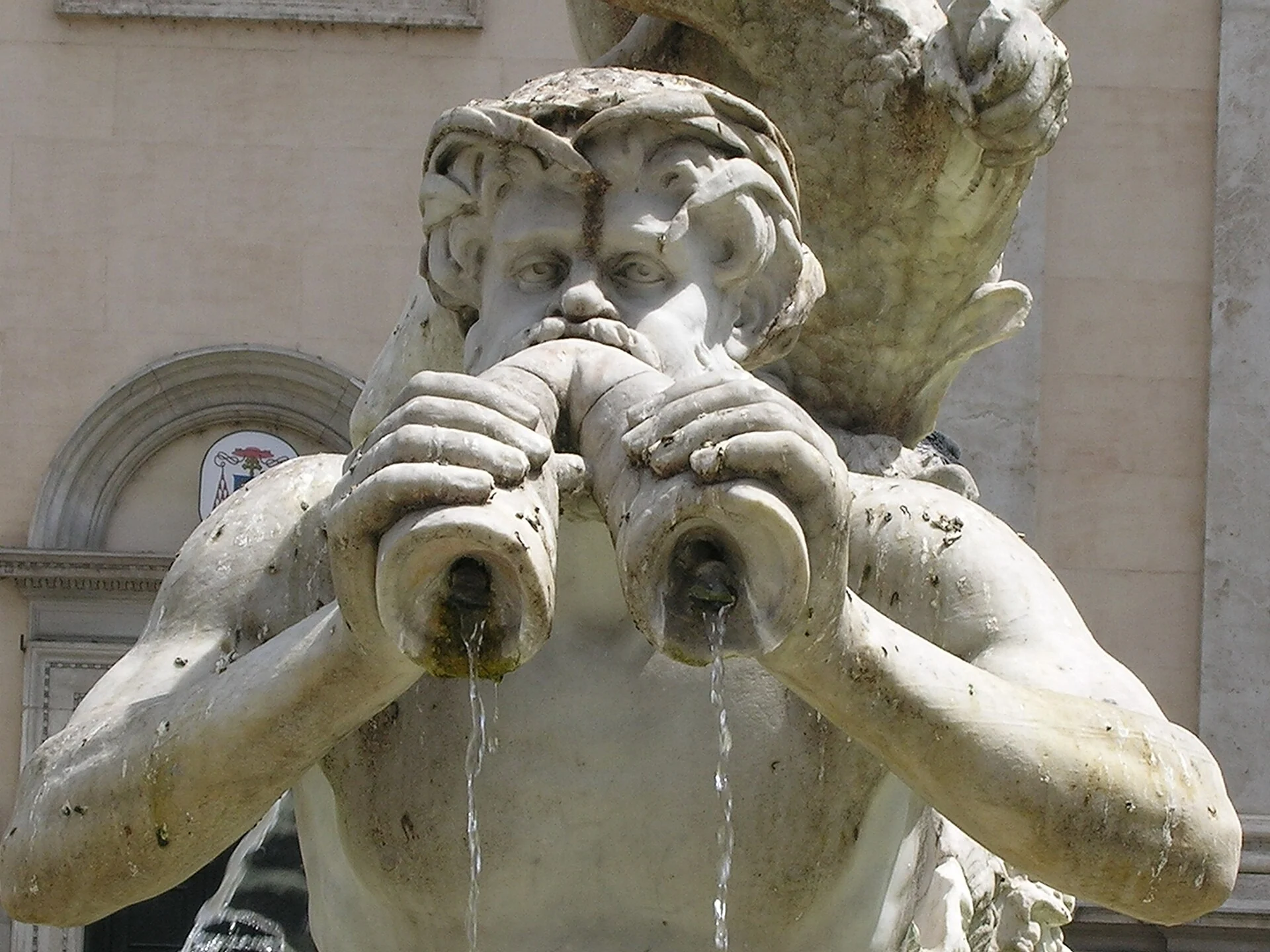
Rome is easiest to enjoy when you stop trying to cover all of it in one day. Ancient monuments, churches, Renaissance squares, and ordinary residential streets overlap rather than lining up in a neat sequence. A first visit works best when you choose a small number of anchors and let the walks between them become part of the experience. The city’s official tourism portal is useful for checking current exhibition, monument, and transport details before you go.
Group the major sights
Give the Colosseum and Roman Forum area a substantial block of time. Seeing ancient Rome well takes more than a quick exterior photograph, and entry rules can change. On another day, focus on the historic center around the Pantheon, Piazza Navona, and the smaller streets between them. The sites are close enough to connect on foot, but the real pleasure is noticing how different periods sit beside one another. If the Vatican Museums are a priority, treat them as a separate half-day or day rather than an extra stop squeezed into an already full route.
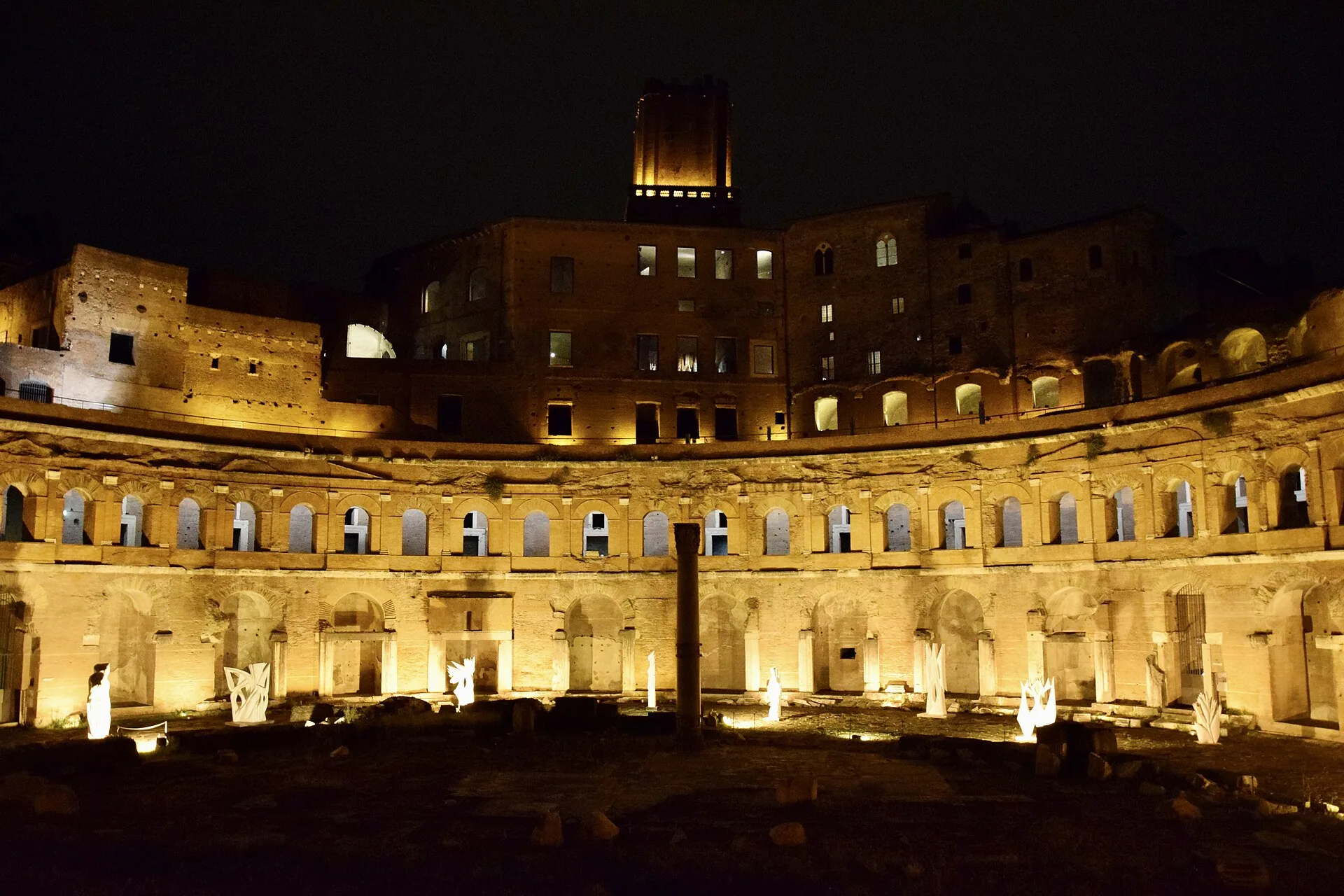
Eat and walk beyond the icons
Neighborhood time prevents a trip from becoming a succession of queues. Cross the Tiber, explore a market, or choose a park for a slower afternoon. For food, look at menus and recent opening information before committing; a famous dish is more satisfying when the meal is unhurried. Carry a refillable bottle, wear shoes suited to cobbles, and remember that religious sites may require modest dress.
Use a flexible plan
Reserve the attractions that require timed entry, then keep the surrounding hours open. Rome’s summer heat and year-round crowds can make a short walk feel longer than expected. An early start followed by a break is often more comfortable than moving continuously from morning to evening. Public transport helps with longer jumps, but the center rewards walking whenever the weather and your mobility allow it.
Consult Turismo Roma for official visitor information and maps. A balanced itinerary is not about seeing less of Rome; it gives you enough attention to see what is in front of you.
Protect one unscheduled afternoon
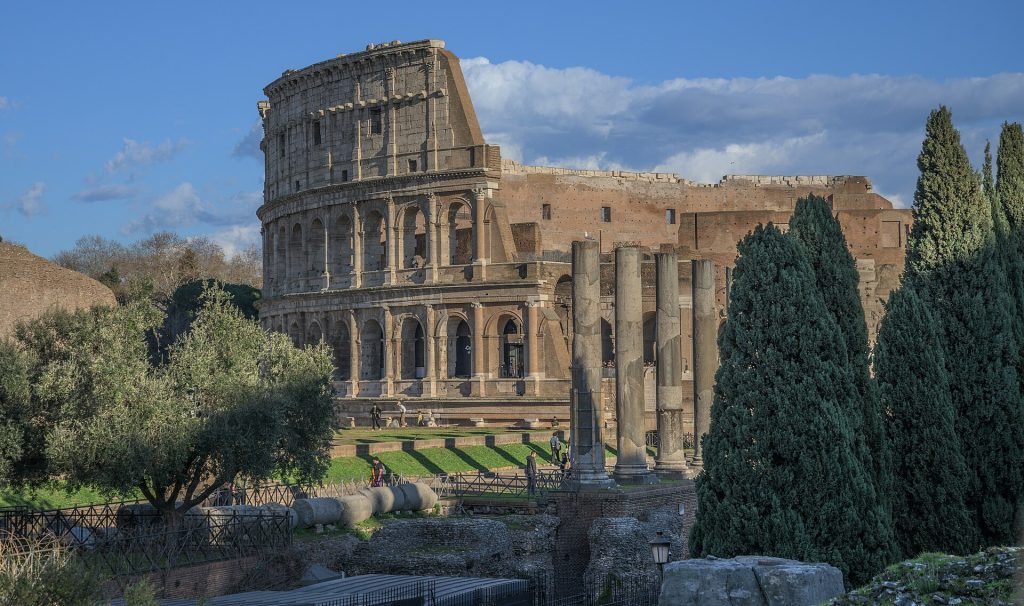
Rome’s major sites often require timed entry, but a schedule with consecutive reservations leaves little room for walking between them. Make the ancient core one day’s main focus and the Vatican area another if both matter to you. Then keep at least one afternoon free for a neighborhood or park. Use the city’s official visitor portal to check current closures, maps and events shortly before travel. This is also useful when a religious celebration or exhibition changes access around a familiar landmark. Plan by walking time, shade and breaks, not the number of map pins.
Reserve by priority
Choose the two or three attractions that would genuinely disappoint you to miss, then check their official entry systems. Keep the rest of the schedule flexible. The ancient core can absorb a whole morning or longer, especially if you read displays carefully. A museum reservation placed immediately after it can turn a rewarding visit into a race. Build in time for security lines, walking, lunch, and an unexpected detour.
Use the neighborhood between sights
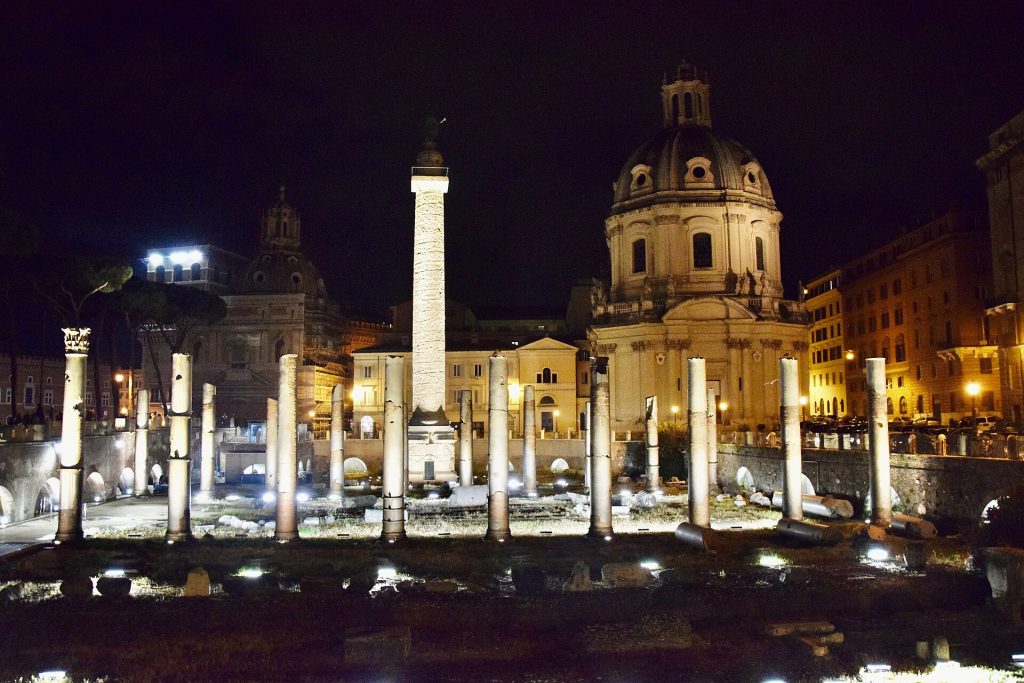
For a second day, follow a route through the historic center rather than moving by taxi from monument to monument. Squares, churches, fountains, and ordinary shopfronts make Rome’s long history visible together. If heat or crowds become tiring, stop indoors or in shade instead of pushing toward another ticketed stop. This approach works especially well for travelers with children or different energy levels.



The conversation
Join the discussion
Have a useful tip or a question about this journey? Share it with fellow readers. Please keep comments respectful and relevant.