
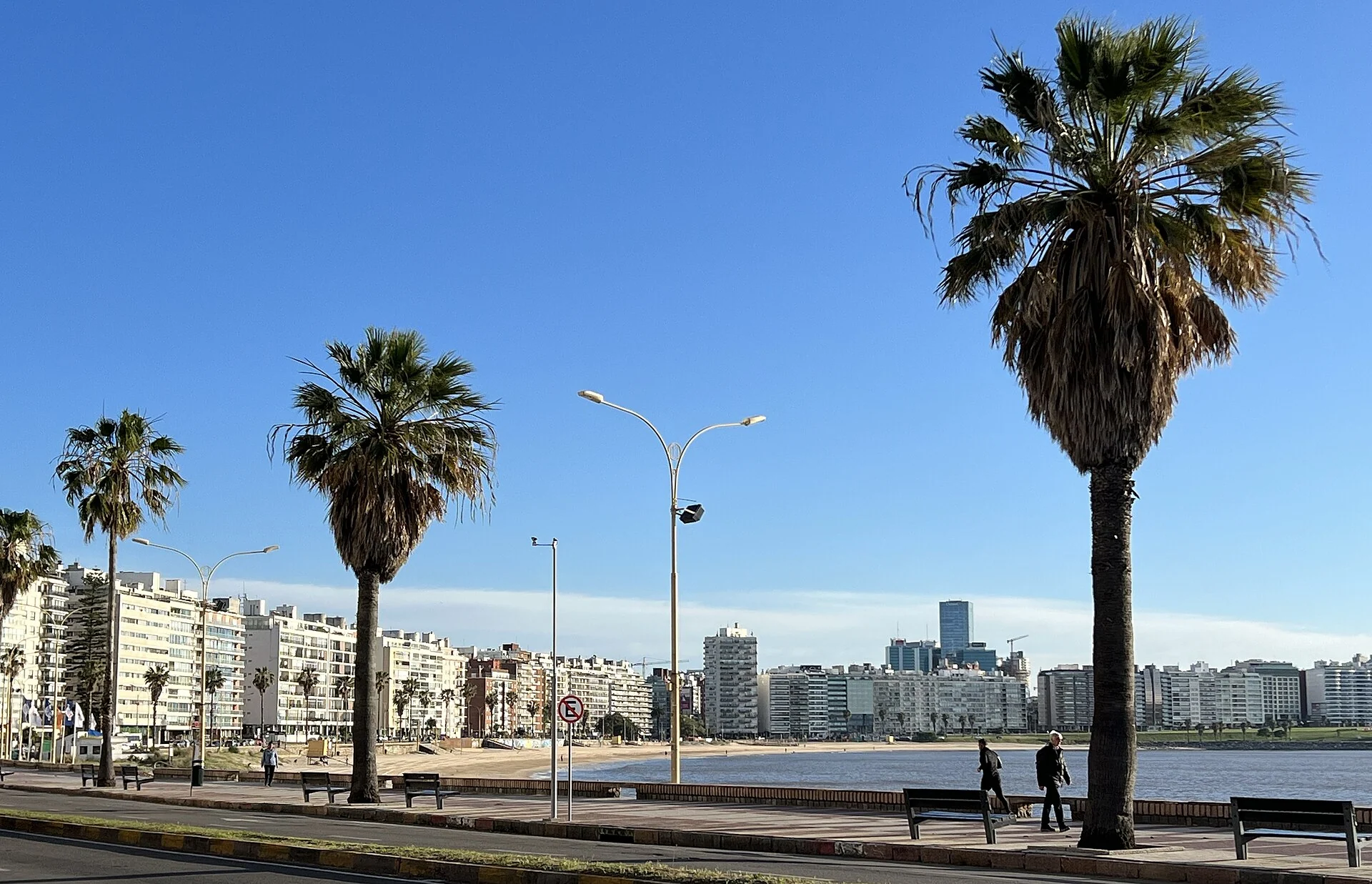
Montevideo rewards an unhurried pace. The Rambla gives the city a long public edge along the Río de la Plata, while Ciudad Vieja provides a denser history of plazas, commerce and cultural buildings. Treat them as two complementary walks rather than one rushed circuit.
Begin in Ciudad Vieja
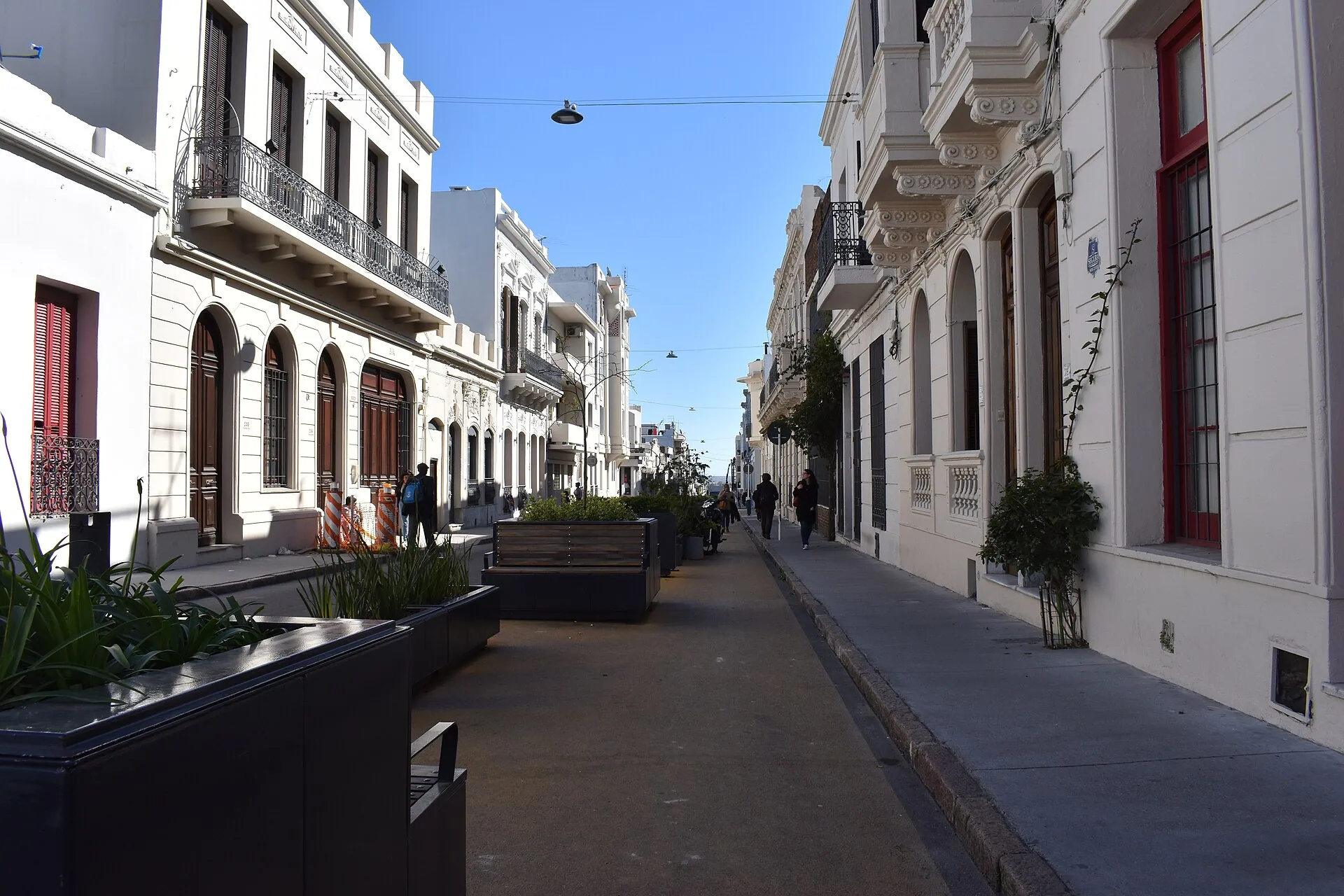
Start near the historic center and use the municipal tourist office for current maps and opening information. Choose one museum or cultural institution, then walk the surrounding streets. The district has active workplaces and residents, so keep doorways clear and ask before photographing people.
Lunch can be an opportunity to understand local food culture. Look beyond a quick checklist of dishes and choose a place where you can sit and observe the rhythm of the city. Markets and restaurants differ in hours, so verify before setting out.
Save the Rambla for later
Walk a manageable section of the waterfront rather than trying to cover its entire length. Wind can be strong, and the view changes with weather. Join the public space respectfully: keep cycling lanes clear, dispose of litter and give people room to enjoy a place that belongs first to residents.
The city tourism portal can help with events and neighborhood ideas. If you have another day, explore a different district or attend a performance. Montevideo’s appeal lies in its everyday scale; a waterfront walk, a museum and a long meal can be a complete and satisfying introduction.
Make space for contemporary Montevideo
A historic-center visit is only a starting point. Look for a current exhibition, live music event or neighborhood cultural space. Confirm the venue’s schedule before travel; public holidays and seasonal programming may alter it. An evening event gives a different perspective on the capital from a daytime waterfront walk.
For practical travel, note that the Río de la Plata is a broad estuary, and the Rambla is exposed to the elements. Wear comfortable shoes, carry a layer and choose a shorter section if wind is strong. If you are continuing to another Uruguayan city, reserve transport separately rather than assuming every route leaves from the old center.
A morning visit and an evening return can reveal very different uses of the same public space.

Begin where the port meets the old city
Ciudad Vieja works best as a walk with a few chosen stops, not a race through every historic facade. The municipal visitor office is a sensible place to ask for current opening times, maps and accessible routes. Look for the relationship among port, squares, museums and present-day businesses. A guided walk can help distinguish preserved architecture from the district’s ongoing cultural life. Keep an eye on the day’s opening hours: a route that is pleasant outdoors may offer fewer interiors on a closed day.
Give the Rambla its own time
Montevideo’s long waterfront is not one single attraction with one ideal starting point. Choose a section close to the neighbourhood you want to explore and walk it at a comfortable pace. Wind and sun can change how far you feel like going, so identify a return option in advance. The Rambla is shared public space; yield to cyclists and other users and avoid blocking paths for a photograph. A late-afternoon walk followed by dinner nearby can be more useful than trying to cover a long distance without noticing the city beside it.
Use neighbourhoods to make a second day
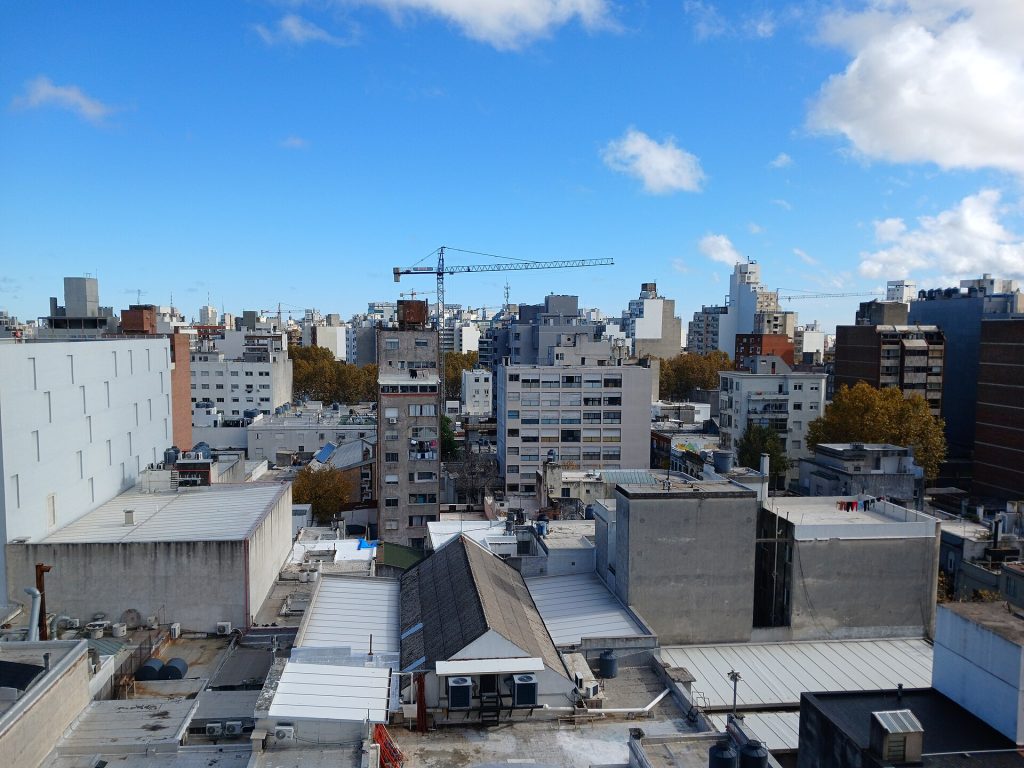
After the old city, select one district for food, markets or contemporary culture. Ask the visitor office about events during your dates rather than assuming a venue is open every day. Public transport and walking can both work, depending on distance and mobility. Keep the itinerary flexible enough for a café or conversation. Montevideo is often described as relaxed, but the practical reward comes from giving its waterfront and urban life more than a brief cruise-port stop.


The conversation
Join the discussion
Have a useful tip or a question about this journey? Share it with fellow readers. Please keep comments respectful and relevant.