
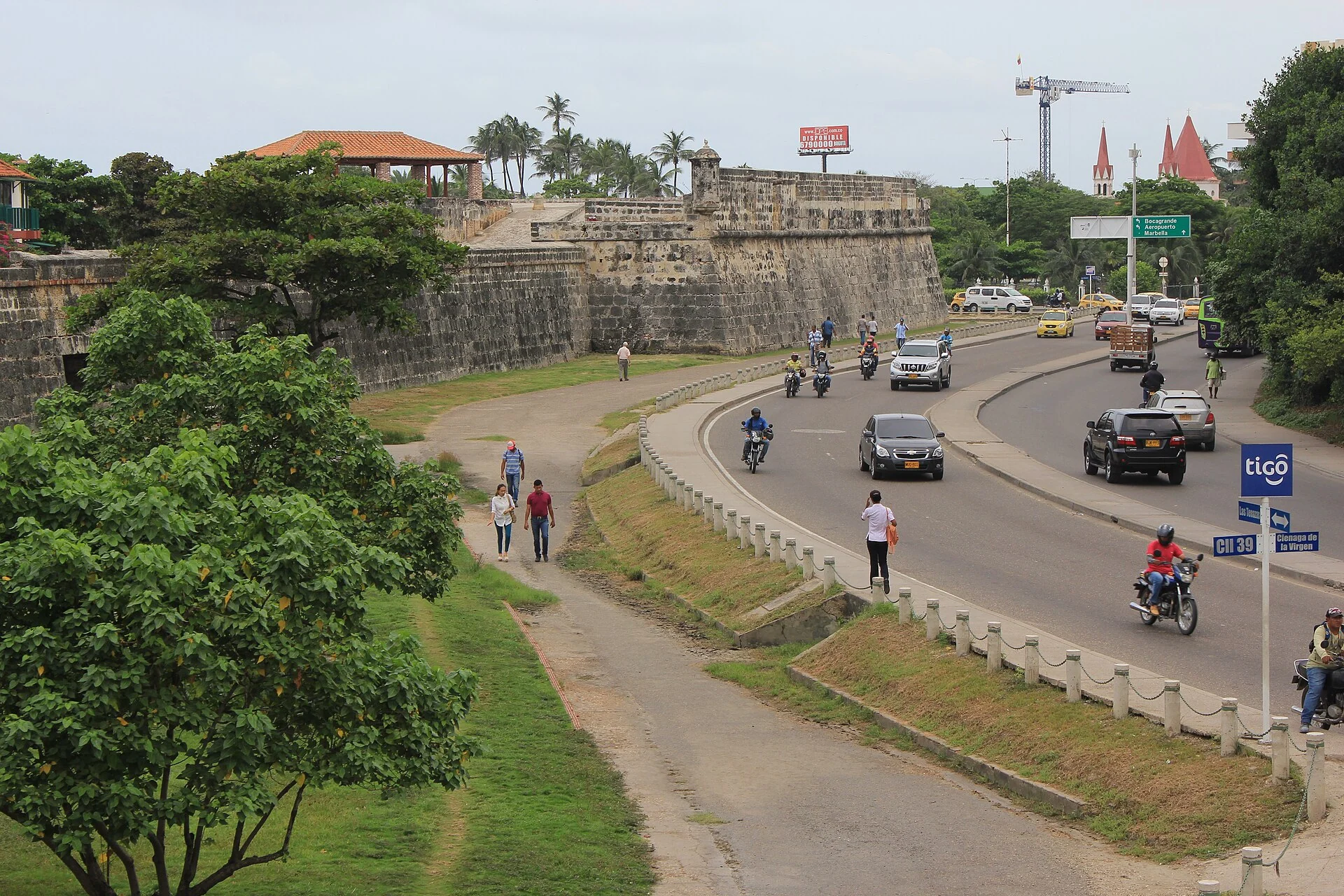
Cartagena’s walls and colorful streets attract visitors for good reason, but the city’s history is deeper than its picturesque center. Plan a morning walk, a midday break from the heat and time to learn about the communities that built and live in this Caribbean port.
Begin with the historic city
The UNESCO World Heritage listing provides context for the fortifications and port. Walk public streets and choose a museum or guided tour that addresses colonial trade and slavery honestly. Respect homes and working businesses; a painted doorway is not permission to enter or pose in someone’s space.
Early morning is often more comfortable for walking. Carry water and sun protection, and plan an indoor stop during the hottest hours. In the evening, return to a different street or plaza for food and conversation. The official Colombia tourism guide can help identify current activities.
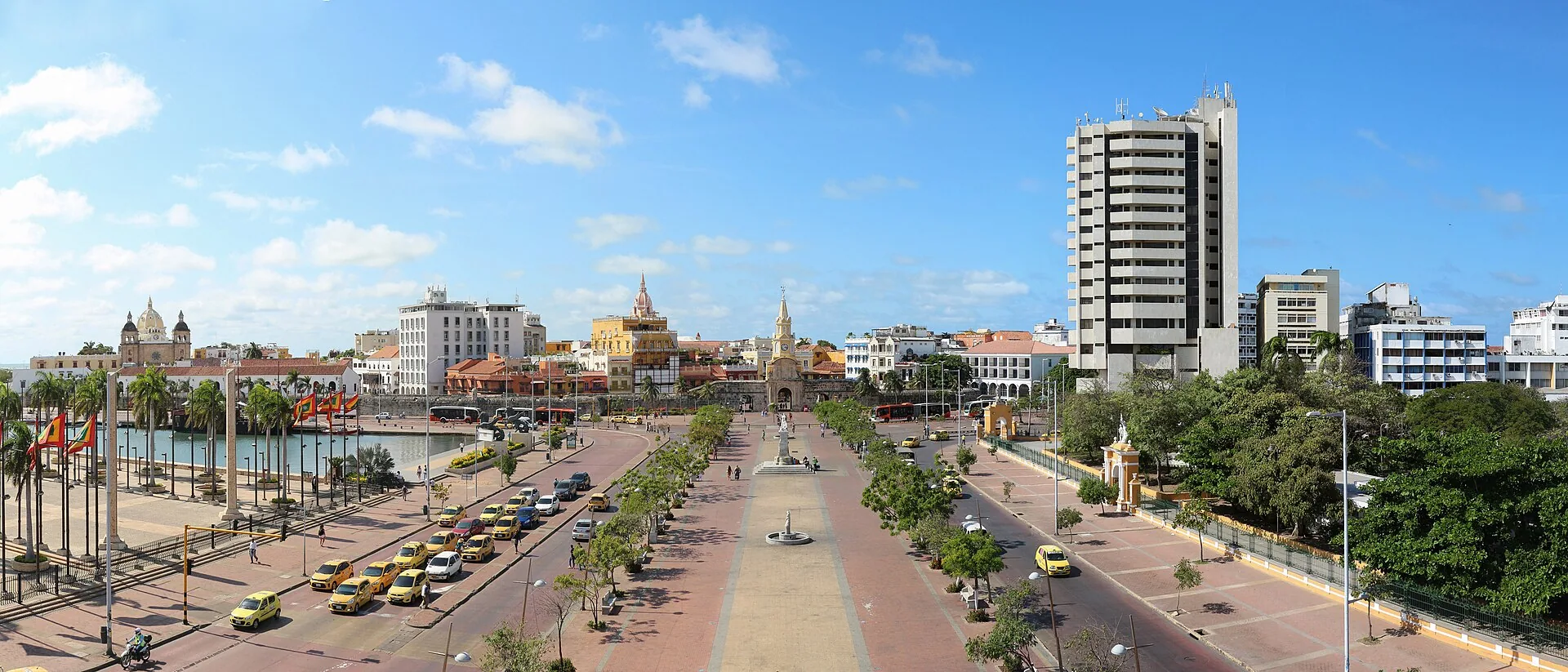
Consider the coast carefully
Island and beach excursions vary in quality. Ask about boat safety, total travel time, what is included and how waste is handled. Do not touch coral or feed marine animals. If you have only one day, the city itself deserves priority; a rushed boat outing can consume the best hours without adding much understanding.
Cartagena is most rewarding when its beauty is paired with context. A walk along the walls is memorable, but so is learning who lived inside and outside them, how the port changed and what the city’s neighborhoods are creating now. Give those stories space in the itinerary.
Look for local voices
A walking guide with roots in Cartagena can explain how the city’s neighborhoods developed beyond the walls. Ask what the tour includes and whether it discusses Afro-Colombian history and current cultural life. Choose a small group when possible, and avoid staged encounters that turn residents into props. Buying from a local maker is more meaningful when you learn who produced the work.
For a coastal afternoon, confirm the exact departure pier and return time. Boat itineraries can change with weather, and an advertised island name may cover several very different experiences. If the sea is rough, a second city day is a valid choice. Cartagena has enough food, music and history to fill it.

Walk the fortifications as a system
The walls and defensive works of Cartagena were built for a strategic Caribbean port, not merely to frame colourful streets. UNESCO describes San Pedro, San Diego and Getsemaní as distinct parts of the historic city. Choose a route through two areas and note how civic buildings, former merchant streets and lived-in neighbourhoods differ. A museum or knowledgeable local guide can explain trade, defence and enslavement without romanticising the colonial period. Ask before photographing people in residential lanes or working shops.
Plan around heat and crowds
The compact map can disguise tiring sun exposure. Put the longest walk earlier in the day, carry water and schedule an indoor break. Check official opening times for any fort, museum or church you particularly want to enter. A walking itinerary can be more satisfying than repeated short vehicle transfers inside a congested centre, but use transport if mobility or weather makes it sensible. If staying in Getsemaní, remember that it is a residential community as well as an area with restaurants and nightlife.
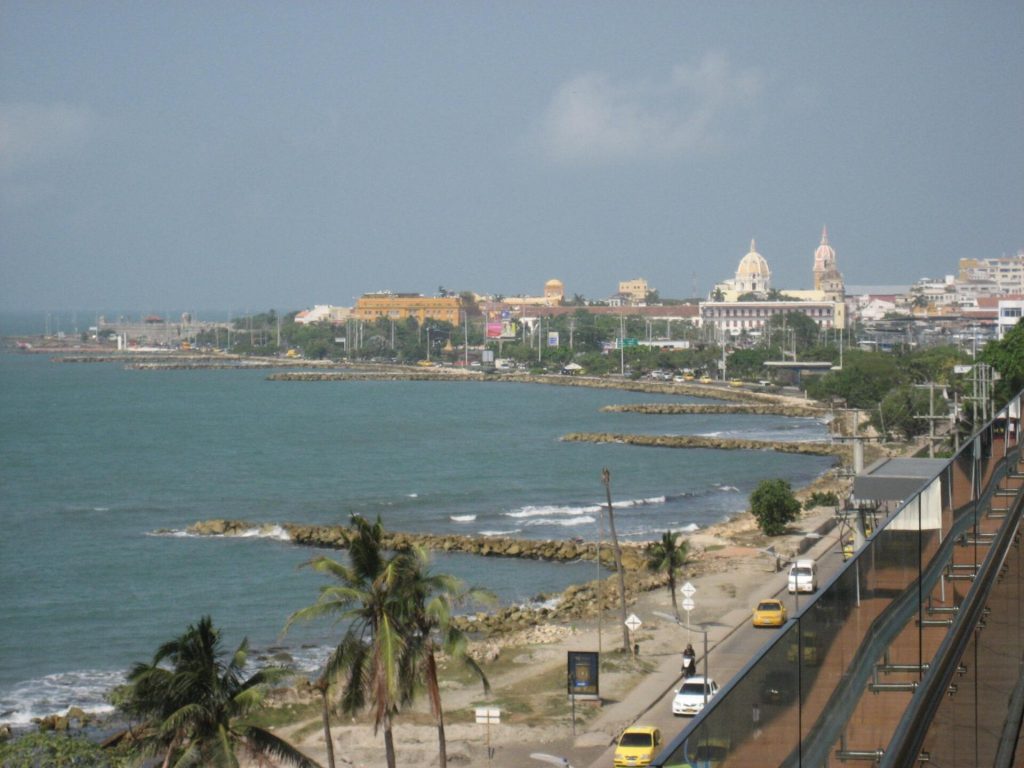
Choose coastal trips with care
A boat outing is a different day from exploring the walled city. Ask about the vessel, departure point, total travel time, weather policy and whether protected-area fees are included. Avoid operators that pressure visitors to handle wildlife or leave waste on beaches. Colombia’s tourism information can help compare the range of experiences, but the details of a specific sailing should be confirmed with its operator. Giving Cartagena’s history and the coast separate time makes both clearer.






The conversation
Join the discussion
Have a useful tip or a question about this journey? Share it with fellow readers. Please keep comments respectful and relevant.