
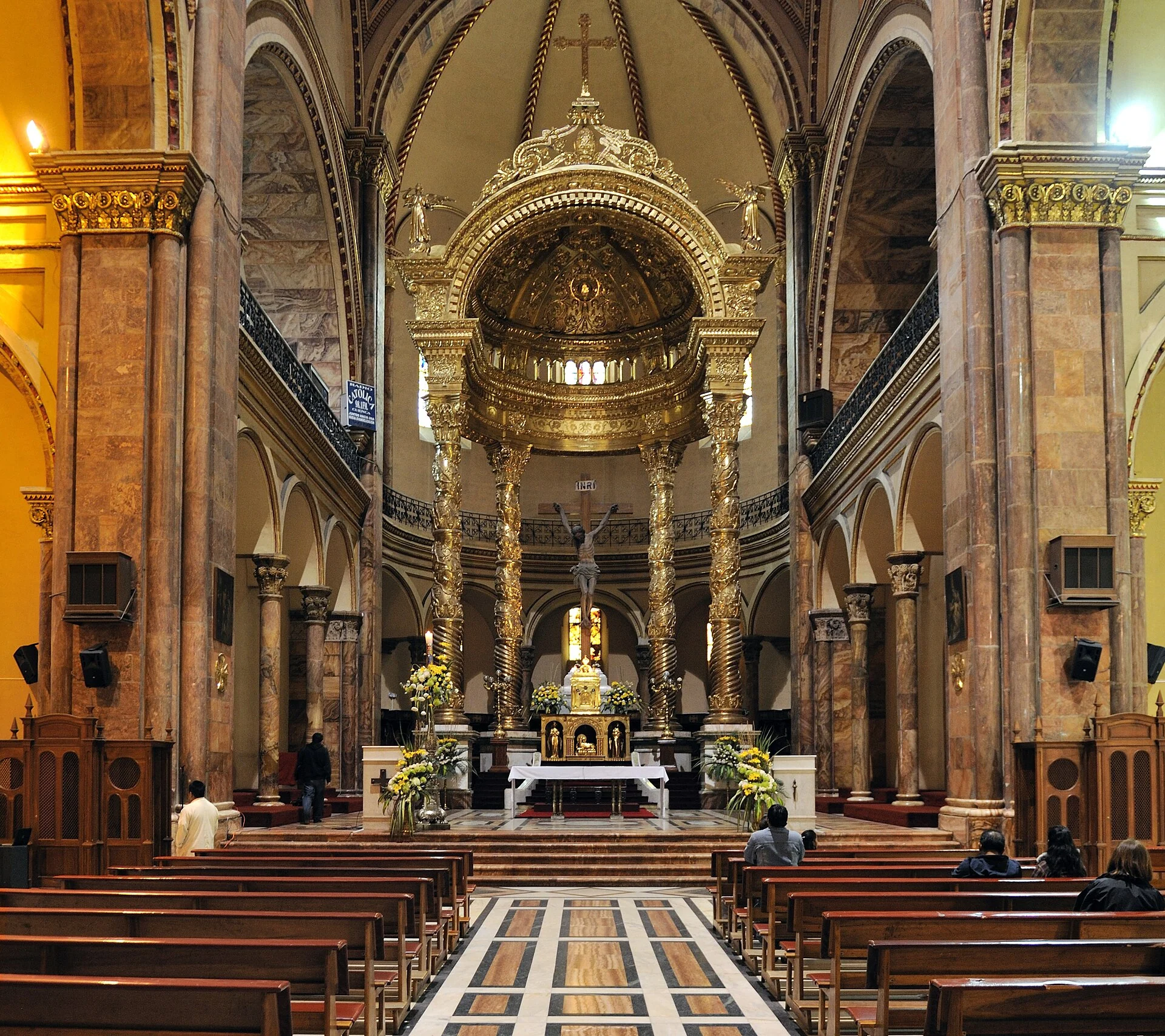
Cuenca’s historic center is a place to walk slowly. Its street grid, plazas and river setting reveal a city shaped over time, while markets and workshops show that it remains actively lived in. Plan a day around a few blocks and one cultural institution rather than a long list of façades.
Read the city’s layers
The UNESCO World Heritage listing explains why the historic center matters, including the relationship between its urban plan and architecture. Use that background while walking, but do not treat every old building as a museum. Many are homes, businesses or places of worship. Enter only where visitors are welcome and ask before photographing people.
Pause at a market for a meal or snack, then look for a maker whose work interests you. Ask about materials and methods and buy directly when possible. Craft traditions are more meaningful when connected to the people continuing them today. A guided walk can add context, especially if it includes Indigenous and contemporary perspectives alongside colonial history.
Plan for elevation and weather
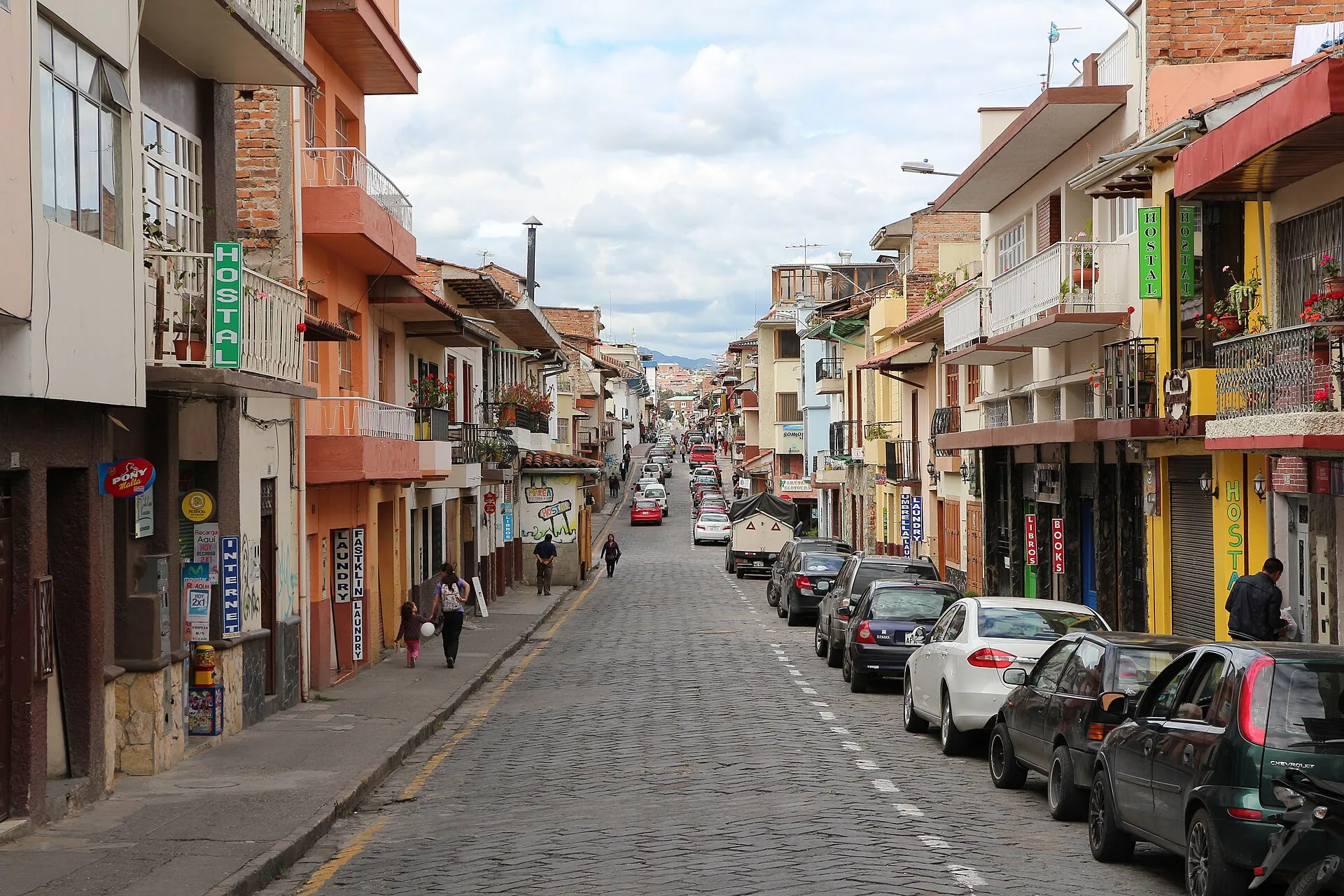
Cuenca sits at elevation, so a gentle first day is sensible if arriving from the coast. Carry water and a layer for changing conditions. If you want to visit the surrounding countryside or a national park, make it a separate day and check transport and trail conditions beforehand. The official Ecuador tourism portal can help with regional orientation.
Cuenca works well as a pause in a wider Ecuador itinerary. A quiet morning in the center, an afternoon by the river and a thoughtful conversation in a workshop can reveal more than a hurried circuit of every landmark. Leave enough time for that rhythm.
Use the river as a second route
After the central plazas, follow an appropriate public path near the Tomebamba River for a different view of the city. Check conditions after rain and avoid entering unstable banks. Bridges and neighborhood streets reveal how the historic core meets newer urban life. A local guide can help explain the relationship without turning the walk into a list of dates.
Cuenca is also a useful base for nearby highland landscapes, but weather changes quickly. If planning Cajas National Park, confirm entry, transport and altitude conditions through official channels, and pack for cold and wet conditions even if the city is sunny. Keeping that outing separate preserves time for Cuenca itself.
Follow the street plan to read the city
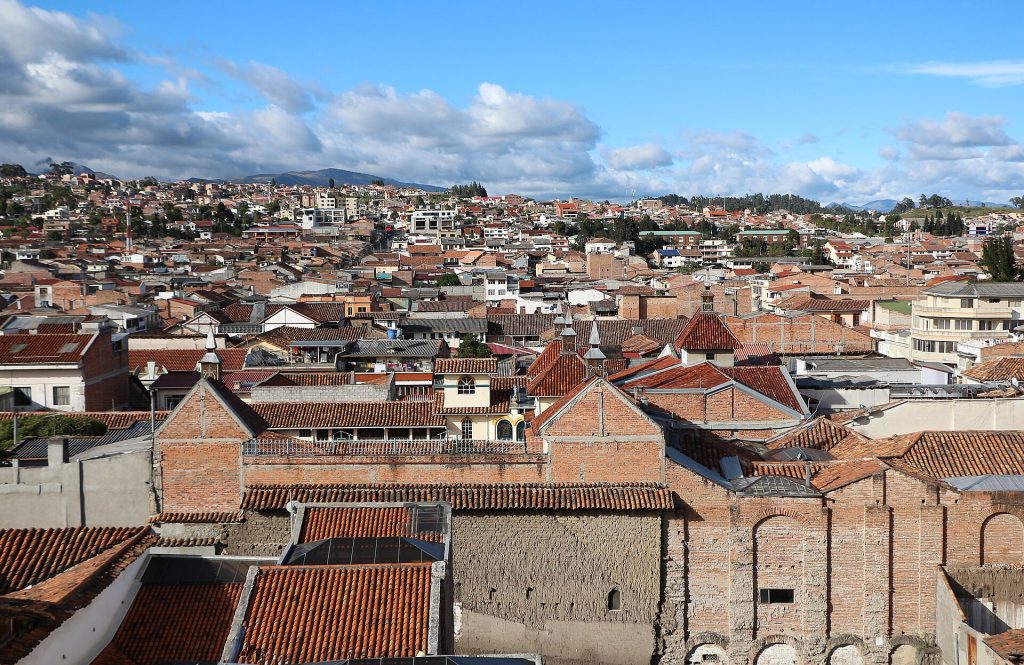
UNESCO’s account of Cuenca notes the long continuity of its orthogonal street plan and the architectural changes that accompanied nineteenth-century trade. Walk a small set of central blocks slowly, comparing civic buildings, homes and active shops rather than treating the centre as a uniform colonial backdrop. A museum or locally guided walk can connect the built environment to Indigenous communities, migration and the straw-hat trade. Check museum hours and access on the day; historic buildings can have different stair and doorway conditions.
Use the rivers to change perspective
After the central grid, follow a suitable riverside path to see how Cuenca’s valley setting changes the view. Check weather before committing to a long walk; an Andean afternoon may feel different from the morning. Choose a route with a clear return point rather than descending to the water and then discovering a steep climb when tired. If travelling with children or mobility needs, ask locally about paved sections, crossings and steps. Cuenca is a lived-in city, so let cafés and neighbourhood businesses be part of the experience, not just facades.
Leave room for elevation and onward travel
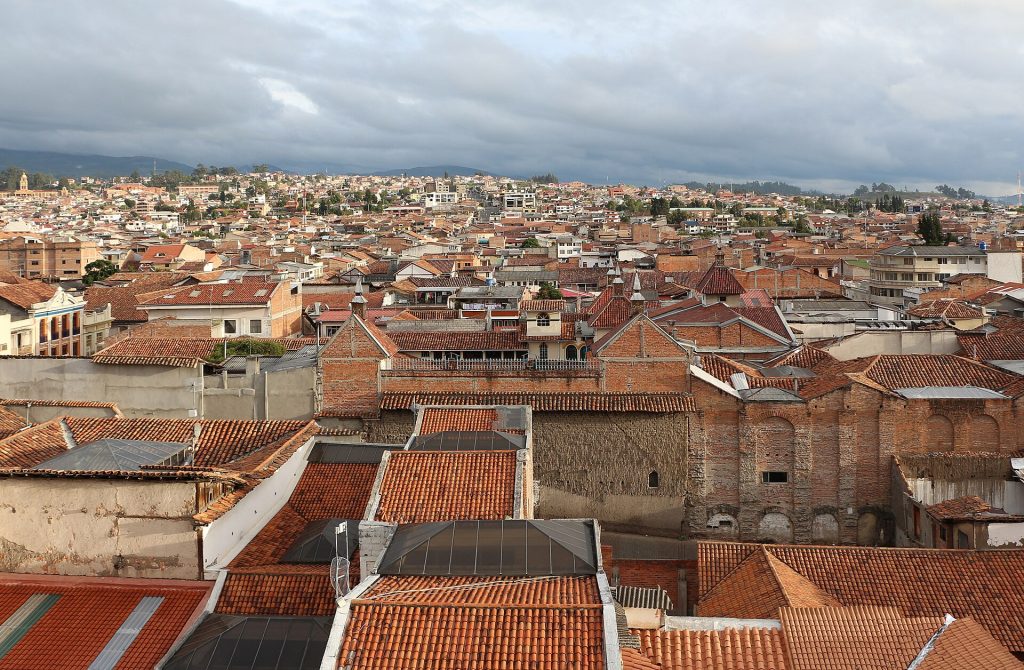
Take the first day at a comfortable pace after arriving from lower altitude, and adjust activities if you feel unwell. The historic centre rewards time without a demanding attraction schedule. Before adding a rural day trip, compare driving time with the time you want in the city. Use Ecuador’s tourism information for broader trip planning, then confirm transport and current conditions with local providers. This makes Cuenca a destination in its own right rather than a brief stop between larger landscapes.


The conversation
Join the discussion
Have a useful tip or a question about this journey? Share it with fellow readers. Please keep comments respectful and relevant.