
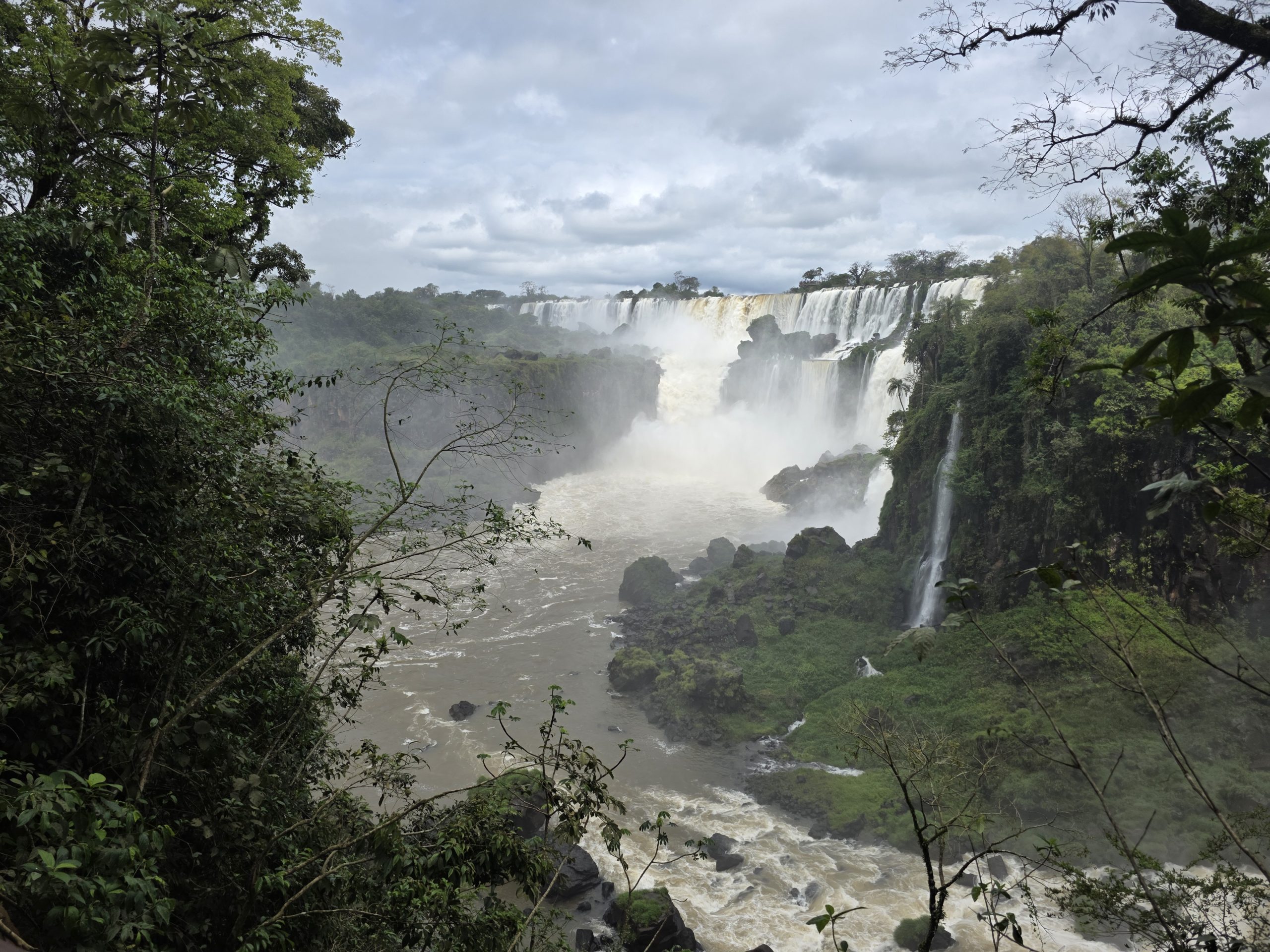
Iguazú is more than one famous viewpoint. On the Argentine side, a network of walks reveals the falls from above, below and close to the river’s most forceful drop. The reward for planning your route is not simply covering more ground: each circuit changes the sound, scale and perspective of the water.
Choose a circuit that fits your day
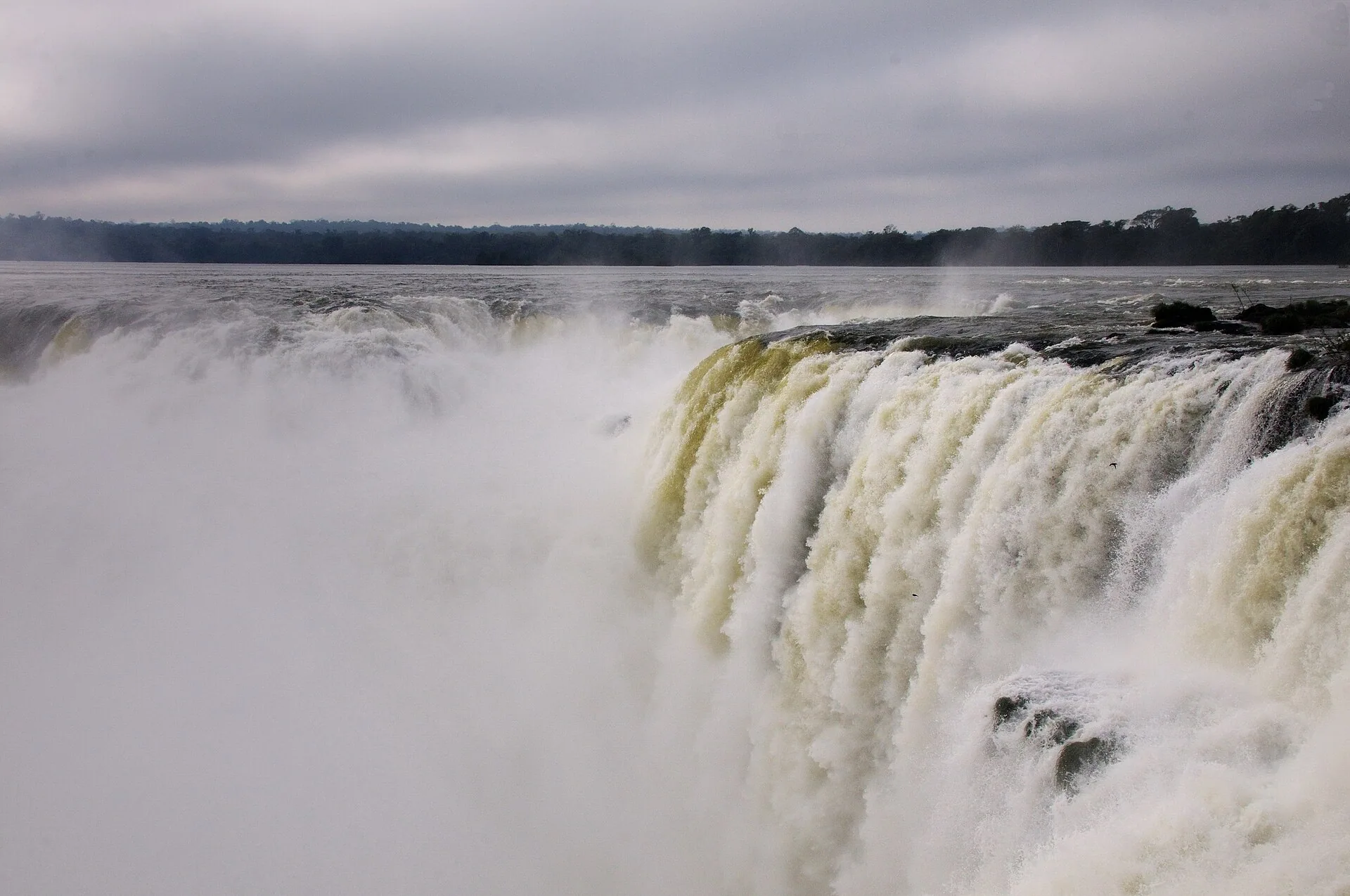
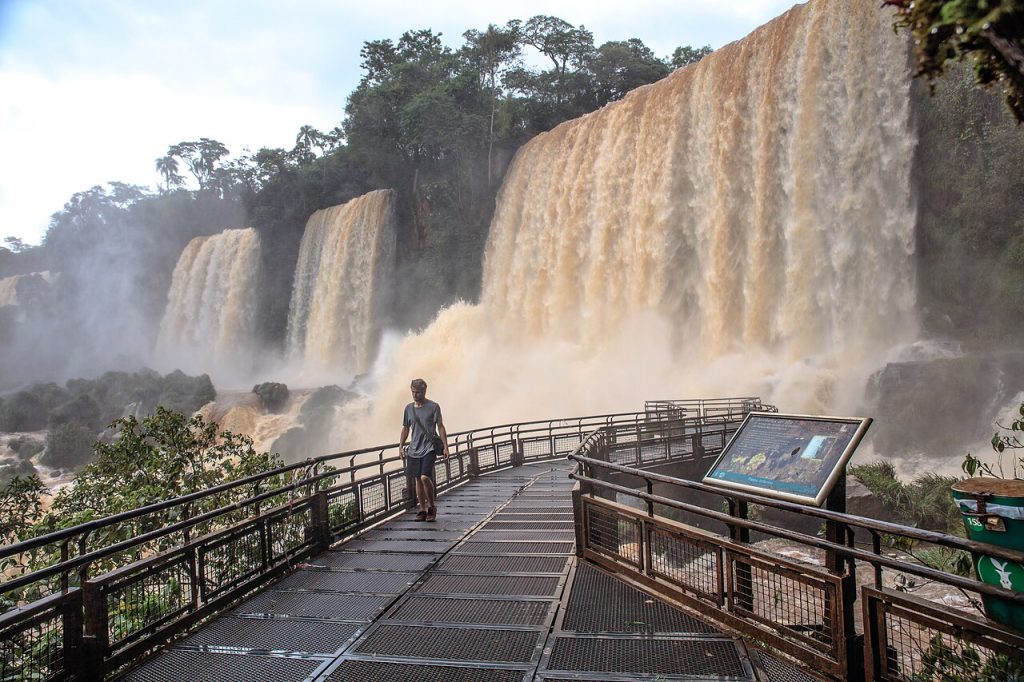
The Upper Circuit follows elevated walkways for broad views across the top of the falls. The Lower Circuit brings visitors closer to the spray, with stairs that make it less suitable for some mobility needs. The approach to Garganta del Diablo, or Devil’s Throat, uses an accessible walkway over the upper river before reaching the main viewing area. Argentina’s National Parks Administration publishes current descriptions of these routes and their accessibility. Check those details on the day, because weather and maintenance can affect access.
Make space for the forest
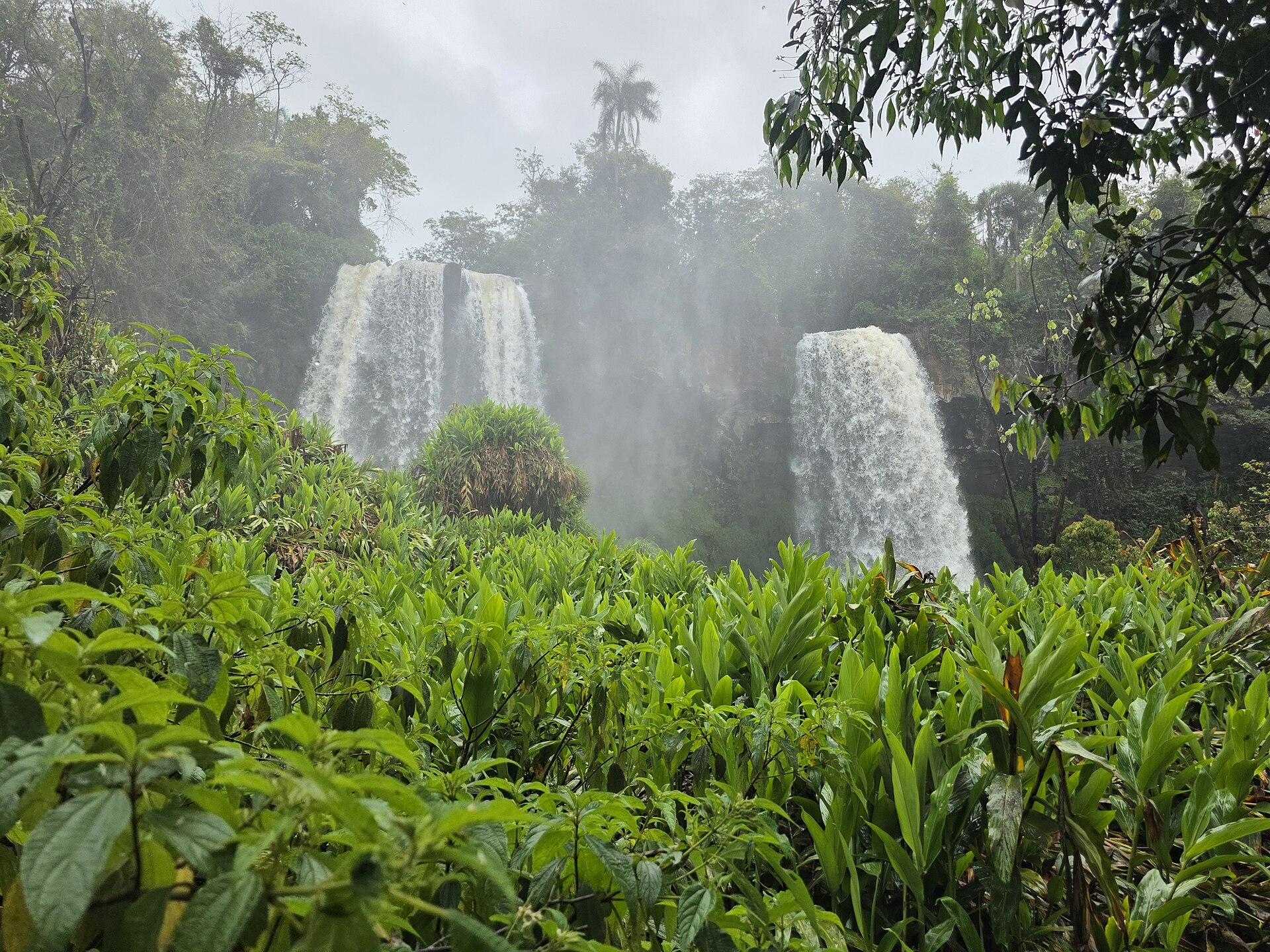
The falls sit within a protected subtropical forest. Iguazú National Park has been on UNESCO’s World Heritage List since 1984, reflecting both its dramatic landscape and biodiversity. Pause on the quieter stretches of path, keep food secured, and observe wildlife from a distance. The park is richer when the visit is not reduced to a single photograph at the loudest viewpoint.
Start early and avoid a rushed finish
Arriving early gives you more freedom to adjust the order of circuits and use the ecological train where it helps. The park’s published hours and last train times should guide your schedule, but verify them before travel rather than relying on an old article. Puerto Iguazú is the nearest town; allow transport time between town and the park entrance. If you want to walk all principal circuits at an easy pace, dedicate a full day.
What to bring
Wear shoes with grip for wet walkways, carry drinking water and protect your camera or phone from spray. Light rain protection is useful even on a clear day. Stay behind barriers and follow any temporary closures. A boat excursion can be memorable, but it is a separate activity with its own rules, weather limits and eligibility requirements.
Planning note: Ticket prices and services change. Consult the official park website for current fees, opening hours and circuit status.
Use route lengths to choose honestly
Argentina’s National Parks Administration lists the Upper Circuit as a 1,850-metre one-way walkway without stairs, the Lower Circuit as 1,750 metres with stairways, and the Devil’s Throat approach as a 1,100-metre walkway without stairs. Those distances matter more than a generic claim that the park is easy to walk. Decide which views you most want, then check same-day status at the visitor centre; high water, repair or weather can change access. Someone unable to use the Lower Circuit’s stairs still has other perspectives to consider.
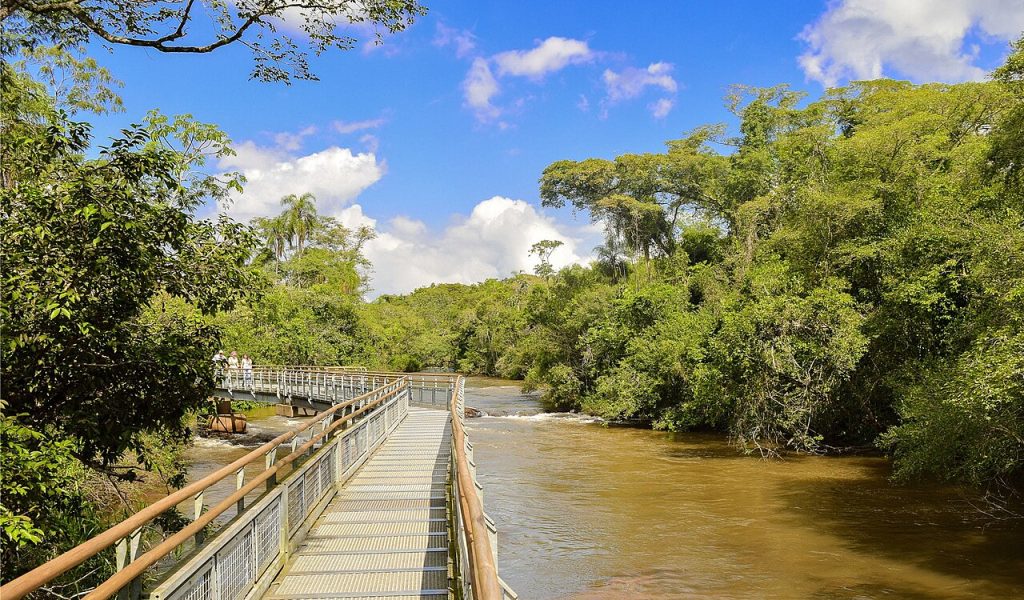
Use the train as part of the route
The park’s ecological train connects its visitor areas, but it has its own departure pattern and last service. The official hours and arrival page should be checked before setting out, especially if Devil’s Throat is a priority. Arrive with enough margin to walk, wait and return rather than treating the final train as a flexible suggestion. Confirm how you will travel from Puerto Iguazú to the entrance and back; transport time is separate from time spent inside the park.
Protect the forest experience
UNESCO recognises the surrounding subtropical forest as part of the site’s importance. Keep food secured, give wildlife space and remain on open trails. The Macuco Trail is a seven-kilometre return walk according to the park; ask at the visitor centre about its current condition and suitability before starting. A boat excursion is a separate activity with its own restrictions. Shoes with grip, water and rain protection make the established walkways more comfortable, while a slower pace lets the forest remain more than scenery around a waterfall.




The conversation
Join the discussion
Have a useful tip or a question about this journey? Share it with fellow readers. Please keep comments respectful and relevant.