
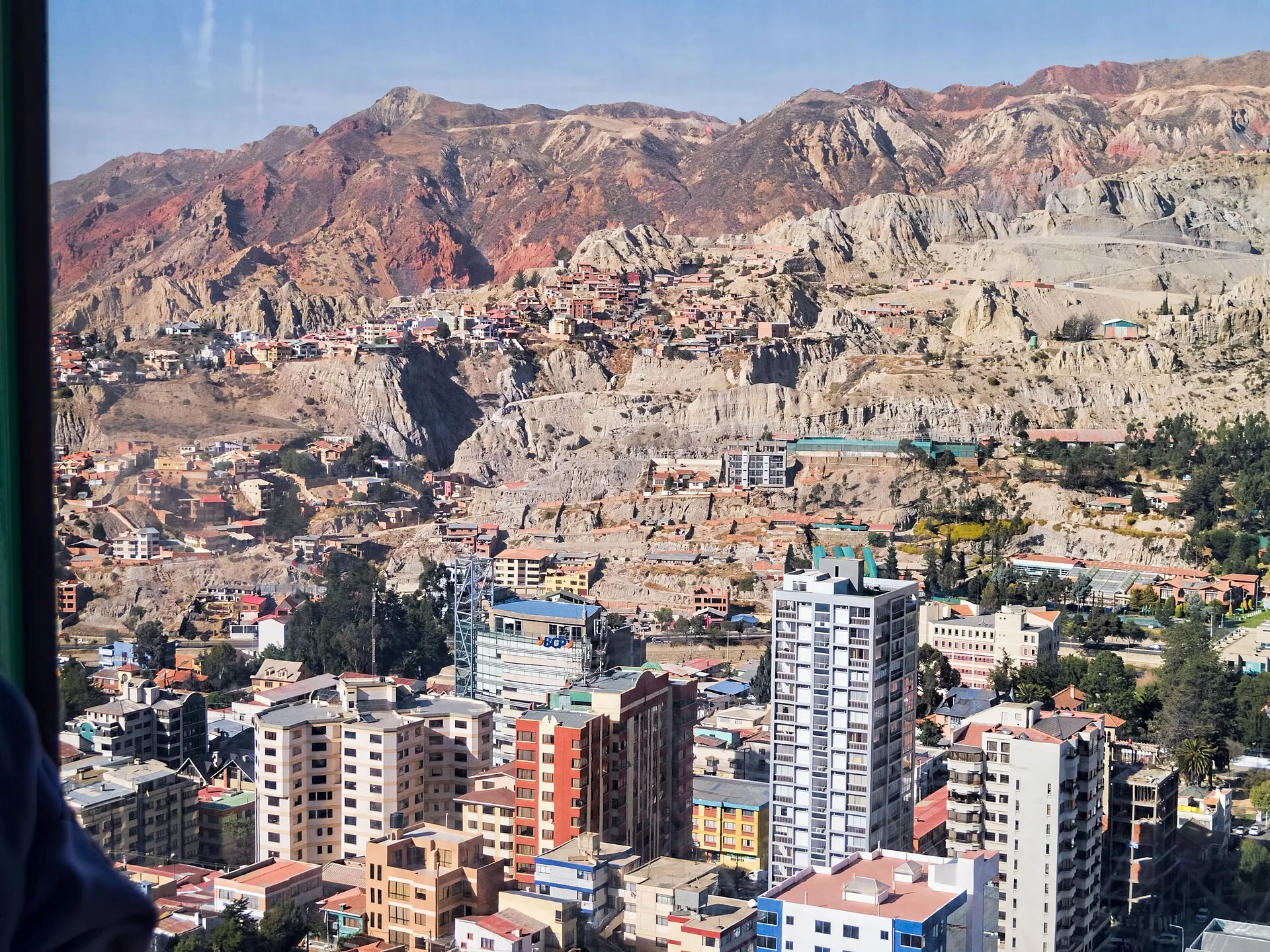
La Paz’s steep topography makes every walk feel different. Cable cars cross the valley, markets fill narrow streets and mountain views appear between buildings. The city rewards curiosity, but its altitude asks for a gentle start.
Adjust before climbing
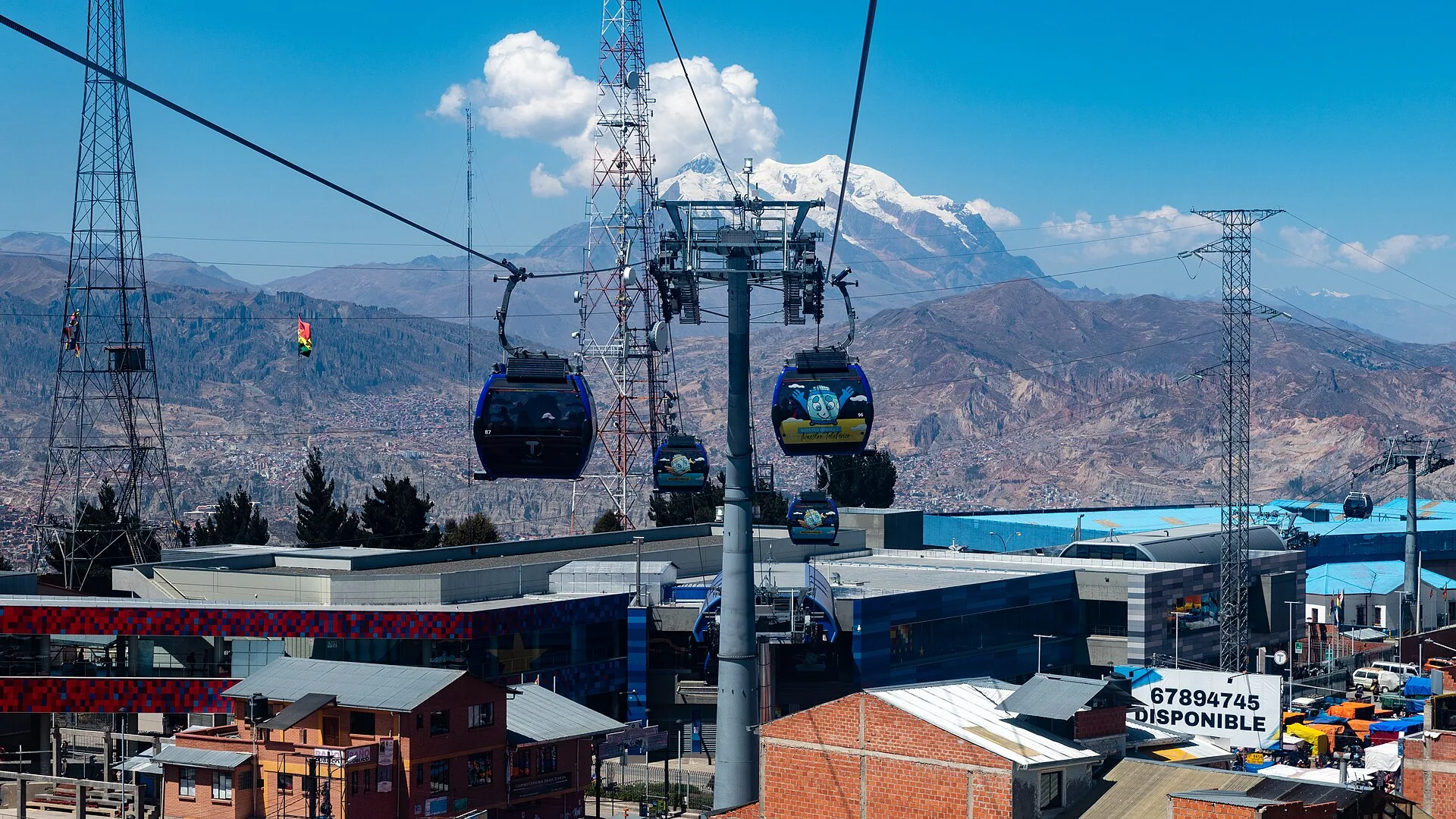
Spend the first day at an easy pace. Drink water, avoid overloading the schedule and seek medical advice in advance if altitude may pose a health risk. Stairs and hills can be surprisingly demanding. Use a cable-car route to understand the city’s geography; check the official operator for current lines, fares and service. The municipal tourism information adds local context.
Look beyond the viewpoint
Choose a market or cultural institution for the afternoon. Vendors are working, so ask before taking portraits and avoid handling goods without invitation. A locally guided walk can explain Aymara culture and the city’s political history more carefully than a generic sightseeing circuit. Support makers by buying directly when something genuinely interests you.
Weather and temperature can change quickly. Carry layers and sun protection, especially at exposed viewpoints. For an outing beyond the city, confirm road conditions and the physical demands of the route. Do not assume a day trip advertised online is suitable for your first day at altitude.
La Paz is not a place to conquer by racing uphill. A ride across the valley, a thoughtful museum visit and a slow meal can reveal its structure and spirit. Leave enough time to look down at the city, then return to its busy streets with a better sense of how they connect.
Let geography shape the itinerary
La Paz and neighboring El Alto are connected but distinct urban places. A cable-car line can cross between them, yet each deserves interpretation beyond a dramatic view. Do not photograph people in markets or at religious activities without consent. A guide who lives in the region can help explain customs and public art with nuance.
Check transport and opening times on the day. Protests, weather or maintenance may affect a route. If symptoms of altitude illness worsen, stop exertion and seek medical help. It is better to shorten a sightseeing day than to push through. The city will still offer much from a slower pace.
Make the first day smaller
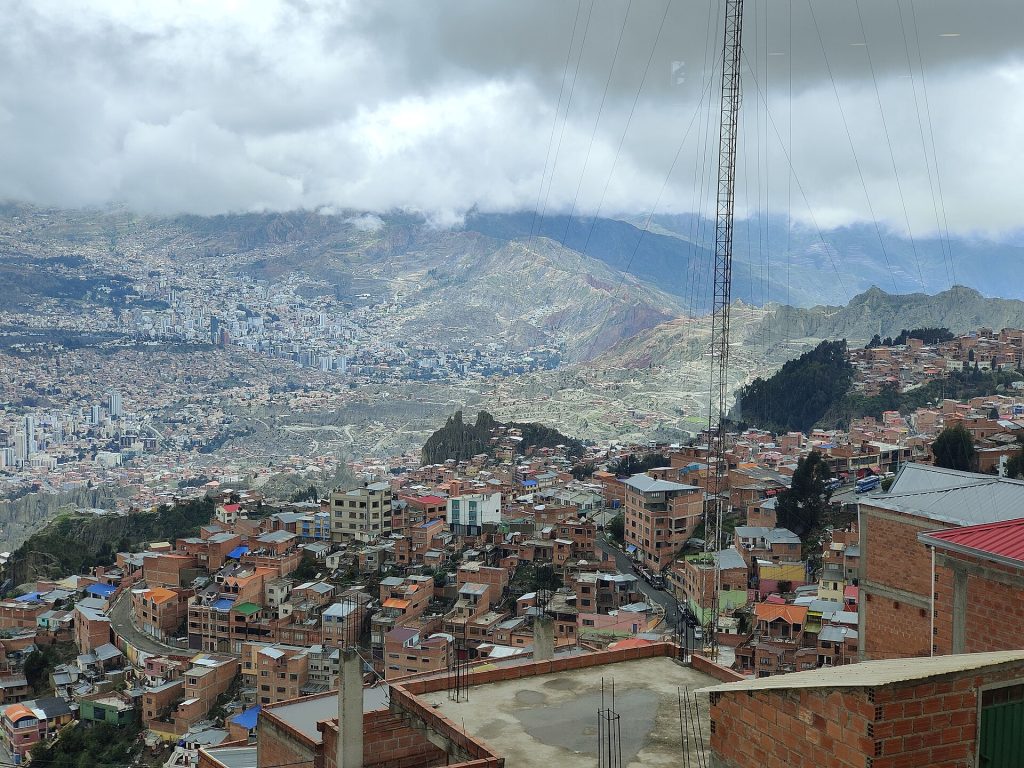
La Paz’s elevation makes a fast arrival-to-sightseeing schedule uncomfortable for some visitors. Choose a modest first walk, drink water and pause if you feel unwell. Anyone with a relevant medical condition should seek individual health advice before high-altitude travel. A cable-car journey can show the city’s dramatic topography without adding a demanding climb. Mi Teleférico publishes network information; check operating details on the day rather than relying on an old route map.
Ride with a destination, not just a view
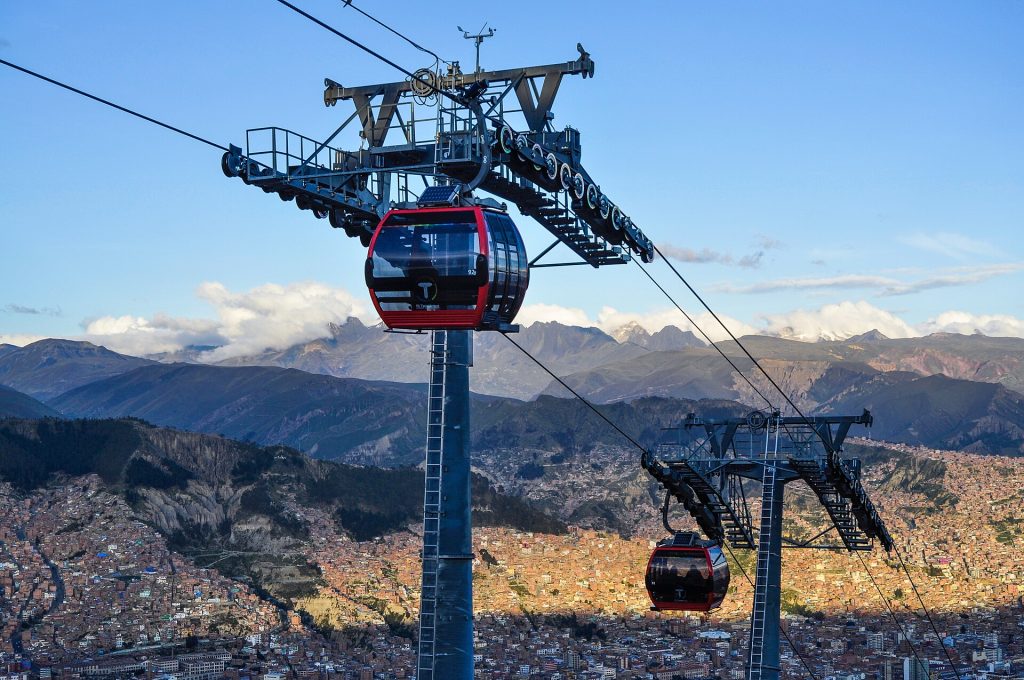
The municipal La Paz tourism page describes the Green Line and its connections. Use it as an example of how cable lines link neighbourhoods, then choose a stop with a market, museum or public space you want to explore. Before boarding, identify your return line and transfer station. Cabins are shared public transport, so keep bags compact and allow regular commuters space. A skyline photograph is only an introduction to how people move through the valley.
Let geography shape the second day
Group sights by area; crossing from one hillside to another can take more time than a map suggests. Choose a locally guided walk if you want to understand markets and civic history, and ask before photographing vendors or religious objects. Dress for a change in sun, wind and temperature across the day. Do not add a high-elevation excursion until you know how you are feeling in the city. A flexible two-day plan respects both La Paz’s everyday life and the visitor’s need to adjust to altitude.




The conversation
Join the discussion
Have a useful tip or a question about this journey? Share it with fellow readers. Please keep comments respectful and relevant.