
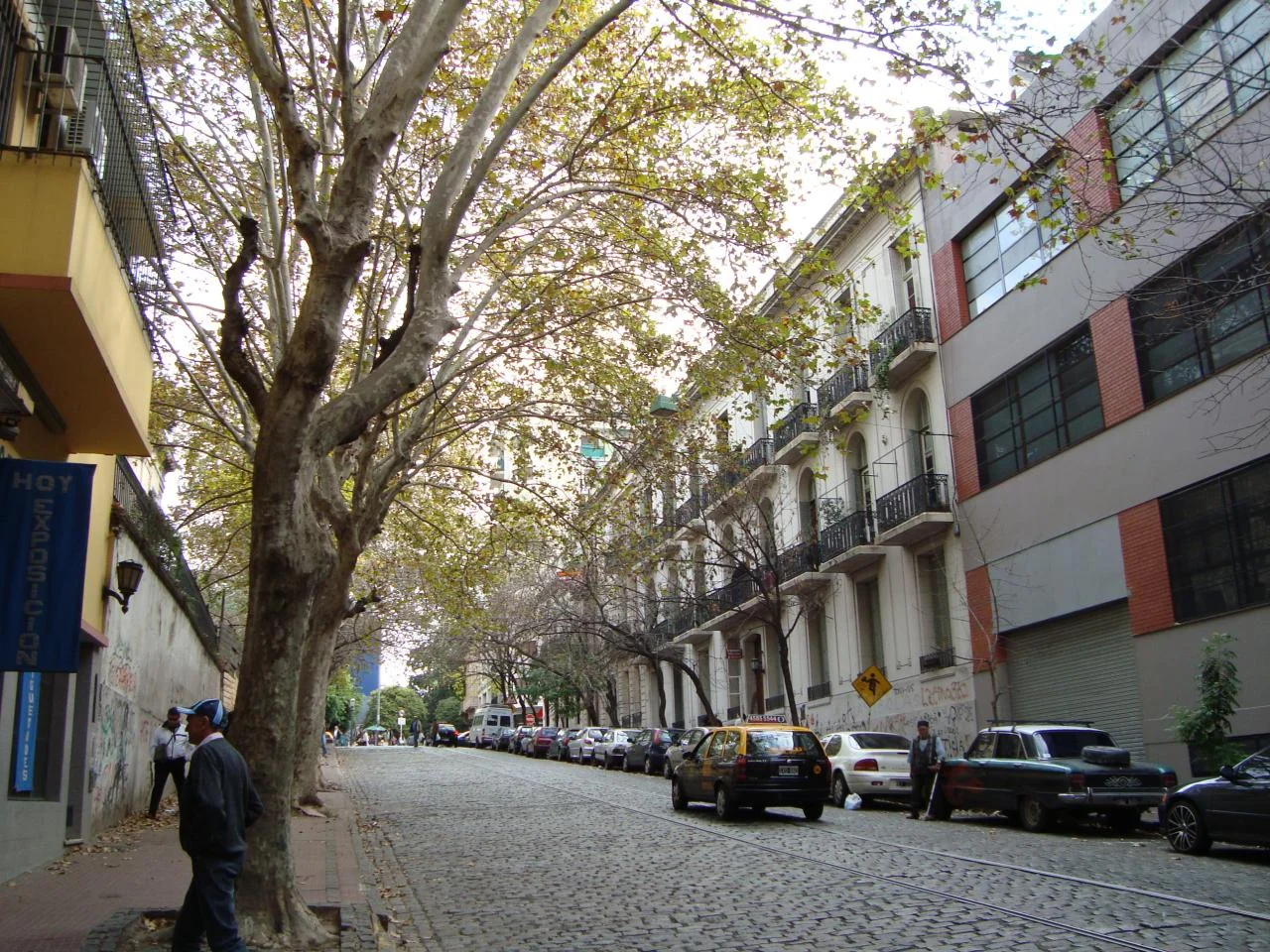
Buenos Aires is a city of distinct neighborhoods, and it is best approached one area at a time. A first visit can pair a historic district with a second day shaped by parks, bookshops or contemporary art. This leaves room for café culture and long meals without turning every day into a cross-city commute.
Choose a route with depth
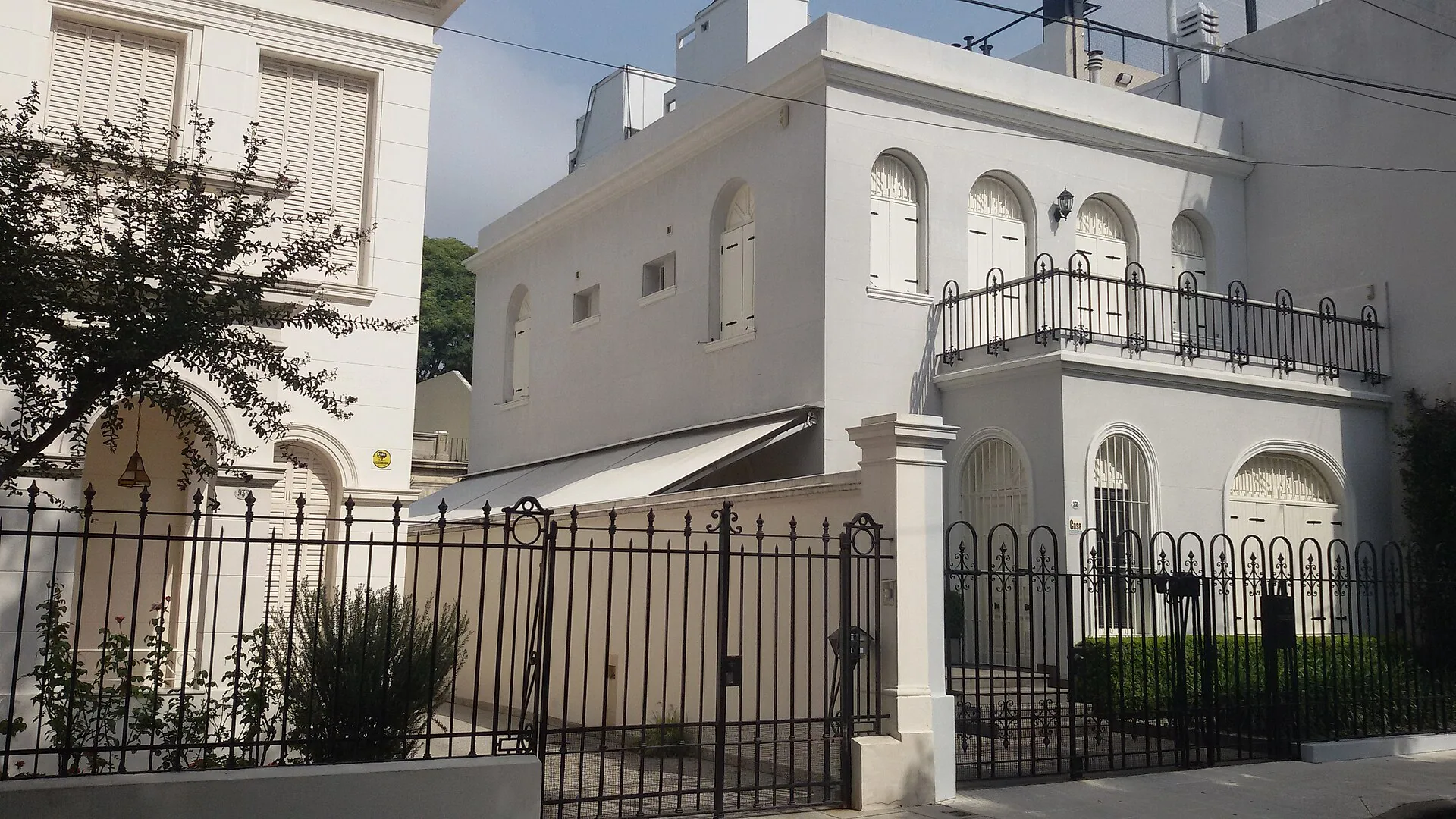
The official neighborhood guide helps compare areas. Walk public streets, visit one museum or cultural space and pay attention to how architecture changes block by block. Be respectful around residences and working businesses. A guided walk can clarify the city’s immigration and political history if it uses reliable sources.
Meet tango as a living art
Tango is more than a stage photograph. Seek a performance or social dance setting that explains the music and its traditions. Follow venue etiquette, confirm reservations and avoid photographing dancers without permission. A lesson can be a welcoming introduction when taught by an experienced local instructor.
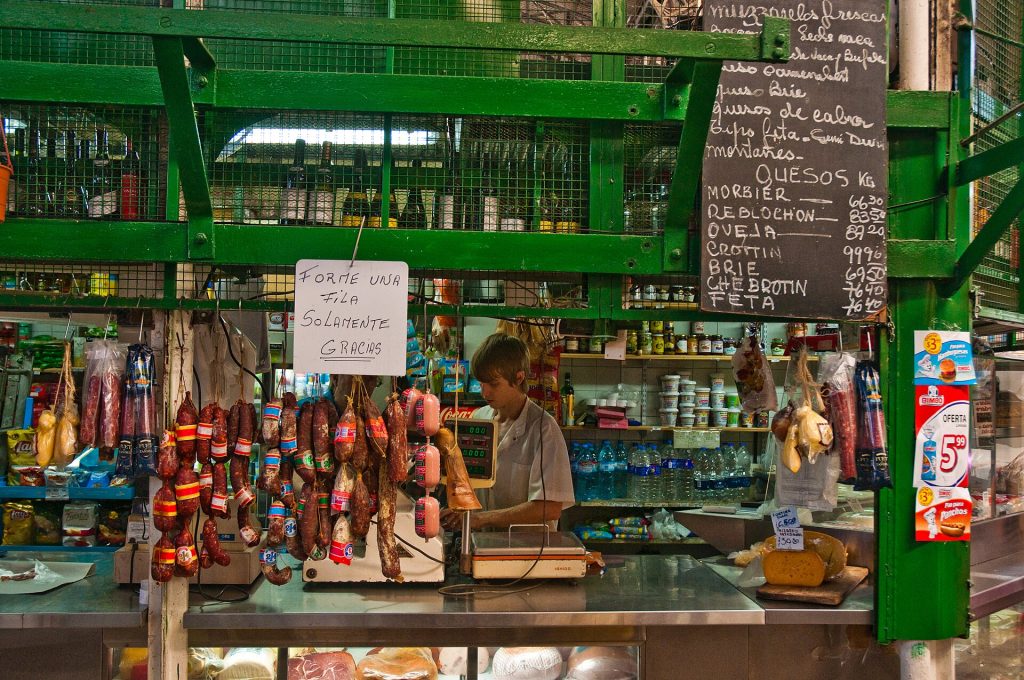
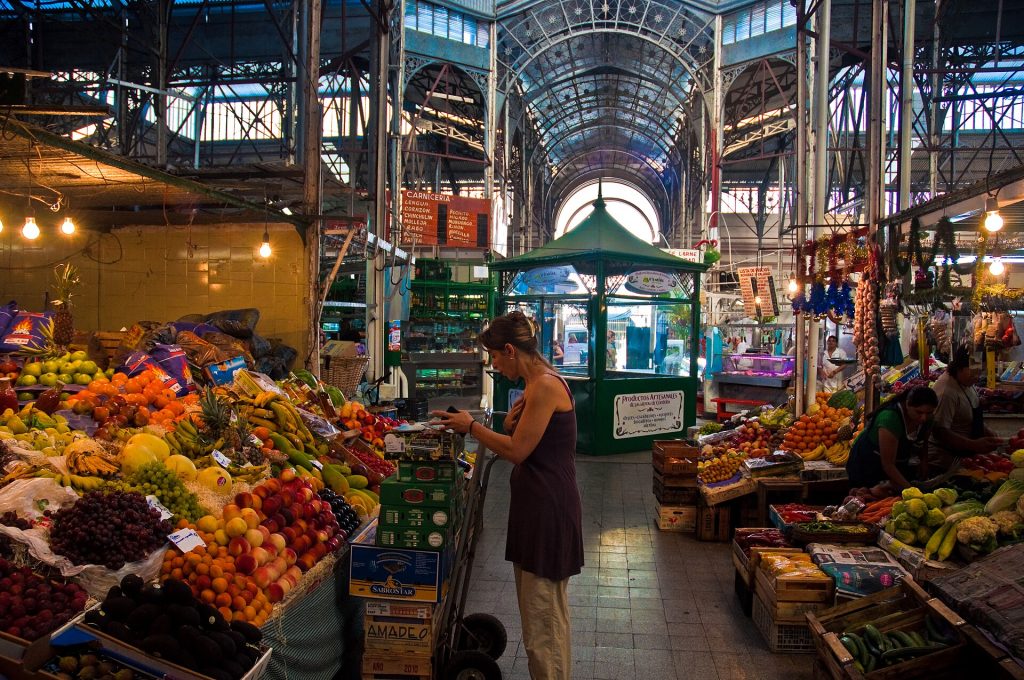
Food ranges far beyond steak. Try a neighborhood café or market, and allow time for the meal. Opening hours and dining rhythms may differ from what you expect. The city tourism site lists current events and practical information.
Buenos Aires is large; transit or a trusted car service can connect longer distances. Keep a sensible buffer after evening events. A strong trip does not require every famous district. A couple of neighborhoods explored carefully can reveal more of the city’s humor, history and creative energy than a hurried checklist.
Choose culture beyond the obvious
Look at the current calendar for theater, independent cinema or a small music venue. Buenos Aires has a rich performing-arts life that changes week by week. Check the language of a show and whether subtitles or translated information are available. A performance can reveal as much about the city as a famous boulevard.
Seasonal weather affects walking: humid summer days call for shade and water, while cooler months reward layers. Keep a simple plan for cash and digital payment, as acceptance can vary. For an evening in an unfamiliar district, arrange the return before the show begins. This leaves you free to enjoy it.
Choose two barrios with different stories
Buenos Aires has many neighbourhoods, and a first visit improves when you compare a pair rather than crossing the city for isolated icons. The city’s tourism office describes San Telmo’s older streets and arts scene, Recoleta’s civic and museum landscape, and Puerto Madero’s former docks. Pick one area for a morning walk and another for an afternoon or next day. Ask what will be open on your chosen date: a weekend market and a weekday museum create very different versions of the same barrio.
Meet tango as a living art
A staged show can be enjoyable, but it is only one way to encounter tango. Compare a performance, a lesson and a locally recommended music space according to your interest and comfort. Confirm start and finish times, seating, food inclusions and return transport before buying a ticket. Respect dancers and musicians; do not photograph or film them without permission. A guide who can explain the music’s social setting adds more value than a hurried stop at a familiar street corner.
Build in ordinary city time
Leave room for a café, bookshop, gallery or park in the neighbourhood you are already visiting. Buenos Aires rewards repeated observation at street level, and travel time between barrios can be substantial. Check current transport and payment options locally rather than relying on old travel posts. If the weather changes, shift from a long walk to a nearby museum. The purpose of a neighbourhood itinerary is to learn how parts of the city differ, not to tick off all 48 barrios named in an official list.






The conversation
Join the discussion
Have a useful tip or a question about this journey? Share it with fellow readers. Please keep comments respectful and relevant.