
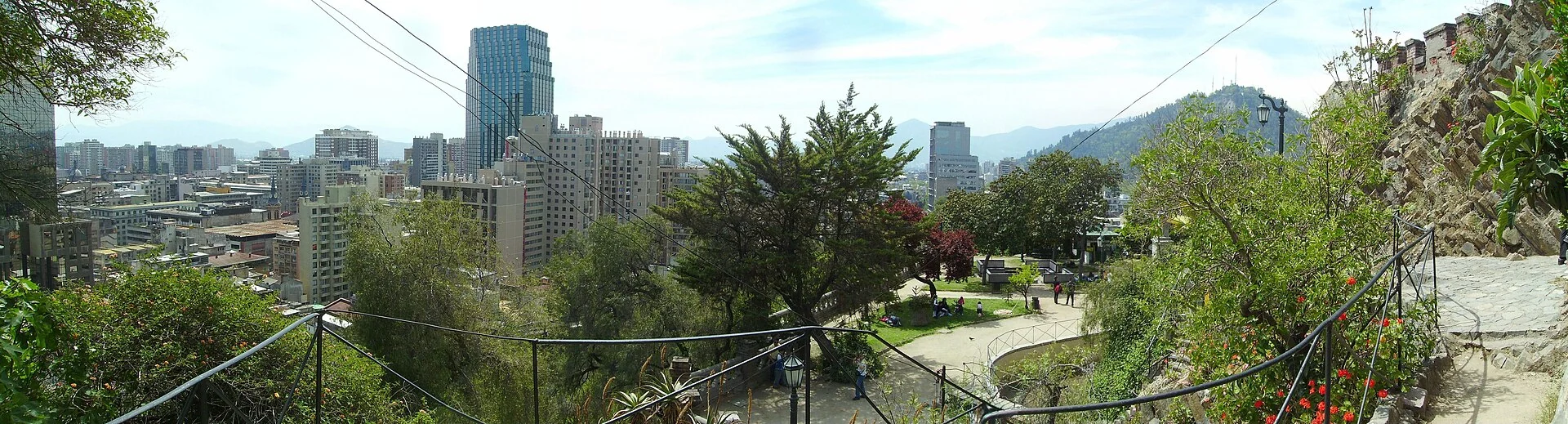
Santiago’s skyline is framed by the Andes, but the city is best understood at street level. Begin in the historic center, then choose a neighborhood for art, food or a hilltop view. Keep the route compact; the capital is much larger than it first appears on a map.
Start with civic history
Walk central public spaces and select a museum that adds context beyond monuments. Chile’s recent history matters as much as its colonial architecture. The Museum of Memory and Human Rights offers a serious account of dictatorship and human-rights violations; allow time to engage with it respectfully rather than adding it as a quick stop between lighter attractions.
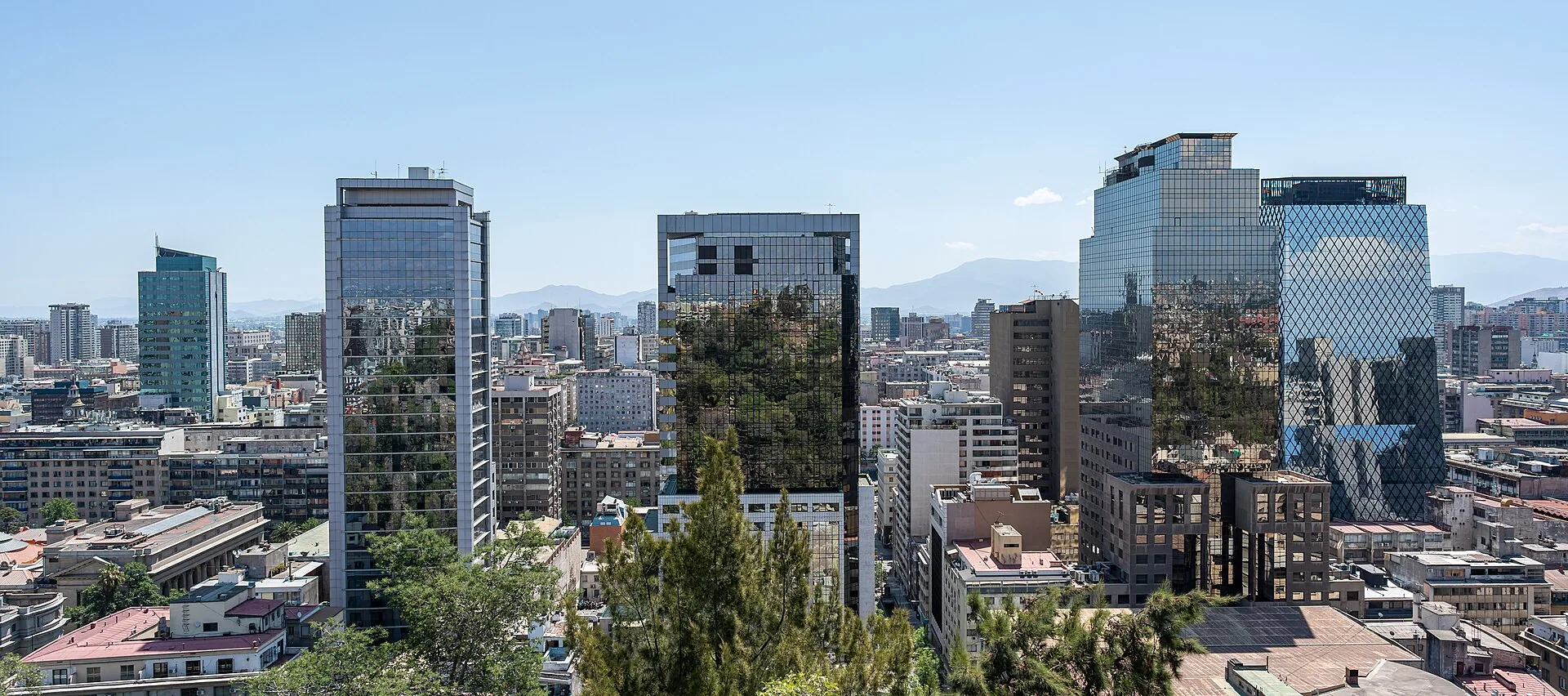
Choose a second lens
A neighborhood walk or hilltop viewpoint can show the city’s contemporary life. Check access, opening hours and weather before ascending. On days with poor visibility, a museum or gallery may be more rewarding than a viewpoint. The official Chile tourism guide gives broader ideas for the capital.
Santiago’s food scene spans markets and restaurants across many districts. Pick an area and eat there rather than crossing the city for a single recommendation. If visiting a market, ask permission before taking close-up photographs and keep working aisles clear.
Public transport can simplify central travel, but check current payment methods and late service. The Andes backdrop and urban energy are both real; the best Santiago itinerary gives space to each while acknowledging the historical stories that shape today’s city.
Use the mountains as context
The Andes are visible on clear days, but air quality and weather affect views. If planning a nearby mountain excursion, check altitude, road conditions and whether you need a guide. It may be better as a separate day than an addition to a city museum schedule. Carry layers even when central Santiago feels warm.
Before leaving, check whether demonstrations or public events affect central streets and transport. These are part of an active civic capital, not merely a travel inconvenience. Keep a flexible route and follow local guidance. A city walk has more meaning when it connects the public spaces of the past to the debates and culture of the present.
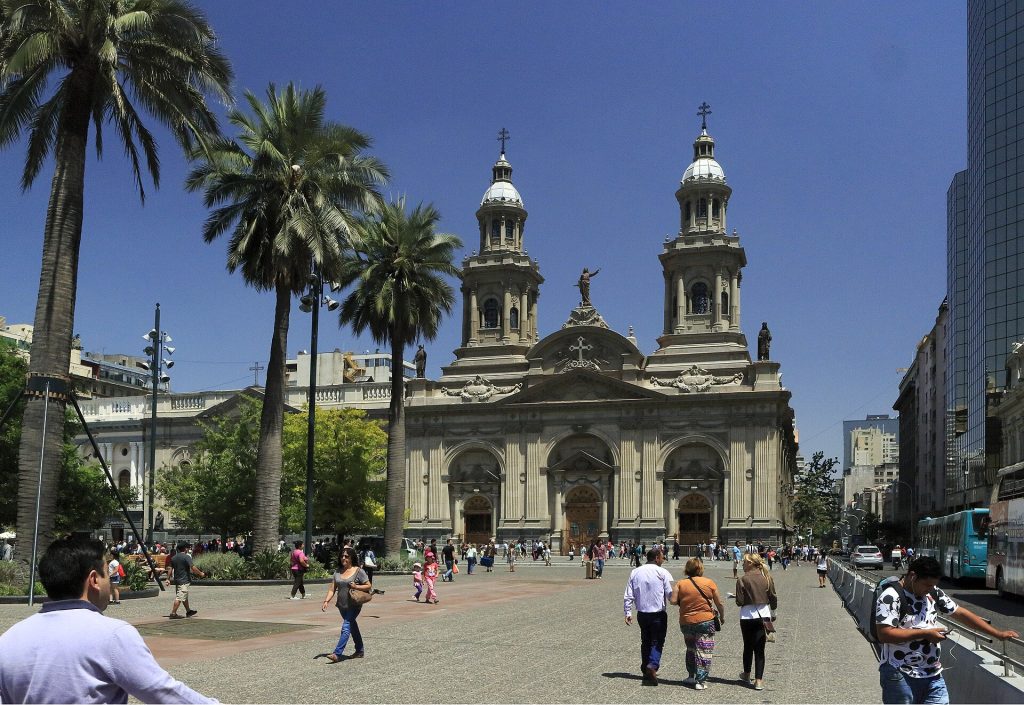
Start with civic memory
A first day in Santiago is stronger when a central walk includes a place that explains the country’s recent history. The Museo de la Memoria y los Derechos Humanos offers exhibitions and educational material on memory and human rights. Check current opening information and allow time to absorb the material; it is not a quick photo stop. Pair it with a measured walk through central streets, noticing the city’s public buildings and daily activity. A guide can help provide context without reducing Chile’s history to a single monument.
Choose one hill and one neighbourhood
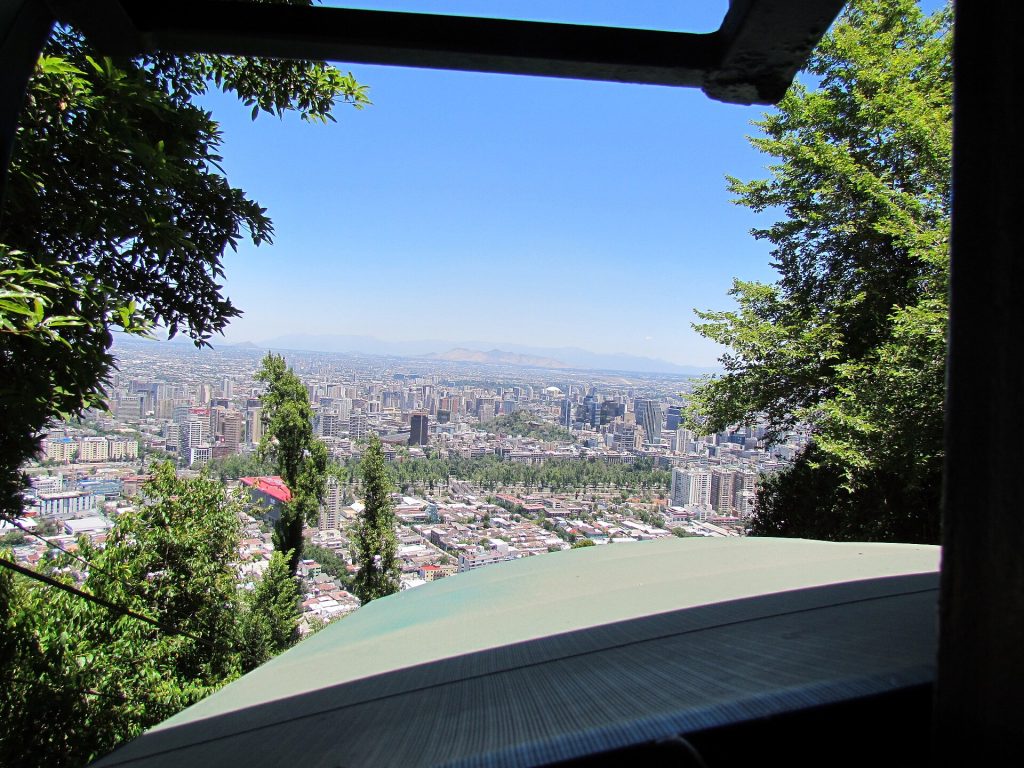
The Andes frame Santiago, but a city viewpoint and a mountain excursion are very different commitments. For a short visit, choose a manageable urban hill or viewpoint, then spend the rest of the day in a neighbourhood with galleries, food or parks. Chile Travel introduces the city’s wider options; check the actual distance and transport between your choices. Afternoon heat, air conditions or weather may make an indoor museum a better option than a long exposed climb.
Leave an honest margin for transfers
Santiago is a large capital. Group sights geographically and decide how you will return after dinner rather than relying on a last-minute cross-city trip. Verify any tour’s pickup point and inclusion of tickets. If travelling onward to wine country or the mountains, treat that as a separate day with its own weather and transfer plan. A neighbourhood-led route gives more of the city than a list of viewpoints assembled because they look close on a map.


The conversation
Join the discussion
Have a useful tip or a question about this journey? Share it with fellow readers. Please keep comments respectful and relevant.