
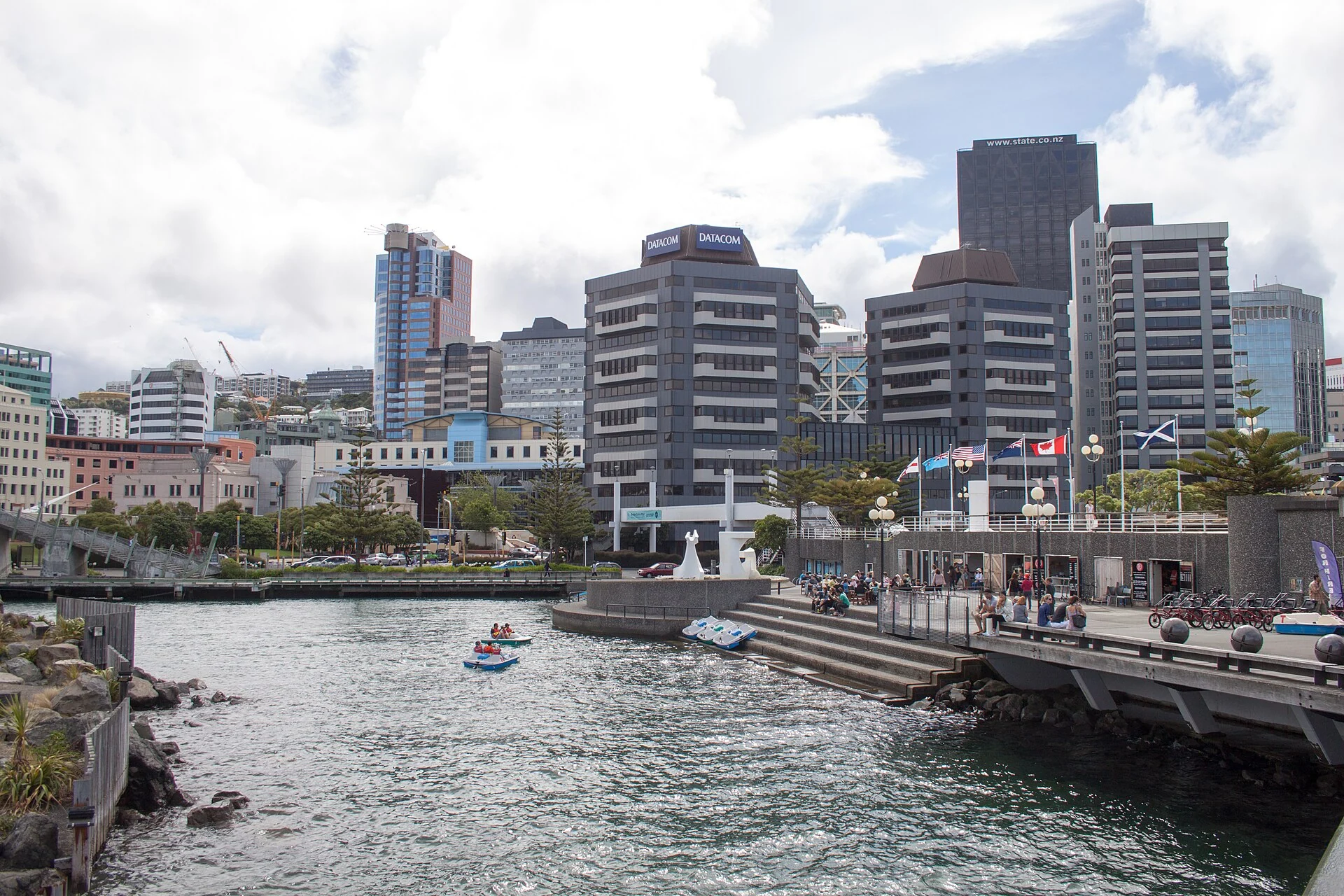
Wellington is compact enough for a rewarding walking day, though its hills and wind can make distances feel longer. Start along the waterfront, choose one cultural institution and let a nearby neighborhood shape the evening. The capital’s creative energy is easier to see at this scale.
Begin beside the harbor
Walk a manageable stretch of the public waterfront and notice how civic spaces meet working transport. The official Wellington visitor itinerary offers ideas, but do not try to fit every suggestion into one day. Te Papa, the national museum, deserves a substantial block of time; check its current exhibitions and visitor information before going.
Look up from the water
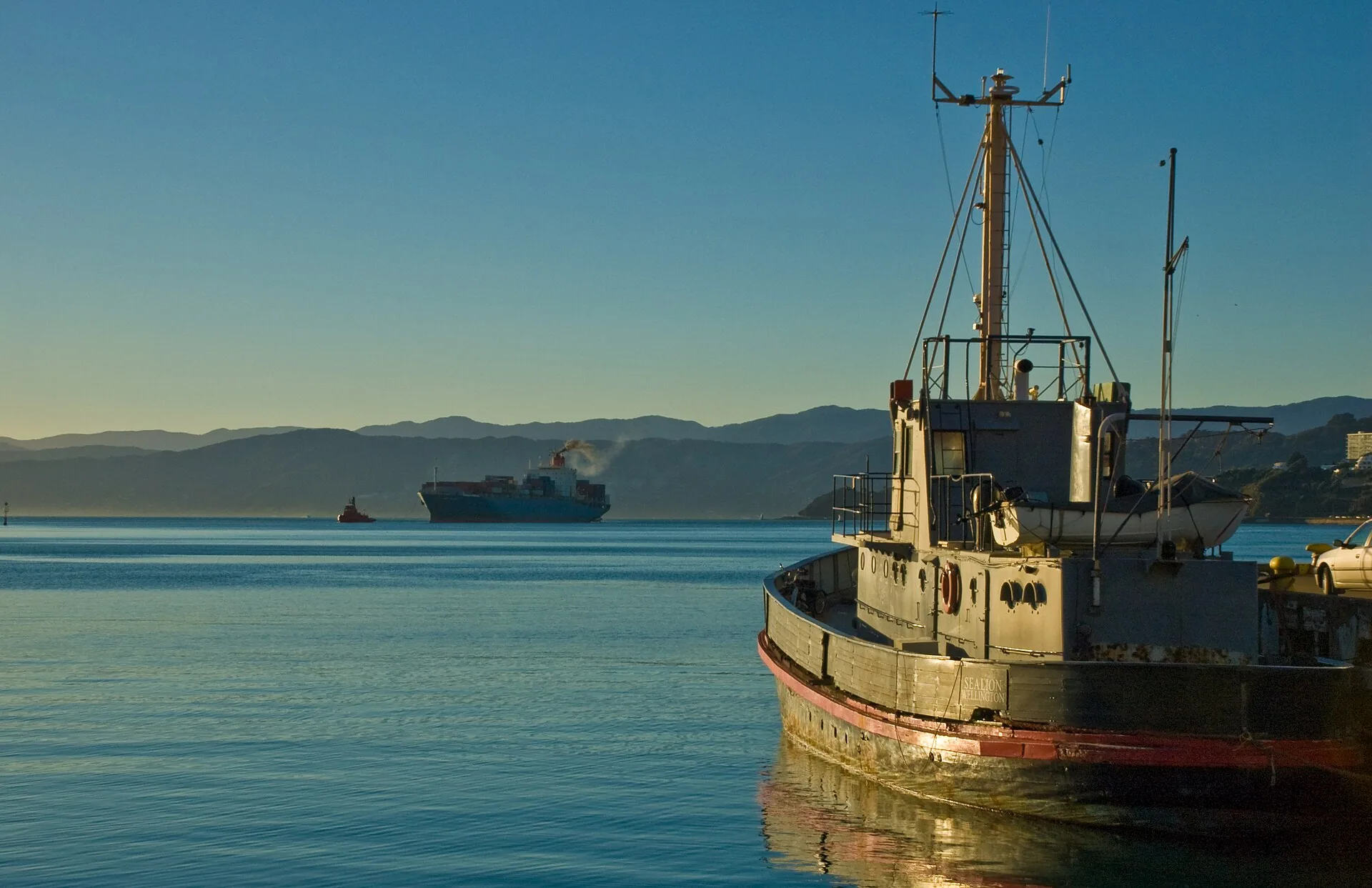
On a second day, choose a viewpoint or neighborhood walk according to weather and energy. Hillside tracks can be steep or slippery after rain. Carry a windproof layer and confirm any cable-car or ferry service before planning a connection. A short route with a long café stop may be more comfortable than an ambitious loop.
Wellington’s food and arts venues change frequently. Look for a current performance, gallery opening or small restaurant, and book only what requires it. Support local artists directly when buying work and follow venue photography rules.
If arriving or leaving by ferry or flight, keep a weather buffer when possible; the region’s conditions can affect transport. Wellington’s strength is the combination of national institutions and intimate streets. A harbor walk, an absorbing exhibition and an unhurried meal can give a fuller sense of the city than a compressed list of viewpoints.
Make room for the national story
As New Zealand’s capital, Wellington offers public institutions that tell stories beyond the city itself. Choose an exhibition that engages with Māori perspectives and contemporary Aotearoa, then give it enough time to challenge assumptions. If a venue offers a guided tour, check who developed it and how communities are credited.
Even central streets can be steep. Map a route with manageable climbs, and use public transport when needed. Check the forecast again before a hillside walk; wind can make an exposed lookout unpleasant or unsafe. A weather-aware plan might reverse the order of museum and viewpoint without losing the day. That flexibility suits Wellington’s character.
Let the waterfront connect the day
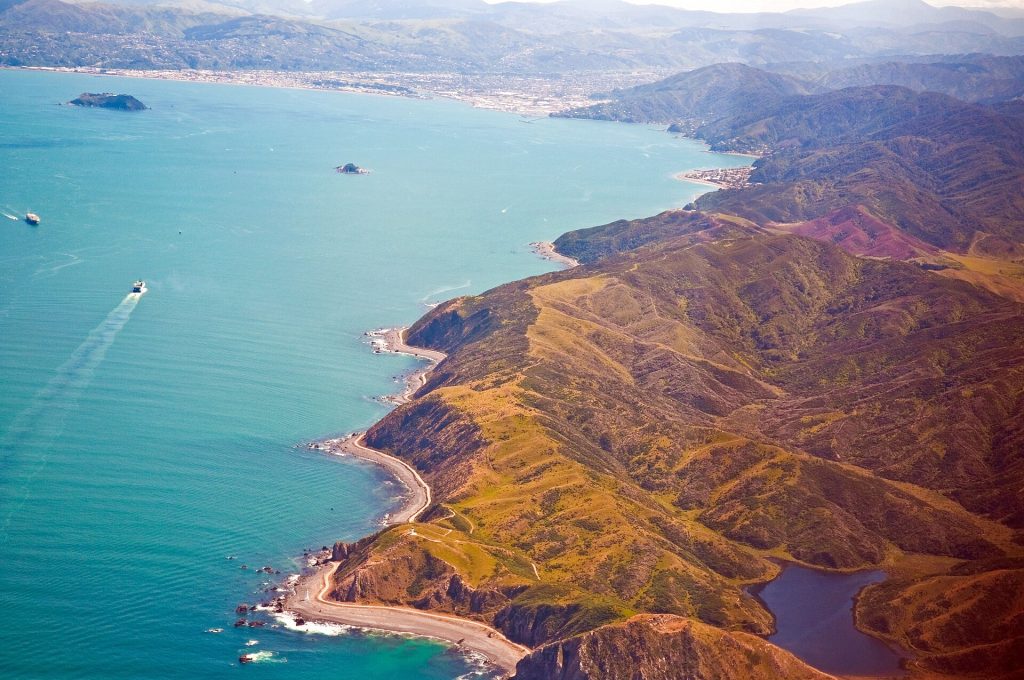
WellingtonNZ’s city route places public art, the waterfront and Te Papa within a walkable area. Begin outside, then use the museum as a substantial indoor stop rather than a brief shelter from the wind. If conditions are pleasant, continue toward a bay or neighborhood café. The route is compact, but a museum visit can easily occupy most of an afternoon.
Check Te Papa’s visitor rules
The museum’s official visit page currently distinguishes free entry for New Zealanders and residents from tickets for international visitors. Do not call admission universally free. Check current exhibitions, ticket terms and restrictions on photographing particular taonga or works. Reading the museum’s Māori and Pacific interpretation carefully provides context for the rest of the trip.
Keep a weather plan
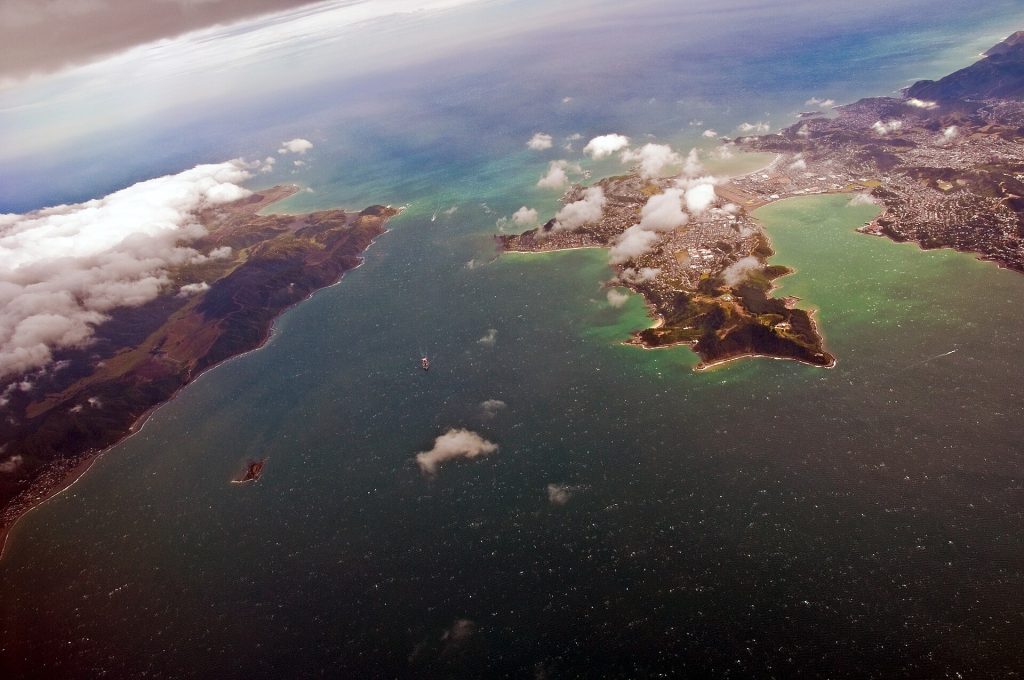
Wellington’s wind and rain can change a waterfront walk quickly. Use a flexible sequence: outside when comfortable, gallery or café when conditions turn. Confirm the opening and final-entry times of a second venue before adding it. A satisfying day may include one museum, one long waterside section and dinner nearby.
Choose one exhibition that genuinely interests you instead of trying to cover every floor of Te Papa. Give its interpretation time, then step outside to connect what you learned with the harbor and city around it.



The conversation
Join the discussion
Have a useful tip or a question about this journey? Share it with fellow readers. Please keep comments respectful and relevant.