
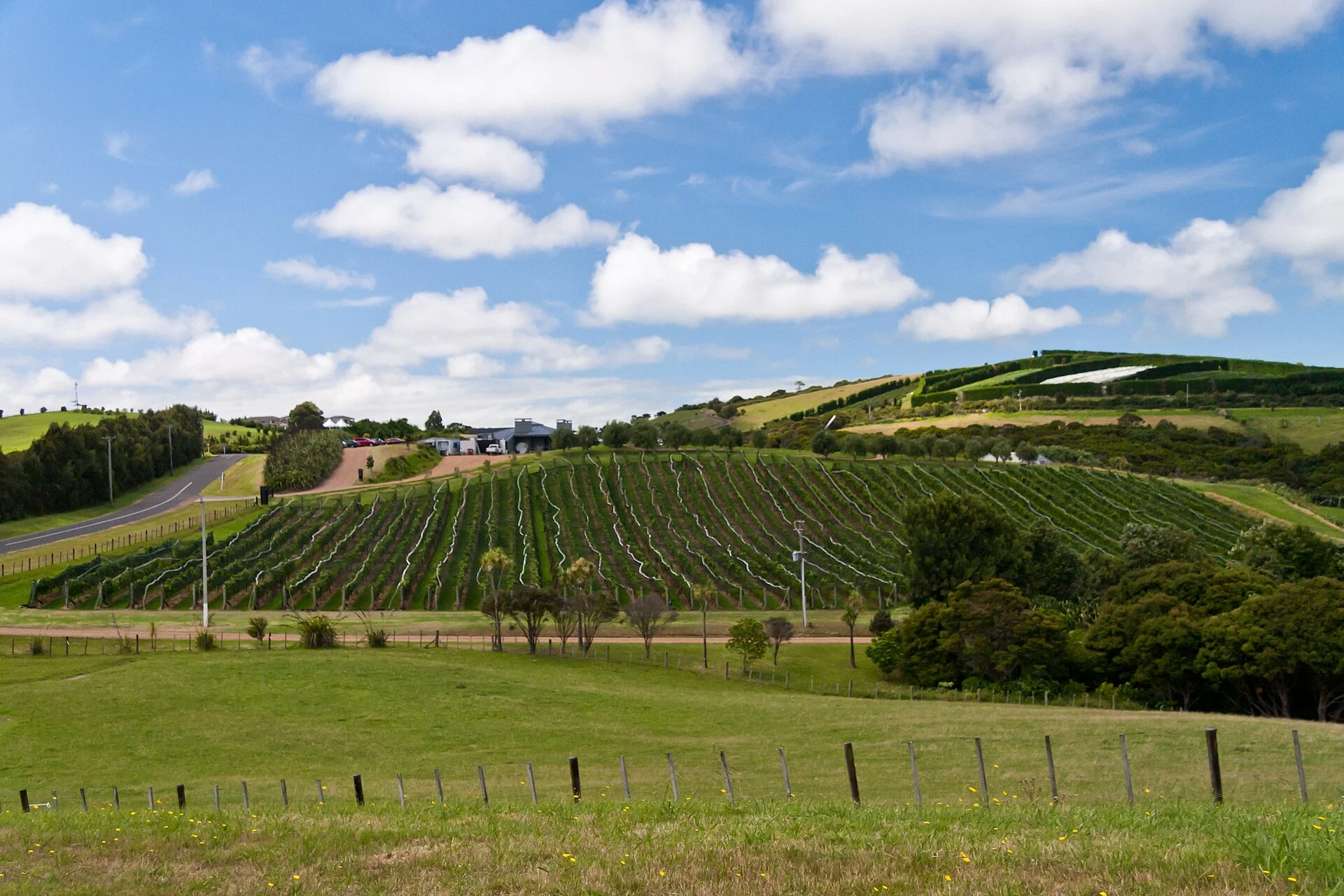
Waiheke Island is close enough to Auckland for a day trip, yet its beaches, walking routes and food venues reward a night or two. Decide whether you want a coast-focused day, a meal-centered visit or a longer island stay, then plan transport around that choice.
Start with the ferry
Check the operator’s current timetable and departure point before booking anything on the island. Leave a generous margin for the return, especially after dinner. If you plan wine tastings, arrange transport and do not drive. A bus, guided route or taxi can be more useful than a rental car for a simple day.
Choose one part of the island
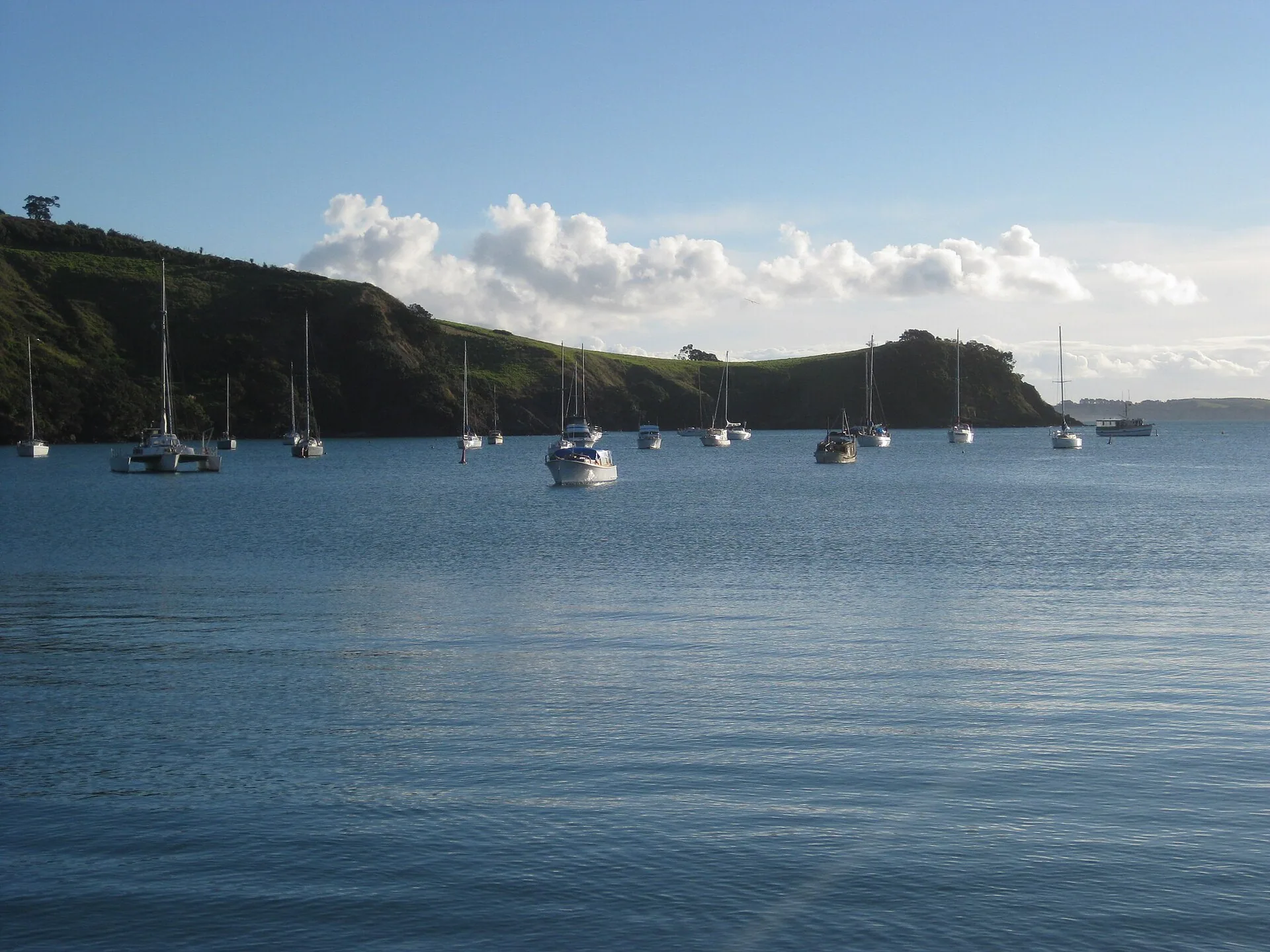
The official New Zealand tourism guide introduces beaches, walking and food. Pick a route that fits the weather and your mobility; coastal tracks may include steps, mud or exposed sections. Check tide and local swimming advice before entering the water. Stay on marked paths and respect private property around vineyards and homes.
Food and wine are prominent, but Waiheke is also a residential island. Book a meal where needed, then leave time for a walk or a quiet beach. Ask makers about local products and support independent businesses. During busy weekends, transport and restaurants can fill quickly, so reserve the essentials and keep the rest flexible.
If staying overnight, a slower morning after day-trippers leave can reveal a different island. Waiheke’s appeal is not that every scenic stop can be collected in a few hours; it is that the ferry journey creates a small break from the city’s pace.
Look past the tasting room
Waiheke’s vineyards are well known, but local artists, walking tracks and residential communities also shape the island. If a gallery interests you, check its hours and ask permission before photographing work. A long lunch can be a fine plan, provided you leave enough time and a safe way back to the ferry.
Be considerate on narrow roads and shared paths. If cycling, check terrain and traffic before setting out; the island is hillier than some visitors expect. Carry water and sun protection, and bring a layer for the ferry crossing. A beach afternoon should follow local swimming guidance rather than assumptions based on calm-looking water. Waiheke feels most like an island when the schedule has gaps.
Choose the return sailing before leaving Auckland
The Fullers360 ferry page provides current sailings and distinguishes ticket types. Select a plausible return before building the island day, then check for service alerts again on the morning. Timetables and fares change seasonally, and a late dinner is only relaxed when the route home is known. Other operators may have different terminals or booking rules.
See one side of the island well
Tourism New Zealand outlines Waiheke’s beaches, walks and food experiences. Pick two complementary activities near each other: perhaps a coastal walk and a long lunch, or a gallery and beach. A winery visit is optional, and anyone tasting should arrange transport rather than drive. Check whether the chosen beach and trail have facilities and safe conditions.
Do not mistake ferry arrival for effortless access
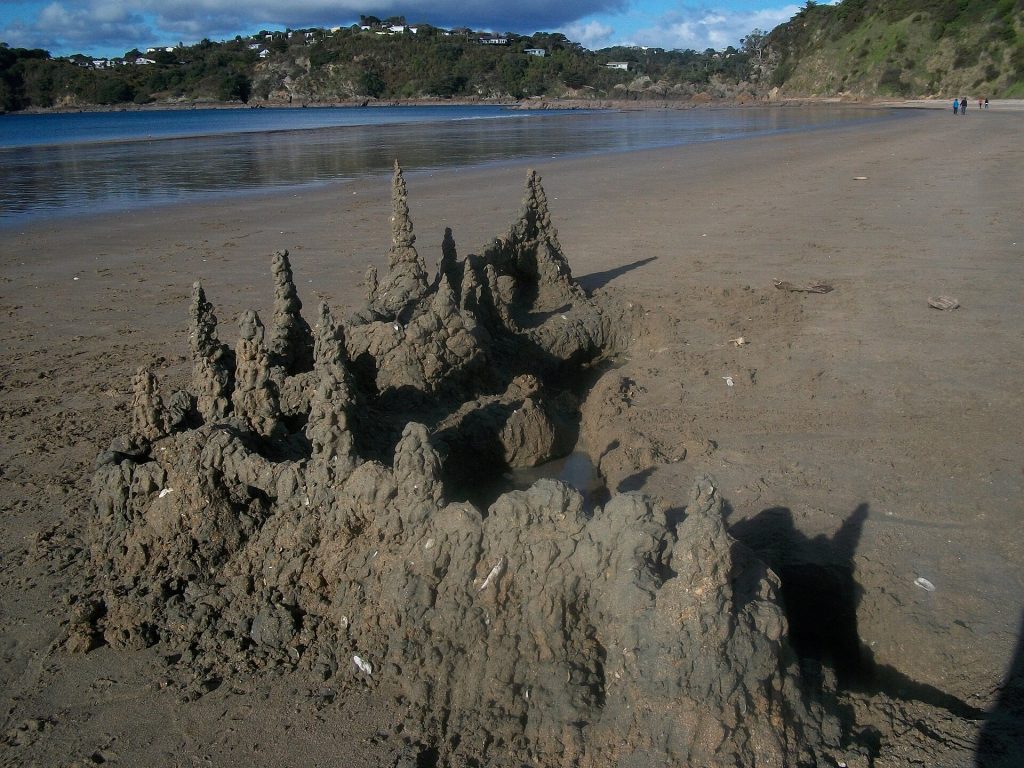
The island stretches beyond the ferry wharf. Confirm the bus, shuttle, taxi or rental option to your chosen stop and the return frequency. Carry water and a light layer; weather can shift across a day on the water. An overnight stay can be more rewarding if you want several dispersed places without rushing the last boat.
If a wine tasting is part of the day, check booking requirements and food availability at the venue. A bus route may not line up with a late reservation, so arrange the return before settling into lunch.



The conversation
Join the discussion
Have a useful tip or a question about this journey? Share it with fellow readers. Please keep comments respectful and relevant.