
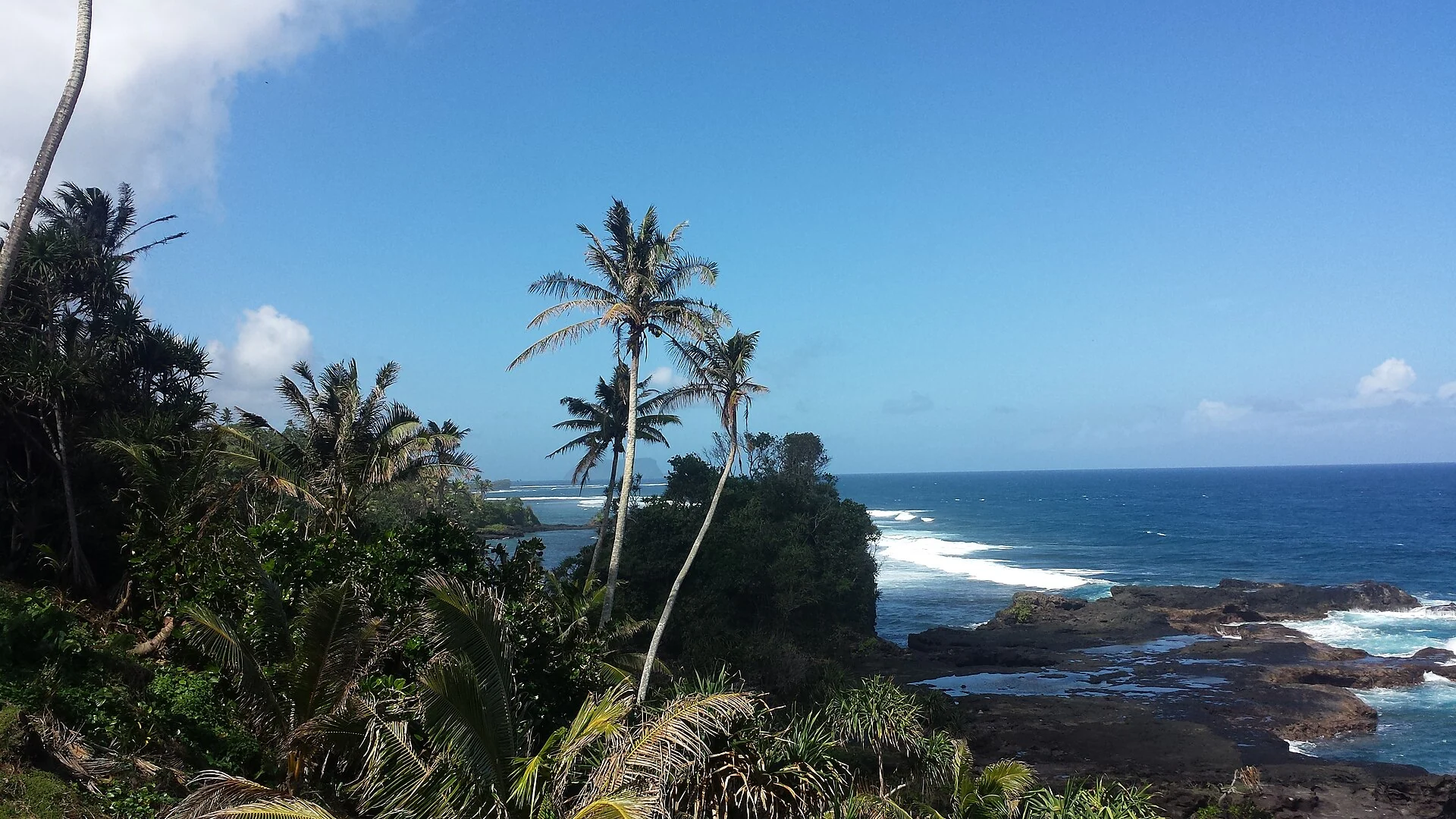
Upolu is Samoa’s most populated island, with Apia, villages, rainforest and coastlines that change along the road. It is tempting to draw a full loop on a map, but a slower itinerary makes more sense. Give Apia time, then choose a coastal base for a different rhythm.
Begin with Apia
Use the capital to learn about Samoan history and contemporary life through a museum, market or locally led cultural experience. Ask before photographing people, especially in villages and places of worship. The official Upolu guide gives an overview of the island.
Drive with local advice
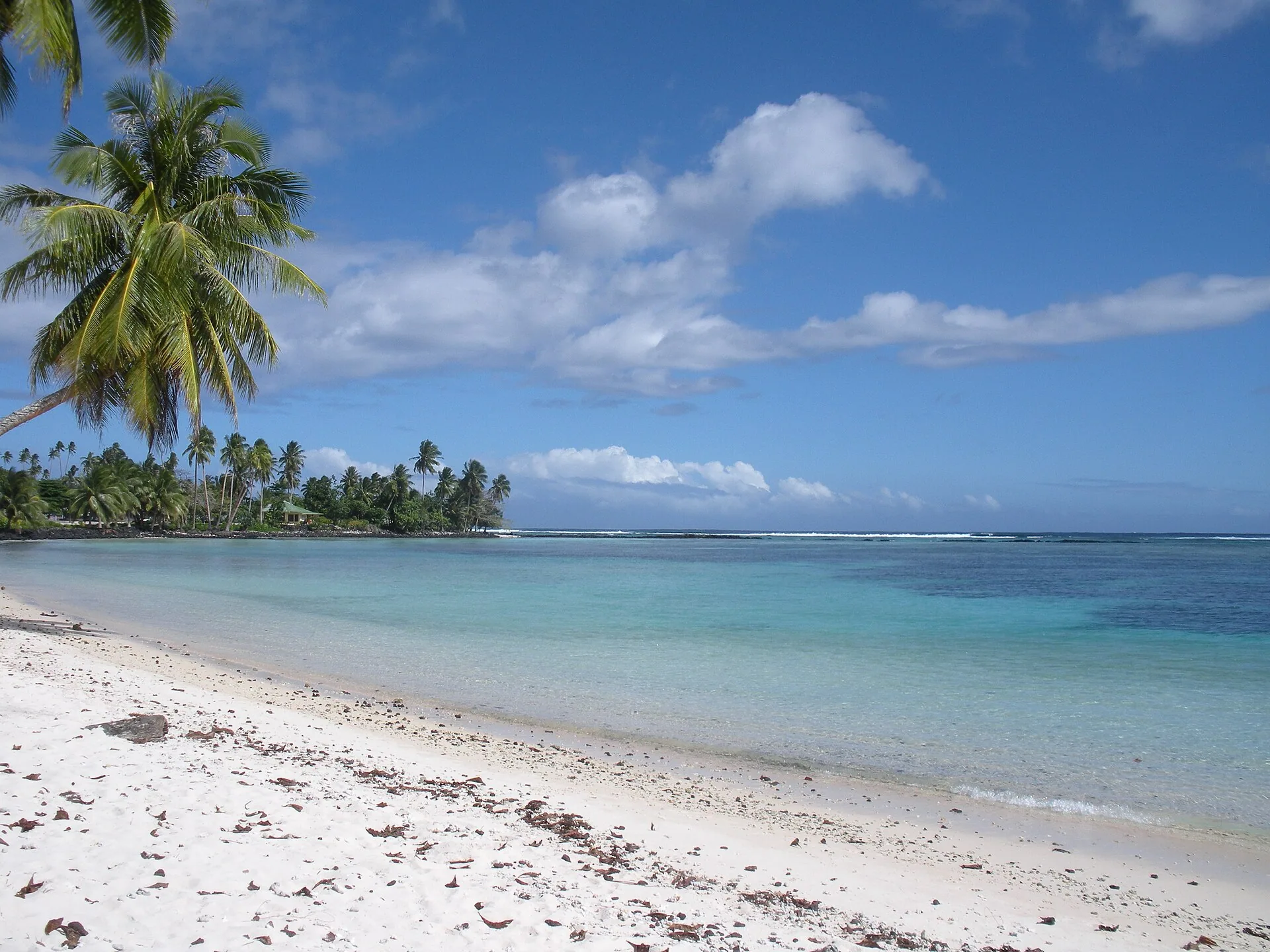
Road conditions and travel times vary. If hiring a vehicle, check licensing, insurance and current local rules. Plan shorter driving days, avoid rushing after dark and confirm the location of your accommodation. Beaches and natural swimming sites may be managed by villages and have access fees or rules. Pay them respectfully and follow staff guidance.
Sunday has particular cultural and religious importance in many communities, so check what services and activities operate before setting out. Dress modestly where requested and follow local guidance on village etiquette. Do not assume that public-looking land is freely accessible.
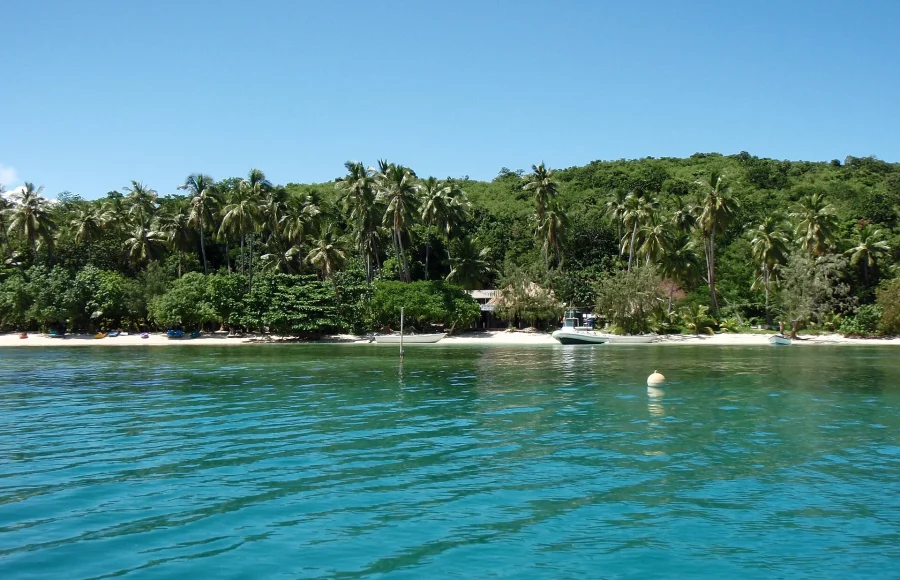
At the coast, assess conditions before swimming and avoid touching reef. Choose a guide for unfamiliar water or inland tracks. A day with one natural site, a shared meal and time to watch village life from an appropriate public place can be more meaningful than a rapid series of stops. Upolu rewards travelers who let the island’s communities set the tone.
Plan around people, not just scenery
Samoan villages are living communities with their own rules and schedules. Accommodation hosts can advise on respectful clothing, church services and access to pools or beaches. Follow the guidance even when another visitor ignores it. A guided food or craft experience can be valuable when the people sharing their knowledge set the terms and are paid fairly.
On a longer trip, spend at least two nights outside Apia rather than making every coastal visit a return drive. Check whether your room includes meals and what options are nearby after dark. Carry a backup payment method and small essentials for road stops. A slower route makes weather changes easier to absorb and leaves time for genuine conversation.
Make the drive a series of short stays
Samoa Tourism’s Upolu guide explains that vehicles drive on the left and that rural roads require patience around people and animals. Avoid planning a whole-island circuit from a single list of beaches. Group coastal stops by area, start in daylight and leave generous time for village speed limits and weather. A rental car can create flexibility, but verify licence requirements and insurance terms before collection.
Ask how each place is managed
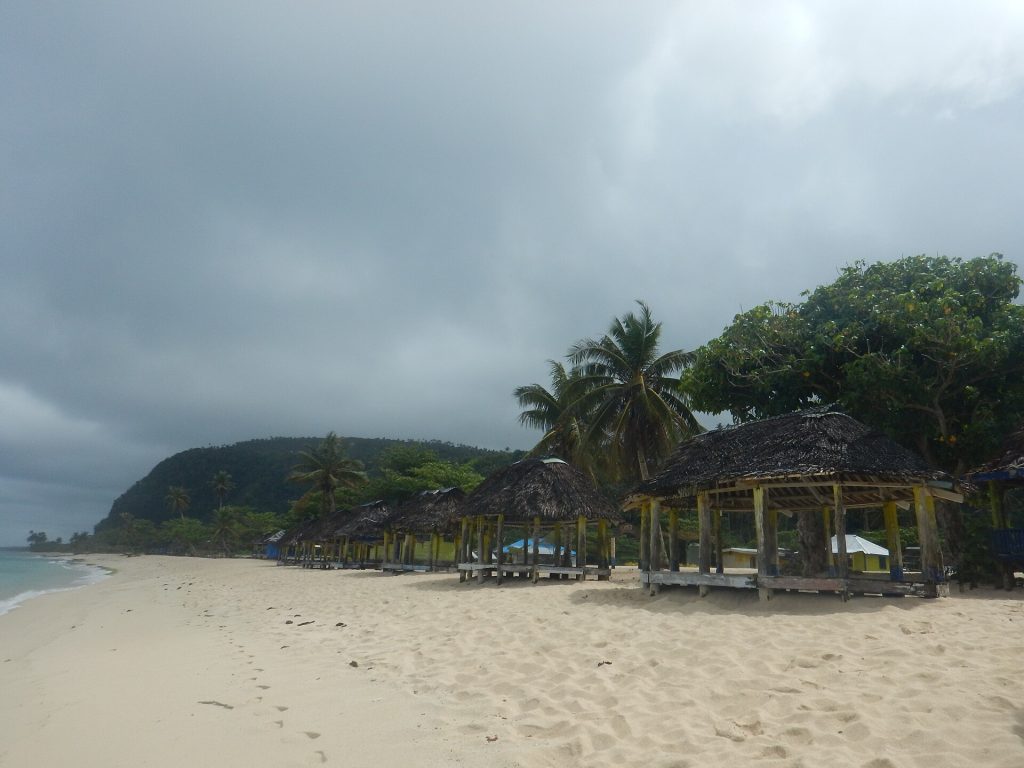
Many coastal attractions operate within village or family settings. Pay posted fees, ask permission before entering land or photographing people, and observe local dress expectations. The national visitor site is a first step for understanding places, while on-site hosts set the specific rules. An organized local guide can add context to a waterfall or shoreline beyond the swim.

Decide whether Savai’i belongs on this trip
The official ferry advice explains the Upolu–Savai’i crossing and vehicle-booking arrangements. Treat Savai’i as a separate island stay rather than a casual extra stop when days are limited. Confirm the sailing, terminal and rental-car permission before locking in accommodation on both sides.
On Sundays, ask local hosts what is appropriate in the village and which services are operating. Build a gentle day around their advice rather than assuming shops, buses and attractions follow a weekday rhythm.





The conversation
Join the discussion
Have a useful tip or a question about this journey? Share it with fellow readers. Please keep comments respectful and relevant.