
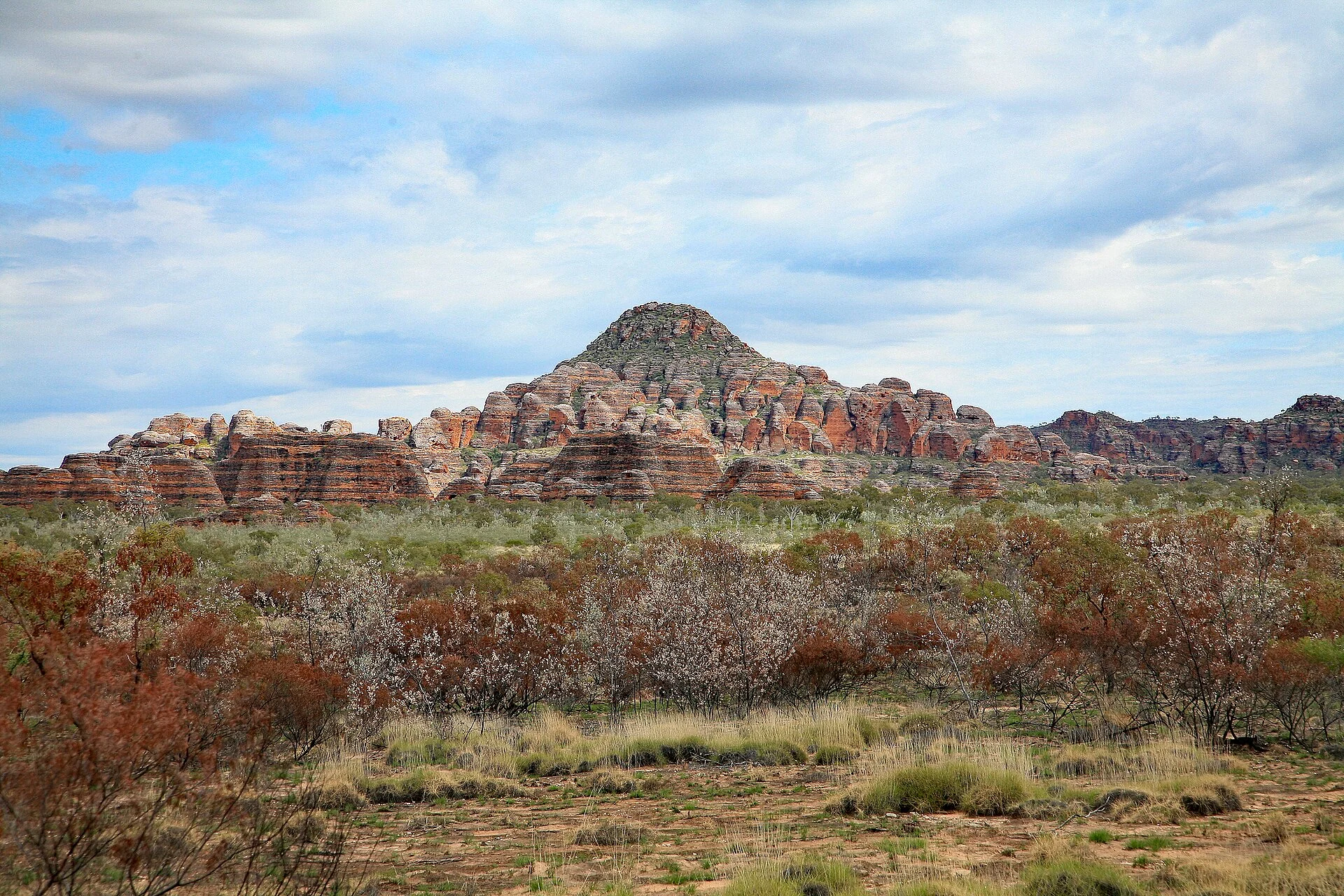
The Kimberley is vast. Red ranges, gorges and coastlines cannot be covered in a casual weekend drive, and many places are on Indigenous Country with specific access protocols. Begin by selecting one region and the season in which you can travel, then build a route that respects distance and local guidance.
Choose a focused itinerary
Purnululu National Park is one possible anchor. Check the Western Australia parks authority for current access, road requirements, camping and walking conditions. Its World Heritage information explains the wider significance of the landscape. A guided experience can add cultural and ecological context, particularly when led by Traditional Owners.
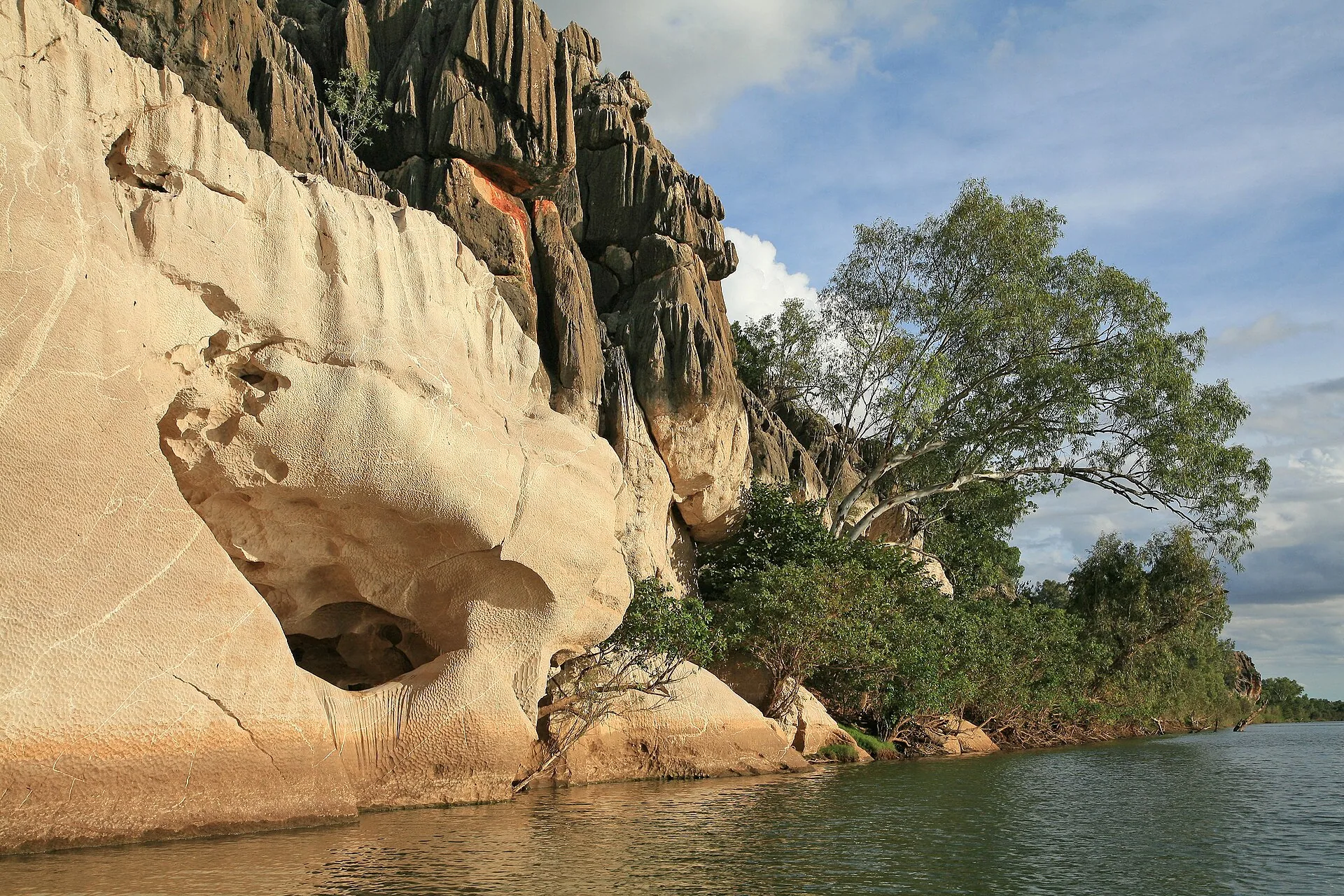
Take remote travel seriously
Road conditions can change after rain, and some routes require high-clearance four-wheel-drive vehicles. Do not rely on mobile coverage. Carry water, fuel, navigation and emergency supplies suited to the journey, and tell someone your plan. Check official park and road notices immediately before departure. A scenic photo does not communicate the logistical demands behind it.
Respect closures and cultural restrictions. Do not enter sites without permission, remove rocks or publish images of sensitive places against local guidance. Choose operators that identify whose Country you visit and how communities benefit.
Allow rest days and realistic driving hours. The Kimberley’s scale is part of the experience; treating it as a checklist of dramatic formations misses its living cultures and ecosystems. A smaller route completed well will be safer and more meaningful than an overextended circuit.
Choose operators with clear responsibilities
For a guided trip, ask about permits, local employment, vehicle preparation and emergency communication. A reputable operator should explain where you may walk or photograph and why some places are closed. Cultural permission is not the same as a park entrance fee. Respect Traditional Owners’ direction even if an online itinerary lists a shortcut.
In remote country, water and shade are safety priorities. Do not start a walk late in the day or assume help is nearby. Wet-season flooding and dry-season heat both affect access, so verify timing for the exact route. Consider staying longer in one area and learning its stories rather than covering many kilometers simply to say you were there.

Choose a realistic region, not a single giant loop
The Kimberley covers large distances and changing road conditions. For Purnululu, the Western Australia parks authority specifies high-clearance four-wheel drive access on the Spring Creek Track, limited fuel options and a dry-season opening subject to conditions. That is a trip-planning constraint, not a scenic detail. Build nights around one or two areas and carry the supplies and communications appropriate for remote travel.
Check access on the day it matters
The park page links to alerts and explains that road, weather and facilities can change. Consult the latest park alerts and road information before departure, then follow local instructions. If a self-drive route exceeds your vehicle or experience, choose a reputable guided option. Do not assume a scheduled flight or tour bypasses weather disruption.
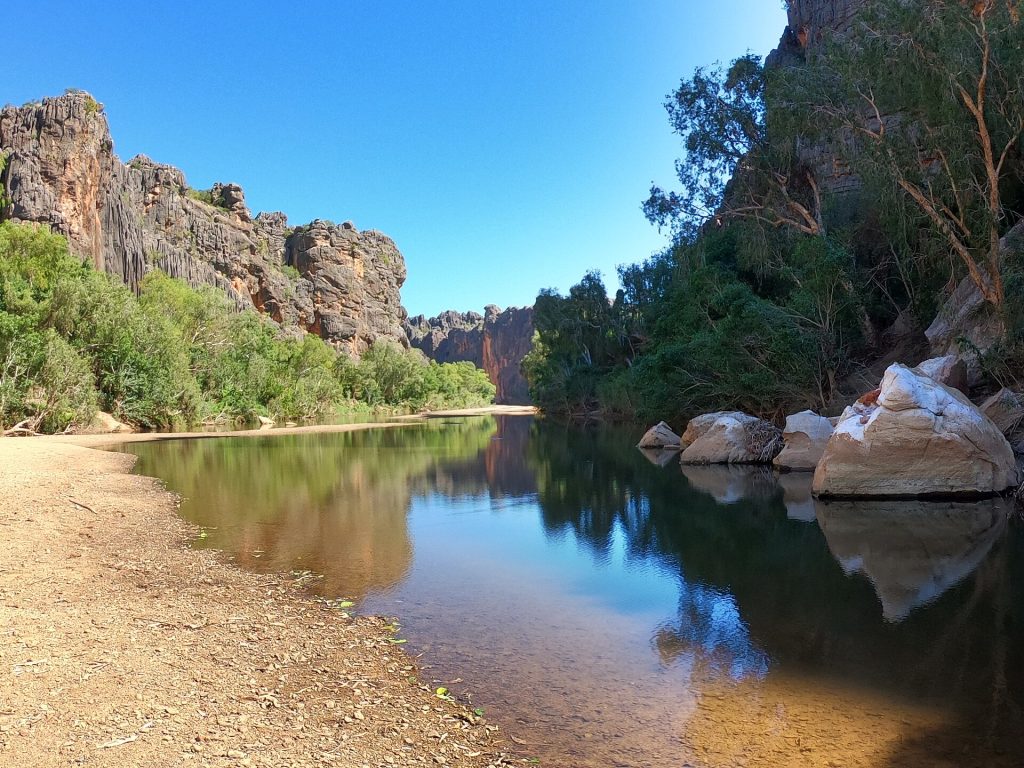
Travel on Country with permission
The Australian government heritage page gives context for Purnululu’s World Heritage values. Local Traditional Owners’ knowledge and site rules should guide where visitors walk and photograph. Stay on marked routes, obtain any required access permission and never enter a closed cultural site. A responsible itinerary is shaped by the people and conditions of each place.
Do not treat an online distance as a driving-time estimate on an unsealed route. A conservative fuel and daylight plan should be agreed before leaving a serviced town, with a named person aware of your route.






The conversation
Join the discussion
Have a useful tip or a question about this journey? Share it with fellow readers. Please keep comments respectful and relevant.