

Palau is famous for blue water and coral-rich marine environments, but its conservation commitments should shape how you visit. Plan fewer, better-guided water days and leave time to learn about the islands’ communities and history on land.
Choose water activities carefully
Use Palau’s official visitor information to understand regions and current access. For diving or snorkeling, select a qualified operator, confirm safety equipment and disclose your experience honestly. Some sites have currents or permit requirements. Do not touch coral, chase wildlife or stand on reef. Follow guide instructions even if other visitors do not.
Ask about the best season for the specific activity you want, but keep plans flexible: sea conditions can change a boat day. If diving, follow professional guidance on the interval before flying. A day off the water can be a chance to visit a cultural site or support a locally owned business.
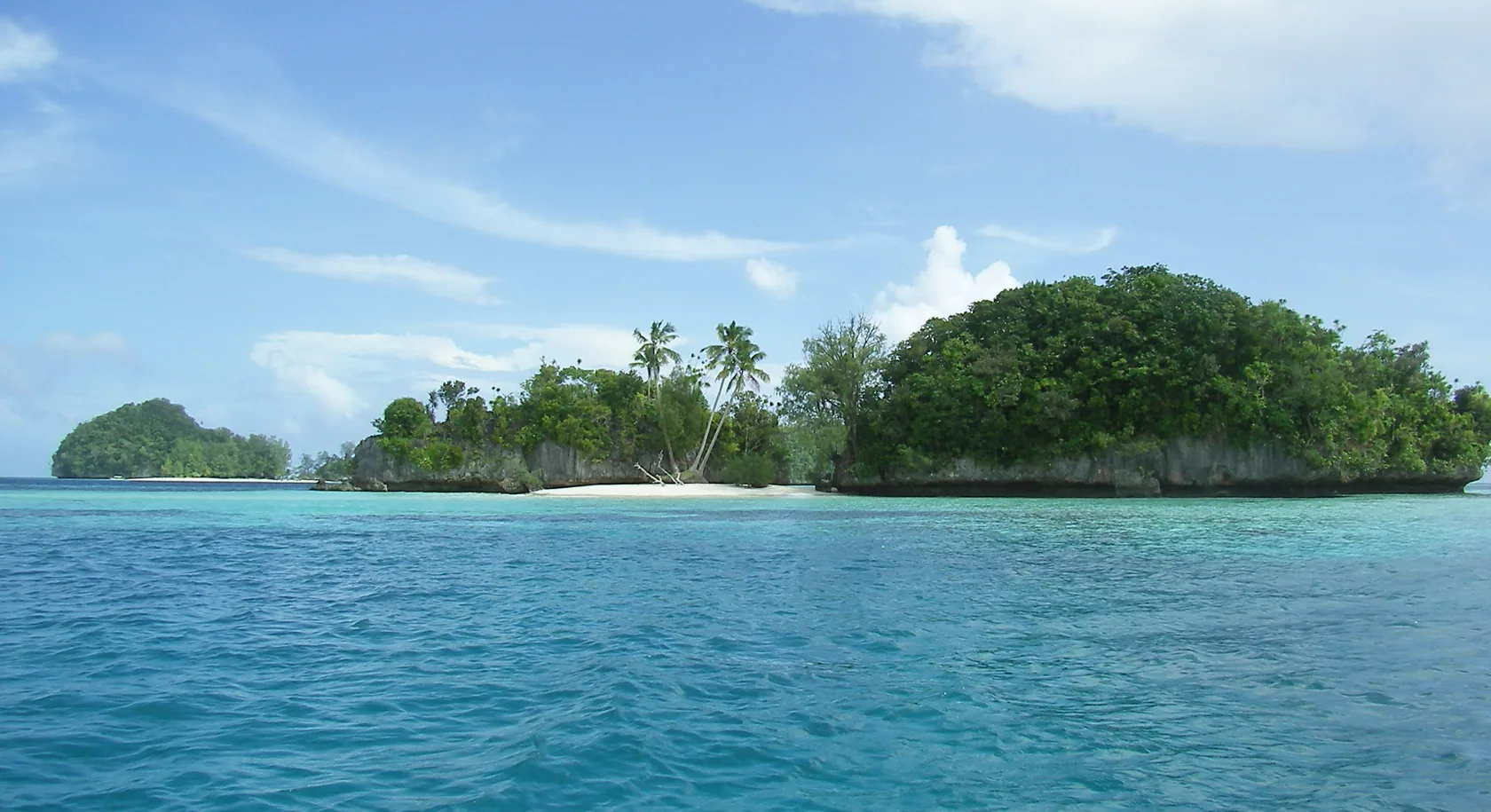
Take the pledge seriously
The Palau Pledge expresses visitor responsibilities toward the environment and community. Read it as a practical commitment, not a photo opportunity. Dispose of waste properly, respect protected areas and avoid taking shells or marine life. Ask before photographing people or cultural places.
Transport between islands and to remote sites needs planning. Confirm exact departure points, permits and return times with operators. Palau’s appeal is the relationship between thriving reefs and deliberate stewardship. The most valuable experience is not a guaranteed wildlife encounter; it is seeing how care for the ocean shapes everyday travel choices.
Plan a land day with purpose
Ask local hosts about museums, historic places or community-run experiences that fit your interests. Follow any restrictions on photographing cultural objects or entering village spaces. Eat at a locally owned restaurant and learn how ocean resources shape daily life, while respecting that conservation policies involve people as well as reef ecosystems.
Accommodation and boat availability can be limited, so confirm key reservations in advance but leave space for weather changes. If an excursion is canceled for safety, accept the decision. A quieter afternoon on land can make the next day on the water more meaningful. Palau rewards visitors who see stewardship as part of the destination, not an obstacle to their plans.
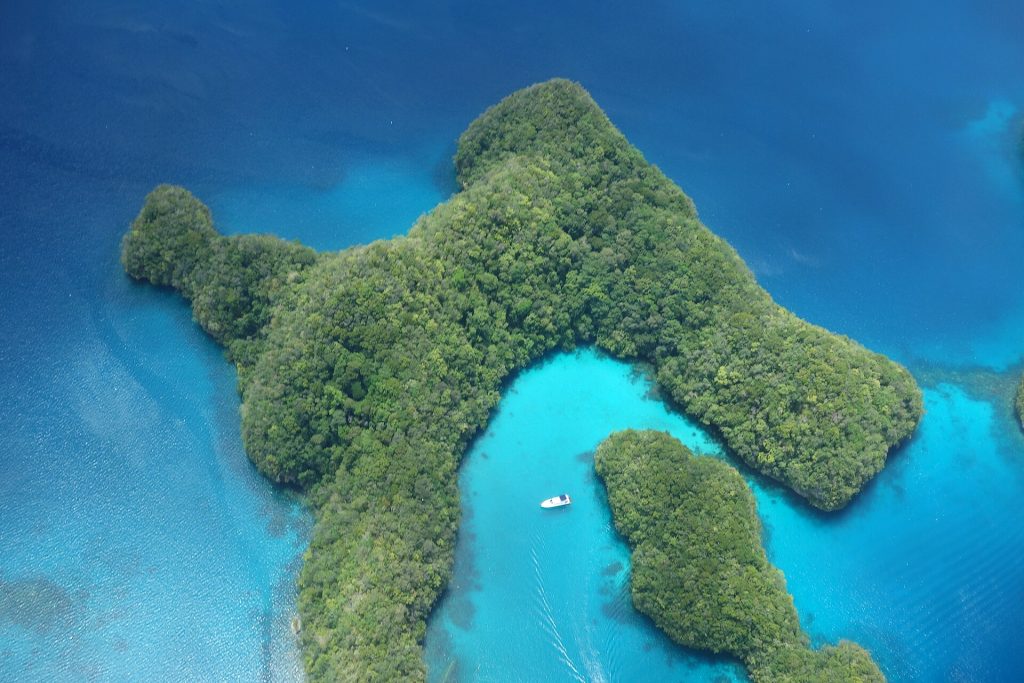
Make the pledge operational
The Palau Pledge asks visitors to protect natural and cultural heritage. Its guidance includes keeping fins off coral, not taking marine-life souvenirs and asking about local customs. Treat those as daily decisions, not a slogan at arrival. Before snorkeling or diving, ask the operator how it briefs guests, controls group size and handles wildlife encounters.
Plan permits and operators before the boat day
Palau’s Bureau of Tourism publishes the government framework for operators and visitor regulation. Ask a licensed operator which permits apply to the exact Rock Islands or water sites on your route, and request that permit costs appear in the quote. Weather and local management can change the itinerary; leave room for a land day rather than insisting on a particular lagoon regardless of conditions.
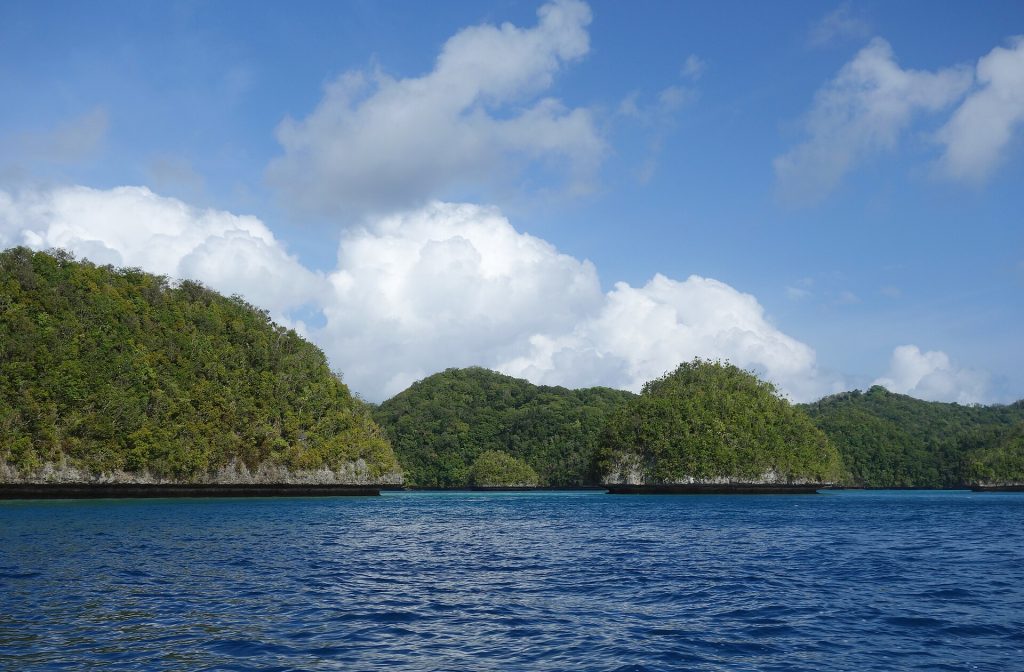
Check entry and environmental rules close to departure
The Pledge site explains the visitor commitment, but arrival forms, customs rules and sunscreen requirements can change. Consult current government entry guidance and your airline before packing. Avoid broad claims that a label alone makes a sunscreen compliant; check the actual ingredients and current Palau rule. A good conservation-led stay supports local guides and leaves reefs and shores as found.
If a tour advertises a famous marine site, ask whether visits are currently permitted and what behavior the permit requires. A substitute site chosen for conservation or weather reasons should be treated as responsible planning, not a failed excursion.





The conversation
Join the discussion
Have a useful tip or a question about this journey? Share it with fellow readers. Please keep comments respectful and relevant.