

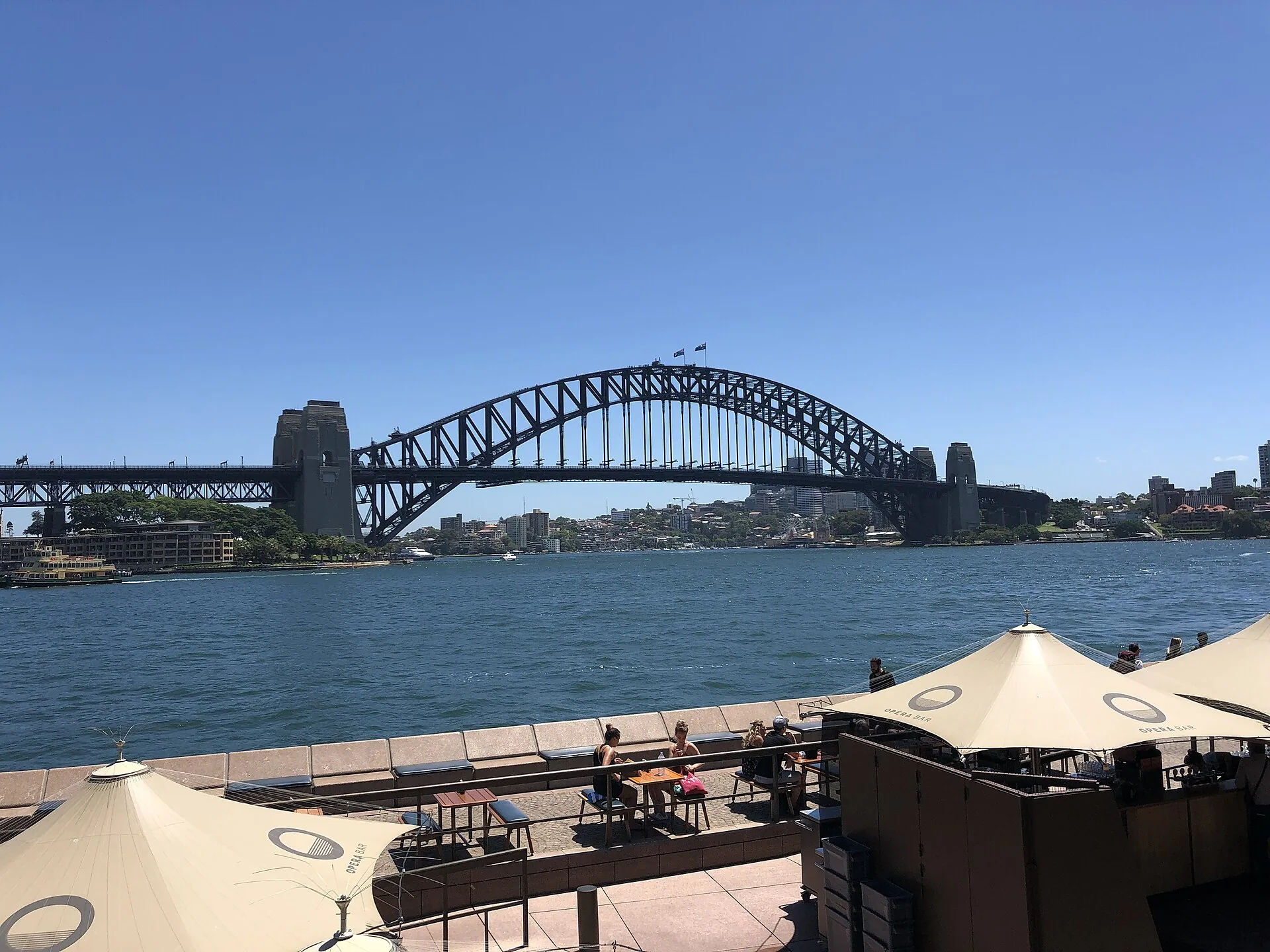
Sydney is often introduced by its harbor, yet the open coast shows a different side of the city. Give each a separate day. A harbor ferry or public walk provides urban context, while a coastal path reveals beaches, headlands and changing ocean conditions.
Begin on the harbor
Choose a public waterfront route and one ferry journey if the timetable suits. Ferries are working transport, so plan boarding and payment in advance. Walk at a comfortable pace and add a museum or cultural venue with current exhibits. Seek interpretation of Aboriginal histories and ongoing connections to Country, rather than treating the harbor only as a modern skyline.
Walk the coast safely
The official Sydney coastal-walk guide offers routes of different lengths. Check trail closures, weather and tide conditions before setting out. Stay behind barriers near cliffs and avoid entering the water outside safe areas. If swimming, choose a patrolled beach and follow flags and lifeguard advice. Strong surf can make a beautiful shore unsafe.
Sun exposure matters even on cloudy days. Carry water, sunscreen and shoes suitable for steps and uneven paths. The New South Wales visitor portal provides broader trip information.
Sydney’s transport network makes these two days possible without a car, but allow time for cross-city transfers. A deliberate harbor day followed by one coast walk leaves room for a neighborhood meal and a second look at the water as the light changes.
See Country, not only scenery
Choose a cultural experience or interpretation developed with Aboriginal communities. Place names and stories can change how you understand a harbor walk, while also reminding you that public spaces have histories older than the city’s familiar landmarks. Ask before photographing a cultural performance or sharing a story online.
For a coastal day, pack for both sun and wind and check the return transport before starting a long path. Some beaches are beautiful to observe but unsuitable for swimming on a particular day. A ferry, a museum and a carefully chosen walk can cover a lot of Sydney without requiring a car or an exhausting multi-stop route.
Check same-day weather again before setting out.
Keep the harbor and ocean as separate chapters
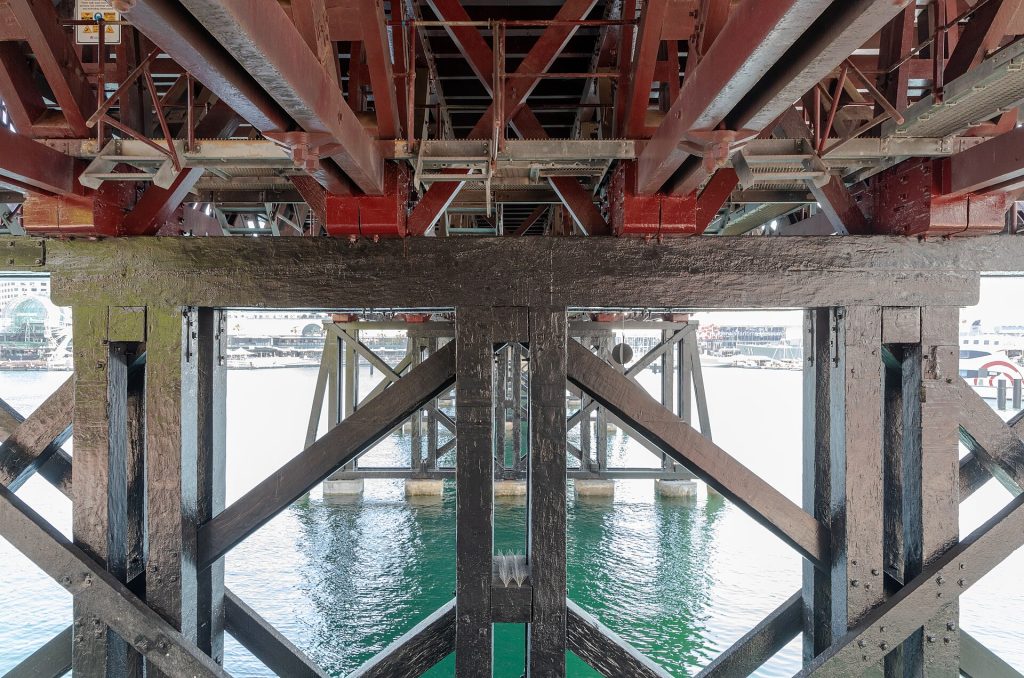
Destination NSW’s walking guide lists both harborside routes and exposed ocean walks. Give one day to the harbor’s urban views and another to a coastal section if your schedule allows. A short scenic walk should not be described as the full Bondi-to-Manly route: the official guide describes that as an 80-kilometer, multi-day undertaking.
Choose the actual section for your ability
Look at distance, stairs, shade, transport at both ends and the possibility of turning back. Sydney’s walks vary greatly in accessibility. Carry water and keep clear of cliff edges, as Destination NSW’s safety guidance advises. Check park alerts and any path closure before leaving, especially after severe weather.
Swim only with local safety information
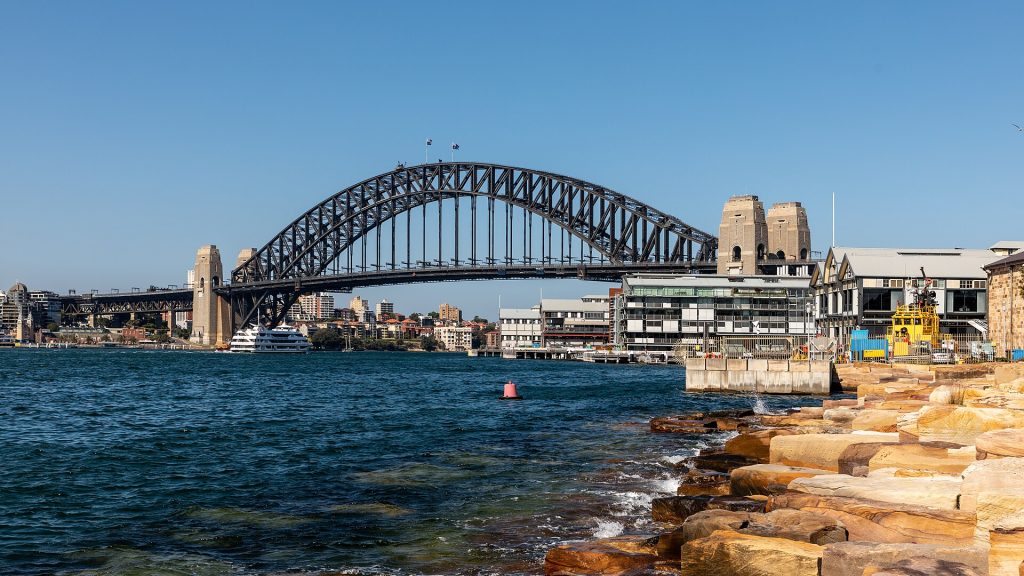
A walk ending at a beach does not mean conditions are suitable for swimming. Choose a patrolled area when available and follow flags and lifeguard advice. A ferry or train return can make a point-to-point route easier, but confirm the last service. The day is richer when one landscape has time to unfold, rather than trying to collect every famous shore.
For a harbor day, pause at a public interpretation sign or cultural program that acknowledges Aboriginal history of the shoreline. The walk is more than a sequence of skyline angles; the water has long histories.








The conversation
Join the discussion
Have a useful tip or a question about this journey? Share it with fellow readers. Please keep comments respectful and relevant.