
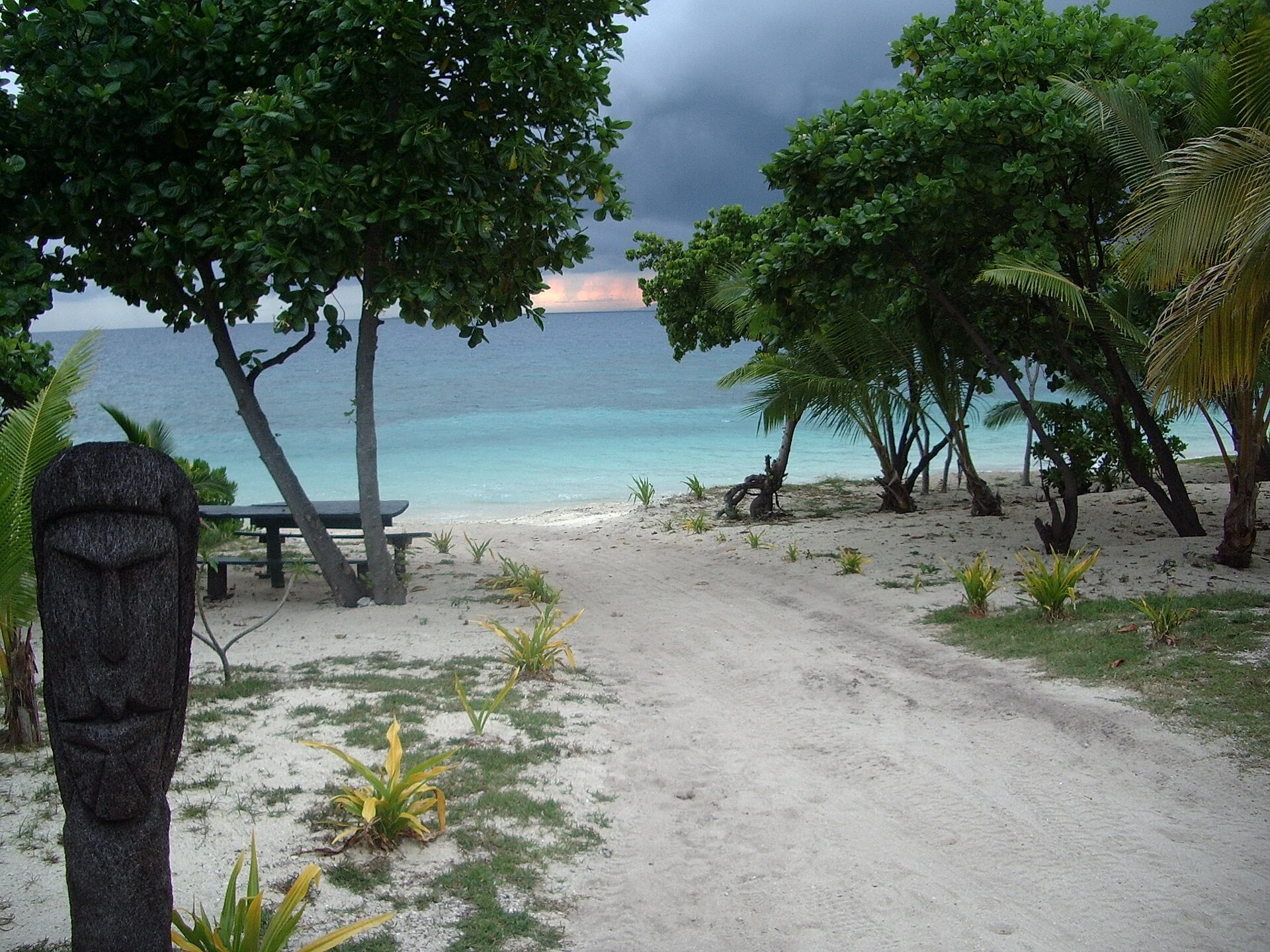
Fiji is an archipelago, so “an island holiday” can mean very different journeys. The Mamanucas are often easier to reach for a shorter stay, while the Yasawas can involve longer boat travel and a different rhythm. Choose based on time, transport tolerance and the kind of community or nature experience you want.
Compare the routes
Use Fiji’s Mamanuca guide and Yasawa guide as starting points. Then confirm exact transfers with accommodation providers. A resort’s island name alone does not tell you how long the journey takes or whether a boat meets a late-arriving flight. Leave a buffer before departure day.
Choose activities thoughtfully
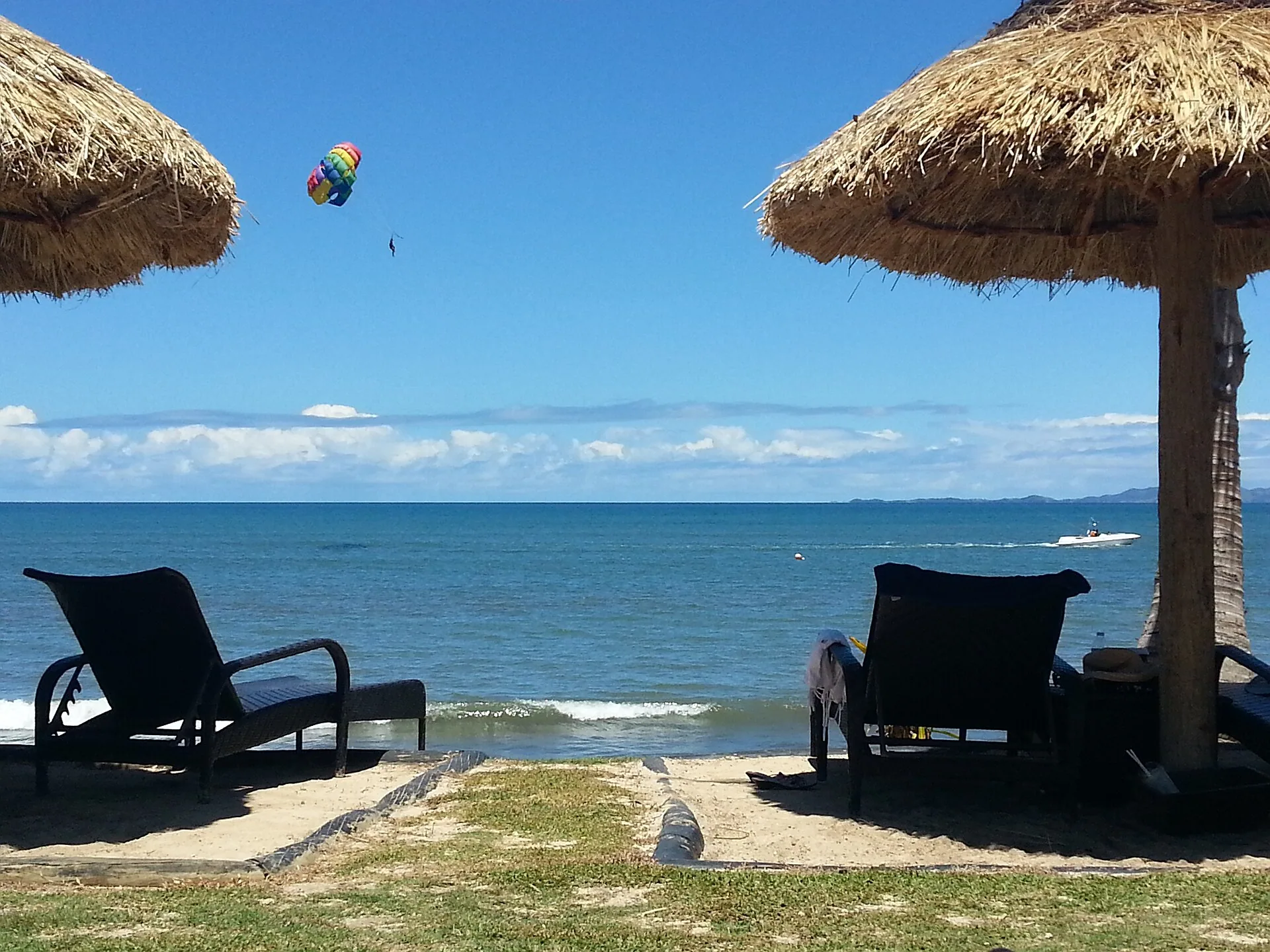
For snorkeling, ask about current, equipment and guide-to-guest ratios. Stay clear of coral and never feed fish. If visiting a village, go through appropriate local hosts, follow dress guidance and ask before photographing. A cultural activity should benefit and credit the people sharing it, not turn a community into a brief performance for visitors.
Weather and sea state affect boats and water visibility. Keep a flexible day for a walk, meal or craft encounter instead of scheduling every hour. Refillable water arrangements, waste management and shoreline protection are useful questions when choosing accommodation.
Fiji’s strongest trips are not built from the most islands visited. One well-chosen base can create room for connection with a place and its people, while reducing repeated transfers and their environmental cost.
Match the base to the trip
Families, divers and travelers seeking quiet may need very different islands. Ask about medical access, meal arrangements, beach entry and the frequency of transfers before selecting a resort. A lower room rate can be offset by costly or awkward boat logistics. Read current operator information rather than relying on a package description that omits the last transfer.
Island communities face real costs from waste and water demand. Choose accommodation that explains its environmental practices and treats staff well. Carry reusable items where practical and avoid taking shells or coral home. A single base also creates more opportunities to learn names, routines and the pace of the place you came to enjoy.
Ask about emergency contacts before boarding.
Let transfer time narrow the choice
Tourism Fiji’s sea-transport guide describes ferry and water-taxi options for the Mamanuca and Yasawa islands. The island that looks best in a photograph may cost a substantial part of a short trip in transfers. Compare wharf, journey duration, departure frequency and connection from your international flight before choosing a resort. Do not assume a private water taxi runs safely in rough weather or after dark.
Choose the reef experience carefully
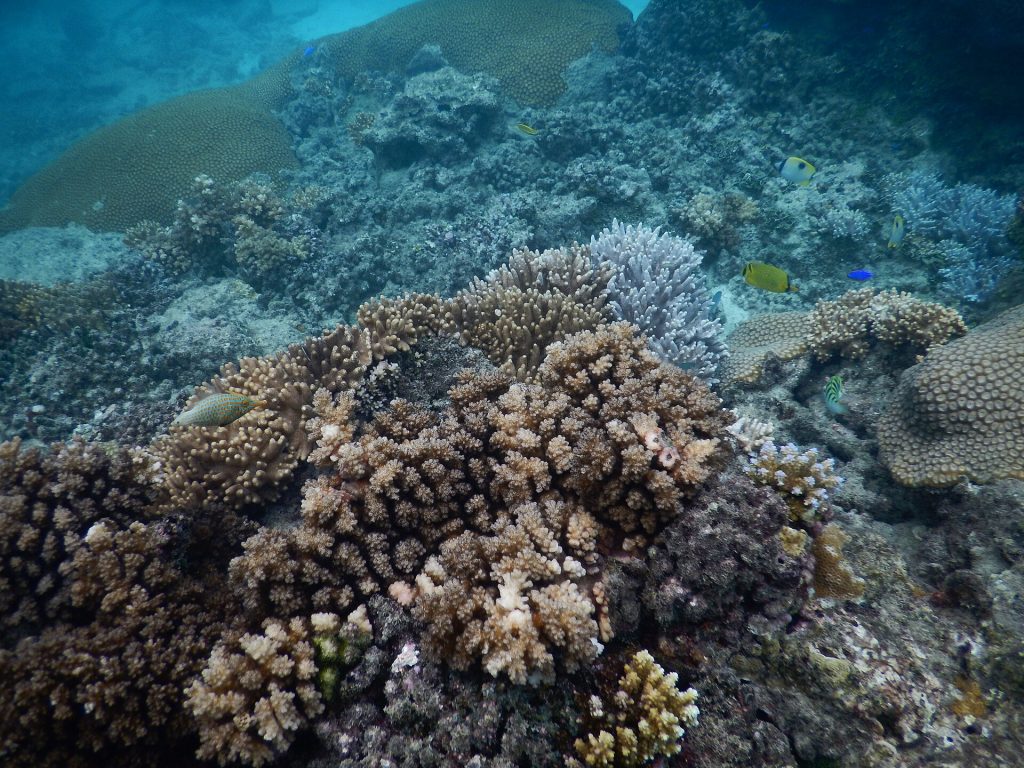
The Mamanuca guide and Yasawa guide show different ways to combine beach and water time. Ask the property which snorkeling areas are accessible from shore, which require a guided boat, and how conditions vary by season. Reef health and visibility cannot be guaranteed. Choose an operator that keeps guests off coral and follows local marine rules.
Compare total costs and rhythm
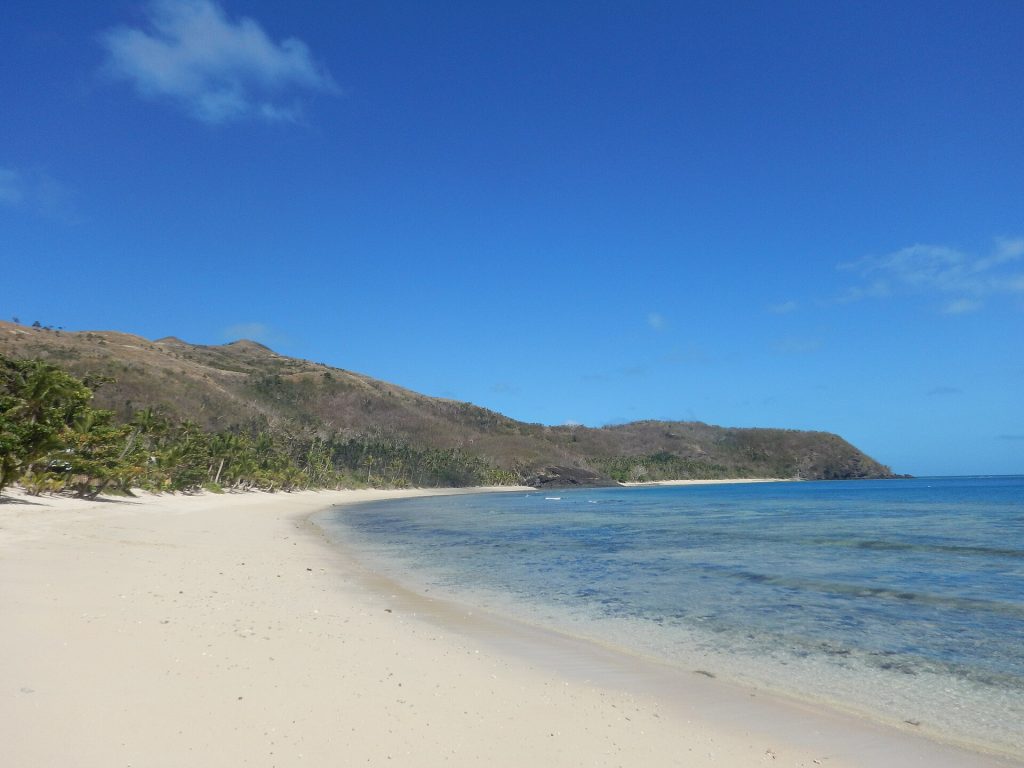
Request a quote that includes room, mandatory meals, transfers and likely excursions. A short stay often favors easier access; a longer trip can justify the travel time to a farther island. Leave a mainland buffer before an international departure if the boat connection is vulnerable to weather.
Families should ask whether child seats, boat boarding and the final beach landing suit their party. Travelers with limited mobility should request the complete path from ferry to room, not just a resort accessibility label.





The conversation
Join the discussion
Have a useful tip or a question about this journey? Share it with fellow readers. Please keep comments respectful and relevant.