
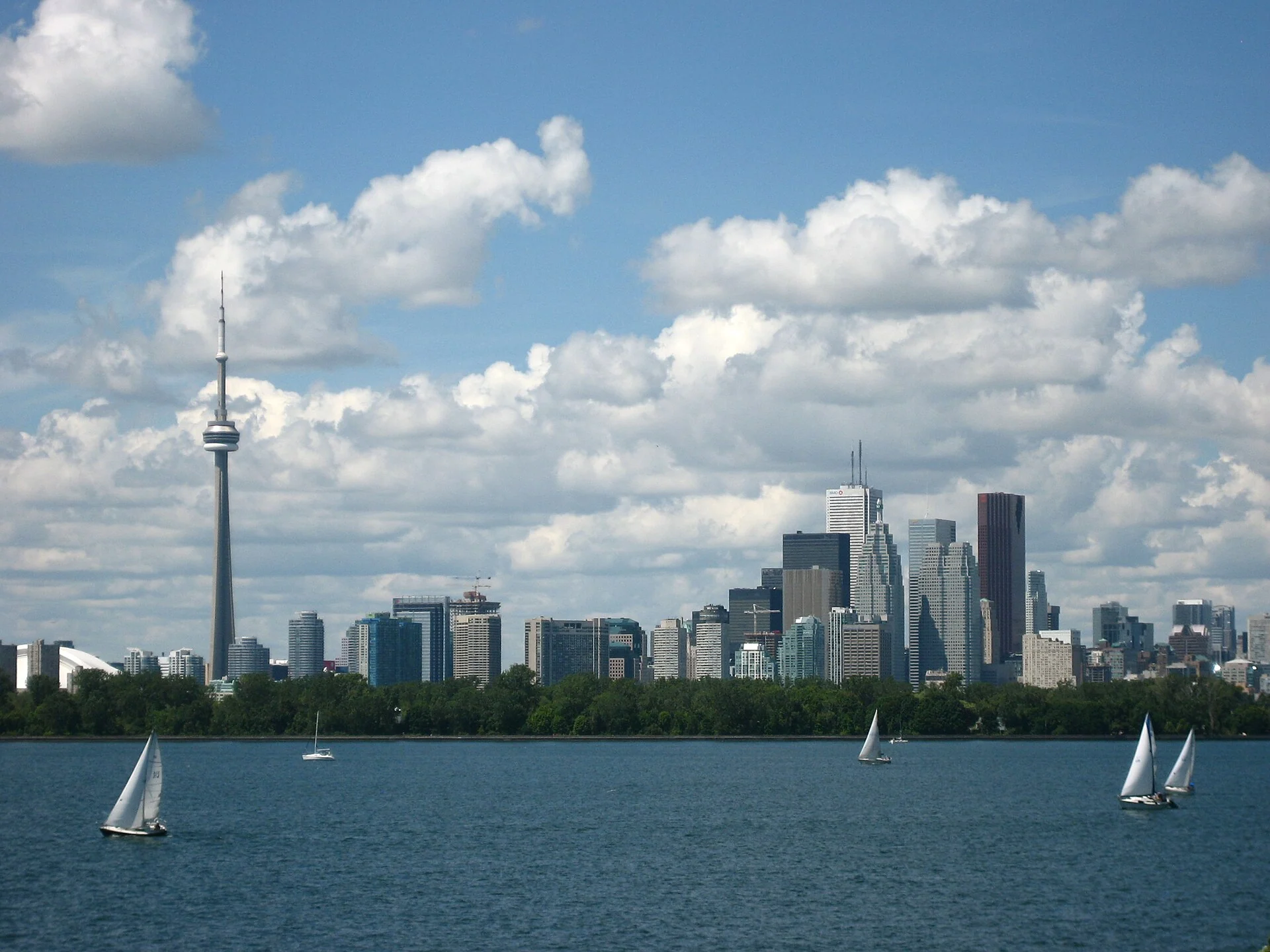
Toronto is too large and varied to summarize with one tower. For a first visit, choose a waterfront day and a second day in a neighborhood that reflects your interests. This makes the city manageable while leaving room for its food and cultural life.
Start at the water
Walk a section of the public waterfront and choose one museum, gallery or ferry outing. Confirm schedules and weather conditions before building the day around a boat trip. The skyline is impressive, but the shoreline also reveals how the city uses public space. Stop for lunch rather than trying to cover every landmark from east to west.

Follow a neighborhood
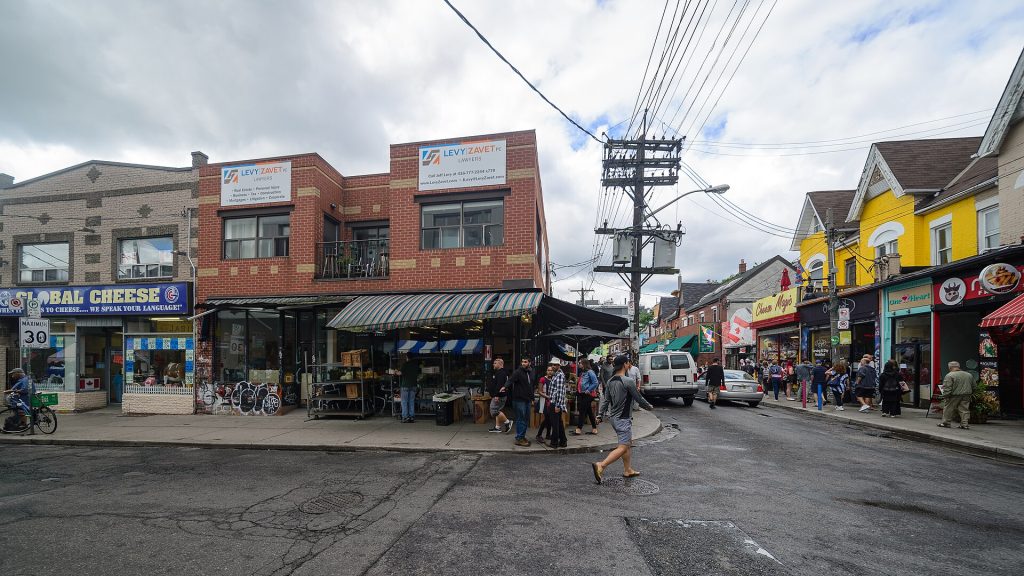
The official neighborhood guide can help match an area to food, shopping or cultural interests. Walk its main streets and quieter side streets, supporting independent businesses along the way. Toronto’s communities should not be treated as a series of themed photo sets; attend a local event or visit a cultural institution for deeper context.
Transit is often more practical than driving between central areas. Check route changes, fares and accessibility through current transport information. Weather can shift sharply with the seasons: summer heat, winter ice and lakeside wind each call for a different plan. Keep an indoor option ready.
The tourism office lists current events and visitor information. A satisfying Toronto stay is built from a few deliberate choices: a stretch of waterfront, a strong exhibition, a memorable meal and enough time to see how a neighborhood works beyond its headline attractions.
Look for a city of many voices
Toronto’s cultural life is distributed across its neighborhoods. A museum exhibition, independent bookshop or community event can be a better introduction than a hurried landmark circuit. Research an event’s organizers and context before attending, especially when it represents a specific community. Support local venues with a ticket or purchase and follow their photography policies.
For a ferry outing, check return schedules before leaving the mainland and prepare for wind near the lake. If mobility is a consideration, verify the exact route from station or dock to your destination. The city is easier to enjoy when you reduce transfers and let one area fill an afternoon.

Pick the waterfront activity before crossing to the islands
Destination Toronto’s waterfront guide links the central shore with cultural venues, paths and the ferry terminal. A walk along Queen’s Quay can stay flexible, while an island visit commits you to ferry queues and return times. The City of Toronto ferry page publishes seasonal routes and warns that schedules can change with weather or mechanical issues. Decide whether the day is for the shoreline or an island before adding museum reservations.
Make one neighbourhood the second act
After the lake, choose one district for food or culture rather than crossing the city repeatedly. Use transit to reach it and verify venue hours. If traveling with children or limited mobility, check ferry access and walking distances in advance. A Toronto first visit works best when the lake provides orientation and a neighbourhood supplies the city’s everyday texture.
Plan the island return before boarding
The City of Toronto ferry page lists seasonal routes and notes that service changes with weather or maintenance. Before leaving the mainland, identify the return terminal and route you will use. An island day can include walking and beach time, but restaurants and facilities vary by area and season; bring water and confirm what is open. The waterfront guide offers a simpler alternative with paths, galleries and food close to downtown. If your schedule is tight, stay on the waterfront and save the ferry for a longer visit.






The conversation
Join the discussion
Have a useful tip or a question about this journey? Share it with fellow readers. Please keep comments respectful and relevant.