
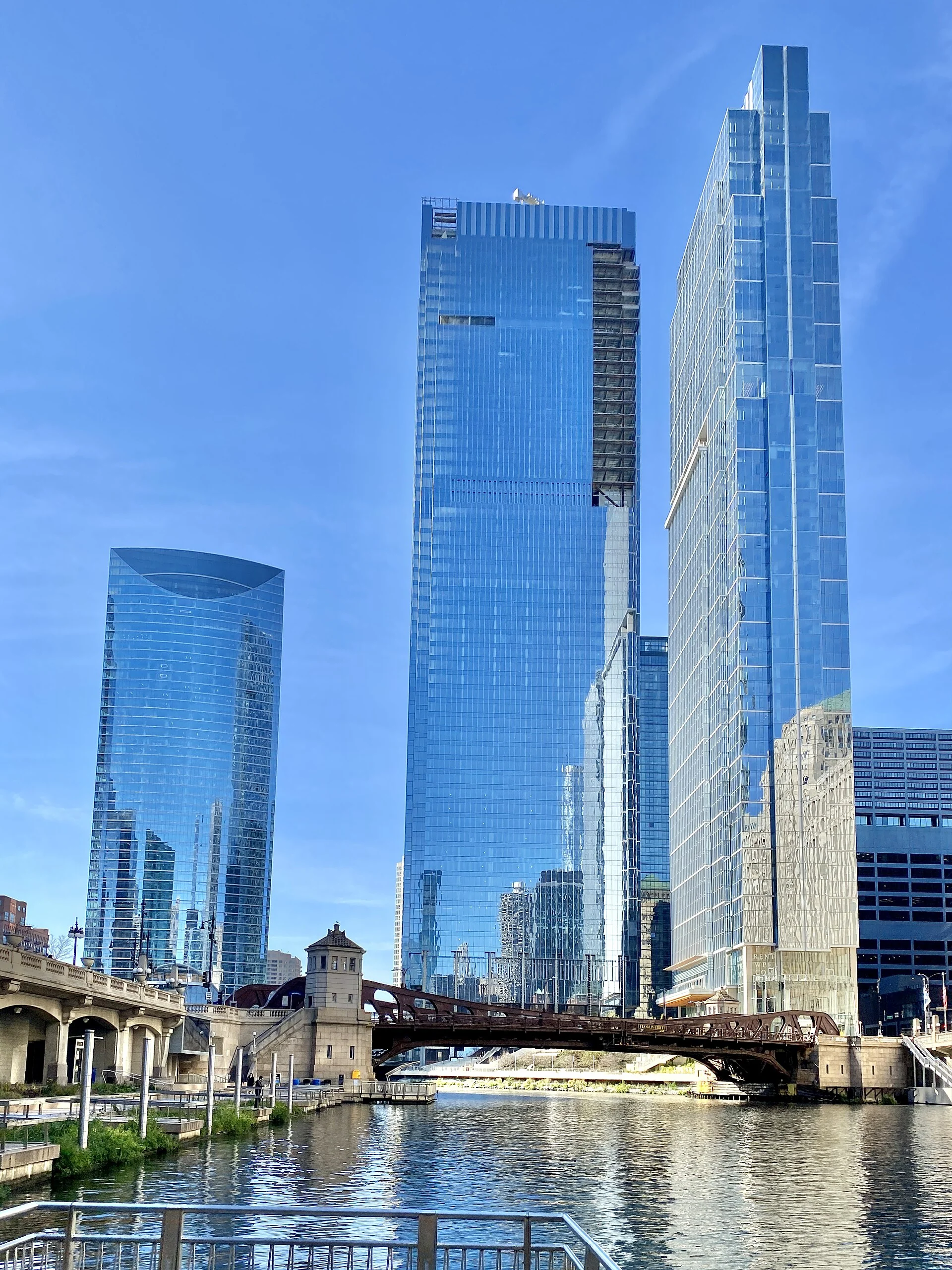
Chicago’s architecture is easiest to understand from the river. A walk along the Riverwalk, or a guided cruise when conditions suit, shows how buildings from different eras shape the city together. Use that first impression to choose a deeper visit rather than treating downtown as the whole destination.
Read the skyline
The Chicago Architecture Center’s Riverwalk guide provides context for the public route. Pause at several points and compare materials, setbacks and the way towers meet the water. A guided tour can help connect design choices with the city’s history. Book with a reputable provider and check weather and accessibility before committing to a boat excursion.
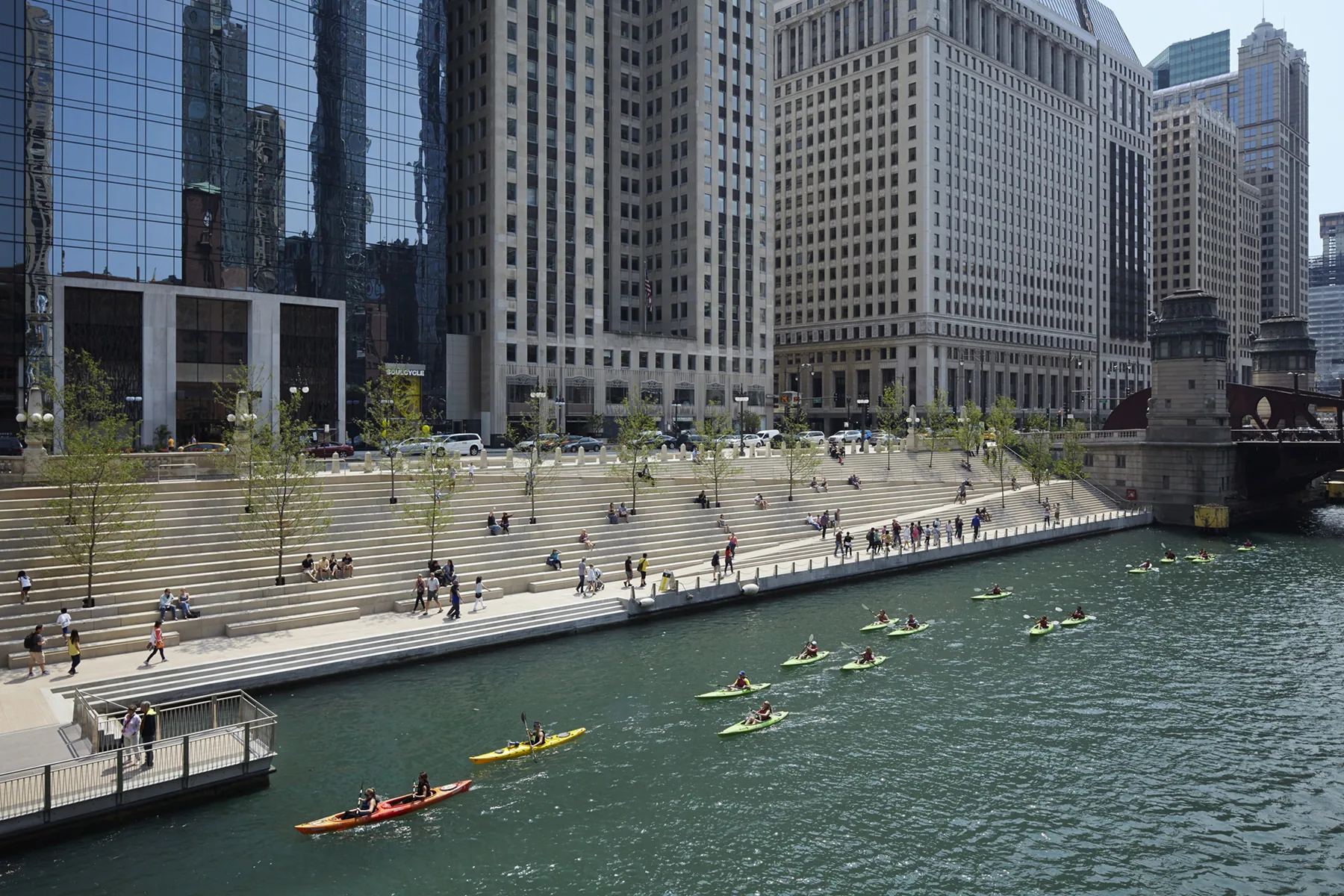
Step into a neighborhood
Spend the second day beyond the central business district. The official visitor site can help identify neighborhoods, museums and current events. Choose one area and explore it on foot, stopping at locally run restaurants or shops. Chicago’s food is more varied than any single famous dish; seek a meal that reflects the neighborhood you are visiting.
The lakefront and parks offer another perspective. Check Chicago Park District guidance for current access and seasonal activities. Lake Michigan weather can shift quickly, and wind makes a light jacket useful even when the forecast looks mild.
Use public transit where practical, keeping a realistic buffer for distances and service changes. A strong Chicago itinerary connects the river, a cultural institution and one neighborhood table. Architecture becomes more meaningful when you see the city around it, not merely the skyline from a distance.
Give the neighborhoods their due
Architecture tours often concentrate downtown, while neighborhood buildings tell different stories about immigration, industry and community change. Choose a locally led walk or a small museum that explains those histories. Avoid treating a neighborhood as a checklist of food stops; make time for the people and places between them. Check current transit information, especially when returning after an evening event.
If visiting in winter, dress for wind and icy sidewalks; in summer, plan shade and water along the lakefront. Chicago’s cultural calendar is active year-round, so a concert or exhibition can anchor the trip. The best itinerary leaves a little unplanned time to follow a street that caught your eye.
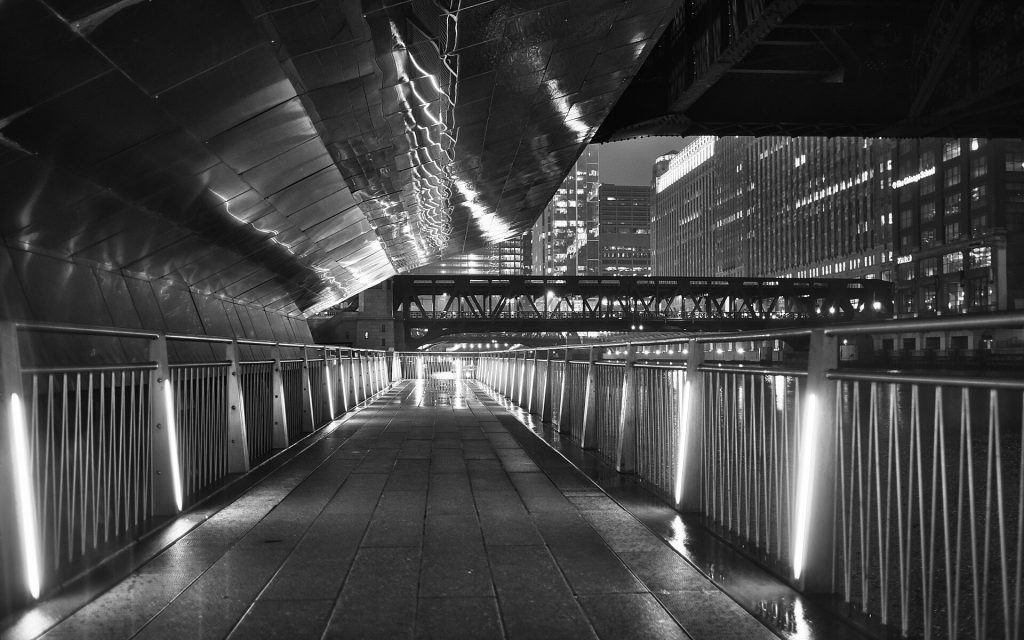
Use the river to learn, then leave downtown
Choose Chicago’s Riverwalk guide describes a pedestrian route with access points along Wacker Drive. A walk is flexible; a guided architecture cruise adds structured explanation and a fixed departure. The Chicago Architecture Center publishes its current cruise details. Pick one based on time and interest, and allow a weather margin. The river view is most useful when you ask why buildings changed, not only which tower is tallest.
Spend the next meal in a neighbourhood
Choose Chicago’s neighbourhood guide offers a way to select a district by culture, food or music. Pilsen, Bronzeville and Hyde Park have very different histories; choose one with a museum, local guide or business you genuinely want to support. Avoid treating murals or residential streets as scenery without context. Group the neighbourhood visit with a meal, then use transit for the return rather than squeezing a second distant district into the same afternoon.
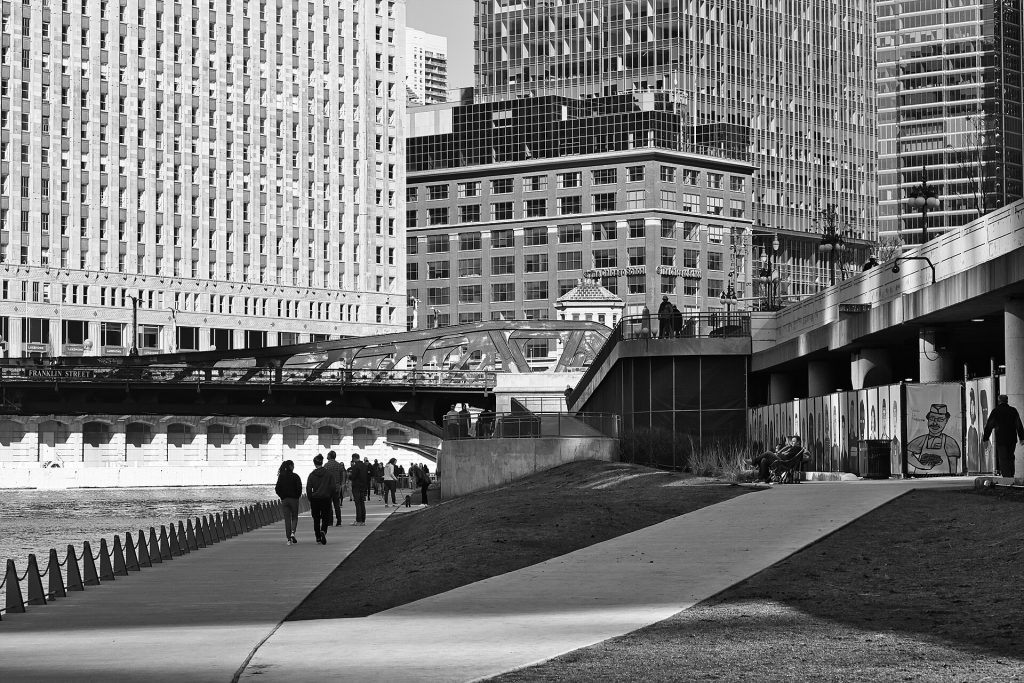
Treat the cruise as a timed commitment
The Chicago Architecture Center publishes the departure point, boarding instructions and current cruise details. Arrive with a time buffer; traffic and a missed boarding can change the rest of the day. If you would rather stay flexible, the Riverwalk allows a self-directed route, with a museum or book to add architectural context. Afterward, choose one neighbourhood for a meal rather than treating every part of Chicago as adjacent to the Loop. This keeps the river as an introduction and leaves time to experience a local district.




The conversation
Join the discussion
Have a useful tip or a question about this journey? Share it with fellow readers. Please keep comments respectful and relevant.