
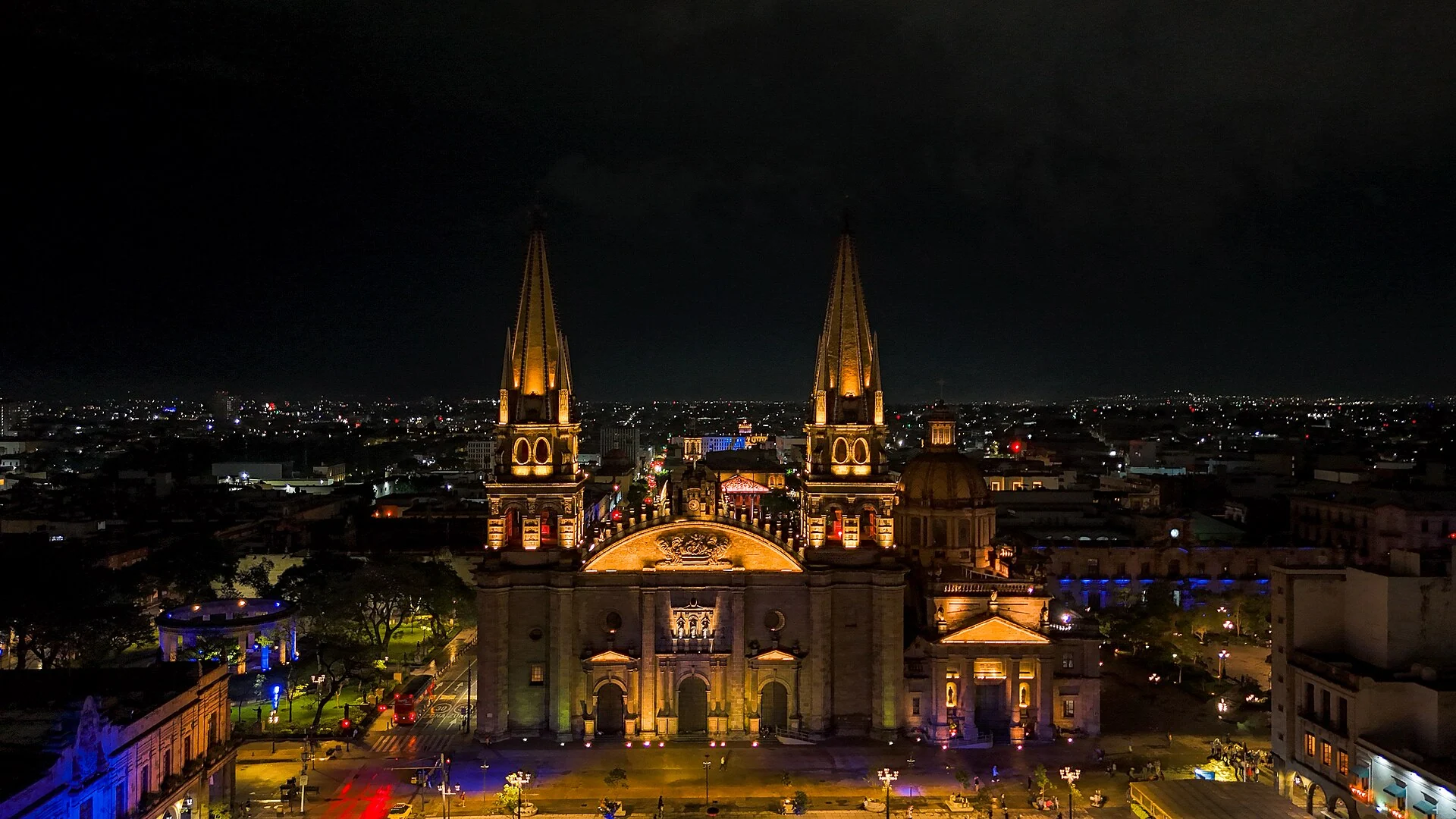
Guadalajara’s historic buildings are a useful entry point, but the city’s character unfolds across neighborhoods. Begin in the center, then devote a second day to a district with galleries, markets or food that interests you. This gives the city more room than a single cathedral photograph.
Start with the center
Walk the plazas around the cathedral and note the civic buildings, arcades and public art. Choose one museum or cultural institution rather than rushing through every interior. The city’s official historic-center guide helps identify current options. Check opening hours directly, especially around holidays and public events.
For food, try a local specialty at a well-used restaurant or market and ask staff for guidance if unfamiliar with ingredients. Music is part of the city’s identity, but seek a reputable live performance rather than assuming every tourist-facing venue offers the same experience. Treat artists as working professionals and support them accordingly.
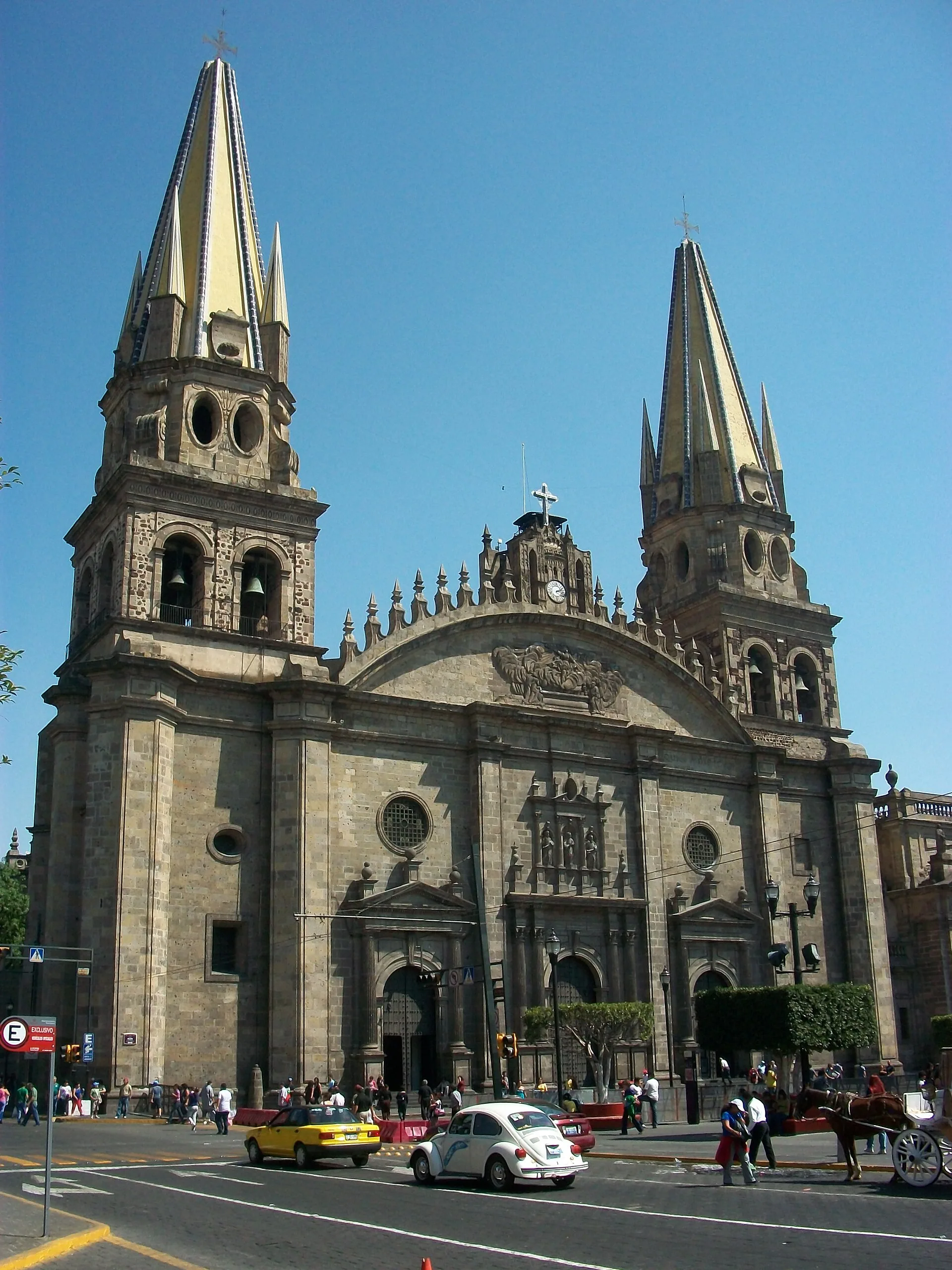
Let another neighborhood lead
The municipal neighborhood guide is a useful way to choose a second-day route. Group nearby stops and consider traffic before committing to distant attractions. If a craft workshop interests you, seek out the maker’s own information and ask before photographing work in progress.
Guadalajara is a large city. Use trusted transport for longer transfers, keep valuables secure in crowds and leave time for a slow meal. A thoughtful visit connects its formal heritage with the creative work and ordinary street life of today, rather than reducing Jalisco to a handful of familiar symbols.
Include the makers
Guadalajara is a useful base for learning about Jalisco’s craft and culinary traditions, but seek experiences led by the people who make the work. A workshop visit should explain materials, techniques and pricing transparently. If you buy an object, ask about its origin and care. This is a better route to a lasting memory than a rushed stop at a souvenir stand.
Check the calendar for exhibitions and performances before arrival. A holiday, market day or major event can change traffic and opening hours. Keep the center and neighborhood day separate so one delayed transfer does not unravel the whole plan. Guadalajara rewards curiosity about its present creative community as much as admiration for its historic plazas.
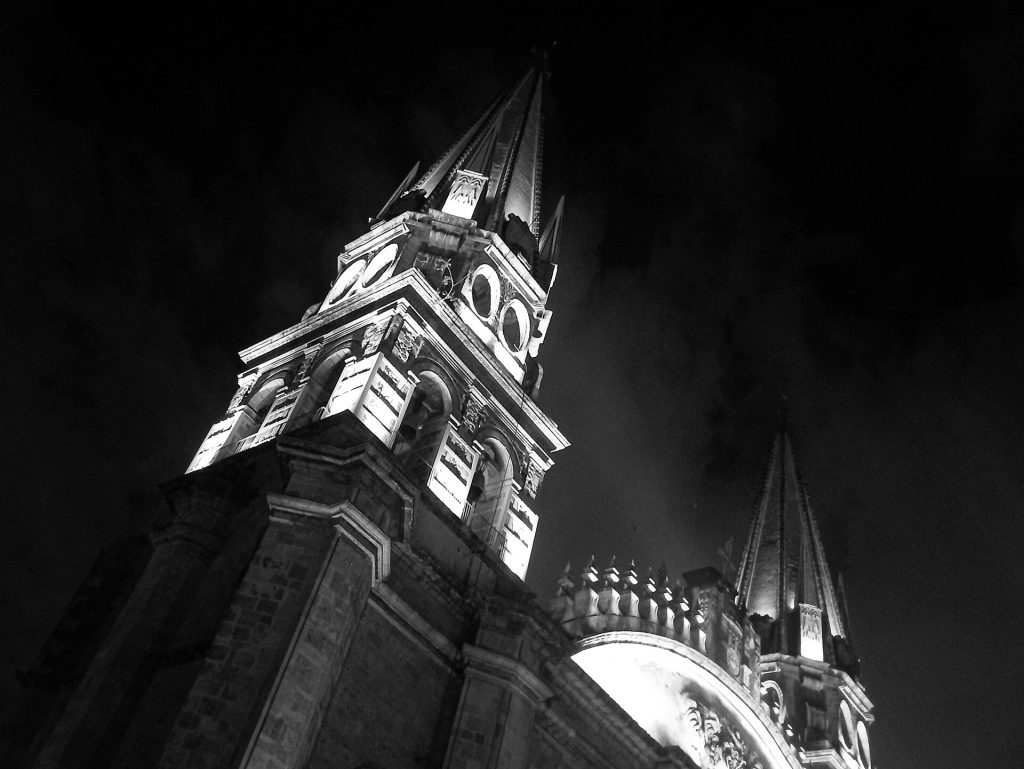
Make the historic centre a walk, not a sequence of taxi stops
The Guadalajara tourism office’s central route connects the cathedral, public plazas, Teatro Degollado and Museo Cabañas. A morning on foot lets you see how these institutions relate spatially, while a museum visit adds context to the city’s visual art and history. Check museum hours separately and choose one major interior rather than trying to enter every building on the route.
Use the market as a meal decision
The city’s official historic-centre guide identifies Mercado San Juan de Dios as a place for food and everyday commerce. Arrive with time to browse and choose a stall, rather than using the market only for a quick photograph. If live mariachi matters, check a current performance or venue schedule; do not assume music is happening at a specific hour. Plan transport for the evening return before staying out late.
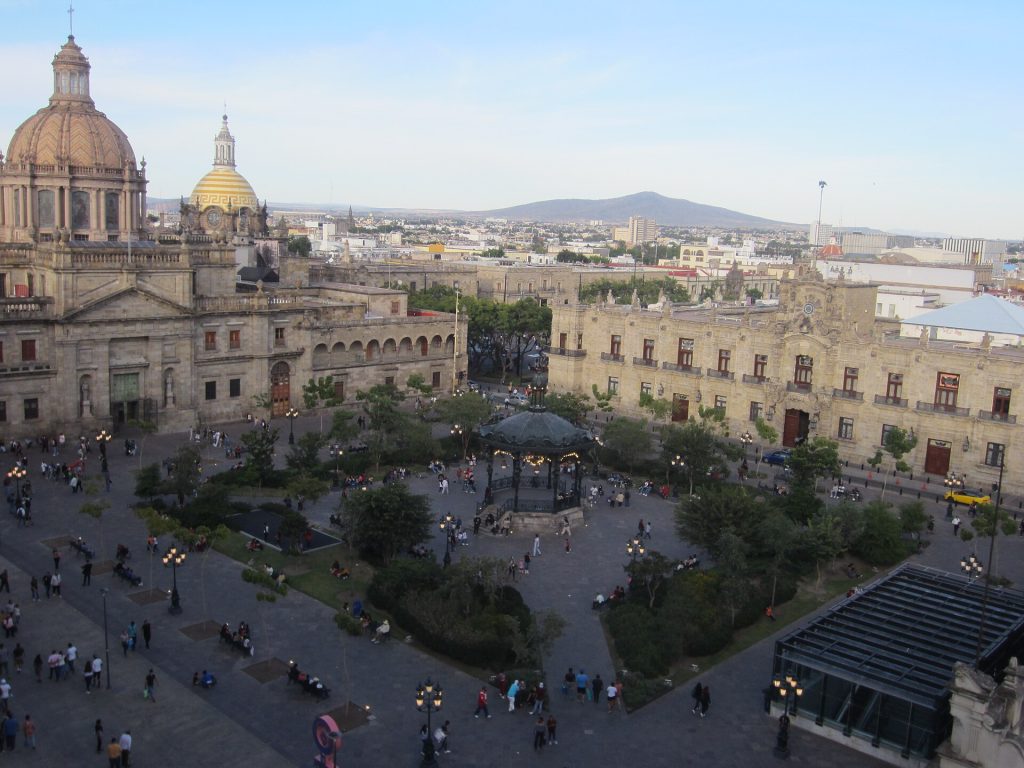
Give Museo Cabañas proper time
The city’s historic-centre route identifies Museo Cabañas as a principal stop, including Orozco murals. If those works interest you, make the museum the anchor of a half-day and place a market meal or plaza walk around it. Check entry and exhibition hours directly rather than arriving after a long lunch. A different kind of day can focus on food and neighbourhood life without attempting the museum at all. These choices are more useful than a generic list of “top sights,” because they account for the time needed to see art rather than just enter a building.


The conversation
Join the discussion
Have a useful tip or a question about this journey? Share it with fellow readers. Please keep comments respectful and relevant.