
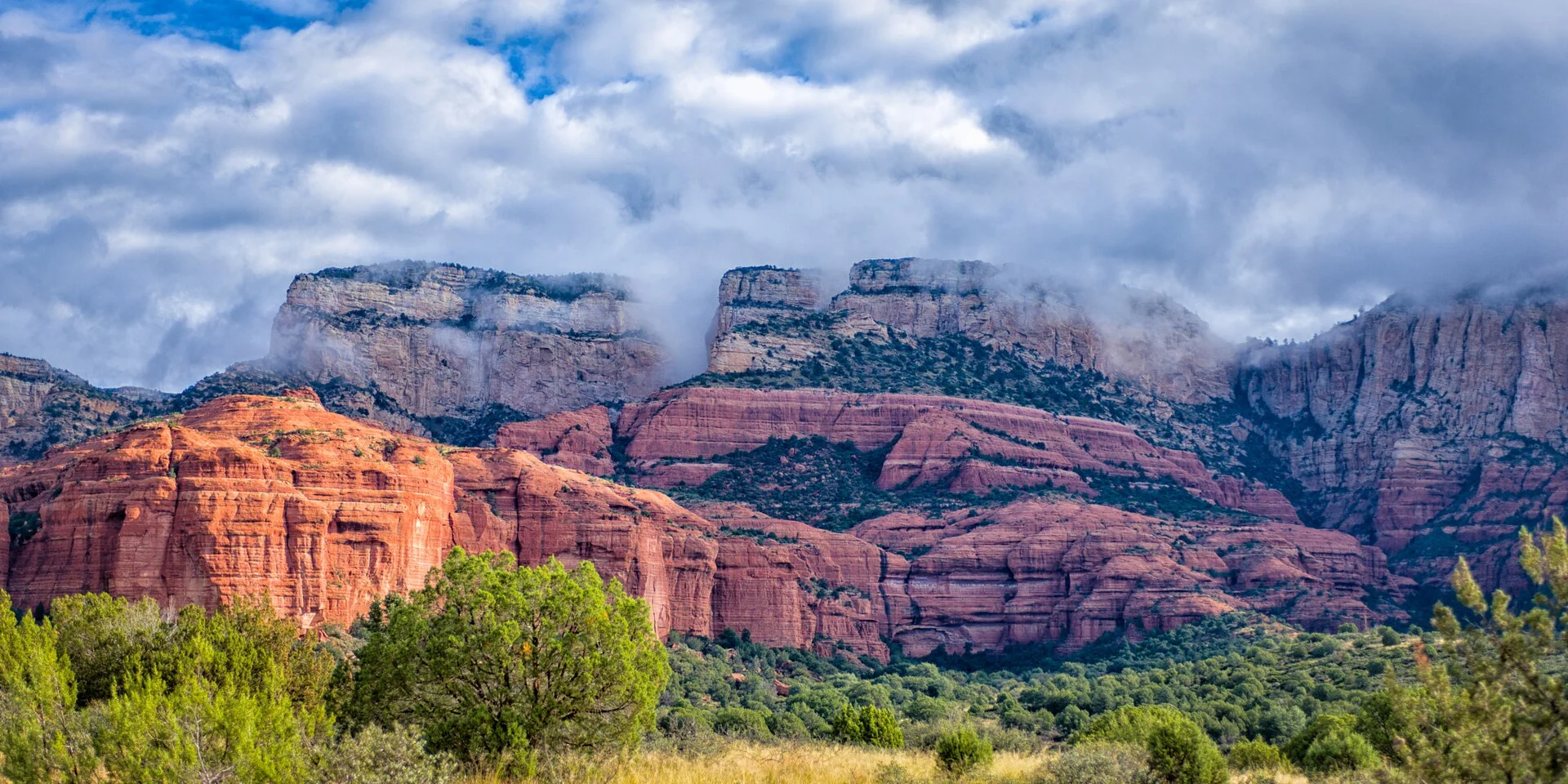
Sedona’s sandstone formations invite exploration, but its popularity puts pressure on trails, parking and nearby neighborhoods. A rewarding trip begins with a realistic route, not a race to every famous viewpoint. Choose one substantial walk each day and give the landscape time to change with the light.
Pick a trail that fits
Check official trail information for distance, elevation, exposure and current closures. The Coconino National Forest is an important source for access and safety. Desert heat, sudden storms and limited shade can make a moderate-looking route demanding. Start early, carry more water than you think you will need and turn back before fatigue becomes a problem.
Stay on marked paths and durable surfaces. Cryptobiotic soils and vegetation recover slowly from trampling. Do not build cairns, take rocks or fly a drone without checking regulations. Use designated parking or a current shuttle option where available, and never leave a vehicle blocking a residential road or emergency access.
Make room for town
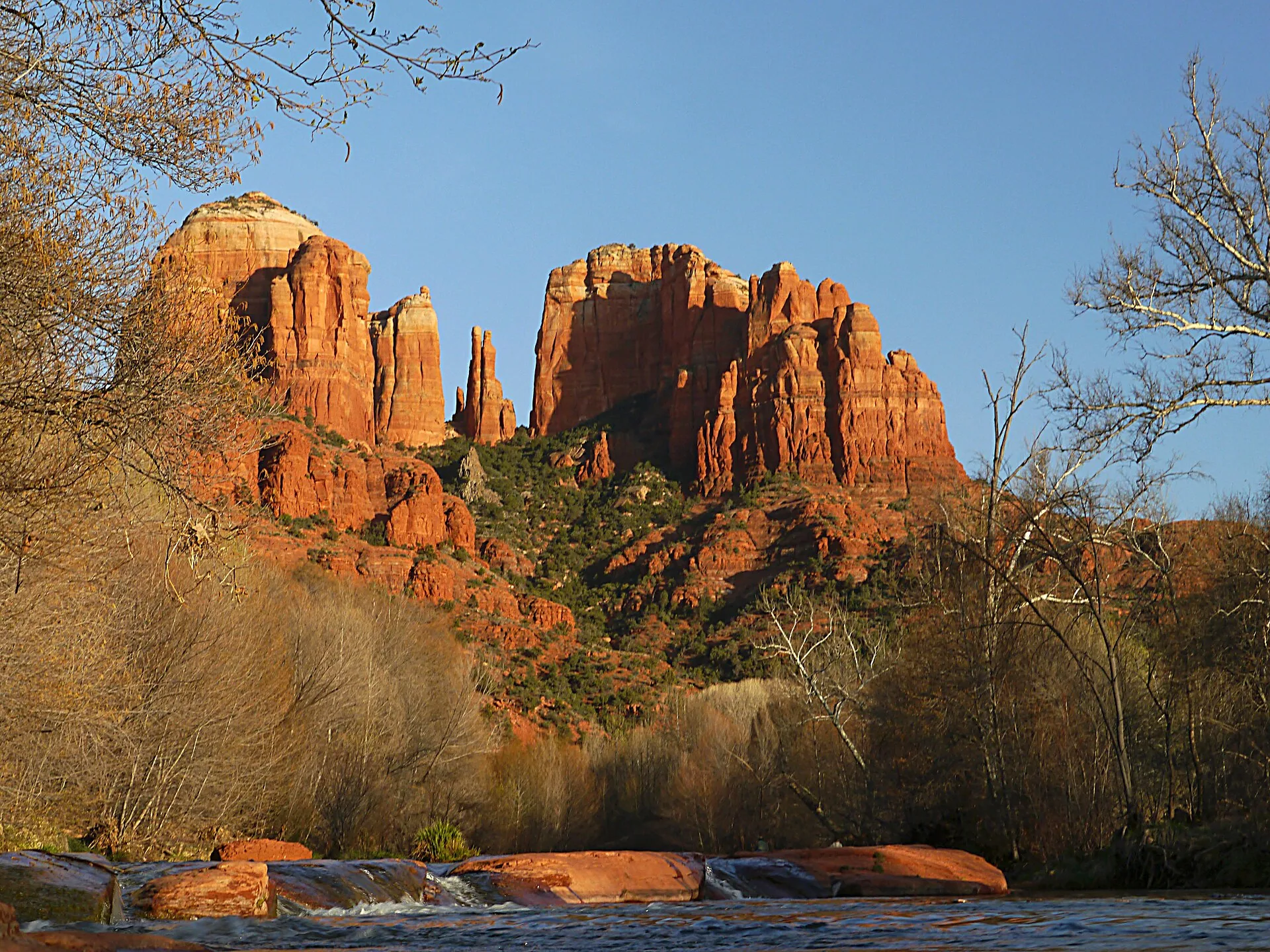
The Arizona tourism guide offers an overview of the area. After a walk, explore local galleries or enjoy a meal rather than driving immediately to another trailhead. Look for artists whose work reflects their own traditions and credit them when sharing photographs.
For sunset, choose an accessible public viewpoint with a safe route back after dark. Weather and light do not need to match a famous image for the experience to be worthwhile. Sedona is most memorable when its red-rock setting is treated as a living desert landscape, with room for both visitors and the people who call it home.
Think beyond peak photographs
A famous trail may be crowded or closed, while a less celebrated route can offer just as much geological interest. Ask at an official visitor center for current conditions and alternatives. Pay attention to flash-flood risk in washes and canyons; storms can be dangerous even when the sky above you looks clear. If hiking alone, tell someone your route and expected return.
Respect Indigenous connections to the region by seeking interpretation from tribal sources where available and avoiding casual use of sacred-language claims in travel marketing. An early morning walk followed by an afternoon indoors can be both safer and more rewarding than pushing through exposed terrain in the heat.
Choose a trailhead with the access rules in mind
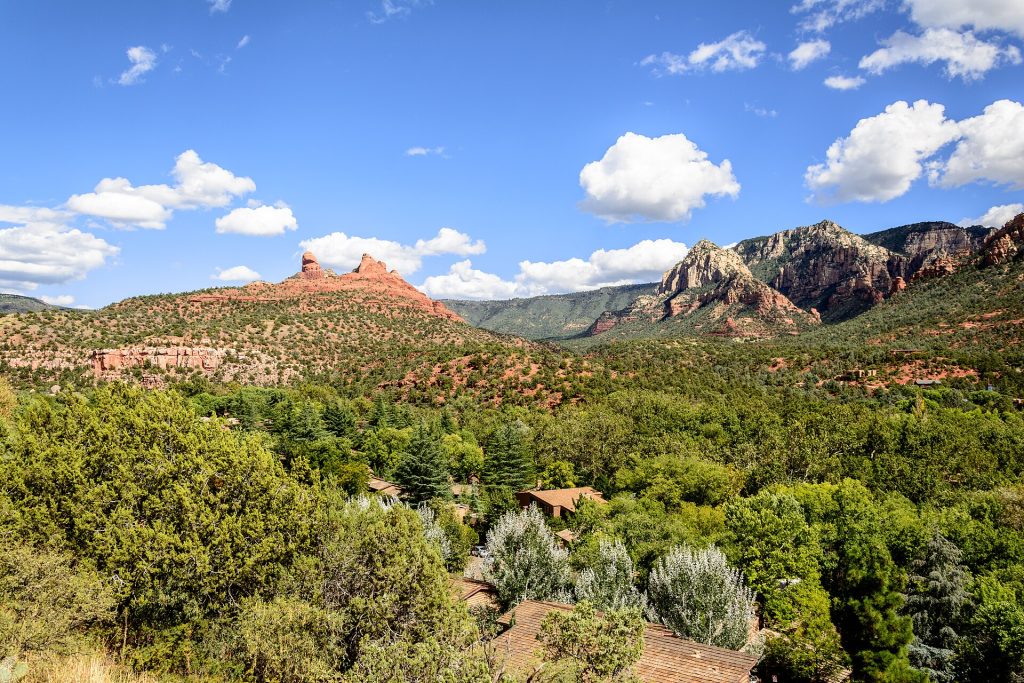
The Coconino National Forest recreation guide explains that some Sedona fee sites require a Red Rock Pass or a qualifying federal pass. The City of Sedona shuttle serves popular trailheads on its published service days; parking restrictions can apply while it runs. Select a hike by difficulty and transport together, then check current trail alerts before departure. An apparently short trail can still be exposed and demanding in heat.
Carry more than a phone map
The Forest Service advises water, food, a map, suitable clothing and a way to signal for help; cell coverage can be unreliable. Start with enough daylight for a return and turn back if conditions deteriorate. Remain on established trails to protect fragile soil and vegetation. If a popular route is crowded, a quieter, appropriate trail can offer better time in the landscape without adding pressure to one viewpoint.
Choose a shorter route without losing the scenery
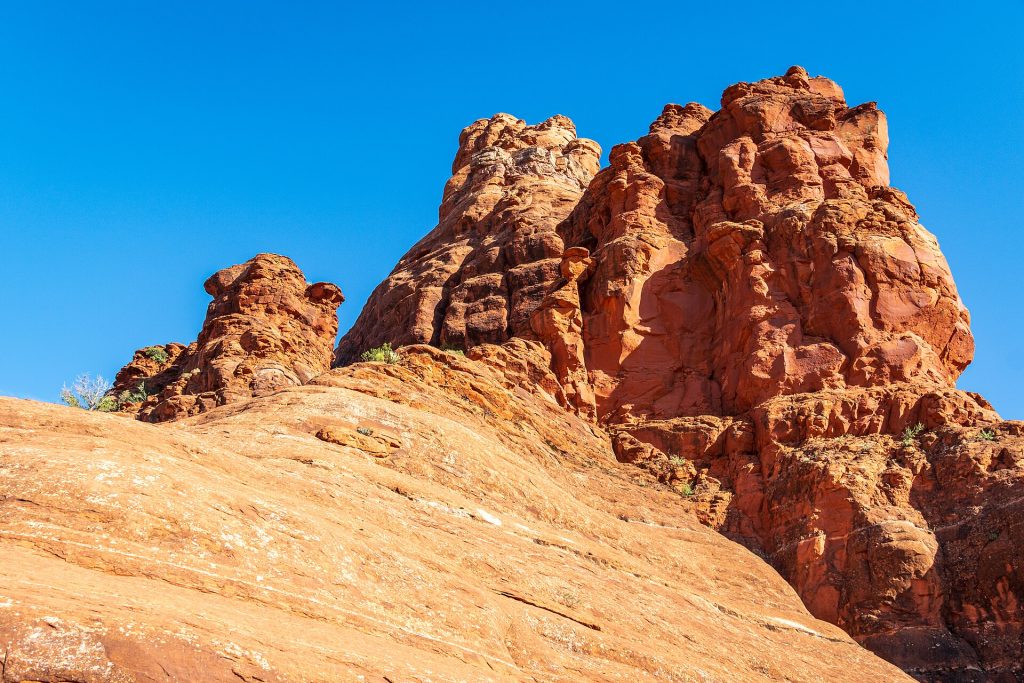
The Forest Service guide includes several viewpoints and trails of different length and advises substantial water for desert walking. If a group includes someone with limited stamina, select an accessible viewpoint or shorter walk rather than attempting a strenuous landmark hike. Check whether the Sedona Shuttle serves that trailhead on your chosen day; transport rules and parking can decide the outing before the hiking begins. Never park outside marked spaces to save a long walk, and turn around if heat or weather changes before the planned destination.







The conversation
Join the discussion
Have a useful tip or a question about this journey? Share it with fellow readers. Please keep comments respectful and relevant.