
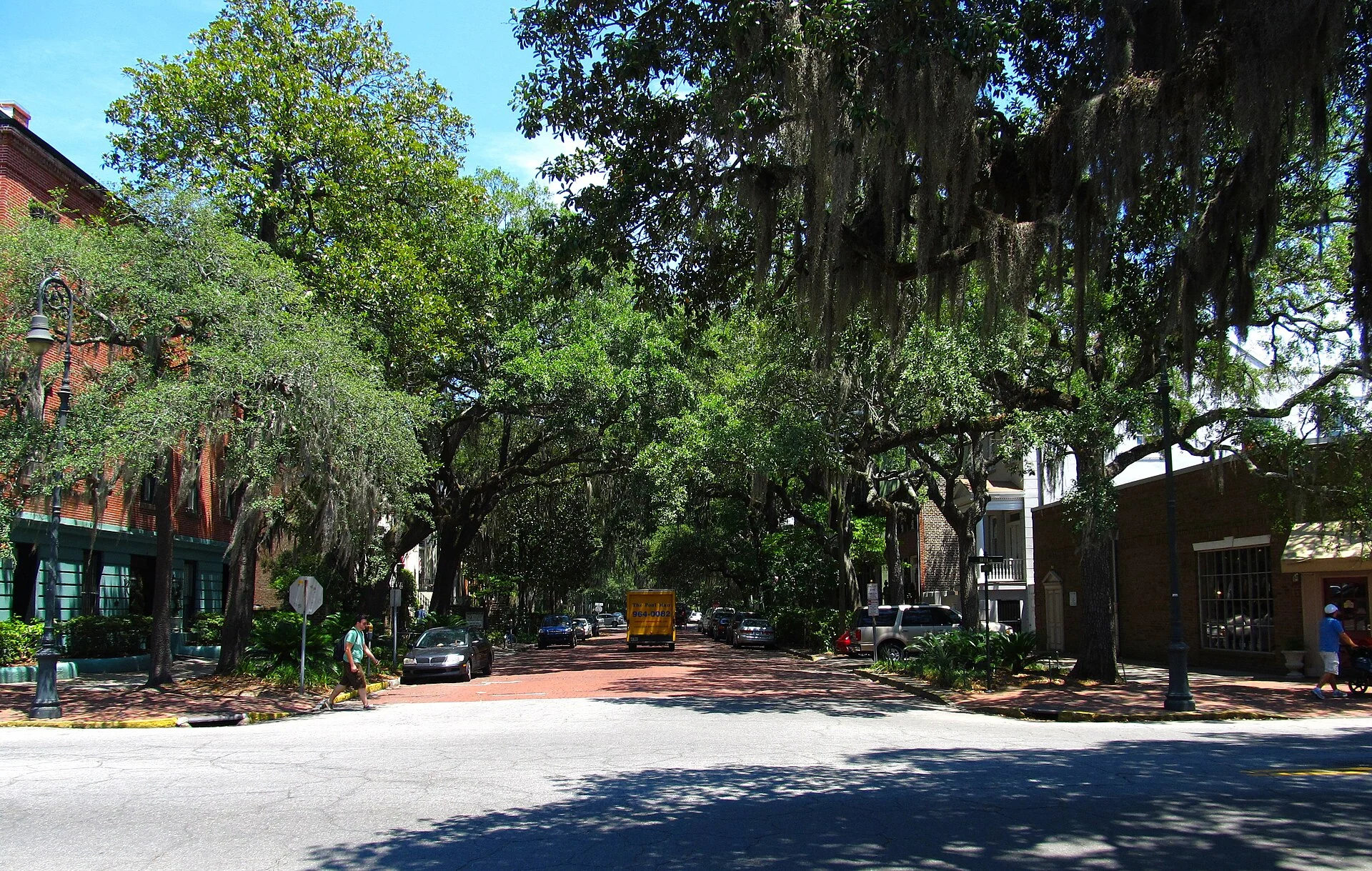
Savannah’s shaded squares make the historic district unusually rewarding on foot. They also invite a slower reading of the city. Buildings and live oaks are beautiful, but the story includes slavery, commerce, faith and the many communities that shaped the port. Choose walks and museums that give those histories room.
Walk a few squares well
The official visitor guide to squares and parks helps plan a route. Select a handful within easy walking distance instead of trying to photograph every square in one afternoon. Read public markers, compare architectural periods and pause in the shade. Respect residences and working places of worship; the district is a neighborhood, not a set.
Pair the walk with a museum or interpreted historic site that addresses the lives of enslaved people and the city’s Black history directly. A guided tour can be useful if it cites sources and makes space for difficult questions. Avoid tours that replace evidence with ghost stories or romanticized plantation imagery.
Plan for the climate
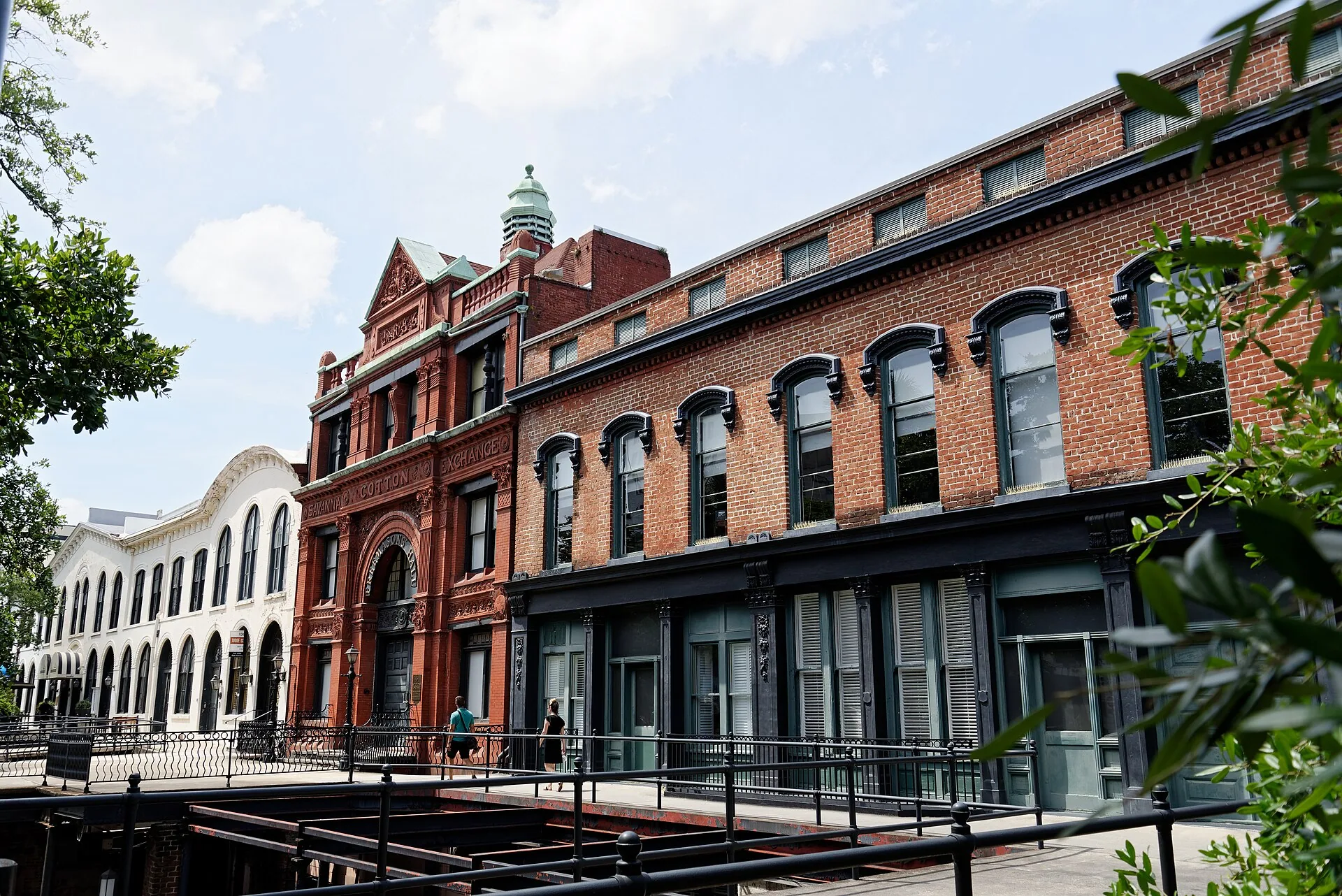
Heat and humidity can be intense. Walk early, carry water and take indoor breaks. Comfortable shoes matter on uneven pavement. If a restaurant is central to your plans, reserve it, but leave flexibility for a café or locally owned spot you encounter along the way.
For a broader coastal Georgia trip, the National Park Service’s Fort Frederica site offers regional colonial context, although it requires a separate journey. Savannah is strongest when visited with curiosity about both its beauty and its contradictions. One well-chosen historic tour and a patient walk can say more than a crowded schedule of superficial stops.
Go beyond the historic core
Savannah’s district boundaries can make it easy to overlook other neighborhoods. If time allows, find a local cultural event, Black-owned business or contemporary art space beyond the most photographed streets. Use current local information and travel respectfully; a neighborhood is not a spectacle. When booking a heritage tour, read how the operator describes enslavement and whose voices it centers.
The nearby coast can be appealing, but it deserves a separate outing. Check tides, weather and site access before traveling to a beach or marshland, and keep distance from nesting birds. A day divided between thoughtful history and a long, shaded walk is usually richer than a string of hurried carriage-route stops.
Walk the squares with a fuller account of the city
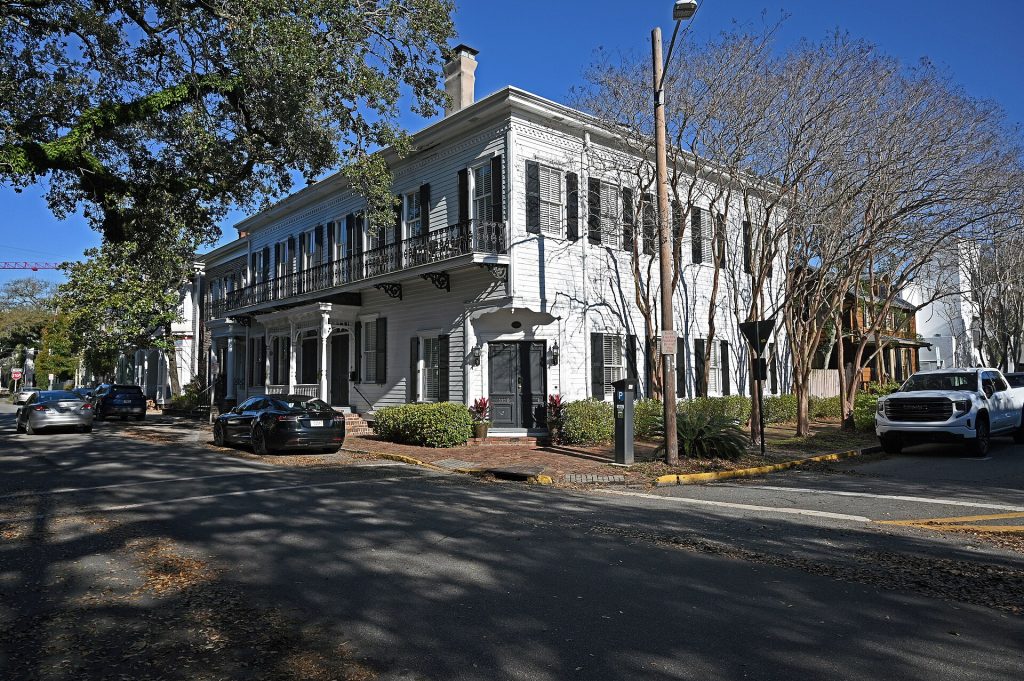
Savannah’s grid and shaded squares are attractive for walking, but their history cannot be separated from the port and enslavement. The National Park Service’s city history connects plantation wealth, cotton and the trans-Atlantic slave trade to the buildings visitors admire today. Choose a museum or guided walk that includes Black history, not only house architecture. Visit Savannah’s squares guide can help build a compact route.
Keep the route human-sized
Select three or four squares, a substantial interpretation stop and a meal. Savannah’s streets invite wandering, but summer heat and uneven surfaces can make an ambitious all-day walk less comfortable than it looks on a map. Use respectful photography around homes and places of worship. If you add Fort Pulaski or another site outside the centre, give it a separate transport plan rather than stretching the square walk into an impossible circuit.
Select interpretation that reaches beyond the squares
The National Park Service connects Savannah’s built wealth to cotton, rice and slavery, while the tourism square guide helps locate individual spaces. Before booking a walking tour, read its description: does it cover Black residents and labour, or only architecture and famous owners? A museum or guide with a broader account may be worth more than an extra house interior. Bring water and plan a shaded pause. If traveling with children, a shorter route with one clear historical question can keep the walk engaging without turning difficult history into background scenery.








The conversation
Join the discussion
Have a useful tip or a question about this journey? Share it with fellow readers. Please keep comments respectful and relevant.