
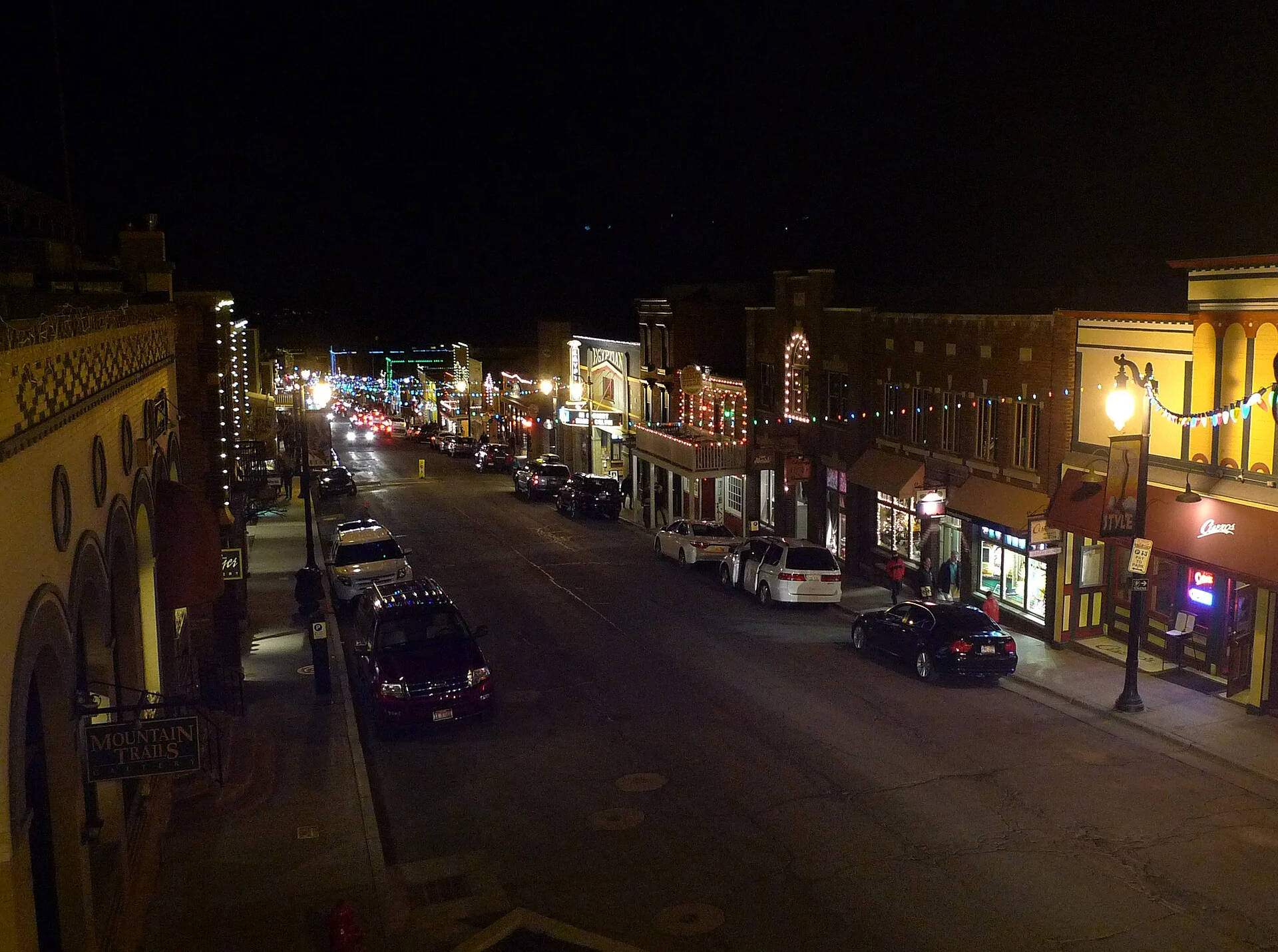
Park City changes with the seasons. Snow brings winter sports; warmer months open trails, outdoor events and longer walks through town. Build a visit around the season you will actually experience rather than the town’s ski imagery alone.
Choose the mountain day
In summer or autumn, use the official hiking guide to select a route that fits your ability. Elevation can make exertion feel different from a sea-level walk. Carry water, layers and sun protection; check weather and trail status just before leaving. Stay on marked routes and give wildlife room. In winter, use resort and local safety information for conditions, lessons and terrain access instead of assuming a trail map applies year-round.
A second day can be gentler: explore the historic main street, galleries and local restaurants. Ask about exhibition schedules and live performances, since arts programming changes throughout the year. Park City’s film association is important, but a festival visit requires advance planning for lodging, transport and tickets.
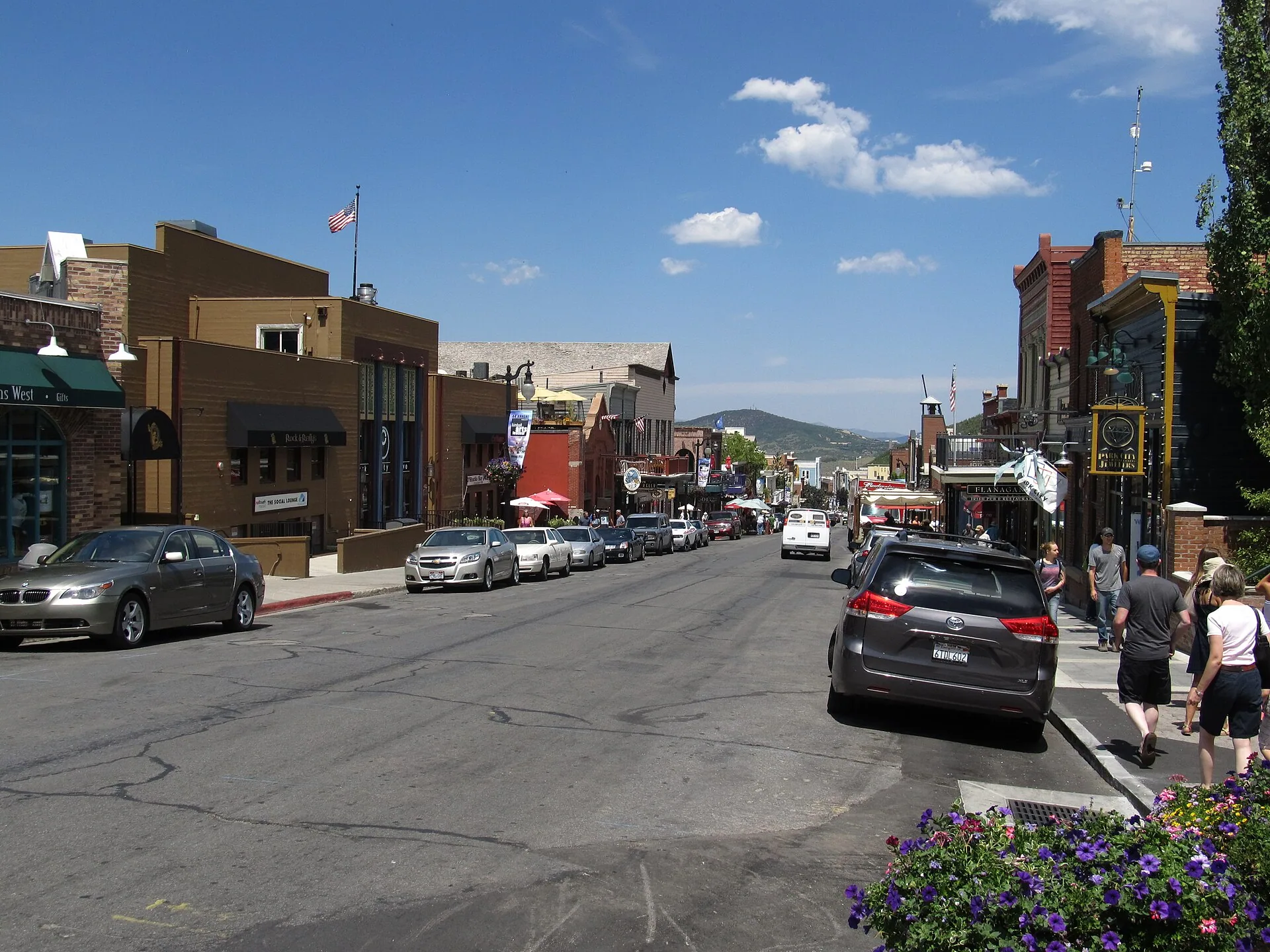
Make time for the town
The visitor bureau provides seasonal event and transport information. Public shuttles or walking may be easier than finding parking at busy times. If you are combining Park City with Salt Lake City, allow a weather buffer in winter and a realistic transfer time in all seasons.
Park City works best when a morning outdoors leads to an unhurried afternoon in town. Whether your trip includes skis or hiking shoes, avoid filling every hour: mountain weather and altitude both reward flexibility. The destination’s appeal lies in that balance between access to the hills and a town with its own cultural rhythm.
At altitude, adjust expectations
Visitors arriving from lower elevations may need a gentler first day. Hydrate, pace strenuous activity and seek medical advice for symptoms that concern you. Trail surfaces and weather can change quickly; tell someone where you are going if heading out alone. Mountain biking and hiking routes may intersect, so read trail signs and yield appropriately.
In winter, confirm avalanche and resort-boundary information through qualified local sources. Snow conditions cannot be judged from photos or past-season descriptions. During a festival, avoid assuming ordinary restaurant and transport patterns will apply. Reserving a few essentials while keeping outdoor plans flexible is the best way to enjoy Park City across seasons.
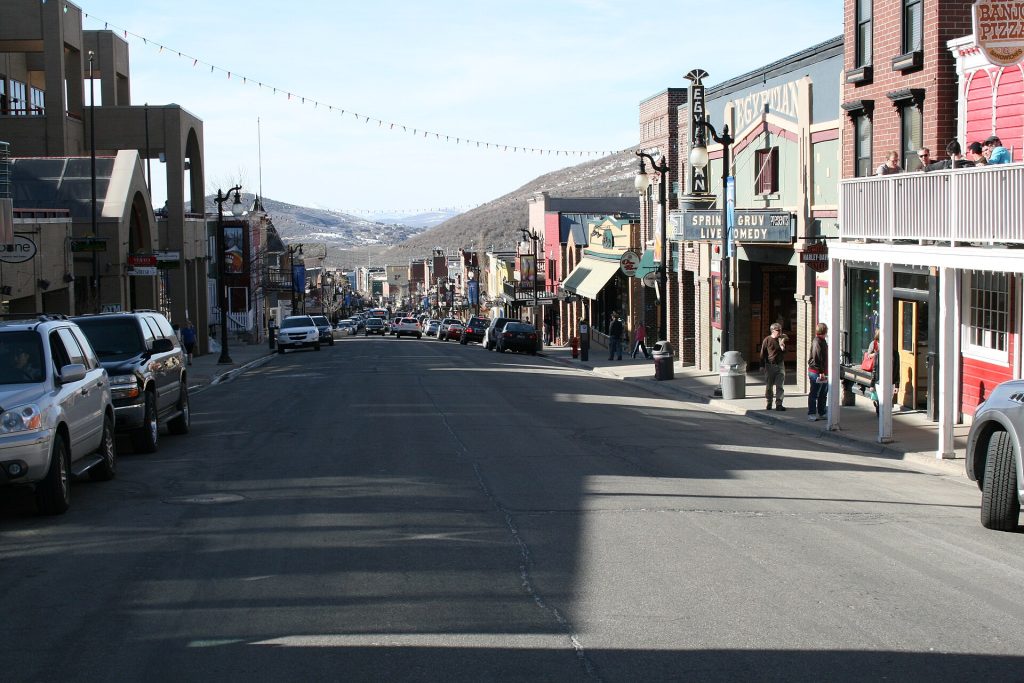
Use conditions, not a season label, to select the trail
Park City’s municipal open-space guide describes trails at varied elevations and warns that summer weather can change in the mountains. The city’s trails page provides current notices and closures. Check it before choosing a route; wet or snowy sections can remain when Main Street feels warm. Match elevation and distance to the least experienced person in your group, and carry water and a layer.
Give the town an independent evening
Park City’s tourism guide links Main Street with galleries, dining and seasonal events. Confirm what is actually running during your visit rather than planning around an annual festival name. In winter, mountain operations and conditions require a different plan from summer hiking. A town evening after a trail day creates variety without forcing every hour onto the slopes.
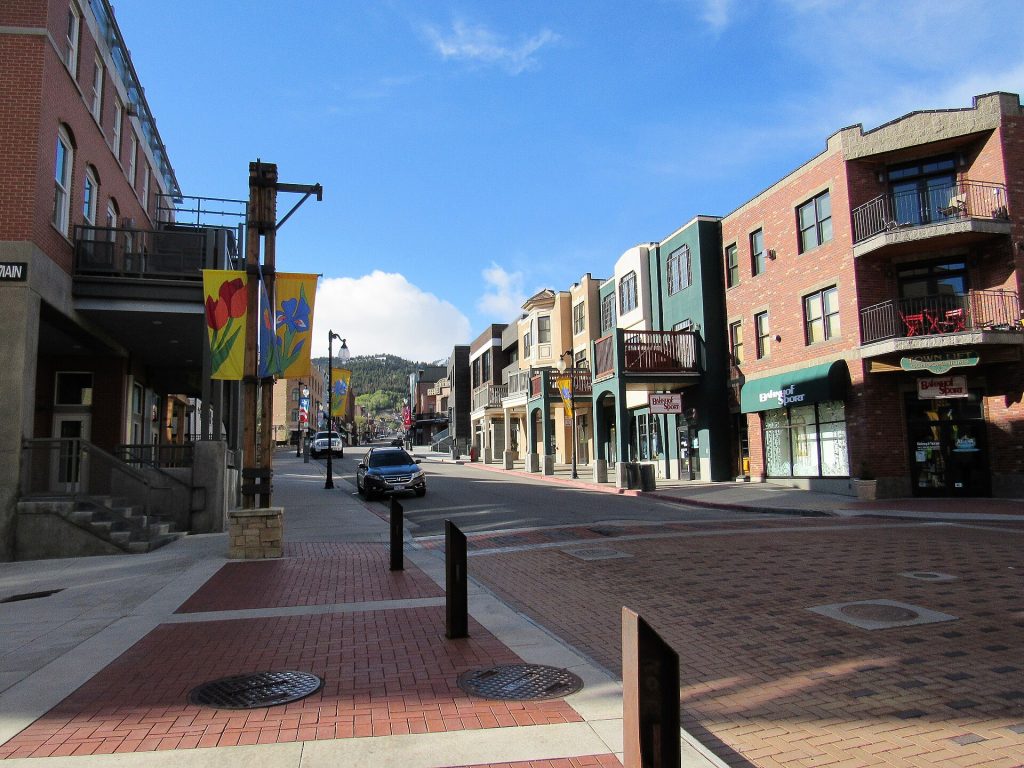
Check elevation before treating two walks alike
Park City’s municipal trail overview notes a wide elevation range and changing mountain weather. A comfortable town stroll does not predict conditions on a high trail. Compare elevation gain, route exposure and the last practical bus or lift connection before leaving. The city’s trail page publishes closures and seasonal notices; respect a muddy-trail closure even if the sky is clear. If a route is closed, Historic Main Street or a lower-elevation walk can rescue the day. This avoids damaging the trail and prevents a visitor from gambling on an outdated route description.




The conversation
Join the discussion
Have a useful tip or a question about this journey? Share it with fellow readers. Please keep comments respectful and relevant.