
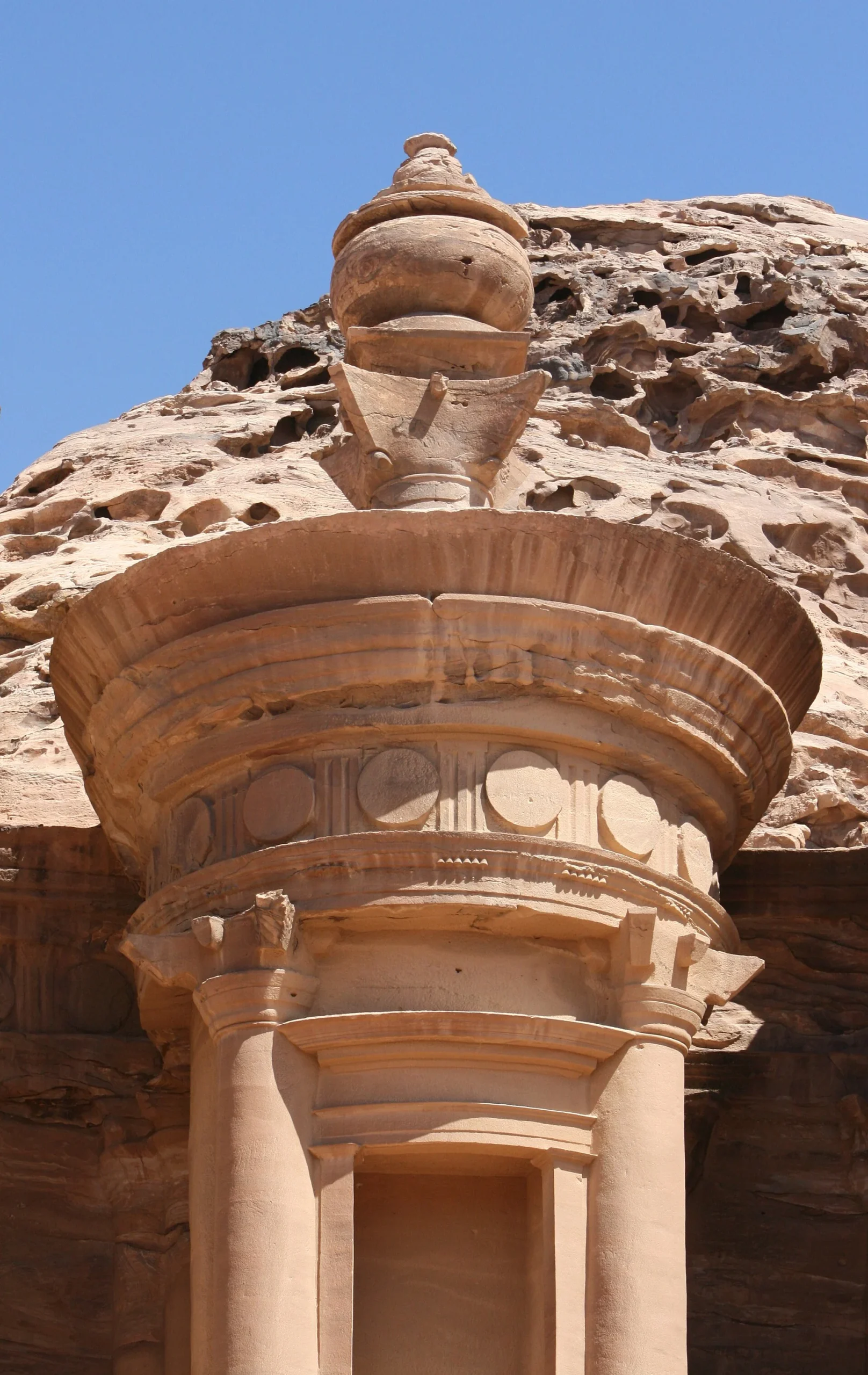
The Treasury is only the beginning
Petra’s Siq and Treasury are powerful first sights, but the site continues through streets, tombs and longer trails. Jordan’s Ministry of Tourism describes routes of different difficulty, including the main route and more demanding viewpoints. Choose a route based on time, walking ability and weather, not on a photograph of a remote overlook. The visitor centre provides maps and licensed guides, which can help explain the Nabataean city beyond its most recognisable façade.
A full site day requires water, sun protection and shoes for uneven ground. Begin early enough to move at a comfortable pace and give the return walk the same attention as the outward journey.
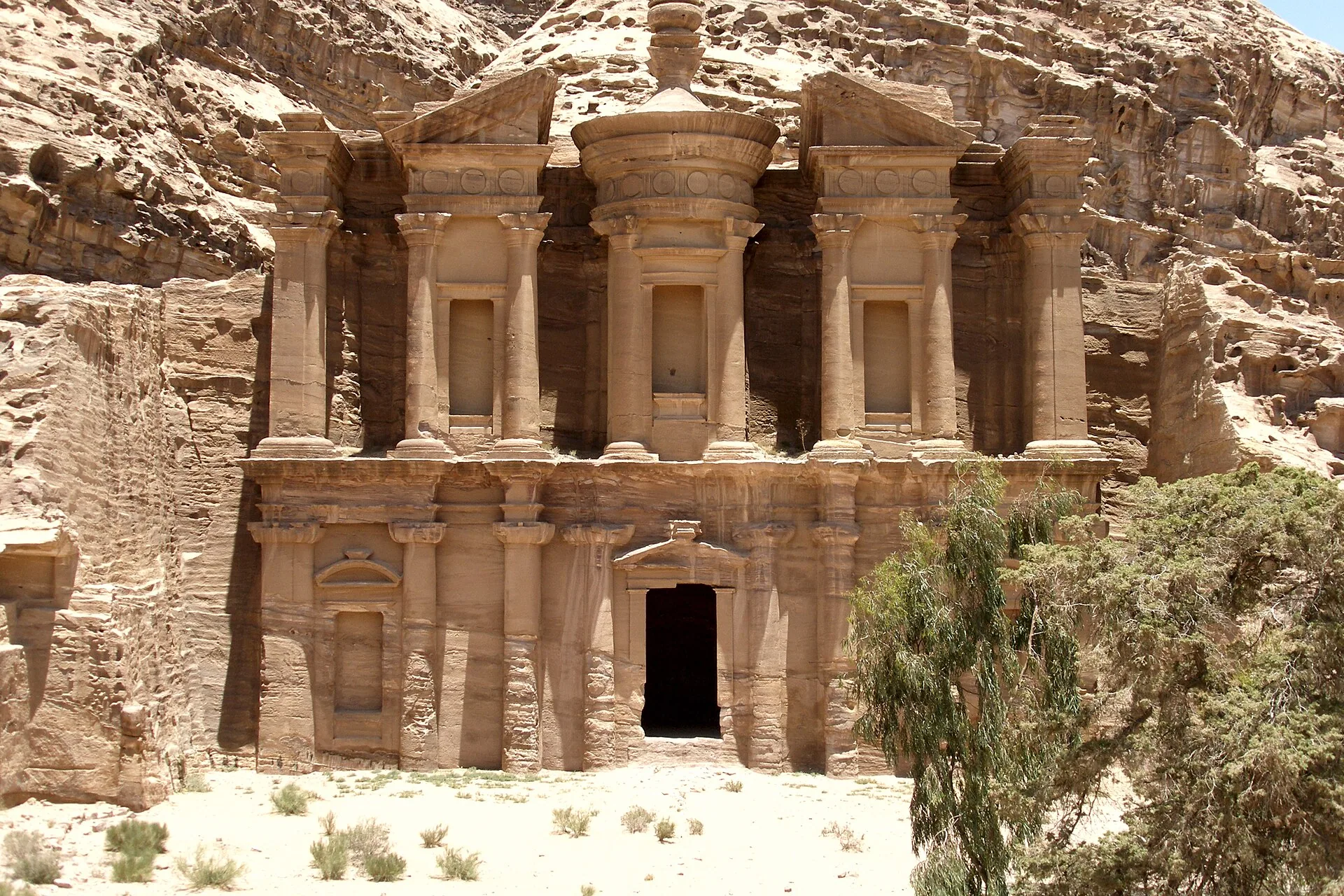
Follow current site rules
The Petra Development and Tourism Region Authority requires a valid ticket and restricts access to closed areas. Its guidance warns against unofficial routes and climbing on monuments. Check which trails need a guide, where transport services operate and what ticket type suits your stay. Prices, operating times and trail openings change, so use the current official source before travel.
Do not touch carved stone or enter closed tombs. Agree on any additional service clearly and avoid activities that pressure animals or take you onto unsafe unofficial viewpoints.
Stay long enough to absorb it
One day gives a strong introduction; an additional day can make longer walks less rushed. Staying nearby allows a simpler morning start and a rest between outings. A local guide can add context to water systems, trade and daily life, making the site feel like a city rather than a set of monuments. Petra rewards patience: the stone is spectacular, but its meaning expands when you understand the people and engineering behind it.
Petra’s scale can surprise first-time visitors because the walk continues long after the Treasury. Discuss the total return distance with your guide before setting out for a higher trail. If the group has mixed fitness levels, agree on a meeting plan rather than pressuring everyone to continue. Archaeological sites can be slippery after rain and intensely exposed in sun. Let current site staff guidance override an itinerary copied from an older article.
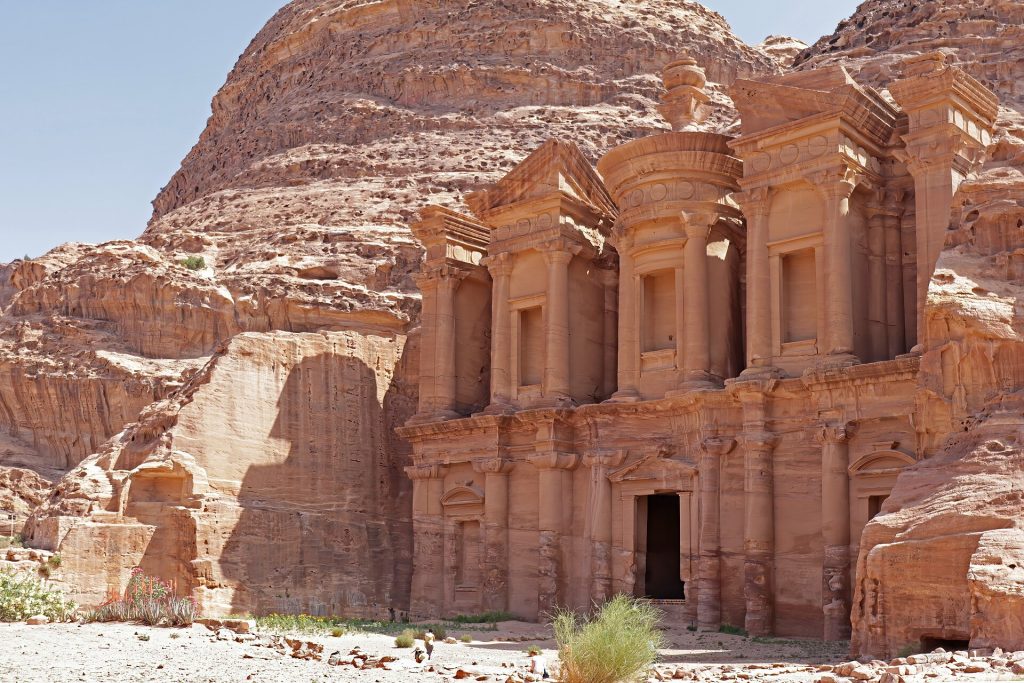
Decide your turnaround point in advance
Petra’s main route continues well beyond the Treasury. Before walking, choose whether your goal is the central archaeological area or a longer climb, and calculate the return effort too. The official Petra trails guide distinguishes routes and their demands; check the visitor center for current access and guide arrangements. Carry water, sun protection, and shoes for uneven ground. Starting early can provide more comfortable walking time, but do not force a strenuous side route simply because it appears on a popular itinerary. Official visitor information.
Carry the return distance in your plan
Many visitors underestimate how much walking remains after reaching the Treasury. Decide on a turnaround point before entering, then reassess at the Royal Tombs or another natural pause. Save water and energy for the outward climb back through the Siq. Check the official trail information for current route status and use a licensed guide if you want a more demanding path. A short, attentive walk can be richer than an exhausting attempt to reach every named monument.
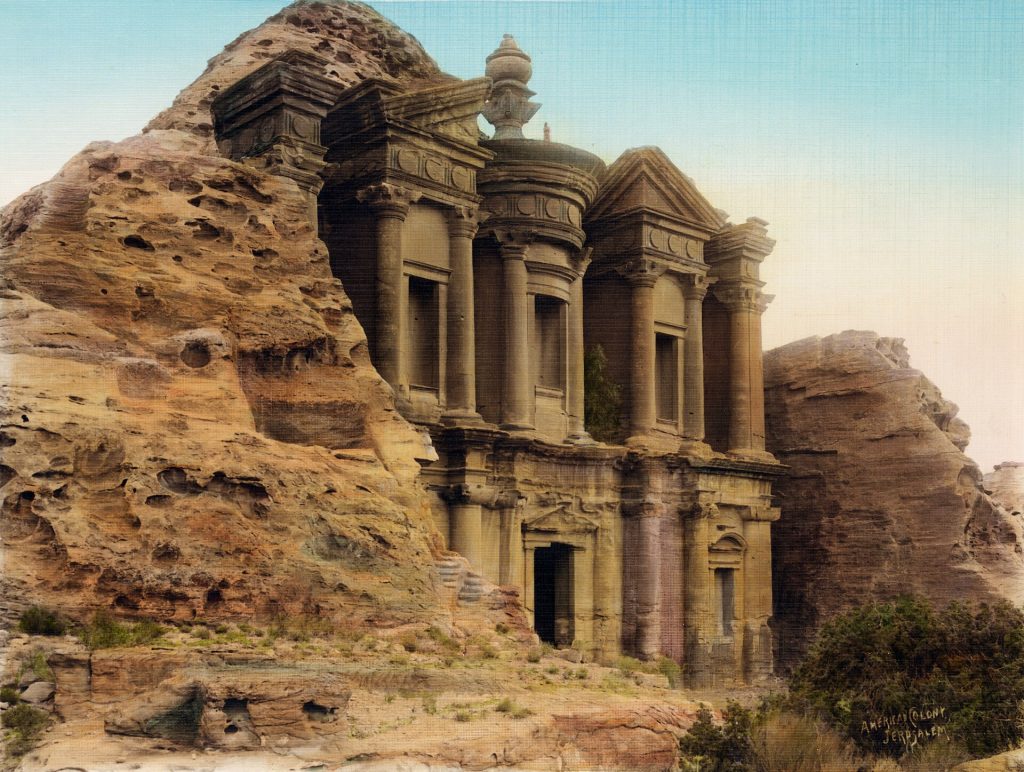
Treat the site as fragile heritage
Petra’s carved surfaces and archaeological areas need protection. Stay on permitted routes, do not climb façades, and follow local guidance on animals and transport. If you take photographs, avoid blocking narrow passages during busy periods. Wear footwear that handles sand and uneven stone, and use shade whenever possible. A second day can make sense if you want longer hikes, but it should be planned around your fitness and the season, not simply because a checklist recommends it.


The conversation
Join the discussion
Have a useful tip or a question about this journey? Share it with fellow readers. Please keep comments respectful and relevant.