
Start with the older commercial heart
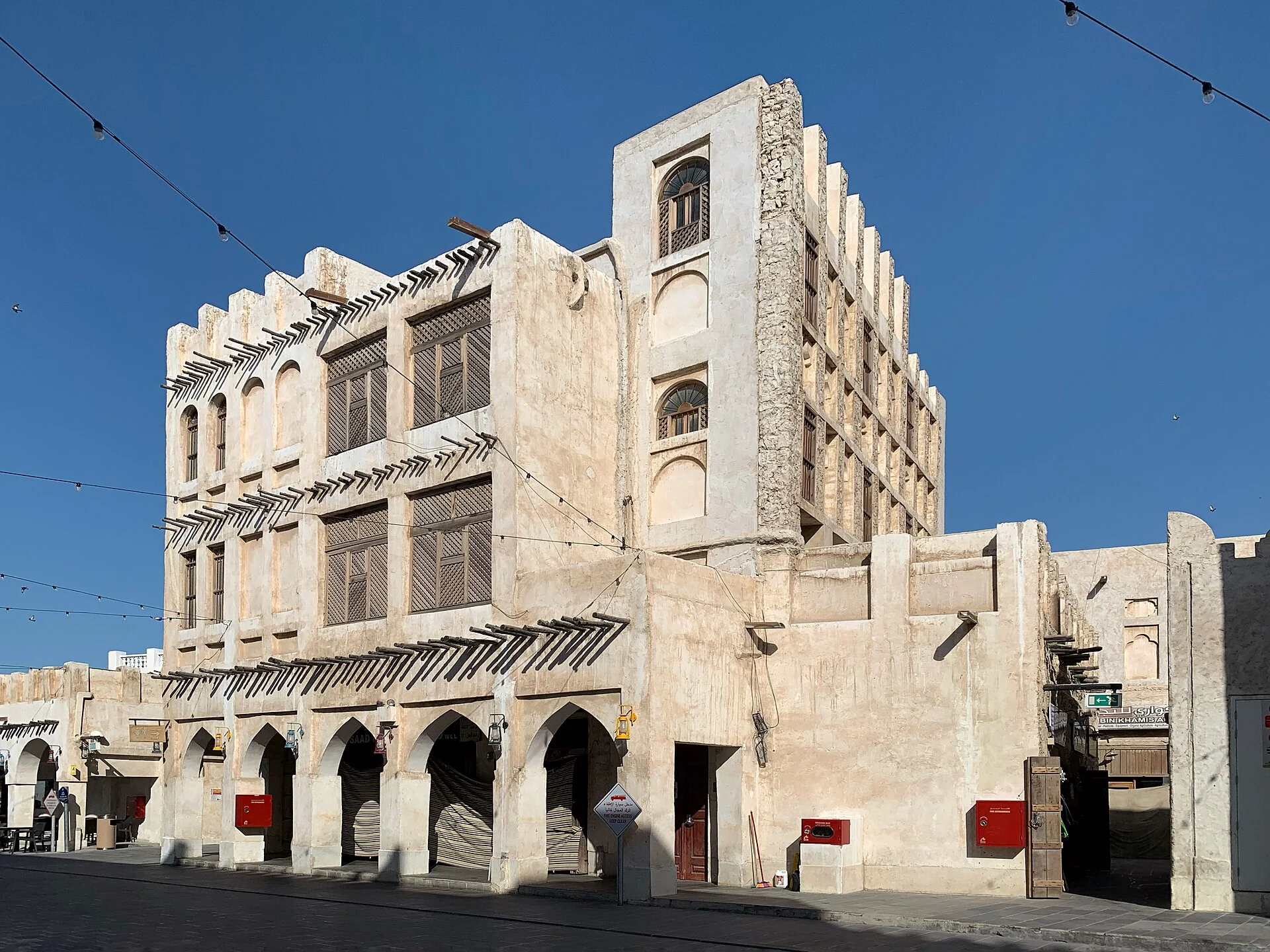
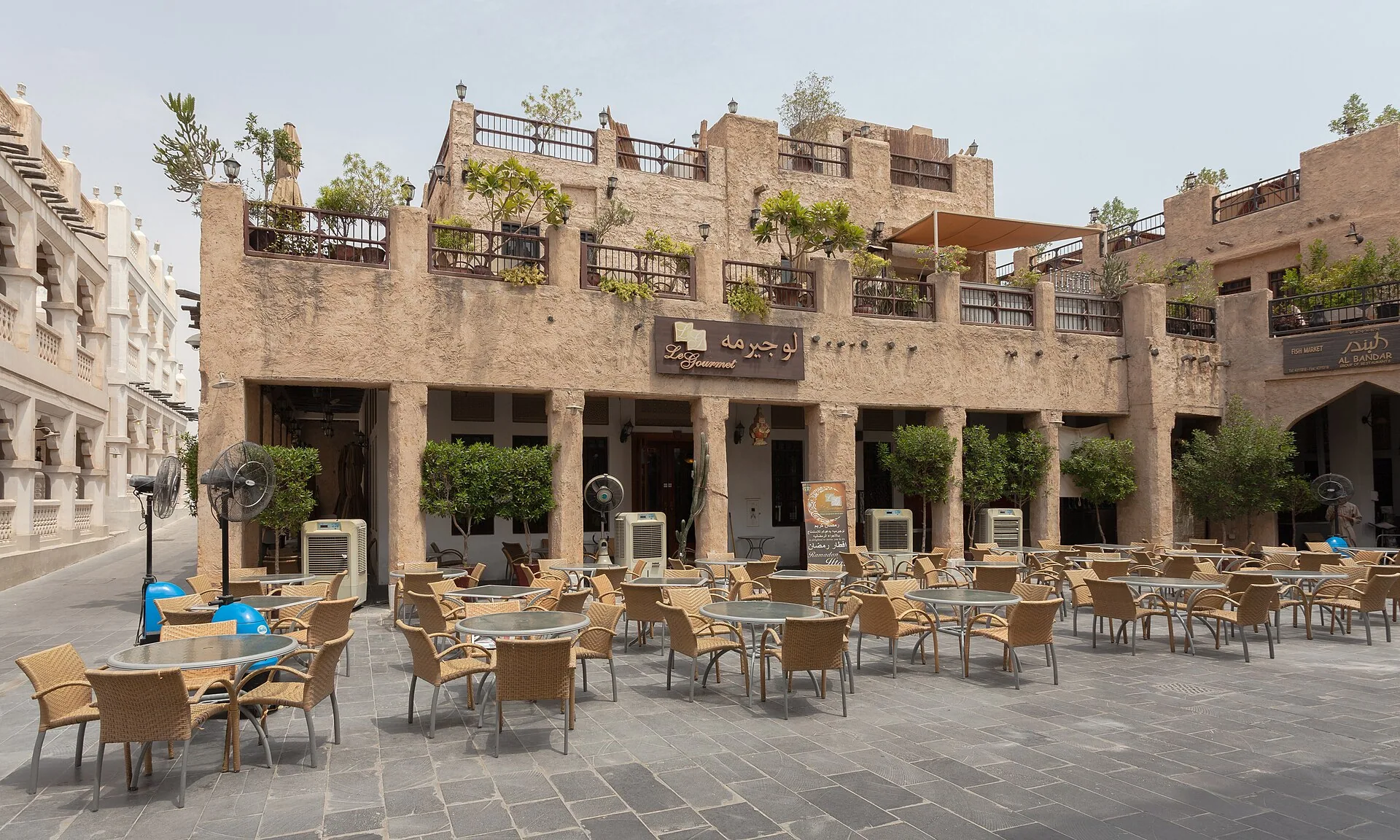
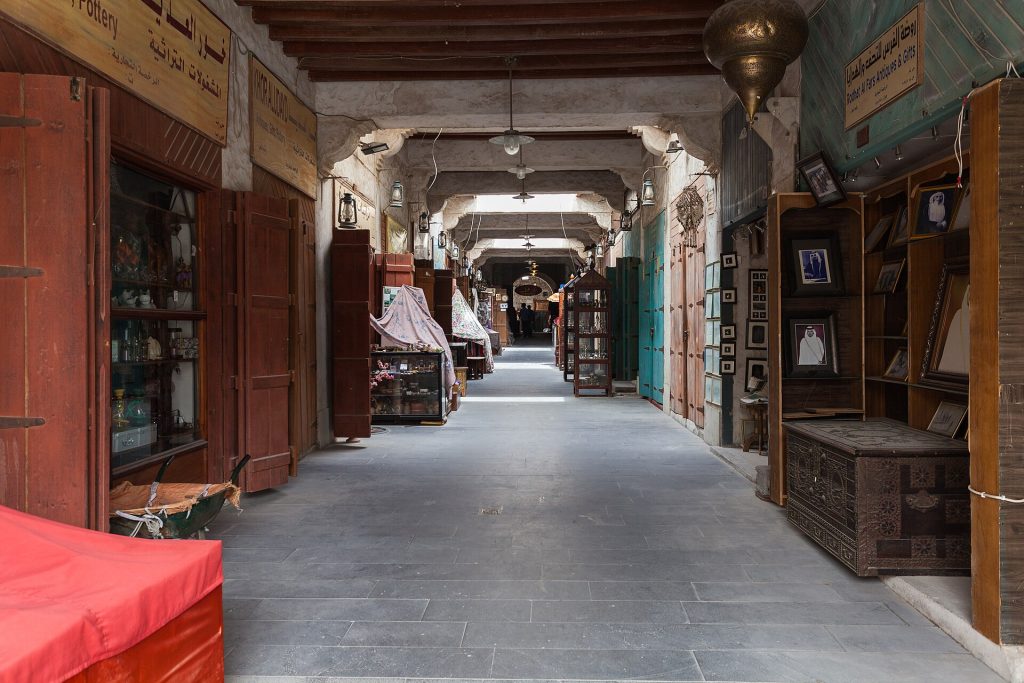
Souq Waqif is a place to browse, eat and observe the city’s social rhythm, especially later in the day. Visit Qatar describes shops, workshops and food across its lanes. Move slowly, ask before photographing merchants and remember that it remains a functioning market. A meal there can be more memorable than a hurried search for a souvenir.
The Museum of Islamic Art sits by the Corniche and contains collections spanning many centuries and regions. Its location makes a market-and-museum pairing practical, but give the galleries genuine time. Choose a few themes or objects to follow rather than trying to absorb every room in one pass.
Use the waterfront to connect the day
The Corniche offers a walk and a broad view of Doha’s changing skyline. Time outdoors according to heat and sun, and use a taxi or metro for longer distances. Do not assume every museum has the same closing day or late hours; confirm current schedules before building the route. If traveling with children, the park near the Museum of Islamic Art can provide a welcome break.
Doha’s rapid development is visible in architecture, but cultural spaces help explain the city beyond towers. Ask local guides or museum staff about the histories represented, and leave room for contemporary art or another neighbourhood if your stay is longer.
Make a flexible first day
A workable outline is a morning museum visit, an afternoon rest, then market streets and a meal as the day cools. Reverse it if hours dictate. Check event calendars and transport information before departure. This route gives Doha several voices: collection, waterfront and everyday commerce, all within a visit that leaves space to look carefully.
Doha also works well for a brief stopover, but confirm transit and baggage arrangements before treating a few hours as a city day. Museum security and travel across town consume time. If you have only one evening, the souq and a waterfront walk may be enough; if you have a full day, add a museum with a real margin for its collections. Keep local customs in mind when dressing and photographing people.
Connect the walk with one museum
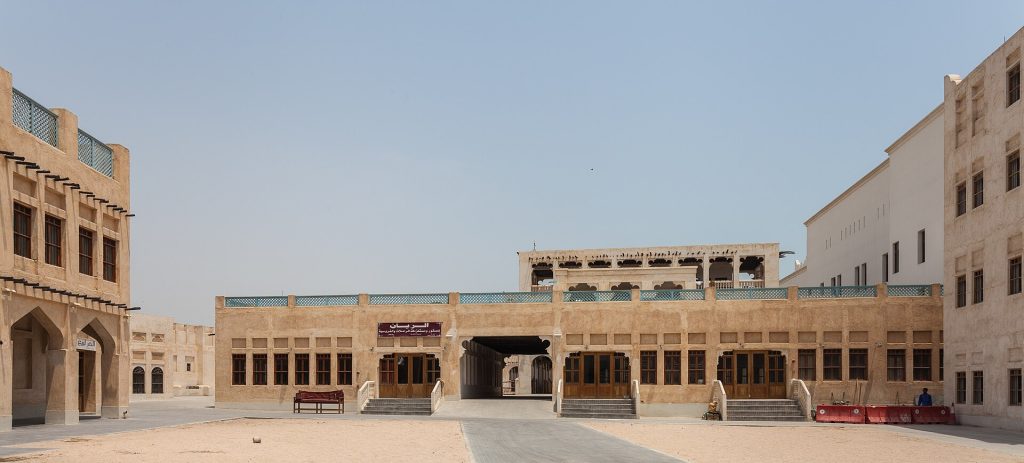
Souq Waqif, the Corniche, and Doha’s museums can be linked in a day, but heat and exhibition time should decide the sequence. Begin the market walk when stalls and cafés suit your schedule, then use transport for a longer or hotter segment. Visit Qatar describes Souq Waqif as a living commercial district and places the Museum of Islamic Art beside the Corniche. Check the museum’s own current entry and exhibition details before arriving. Leave the evening open enough for the market’s changing atmosphere. Official visitor information.
Choose the walking hours
Doha’s outdoor route is more comfortable when aligned with the weather. Put the longer Corniche segment early or later in the day in hot conditions, and use a museum for the middle hours. Check the museum’s own entry policy and exhibition schedule; special programs may change the ideal visit time. A short taxi or public-transport hop can preserve energy for walking the market itself. Keep water with you and leave time for a shaded meal.
Let the market stay a market
Souq Waqif remains a place of commerce, not an outdoor stage. Ask before photographing shopkeepers or customers, keep pathways open, and browse at a pace that allows ordinary exchanges. If buying something, compare quality and price without feeling obliged to negotiate every item. The market’s food, craft, and social spaces are more interesting when you do not try to collect them all in one pass. An evening return can reveal a different rhythm from the daytime walk.



The conversation
Join the discussion
Have a useful tip or a question about this journey? Share it with fellow readers. Please keep comments respectful and relevant.