
Start with the season
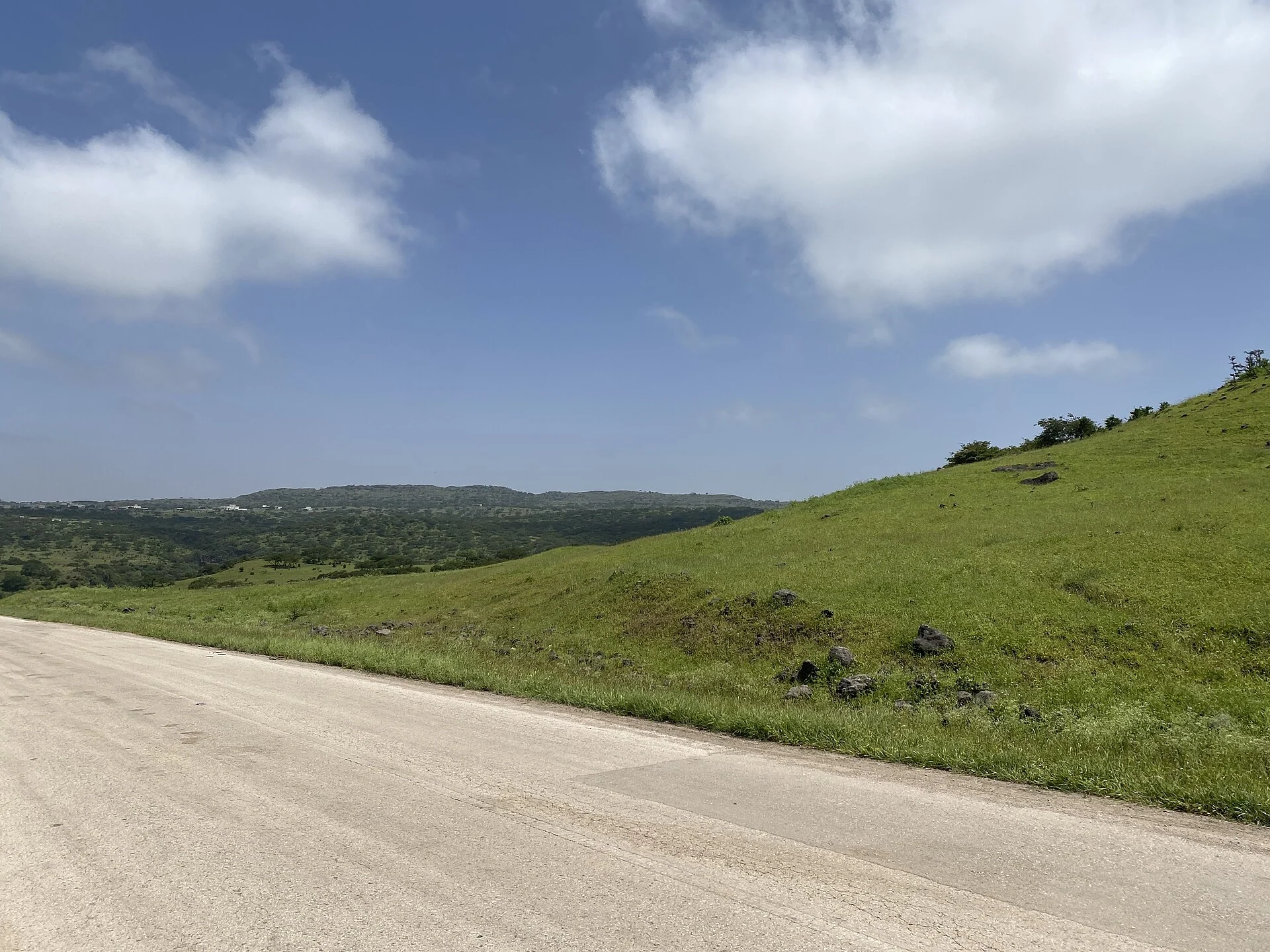
Salalah’s identity changes visibly during Khareef, the monsoon-influenced period when cloud, mist and moisture bring green landscapes to Dhofar. Experience Oman places this season broadly from mid-June to September. It can provide a welcome contrast to summer heat elsewhere in Oman, but a green photograph does not promise blue skies or clear mountain views. Decide whether you want misty landscapes and seasonal atmosphere or brighter, drier coastal conditions at another time.
The city also has a relationship with frankincense heritage, food and everyday southern Omani life. Give its markets and cultural sites attention rather than spending every hour chasing waterfalls or viewpoints on social media.
Build a safe landscape day
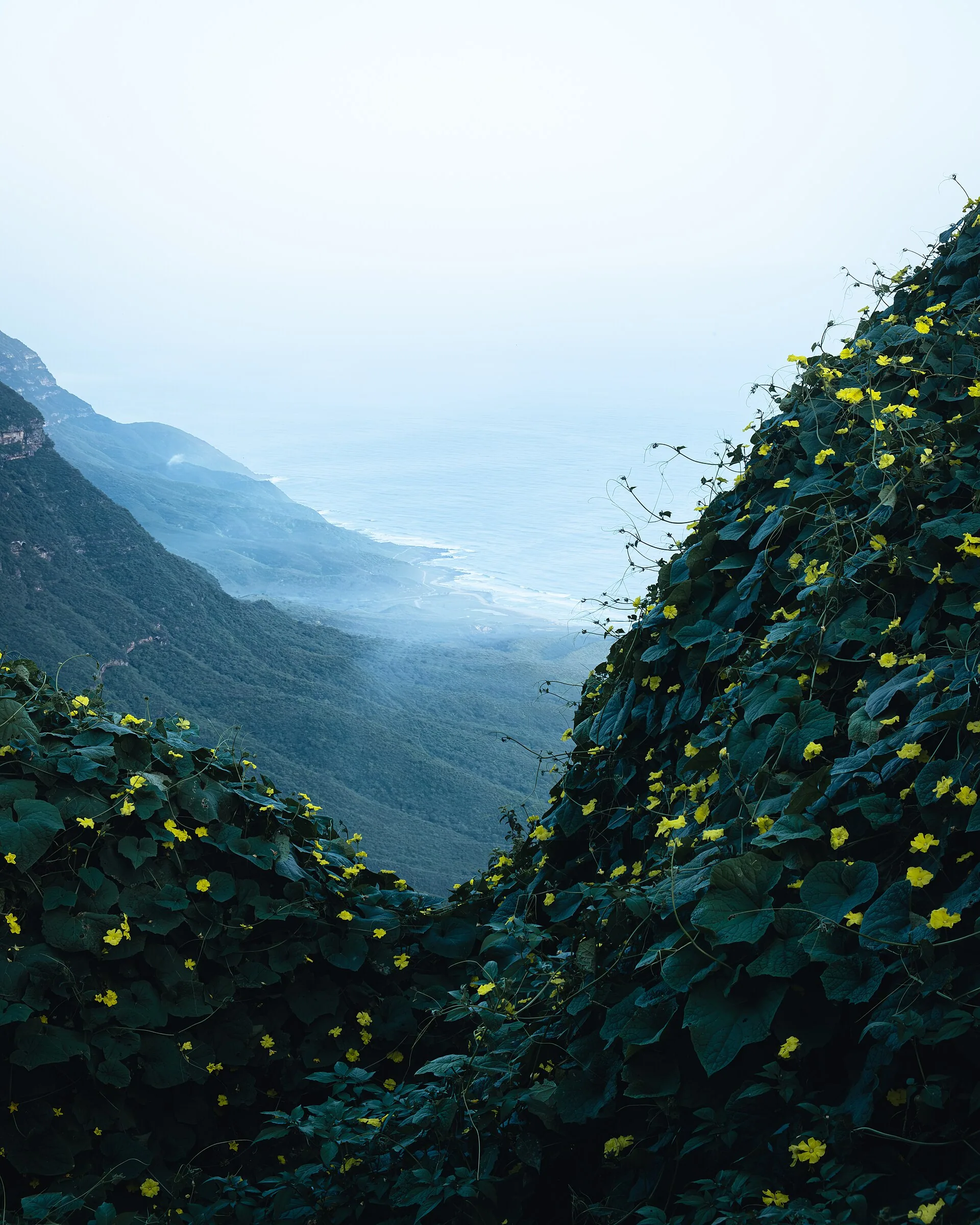
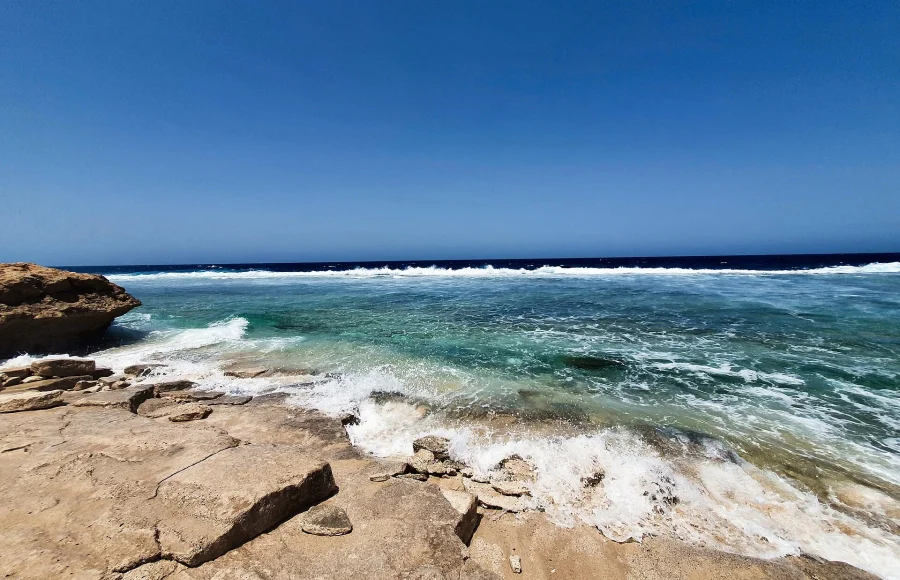
Khareef can make roads and trails wet, and popular viewpoints may be busy. Choose a manageable route with current local advice, check road conditions and avoid standing close to cliff edges in fog. If swimming is part of the plan, assess the sea on arrival; seasonal swell can make an attractive beach unsuitable. A guide or experienced local driver is valuable when visibility or access is uncertain.
Pack shoes with grip, light rain protection and water. Even mild-feeling weather can still bring strong sun. Do not cross barriers or enter closed areas to recreate a photograph.
Make room for the city
A practical stay can include one day for Salalah’s urban and heritage stops, another for a landscape route and a spare day that adapts to conditions. Confirm site opening hours and seasonal events directly before travel. The most rewarding Salalah trip accepts Khareef for what it is: cloud, greenery and changing visibility, not a standard sun-and-sand holiday with a different colour filter.
Photographs of Salalah during Khareef often show exceptional greenery, while the exact conditions vary across weeks and locations. Ask locally which roads and trails are suitable on the day and do not chase a viewpoint in poor visibility. Outside the green season, the same region still has coastal scenery and heritage; the trip simply needs different expectations. A flexible route makes weather a feature of travel rather than a failed promise.
Choose the landscape you actually want
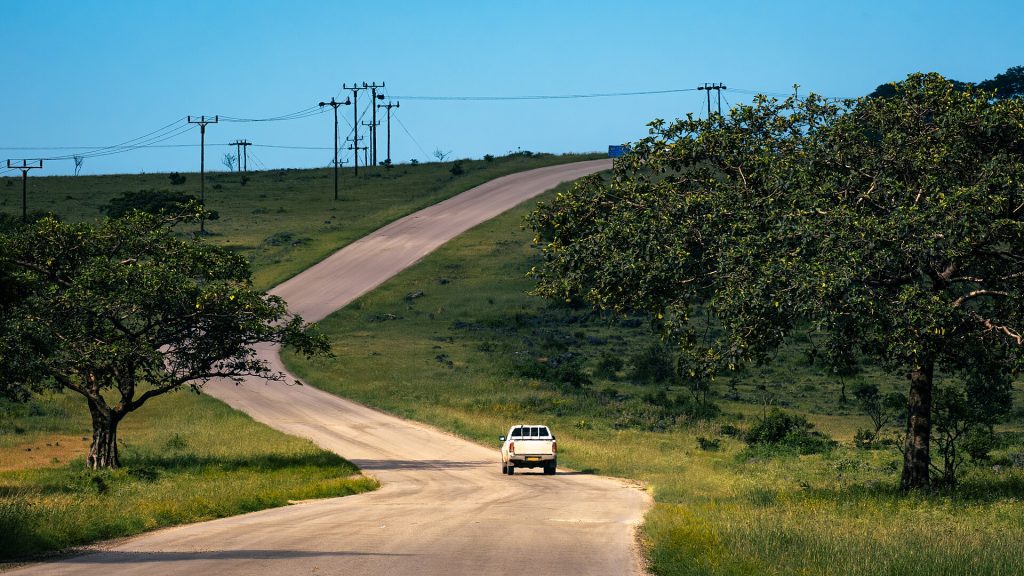
Dhofar’s official tourism guide describes the Khareef as a period of mist and greener plains and mountains. If lush scenery is the reason for your trip, check conditions close to travel and allow flexibility around visibility. Outside that period, expect a different landscape rather than promising the same views year-round. Choose one zone for each day—coast, frankincense heritage, or inland scenery—so long drives do not crowd out time on site. Official visitor information.
Match the vehicle to the route
A town stay and a Dhofar road trip are different plans. Choose the coastal or mountain areas that matter to you, then check current road and weather conditions before driving. Mist can reduce visibility during the greener season, so a slower route and extra daylight are useful. Ask locally whether a particular inland road suits your vehicle. An organized guide may make more sense if you want to learn about frankincense landscapes rather than simply reach a viewpoint.
Keep a second-day alternative
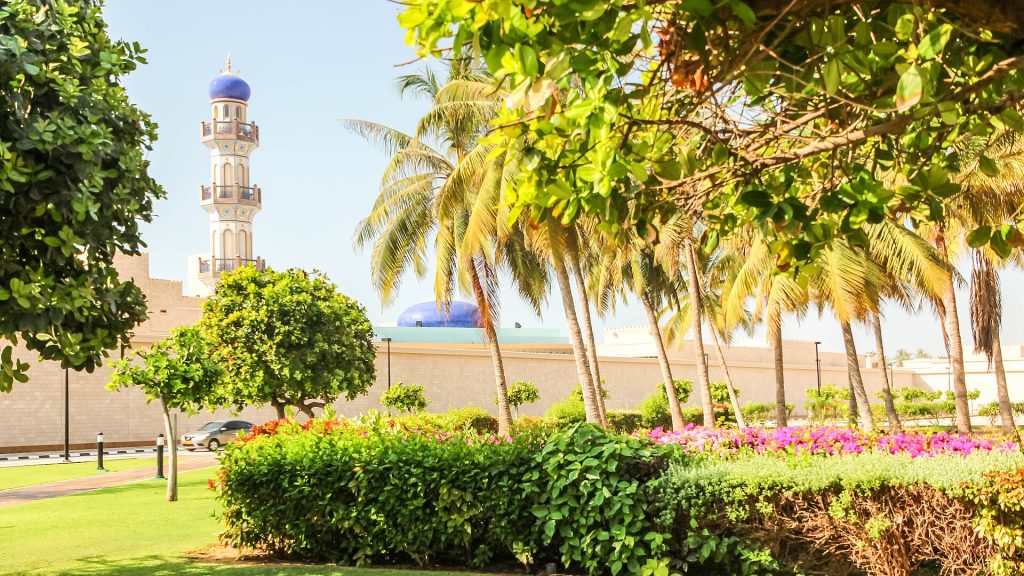
Rain or fog may hide a view, while another part of Dhofar offers a museum, heritage site, or coastal walk. Keep one day flexible so weather determines the order. Outside the green season, do not treat drier scenery as a failed version of the trip; beaches and archaeological context still have value. Confirm opening times directly with a site before making a long drive. That approach turns Salalah into a regional journey rather than a single-season photograph.


The conversation
Join the discussion
Have a useful tip or a question about this journey? Share it with fellow readers. Please keep comments respectful and relevant.