
Set expectations for the water
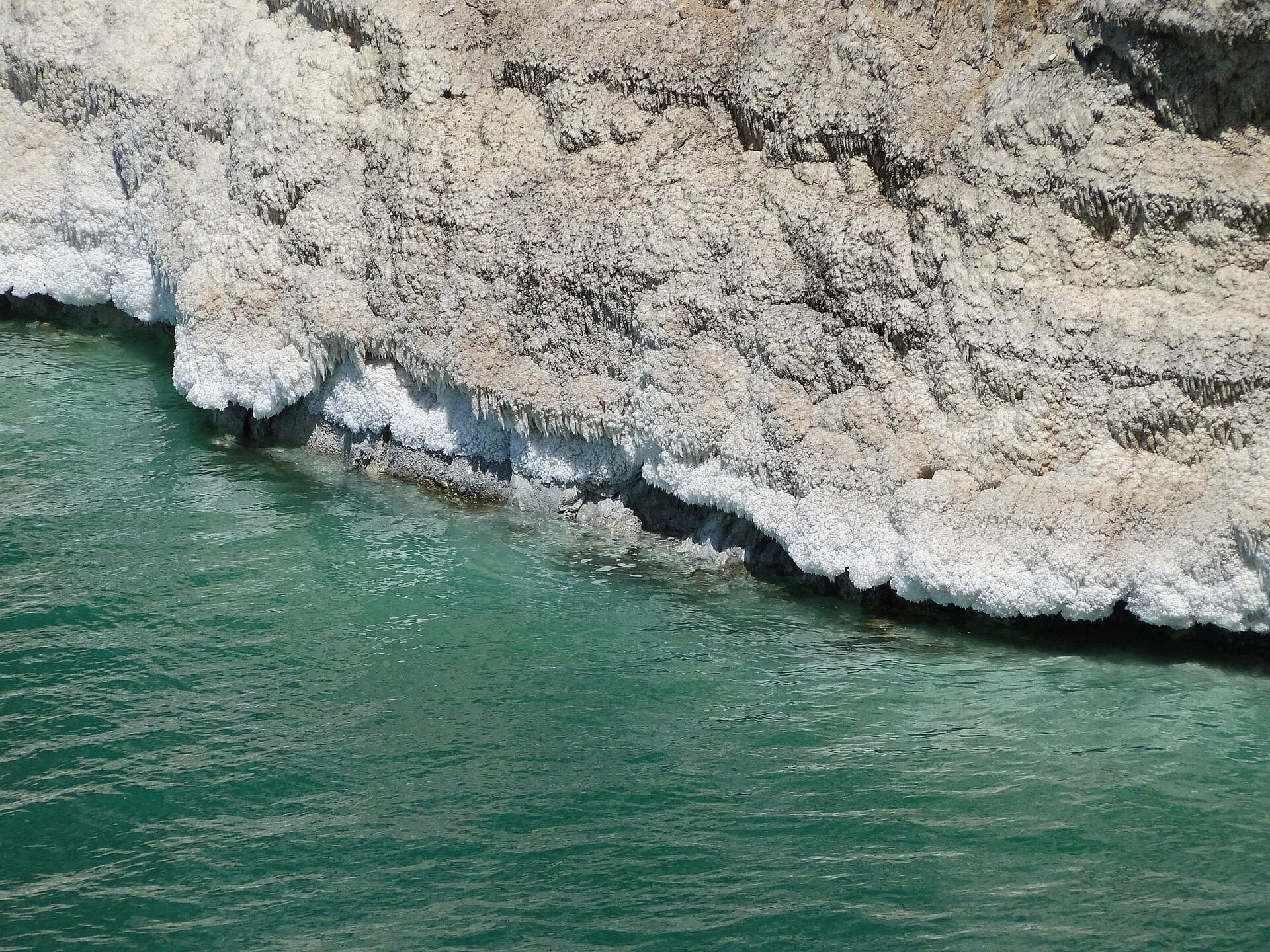
Jordan’s Dead Sea occupies the lowest part of the Jordan Valley. Its unusually saline water creates the famous buoyant floating sensation, but it is not a conventional swimming beach. Keep the water away from eyes and mouth, follow the entry advice at the beach you use and rinse off afterward. Cuts or sensitive skin may make immersion uncomfortable, so make your own health decision rather than treating a float as compulsory.
Access differs among hotel beaches and other managed areas. Confirm what a day pass includes, whether towels and showers are available and how you will travel back. Prices and policies change, so current terms matter more than an old itinerary’s figures.
Look beyond one photograph
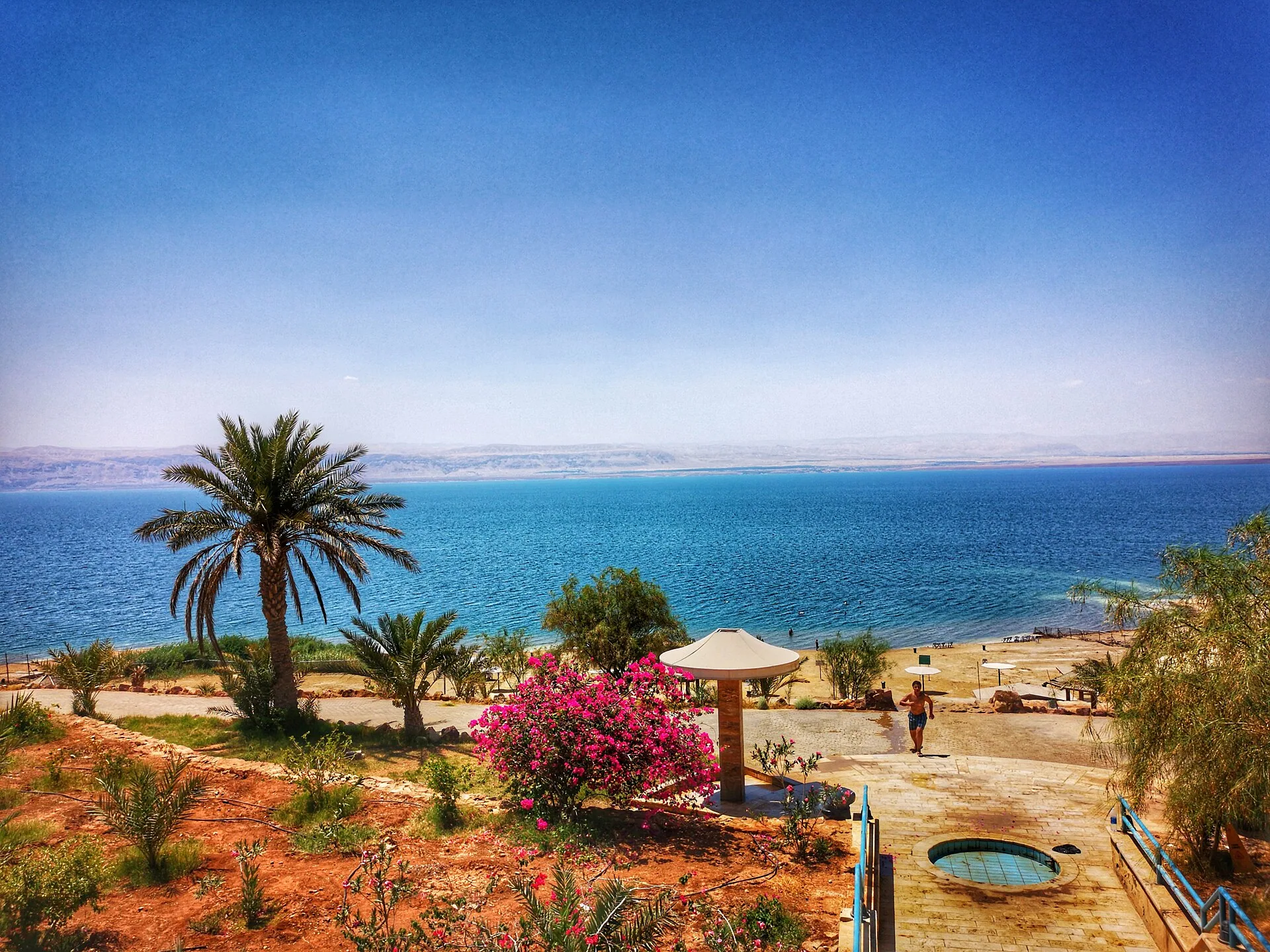
The Dead Sea is part of a broader rift landscape with stark slopes and changing light. Give yourself time to observe the setting, especially if the water is not comfortable for long. A short float, a shower, a meal and a viewpoint can make a satisfying half-day. If you combine the area with another Jordanian destination, calculate road time conservatively; heat and stops can stretch the day.
Avoid fragile shoreline areas, obey signs and do not assume all stretches are publicly accessible or safe to walk. The shoreline has environmental pressures, including falling water levels, and local access can change.
Choose a sensible sequence
Visit when temperatures are comfortable, bring drinking water and sun protection and avoid an overly packed schedule. If taking children, supervise them closely in the water. Check official Jordan travel guidance and the current beach or hotel operator’s instructions before departure. The Dead Sea is memorable because of its geology and place in the Jordan Valley, not because every traveler must repeat the same floating pose.
If you use a hotel beach, confirm whether an independent visitor may enter and what facilities are included. Some access points are designed for overnight guests, and a day package may have its own time limits. Leave valuables somewhere secure before floating. Do not shave immediately before immersion if your skin is easily irritated, and take the operator’s safety instructions seriously. These small preparations can make the experience substantially more comfortable.
Choose access before you drive
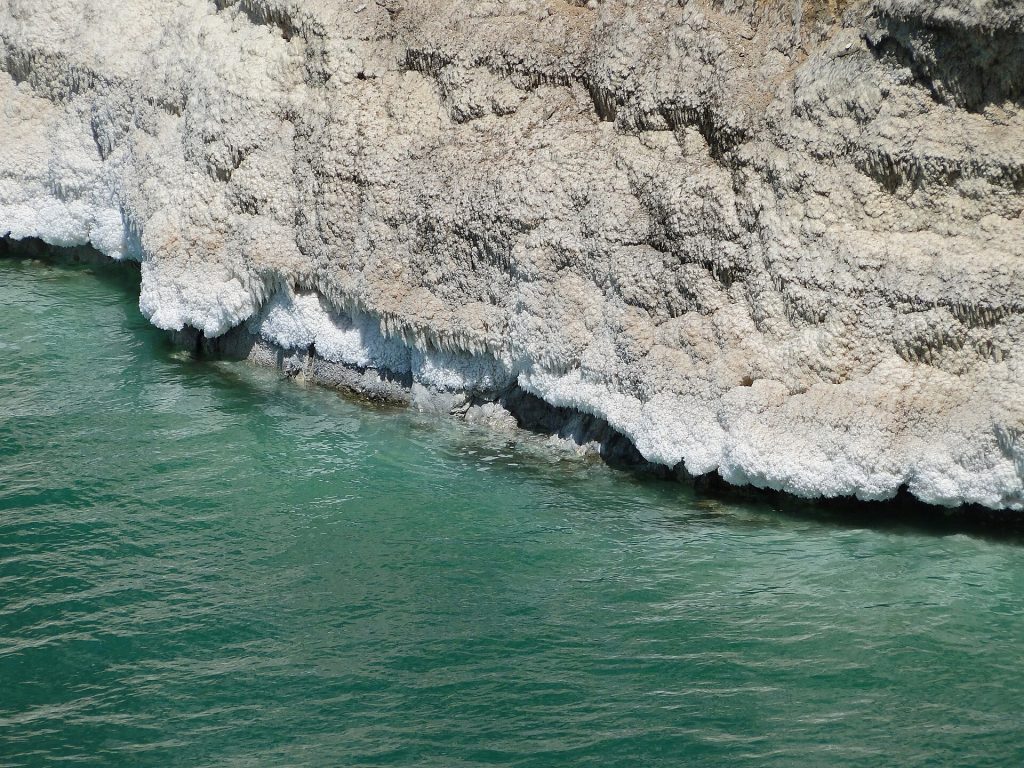
At the Jordanian Dead Sea, first decide where you will enter the water and find shade, fresh-water rinsing, and a safe place for belongings. Check the beach or hotel’s current day-access rules before setting out. The water’s unusual buoyancy is the attraction described by Jordan’s tourism board, but this is not a normal swim: follow posted instructions, avoid splashing, and keep your face out of the water. Plan a short first entry, rinse afterward, and carry drinking water for the exposed coast. Official visitor information.
Decide how long to stay
A half-day visit can be enough if your main goal is to experience the water. A longer stay makes sense when you also want a slow afternoon or an additional Jordan Valley stop. Compare the access facilities and transport to your next destination before choosing. The coast is exposed, and a hotel or managed beach with shade and rinsing facilities can be easier than an improvised roadside stop. Ask the provider what is included in day access.
Protect the rest of the itinerary
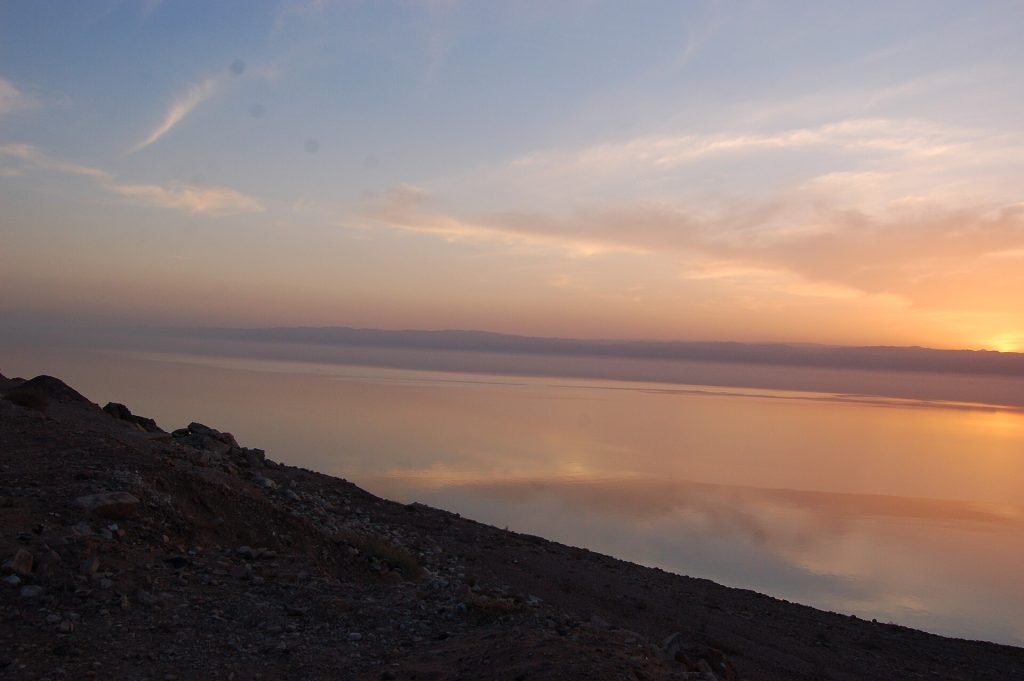
The Dead Sea can fit between other Jordan destinations, but road time should be checked realistically. Avoid planning a strenuous hike immediately after a hot beach afternoon. Bring clothing that can tolerate salt and a secure bag for electronics. Follow local instructions on entering the water; if you have broken skin or health concerns, seek appropriate advice before swimming. Leave room to rest and rehydrate before continuing the journey.


The conversation
Join the discussion
Have a useful tip or a question about this journey? Share it with fellow readers. Please keep comments respectful and relevant.